Inclusive of all taxes
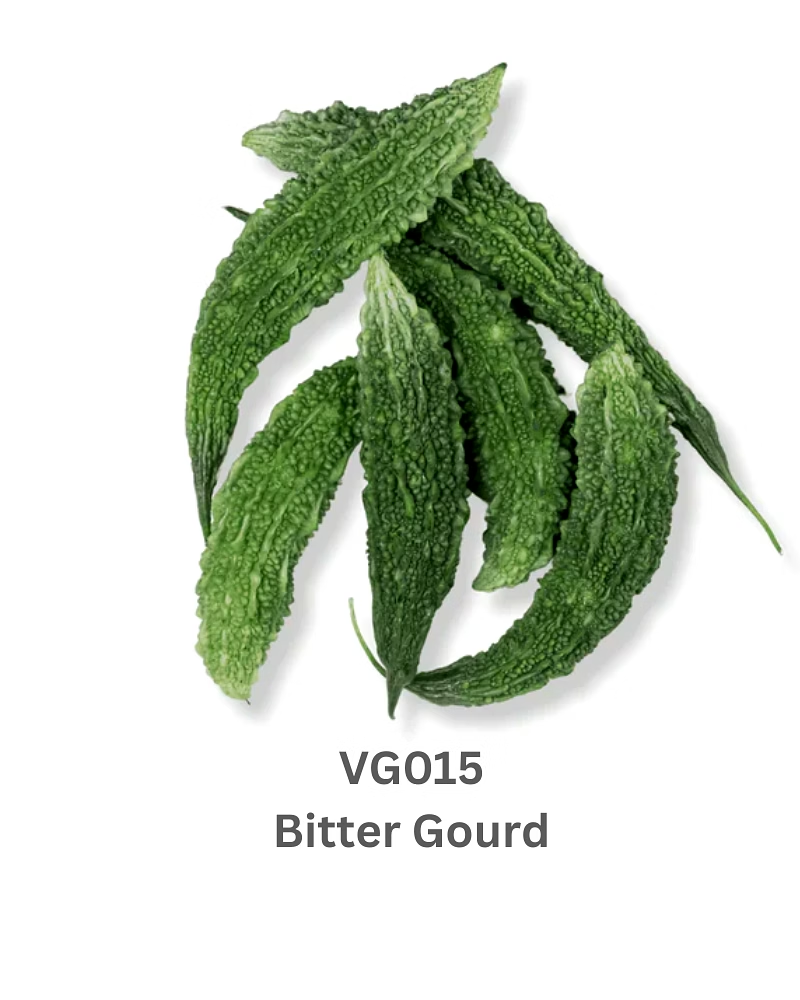
Bitter Gourd (Karela / Kakara Kaya / Pavakkai), scientifically known as Momordica charantia, is a unique fresh vegetable characterized by its elongated shape, pointed ends, and distinctively warty, ridged green skin. Renowned for its bitter taste, this vegetable is highly prized in various cuisines as well as for its potent medicinal qualities, especially its ability to help regulate blood sugar levels. Available in two primary varieties—the small Indian type with shorter, spikier ridges and the long Chinese type with smoother ridges—Bitter Gourd ranges in size from 10 to 25 cm in length, 2 to 4 cm in diameter, and weighs between 100 to 300 grams per piece. Its bright to dark green exterior contrasts with pale green to off-white flesh containing watery pulp and white seeds. Rich in essential nutrients including Vitamins C, A, B1, B2, B3, iron, potassium, calcium, magnesium, and dietary fiber, this vegetable supports overall health and low-calorie diets. For optimal freshness, Bitter Gourd should be stored at 10–12°C in ventilated dry conditions, with a shelf life of up to 10 days. Packaging is customizable with options such as corrugated boxes, plastic crates, or mesh/net bags, typically in 5 kg or 10 kg packs, catering to bulk buyers and businesses handling fresh produce. Proper handling to avoid excess moisture and segregation from ethylene-sensitive fruits ensures its quality preservation during transit and storage.
Key Features
| Features | Description |
|---|---|
| Scientific Name | Momordica charantia |
| Common Names | Bitter Gourd, Karela, Kakara Kaya, Pavakkai |
| Shape | Elongated with pointed ends, heavily ridged and warty surface |
| Size Range | Length 10–25 cm, Diameter 2–4 cm |
| Weight per Piece | 100–300 grams |
| Skin Color | Bright green to dark green |
| Flesh Color | Pale green to off-white |
| Varieties | Small Indian type (spikier), Long Chinese type (smoother ridges) |
| Nutritional Highlights | Rich in Vitamins C, A, B1, B2, B3, Iron, Potassium, Calcium, Magnesium, Dietary fiber |
| Shelf Life | 5 to 10 days under optimal storage conditions |
| Storage Conditions | 10–12°C, ventilated and dry environment |
| Packaging Options | Corrugated boxes, plastic crates, mesh/net bags |
| Standard Pack Sizes | 5 kg, 10 kg, or customized as per client requirements |
| Handling Tips | Avoid excess moisture and do not store with ethylene-producing fruits |
| Attributes | Description |
|---|---|
| HSN Code | 07099920 |
| Category | Fresh Vegetable |
| Water Content | 85–90% |
| Caloric Value | Low calories and carbohydrates |
| Texture | Firm with watery pulp |
| Seed Color | White |
| Optimal Storage Temperature | 10–12°C |
| Shelf Life | 5 to 10 days |
| Packaging Types | Corrugated boxes, plastic crates, mesh/net bags |
| Typical Pack Sizes | 5 kg, 10 kg or as per client specification |
*Disclaimer: The above description has been AI-generated and has not been audited or verified for accuracy. It is recommended to verify product details independently before making any purchasing decisions.
Bitter Gourd should be stored at a temperature between 10 and 12°C in a ventilated and dry environment to maintain freshness, which can extend the shelf life up to 10 days.
Packaging options include corrugated boxes, plastic crates, and mesh or net bags, typically packaged in 5 kg or 10 kg standard sizes, with customization available upon client request.
Storing Bitter Gourd with ethylene-producing fruits such as bananas can accelerate ripening and spoilage, reducing shelf life and quality; hence they should be stored separately.
Yes, two varieties are generally available: the small Indian type which is shorter and spikier, and the long Chinese type which features smoother ridges and longer fruit.
Bitter Gourd is low in calories and carbohydrates while being rich in vitamins C, A, B-complex, iron, potassium, calcium, magnesium, and dietary fiber, making it ideal for health-focused food service providers.
Brand: vahin global exports
Country Of Origin: India
🍃 Bitter Gourd (Karela / Kakara Kaya / Pavakkai)
Scientific Name: Momordica charantia
Category: Fresh Vegetable
HSN Code: 07099920
✅ Product Summary:
Bitter Gourd, commonly known as Karela in Hindi and Kakara Kaya in Telugu, is a distinctively shaped green vegetable known for its warty skin and bitter flavor. Despite its taste, it is highly valued for its therapeutic and nutritional benefits, particularly in regulating blood sugar levels and promoting overall health.
📏 Physical Specifications:
Shape: Elongated with pointed ends; heavily ridged and warty surface
Length: 10–25 cm
Diameter: 2–4 cm
Weight Range: 100–300 grams per piece
Skin Color: Bright green to dark green (varies by maturity and variety)
Flesh Color: Pale green to off-white
Texture: Firm with watery pulp inside and white seeds
Varieties:
Small Indian type (shorter, spikier)
Long Chinese type (longer, smoother ridges)
🌿 Nutritional & Health Benefits:
Water Content: ~85–90%
Low in Calories and Carbohydrates
Rich In:
Vitamin C, A, B1, B2, B3 , Iron, Potassium, Calcium, Magnesium, Dietary fiber
📦 Storage & Handling:
Shelf Life: 5 to 10 days when stored properly
Optimal Storage Temperature: 10–12°C (in ventilated, dry storage)
Packaging Options:
Corrugated boxes
Plastic crates
Mesh/net bags
Standard Pack Size: 5 kg, 10 kg, or as per client specification
Handling Tips:
Avoid excess moisture during transport
Do not store with ethylene-producing fruits (e.g., bananas)
Inclusive of all taxes
You Save: 0
Hyderabad , India
Service Provider , Service Center, Professional Services, Retailer, Distributor, Exporter, Importer, Wholesaler
GST- 36aodpm6015q1zk