

 FIEO Registered
Our Products
Latest
Name (A-Z)
Name (Z-A)
Showing 1-24 of 57 products
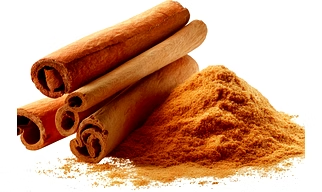
Cinnamon Powder
Cinnamon powder is finely ground from selected cinnamon bark, offering a sweet, warm aroma and rich flavor. Used extensively in desserts, beverages, curries, bakery products, and spice blends.
$ 150.00
/ Unit
Price Range
1 Unit
MOQ
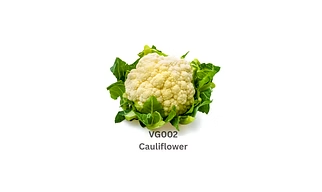
Cauliflower
Cauliflower
Scientific Name: Brassica oleracea var. botrytis
Category: Fresh Vegetable / Cruciferous Vegetable
HSN Code: 07049000
Product Summary:
Cauliflower is a cruciferous vegetable prized for its compact white head called the "curd." Known for its mild flavor and firm texture, it is used in a wide range of dishes like curries, stir-fries, pickles, and baked items. Rich in fiber and antioxidants, cauliflower is a versatile and low-carb alternative to grains and legumes in many modern diets.
Physical Specifications:
Shape: Round, dome-shaped curd
Size: 10–25 cm diameter
Weight Range: 300–1,200 grams per head
Color: Milky white (with green leaves surrounding)
Texture: Firm, compact, and slightly grainy
Aroma: Mildly sweet and nutty when raw; becomes stronger when cooked
Popular Varieties:
Pusa Snowball – white, dense curd, suitable for winter
Early Kunwari – early maturing, medium size
Pusa Himjyoti – cold-tolerant variety
Nutritional & Health Benefits:
Water Content: ~92%
Calories: ~25 kcal per 100 g
Rich In:
Vitamin C and K (supports immunity and bone health)
Folate and Choline (supports cell growth and liver function)
Fiber (aids digestion and satiety)
Antioxidants including glucosinolates and isothiocyanates
Health Benefits:
Improves digestion and promotes gut health
Supports weight management due to low calorie and high fiber
Reduces inflammation and oxidative stress
May help lower risk of cancer and cardiovascular disease
Enhances brain health and detoxification
Storage & Handling:
Shelf Life:
Room Temperature: 1–2 days
Refrigerated (4–7°C): 5 to 7 days (wrapped in paper or ventilated bag)
Packaging Options:
Wrapped in perforated film, net bags, or plastic crates
Retail Packs: 500 g, 1 kg (cut or whole)
Bulk: 5 kg, 10 kg, or customized
Handling Instructions:
Store in cool, dry conditions away from moisture
Do not wash before storing (increases spoilage)
Trim leaves and damaged florets before use
Price on Request
1 Unit
MOQ
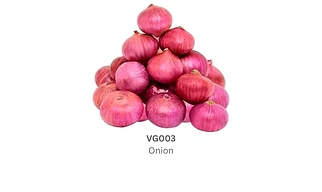
Onion
Onion
Scientific Name: Allium cepa
Category: Fresh Vegetable / Bulb
HSN Code: 07031010
Product Summary:
Onion is a staple bulb vegetable used as a base ingredient in various cuisines around the world. Known for its strong flavor and aroma, onions are available in several varieties such as red, white, and yellow. They are consumed raw in salads, cooked in gravies, or fried as toppings. Onions are also valued for their natural antibacterial and antioxidant properties.
Physical Specifications:
Shape: Round to oval or flat-globe
Size: Small to large (3–10 cm diameter)
Weight Range: 80–250 grams per bulb
Color: Red, white, or yellow (depending on variety)
Skin Texture: Papery outer skin; firm inner layers
Flesh: Crisp, juicy, and layered
Aroma: Pungent and sharp (milder when cooked)
Popular Varieties:
Nashik Red Onion – pungent, long shelf life
Bellary Onion – larger size, used in cooking
White Onion – milder flavor, used in salads and sauces
Yellow Onion – sweet and aromatic when cooked
Nutritional & Health Benefits:
Water Content: ~89%
Calories: ~40 kcal per 100 g
Rich In:
Vitamin C and B6 (immunity and metabolism)
Folic Acid and Potassium
Sulfur Compounds and Quercetin (antioxidants)
Dietary Fiber
Health Benefits:
Supports immune function and fights inflammation
Lowers blood sugar and improves heart health
Promotes digestion and prevents constipation
Reduces risk of certain cancers (due to antioxidants)
Improves bone density and joint health
Storage & Handling:
Shelf Life:
Room Temperature (dry & ventilated): 3 to 6 weeks
Cold Storage (0–4°C): Up to 3 months (for export or bulk)
Packaging Options:
Mesh bags, jute sacks, or plastic crates
Retail Packs: 1 kg, 2 kg, 5 kg
Bulk: 25 kg, 50 kg, or customized
Handling Instructions:
Keep in dry, airy place to prevent sprouting or rotting
Do not store with potatoes (absorbs moisture and gases)
Handle gently to avoid bruising or damage
Price on Request
1 Unit
MOQ
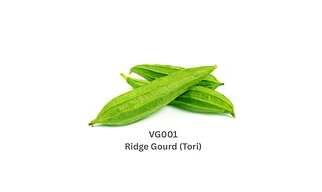
Ridge Gourd (Tori)
Ridge Gourd (Tori / Turai)
Scientific Name: Luffa acutangula
Category: Fresh Vegetable / Gourd
HSN Code: 07099990
Product Summary:
Ridge Gourd, also known as Tori or Turai, is a green, ridged, elongated vegetable commonly used in Indian kitchens. It has soft, spongy white flesh and is favored for its mild taste and high water content. Ridge gourd is commonly cooked in curries, stir-fries, and dals. Its tender form is nutrient-rich, while the mature form is used to make natural loofahs.
Physical Specifications:
Shape: Elongated and cylindrical with vertical ridges
Length: 15–30 cm
Diameter: 3–5 cm
Color: Dark green with prominent ridges
Texture: Firm yet tender when young; rough and fibrous when mature
Flesh: White, soft, and spongy
Aroma: Mild, green vegetable scent
Popular Varieties:
Pusa Nasdar – high yield and uniform fruits
Arka Sumeet – early maturing and tender
CO-1 and CO-2 – widely cultivated in South India
Nutritional & Health Benefits:
Water Content: ~94%
Calories: ~20 kcal per 100 g
Rich In:
Vitamin C and A (boosts immunity and vision)
Iron and Magnesium (supports blood and muscle function)
Dietary Fiber (aids in digestion)
Antioxidants and trace minerals
Health Benefits:
Supports digestion and relieves constipation
Helps in weight loss due to high water and fiber
Improves skin health and detoxification
Manages blood sugar levels and promotes hydration
Acts as a cooling food during summer
Storage & Handling:
Shelf Life:
Room Temperature: 1–2 days
Refrigerated (4–7°C): 4 to 6 days (in breathable bags)
Packaging Options:
Plastic crates or perforated polybags
Retail Packs: 500 g, 1 kg
Bulk: 5 kg, 10 kg, or custom packaging
Handling Instructions:
Store in a cool, ventilated area
Do not wash before storage to avoid moisture damage
Use tender fruits; mature ones may be fibrous
Price on Request
1 Unit
MOQ
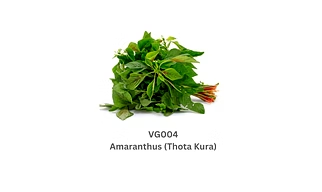
Amaranthus (Thota Kura)
Amaranthus (Thota Kura)
Scientific Name: Amaranthus tristis / Amaranthus viridis
Category: Fresh Leafy Vegetable
HSN Code: 07099990
Product Summary:
Amaranthus, commonly known as Thota Kura in Telugu, is a nutrient-rich leafy green vegetable widely consumed in South Indian households. It is appreciated for its soft texture and mild earthy flavor. It is used in stir-fries, dals, and curries, and is available in both green and red varieties. Amaranthus is also recognized for its medicinal value in traditional diets.
Physical Specifications:
Leaf Shape: Broad and oval or slightly heart-shaped
Leaf Size: 4–10 cm long
Color: Green or reddish-green (depending on variety)
Stem: Tender, fibrous, and edible
Texture: Soft and smooth
Aroma: Mild and earthy
Popular Varieties:
Green Amaranthus (Thota Kura) – soft, quick-cooking leaves
Red Amaranthus – reddish-purple leaves, higher in antioxidants
Arakeerai and Mulaikeerai – Tamil Nadu local types
Nutritional & Health Benefits:
Water Content: ~86%
Calories: ~23 kcal per 100 g
Rich In:
Iron and Calcium (supports blood and bone health)
Vitamin A and C (for skin and immunity)
Magnesium and Potassium (for nerve and heart function)
Dietary Fiber (improves digestion)
Phytonutrients and antioxidants (especially in red variety)
Health Benefits:
Improves hemoglobin and prevents anemia
Strengthens bones and joints
Supports eye health and skin regeneration
Boosts immunity and reduces oxidative stress
Promotes digestion and regulates metabolism
Storage & Handling:
Shelf Life:
Room Temperature: 1 day (in shaded area)
Refrigerated (4–7°C): 3 to 5 days (wrapped in moist paper towel)
Packaging Options:
Tied in bunches or packed in ventilated polybags
Retail Packs: 250 g, 500 g
Bulk: 5 kg, 10 kg, or custom packaging
Handling Instructions:
Do not wash before storage
Trim roots and discard yellow leaves before packing
Wash thoroughly before cooking
Price on Request
1 Unit
MOQ
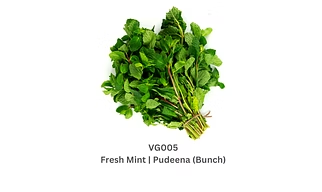
Pudina
Pudina (Mint Leaves)
Scientific Name: Mentha arvensis / Mentha spicata
Category: Fresh Herb / Leafy Vegetable
HSN Code: 12119029
Product Summary:
Pudina, commonly known as Mint Leaves, is an aromatic herb widely used in Indian, Middle Eastern, and Mediterranean cuisines. Its refreshing flavor and natural cooling effect make it ideal for chutneys, teas, drinks, and garnishes. Mint is also used in traditional remedies, cosmetics, and essential oils due to its medicinal and therapeutic properties.
Physical Specifications:
Leaf Shape: Oval with serrated edges
Leaf Size: 2–5 cm long
Color: Bright to deep green
Texture: Soft and slightly fuzzy
Aroma: Strong, cooling, and menthol-like
Taste: Refreshing, mildly pungent, and sweet
Popular Varieties:
Spearmint – commonly used in cooking and teas
Peppermint – more intense flavor, used in oils and medicines
Mentha arvensis – Indian mint, most widely cultivated locally
Nutritional & Health Benefits:
Water Content: ~85%
Calories: ~44 kcal per 100 g (used in small quantities)
Rich In:
Menthol (natural cooling agent)
Vitamin A and C (supports immunity and skin)
Calcium and Iron (supports bones and blood)
Antioxidants and Polyphenols
Essential Oils (anti-bacterial and anti-inflammatory)
Health Benefits:
Aids in digestion and relieves bloating and gas
Freshens breath and supports oral health
Reduces stress and promotes mental clarity
Helps clear respiratory congestion
Acts as a natural coolant and detoxifying agent
Storage & Handling:
Shelf Life:
Room Temperature: 1 day (wilts quickly)
Refrigerated (4–7°C): 3 to 5 days (store in damp paper towel inside container)
Packaging Options:
Tied in bunches or packed in ventilated polybags
Retail Packs: 50 g, 100 g, 250 g
Bulk: 5 kg, 10 kg, or as per buyer requirement
Handling Instructions:
Do not wash before storage to avoid spoilage
Wash thoroughly just before use
Store in a cool, dry, and shaded place
Price on Request
1 Unit
MOQ
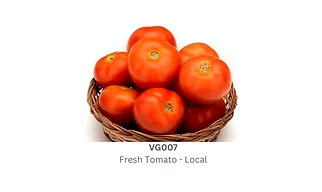
Tomato
Tomato
Scientific Name: Solanum lycopersicum
Category: Fresh Vegetable / Fruit Vegetable
HSN Code: 07020000
Product Summary:
Tomato is a globally consumed fruit vegetable known for its bright red color, tangy flavor, and juicy flesh. It plays a central role in countless dishes, from curries and sauces to salads and soups. Rich in vitamins and antioxidants, tomatoes are cultivated extensively across India and are available in multiple varieties including desi (local), hybrid, and cherry types.
Physical Specifications:
Shape: Round to oval, slightly flattened or globular
Size: Small (2–3 cm) to large (6–10 cm diameter)
Weight Range: 50–200 grams per fruit
Color: Bright red, orange-red, or yellow depending on variety and ripeness
Skin Texture: Smooth and firm
Flesh: Juicy, soft, and seedy with thin walls
Aroma: Fresh, slightly acidic aroma
Popular Varieties:
Desi Tomato – slightly sour, juicy, thin skin
Roma – firm, less juicy, ideal for pastes and sauces
Cherry Tomato – small and sweet, used in salads
Arka Rakshak – hybrid, high yield, disease resistant
Nutritional & Health Benefits:
Water Content: ~94%
Calories: ~18 kcal per 100 g
Rich In:
Vitamin C and A (supports immunity and vision)
Lycopene (a powerful antioxidant)
Potassium (regulates heart and muscle function)
Folate and Vitamin K (supports cell health and clotting)
Dietary Fiber (aids digestion)
Health Benefits:
Promotes heart health and reduces cholesterol
Boosts immunity and protects skin from UV damage
Improves digestion and bowel regularity
Helps control blood pressure and inflammation
Supports vision and may reduce risk of certain cancers
Storage & Handling:
Shelf Life:
Room Temperature: 3–5 days (for ripening or fresh use)
Refrigerated (4–7°C): 5 to 7 days (for ripe tomatoes)
Packaging Options:
Loose in crates or trays
Retail Packs: 500 g, 1 kg, or customized
Bulk: 10 kg, 15 kg, 25 kg crates
Handling Instructions:
Store away from direct sunlight
Do not refrigerate unripe tomatoes (affects flavor)
Handle gently to avoid bruising and spoilage
Price on Request
1 Unit
MOQ
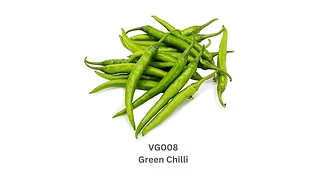
Green Chilli
Green Chilli
Scientific Name: Capsicum annuum
Category: Fresh Vegetable / Spice
HSN Code: 07096010
Product Summary:
Green Chilli is a commonly used spice vegetable in Indian and global cuisines, known for its pungency, heat, and distinctive aroma. These slender, elongated fruits are picked while immature and are used to enhance flavor, aroma, and heat in curries, chutneys, pickles, and salads. They belong to the Capsicum family and come in different varieties with varying spice levels.
Physical Specifications:
Shape: Long, slender, and tapered
Length: 4–12 cm
Diameter: 0.5–1.5 cm
Color: Bright to dark green (may turn red on ripening)
Texture: Smooth and glossy skin
Spiciness: 15,000 to 100,000 SHU (varies by variety)
Aroma: Sharp, fresh, and spicy
Popular Varieties:
Jwala – moderately hot, widely used in Indian cooking
G4 – thick-skinned, less pungent, popular for pickles
Teja – very pungent, often used dried
Samba – hybrid variety, uniform size
Nutritional & Health Benefits:
Water Content: ~85%
Calories: ~40 kcal per 100 g
Rich In:
Vitamin C and A (boosts immunity and vision)
Capsaicin (aids metabolism and pain relief)
Vitamin B6 and E (supports nervous system and skin)
Antioxidants (fight oxidative stress)
Minerals like Potassium and Iron
Health Benefits:
Improves digestion and metabolism
Relieves nasal congestion and promotes sinus health
Acts as a natural pain reliever and anti-inflammatory
Supports heart health and circulation
Boosts immunity and protects against infections
Storage & Handling:
Shelf Life:
Room Temperature: 2–3 days (cool and dry place)
Refrigerated (4–7°C): 7 to 10 days in perforated bags
Packaging Options:
Packed in perforated polybags, mesh bags, or crates
Retail Packs: 100 g, 250 g, 500 g, 1 kg
Bulk: 5 kg, 10 kg, or custom size
Handling Instructions:
Avoid crushing or over-stacking during transport
Store in a ventilated place to avoid moisture buildup
Use gloves or wash hands after handling to avoid skin/eye irritation
Price on Request
1 Unit
MOQ
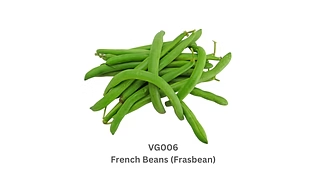
French Beans (Frasbean)
French Beans (Frasbean)
Scientific Name: Phaseolus vulgaris
Category: Fresh Vegetable / Legume
HSN Code: 07082000
Product Summary:
French Beans, also known as Frasbean or snap beans, are slender, tender green pods harvested before the seeds inside fully mature. Valued for their crisp texture and mild flavor, they are used in stir-fries, curries, salads, and stews. French beans are a rich source of fiber and essential nutrients and are widely cultivated in temperate and subtropical regions.
Physical Specifications:
Shape: Cylindrical and elongated
Length: 8–15 cm
Diameter: 0.5–1 cm
Color: Bright to deep green
Texture: Firm, smooth, and tender
Seed Development: Immature seeds (soft and edible)
Aroma: Mild, fresh grassy scent
Popular Varieties:
Arka Komal – early bearing, stringless variety
Contender – suitable for cooler climates
Local Hybrid Varieties – high yield and soft pods
Nutritional & Health Benefits:
Water Content: ~89%
Calories: ~31 kcal per 100 g
Rich In:
Vitamin C and A (boosts immunity and skin health)
Folate and Iron (supports blood health)
Magnesium and Potassium (supports nerves and heart)
Dietary Fiber (aids in digestion)
Plant-based Protein (in small amounts)
Health Benefits:
Improves digestion and prevents constipation
Supports cardiovascular health and regulates blood pressure
Boosts immunity and cell repair
Helps in managing weight with low calories
Promotes healthy skin and eye function
Storage & Handling:
Shelf Life:
Room Temperature: 1–2 days
Refrigerated (4–7°C): 5 to 7 days (store in breathable bags)
Packaging Options:
Perforated polybags, net bags, or plastic crates
Retail Packs: 250 g, 500 g, 1 kg
Bulk: 5 kg, 10 kg, or as per requirement
Handling Instructions:
Do not wash before storing to avoid moisture retention
Remove ends and strings before cooking
Handle gently to prevent snapping or bruising
Price on Request
1 Unit
MOQ
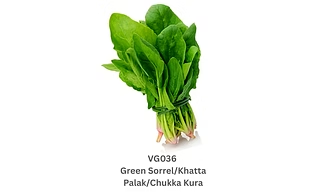
Gongura/sorrel leaves/
Gongura / Sorrel Leaves / Chukka Kura
Scientific Name: Hibiscus sabdariffa
Category: Fresh Leafy Vegetable
HSN Code: 07099990
Product Summary:
Gongura, also known as Sorrel Leaves or Chukka Kura, is a tangy green leafy vegetable widely used in Andhra, Telangana, Tamil Nadu, and Maharashtra cuisines. Known for its distinctive sour taste, it is commonly prepared as chutneys, pickles, and curries. Gongura is rich in iron, antioxidants, and vitamins, and is valued for its culinary and medicinal uses.
Physical Specifications:
Leaf Type: Broad, lobed, or slightly serrated
Color: Light to dark green; reddish tinge in red-stemmed variety
Texture: Tender, slightly coarse leaves
Height of Plant: 30–100 cm
Aroma: Earthy with a natural tangy scent
Taste: Sour and sharp (increases as leaves mature)
Popular Varieties:
Green Stem Gongura – less sour, soft texture
Red Stem Gongura – more sour, used in pickles and pachadis
Nutritional & Health Benefits:
Water Content: ~85%
Calories: ~35 kcal per 100 g
Rich In:
Iron (supports red blood cell production)
Vitamin C and A (boosts immunity and eye health)
Calcium and Magnesium (promotes bone health)
Antioxidants and Phenolic Compounds
Dietary Fiber (aids in digestion)
Health Benefits:
Helps in improving hemoglobin levels and preventing anemia
Acts as a natural coolant and reduces body heat
Promotes liver detoxification and gut health
Helps in managing appetite and weight
Supports bone density and reduces inflammation
Storage & Handling:
Shelf Life:
Room Temperature: 1 day (keep in shade)
Refrigerated (4–7°C): 3 to 5 days (wrapped in damp paper towel)
Packaging Options:
Tied in bunches or packed in ventilated polybags
Retail packs: 250 g, 500 g, 1 kg
Handling Instructions:
Do not wash before storing
Trim roots and wilted leaves before packing
Wash thoroughly before cooking to remove soil and residue
Price on Request
1 Unit
MOQ
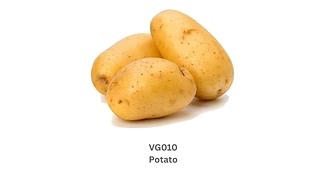
Potato
Potato
Scientific Name: Solanum tuberosum
Category: Fresh Vegetable / Root Tuber
HSN Code: 07019000
Product Summary:
Potato is one of the most widely consumed staple vegetables globally, known for its starchy texture and neutral flavor. It belongs to the nightshade family and is used in countless culinary preparations—boiled, fried, mashed, baked, and roasted. Potatoes are rich in carbohydrates and essential nutrients and are grown year-round in various regions across India.
Physical Specifications:
Shape: Round to oval or oblong (depending on variety)
Size: Small to large (4–12 cm diameter)
Weight Range: 100–300 grams per tuber
Skin Color: Brown, yellow, red, or purple (depending on variety)
Flesh Color: White, yellow, or light brown
Texture: Firm when raw; fluffy or waxy when cooked
Aroma: Earthy and neutral
Popular Varieties:
Kufri Jyoti – all-purpose, high yield
Kufri Bahar – suited for processing
Kufri Pukhraj – early maturing, widely grown
Local Red Potatoes – used in regional cuisines
Nutritional & Health Benefits:
Water Content: ~79%
Calories: ~77 kcal per 100 g (boiled)
Rich In:
Carbohydrates (mainly starch for energy)
Vitamin C and B6 (for immunity and metabolism)
Potassium (supports heart and muscle function)
Iron and Magnesium (support blood and nerve function)
Dietary Fiber (especially in skin)
Health Benefits:
Provides quick energy and satiety
Regulates blood pressure and heart rhythm
Supports immune health and reduces inflammation
Improves digestion when consumed with skin
Helps maintain fluid balance and nerve function
Storage & Handling:
Shelf Life:
Room Temperature: 2–4 weeks (cool, dark, ventilated place)
Cold Storage (5–10°C): Up to several months
Packaging Options:
Gunny bags, jute sacks, or ventilated plastic crates
Retail packaging in mesh or polybags
Standard Pack Size: 5 kg, 10 kg, 25 kg, 50 kg or bulk
Handling Instructions:
Avoid exposure to sunlight to prevent greening
Do not store near onions (they emit moisture and gases)
Keep in a well-ventilated, dry place
Price on Request
1 Unit
MOQ
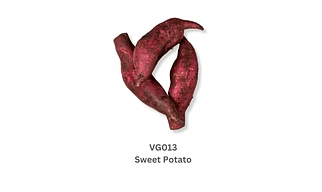
Sweet Potato
Sweet Potato
Scientific Name: Ipomoea batatas
Category: Fresh Vegetable / Root
HSN Code: 07142000
Product Summary:
Sweet Potato is a starchy, sweet-tasting root vegetable widely grown in tropical and subtropical regions. It comes in various skin and flesh colors such as orange, purple, red, or white. Sweet potatoes are known for their naturally sweet flavor, creamy texture when cooked, and high nutritional value. They are used in traditional dishes, snacks, desserts, and as a healthier carbohydrate alternative.
Physical Specifications:
Shape: Tapered cylindrical or irregular
Length: 10–25 cm
Diameter: 4–7 cm
Weight Range: 100–500 grams per root
Skin Color: Reddish-brown, orange, or purplish (depending on variety)
Flesh Color: Orange, white, cream, or purple
Texture: Firm and starchy when raw; soft and creamy when cooked
Aroma: Mildly sweet and earthy
Popular Varieties:
Bhu Sona – orange-fleshed, high beta-carotene content
Bhu Krishna – purple-skinned, antioxidant-rich
Local Red and White Varieties – commonly used in Indian households
Nutritional & Health Benefits:
Water Content: ~77%
Calories: ~86 kcal per 100 g (boiled)
Rich In:
Beta-carotene (Vitamin A precursor)
Vitamin C and E (for immunity and skin)
Potassium and Magnesium (supports heart and muscle function)
Fiber (aids digestion and blood sugar control)
Antioxidants (especially in purple-fleshed varieties)
Health Benefits:
Promotes eye health and strengthens immunity
Helps regulate blood sugar levels due to complex carbs
Improves digestive health and supports weight control
Supports skin glow and cellular repair
Reduces inflammation and oxidative stress
Storage & Handling:
Shelf Life:
Room Temperature: 1–2 weeks (in cool, dark place)
Refrigerated: Not recommended (can alter taste and texture)
Packaging Options:
Jute sacks, plastic crates, or mesh bags
Retail packaging in ventilated polybags
Standard Pack Size: 5 kg, 10 kg, 25 kg, or custom bulk
Handling Instructions:
Keep away from moisture and direct sunlight
Do not refrigerate to avoid cold damage
Handle carefully to prevent bruising or cuts
Price on Request
1 Unit
MOQ
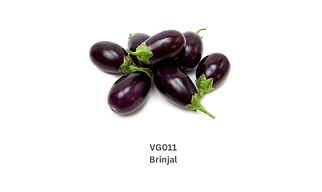
Brinjal
Brinjal (Eggplant / Baingan)
Scientific Name: Solanum melongena
Category: Fresh Vegetable / Fruit Vegetable
HSN Code: 07093000
Product Summary:
Brinjal, also known as Eggplant or Baingan, is a versatile vegetable grown in a wide range of shapes, colors, and sizes. Its glossy skin and spongy flesh make it suitable for grilling, roasting, stuffing, or curries. Common in Indian, Mediterranean, and Asian cuisines, brinjal absorbs flavors well and is low in calories, making it a staple in many households.
Physical Specifications:
Shape: Oval, elongated, or round depending on variety
Length: 5–20 cm
Diameter: 3–8 cm
Weight Range: 50–300 grams per piece
Skin Color: Purple, green, white, or striped
Flesh Color: Creamy white with small edible seeds
Texture: Firm when raw, becomes soft when cooked
Aroma: Mild and earthy
Popular Varieties:
Purple Long – commonly used in Indian curries
Green Brinjal – mild flavor, used in sambar and bharta
Round Violet – ideal for stuffing
Striped (Variegated) – attractive and flavorful
White Brinjal – less common, used in specialty dishes
Nutritional & Health Benefits:
Water Content: ~92%
Calories: ~25 kcal per 100 g
Rich In:
Dietary Fiber (aids digestion and satiety)
Potassium and Magnesium (supports heart and nerve function)
Vitamin B1 and B6 (boosts energy metabolism)
Polyphenols and Antioxidants (support cellular health)
Nasunin (a powerful antioxidant found in purple skin)
Health Benefits:
Supports heart health by managing cholesterol
Improves digestion and gut motility
Helps in weight management with low calorie content
Combats free radicals and reduces oxidative stress
May help regulate blood sugar levels
Storage & Handling:
Shelf Life:
Room Temperature: 2–3 days
Refrigerated (4–7°C): 5 to 7 days (store in perforated bags)
Packaging Options:
Loose in crates or wrapped in perforated polybags
Retail packs: 500 g, 1 kg, or bulk (10–20 kg)
Handling Instructions:
Do not wash before storing
Store in a cool, dry place or refrigerate
Handle gently to avoid bruising
Price on Request
1 Unit
MOQ
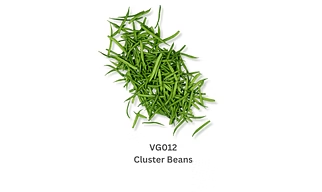
Cluster Beans
Cluster Beans (Guar / Gorichikkudu)
Scientific Name: Cyamopsis tetragonoloba
Category: Fresh Vegetable / Legume
HSN Code: 07081090
Product Summary:
Cluster Beans, also known as Guar or Gorichikkudu, are narrow, flat green pods with a slightly bitter taste and chewy texture. Cultivated mainly in semi-arid regions, they are a popular vegetable in Indian cuisine, especially in stir-fries, curries, and dry sabzis. In addition to their culinary use, cluster beans are also the source of guar gum, used industrially as a thickening agent.
Physical Specifications:
Shape: Slender, flat pods with tapering ends
Length: 5–10 cm
Width: 0.5–1 cm
Color: Light to medium green
Texture: Firm, fibrous, slightly leathery when mature
Aroma: Mildly grassy and earthy
Popular Varieties:
Pusa Navbahar – early maturing, tender pods
Durga Bahar – bushy type, good for rainfed conditions
Local Desi Varieties – suited to regional soil and taste preferences
Nutritional & Health Benefits:
Water Content: ~81%
Calories: ~45 kcal per 100 g
Rich In:
Fiber (aids digestion and regulates cholesterol)
Vitamin C and K (supports immunity and bone strength)
Folate and Iron (supports blood health)
Calcium and Phosphorus (strengthens bones and teeth)
Low glycemic index carbohydrates
Health Benefits:
Helps regulate blood sugar levels
Supports digestive health and relieves constipation
Lowers LDL cholesterol and improves heart health
Promotes bone strength and prevents anemia
Supports weight management with high fiber and low calories
Storage & Handling:
Shelf Life:
Room Temperature: 1–2 days
Refrigerated (4–7°C): 5 to 7 days (in breathable bags)
Packaging Options:
Loose in crates or tied bunches in polybags
Retail packs: 250 g, 500 g, 1 kg
Bulk: 10 kg, 20 kg, or as per buyer requirement
Handling Instructions:
Do not wash before storage to avoid moisture retention
Trim ends and wash before cooking
Store in a cool, dry place or refrigerate for longer shelf life
Price on Request
1 Unit
MOQ
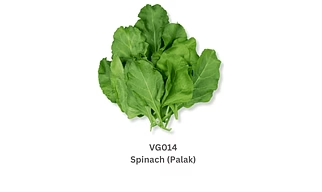
Spinach (Palak)
Spinach (Palak)
Scientific Name: Spinacia oleracea
Category: Fresh Leafy Vegetable
HSN Code: 07099910
Product Summary:
Spinach, commonly known as Palak in India, is a nutrient-rich leafy green vegetable widely consumed across the world. It features tender, dark green leaves and is available in both flat-leaf and savoy varieties. Spinach is used in a wide variety of culinary preparations such as curries, saag, soups, smoothies, and salads. Known for its high iron and vitamin content, spinach is often referred to as a superfood.
Physical Specifications:
Leaf Type: Broad, oval to lance-shaped leaves
Color: Deep green
Texture: Smooth (flat-leaf) or crinkled (savoy type)
Plant Height: 20–30 cm
Weight Range: Sold in bunches of 250 g – 1 kg
Aroma: Mild, earthy scent
Popular Varieties:
Pusa Harit – broad-leaved, suitable for Indian climate
All Green – early maturing, smooth leaf
Local Desi Varieties – fast growing with strong flavor
Nutritional & Health Benefits:
Water Content: ~91%
Calories: ~23 kcal per 100 g
Rich In:
Iron (supports red blood cell production)
Vitamin A, C, and K (for eye, immunity, and bone health)
Folate and Magnesium (important for DNA synthesis and muscle function)
Antioxidants like lutein and zeaxanthin (supports eye health)
Dietary Fiber (aids digestion)
Health Benefits:
Boosts hemoglobin and prevents anemia
Improves bone strength and joint flexibility
Enhances skin health and supports immunity
Helps regulate blood pressure and cholesterol
Supports eye health and cognitive function
Storage & Handling:
Shelf Life:
Room Temperature: 1 day (keep in a shaded, ventilated place)
Refrigerated (4–7°C): 3 to 5 days (wrapped in damp paper towel)
Packaging Options:
Tied bunches, trays wrapped in cling film, or perforated polybags
Standard Pack Size: 250 g, 500 g, 1 kg or bulk bundles
Handling Instructions:
Do not wash before storage
Trim roots and yellow leaves before packing
Wash thoroughly before use to remove soil and sand
Price on Request
1 Unit
MOQ
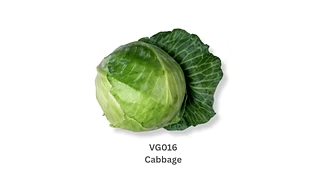
Cabbage
Cabbage
Scientific Name: Brassica oleracea var. capitata
Category: Fresh Vegetable / Cruciferous
HSN Code: 07049010
Product Summary:
Cabbage is a leafy green, round-shaped vegetable belonging to the Brassica family. It forms a compact head of overlapping leaves and is widely consumed across the world. Commonly used in salads, stir-fries, pickles, and soups, cabbage is appreciated for its mild flavor, crunchy texture, and versatility. It comes in various types, including green, red, and Savoy, each with its own texture and taste.
Physical Specifications:
Shape: Round or slightly flattened head
Diameter: 10–20 cm
Weight Range: 500 g – 2 kg per head
Color: Light to dark green (outer leaves), pale white to light green (inner leaves); red or purple for red cabbage
Texture: Crisp and layered leaves
Aroma: Mildly earthy and cabbage-like
Popular Varieties:
Green Cabbage – most common, tightly packed leaves
Red Cabbage – purplish-red leaves, slightly peppery taste
Savoy Cabbage – crinkled, tender leaves with mild flavor
Nutritional & Health Benefits:
Water Content: ~92%
Calories: ~25 kcal per 100 g
Rich In:
Vitamin K and C (supports blood clotting and immunity)
Folate and B6 (important for energy and brain health)
Dietary Fiber (aids digestion)
Antioxidants including anthocyanins (especially in red cabbage)
Calcium and Potassium (for bone and heart health)
Health Benefits:
Improves digestion and gut health
Supports immune system and reduces inflammation
Helps regulate blood pressure and cholesterol levels
Promotes detoxification and liver function
Supports bone strength and healthy metabolism
Storage & Handling:
Shelf Life:
Room Temperature: 1–2 days (cool shaded place)
Refrigerated (4–7°C): 1 to 2 weeks (whole); 3–5 days (cut)
Packaging Options:
Loose in crates or net bags
Wrapped in plastic film for retail
Standard Pack Size: 1 kg, 5 kg, 10 kg, or bulk heads
Handling Instructions:
Do not wash before storage
Remove outer leaves if wilted before use
Cut only when ready to use to retain freshness
Price on Request
1 Unit
MOQ
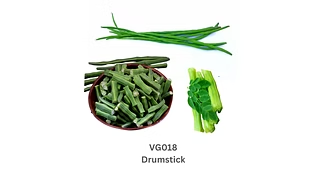
Drumstick
Drumstick (Moringa Pods)
Scientific Name: Moringa oleifera
Category: Fresh Vegetable / Pod
HSN Code: 07099910
Product Summary:
Drumstick, also known as Moringa Pods, is a long, slender, green pod from the Moringa tree. It is widely used in South Indian, Sri Lankan, and Filipino cuisines for its unique flavor and rich nutritional value. The pods are known for their fibrous skin and soft, flavorful pulp and seeds inside. Moringa is recognized for its numerous health benefits and is called a “superfood” due to its high medicinal and nutritional value.
Physical Specifications:
Shape: Long cylindrical pods with ridged surface
Length: 20–45 cm (varies with variety and maturity)
Diameter: 1–2 cm
Weight Range: 30–80 grams per pod
Color: Green when tender; turns woody as it matures
Texture: Fibrous outer skin, soft edible pulp and seeds inside
Aroma: Mildly earthy and nutty
Popular Varieties:
PKM-1 – long pods, high yield, widely cultivated
PKM-2 – improved hybrid with thicker pods
Local Desi Varieties – more aromatic but shorter shelf life
Nutritional & Health Benefits:
Water Content: ~75–80%
Calories: ~37 kcal per 100 g
Rich In:
Vitamin C (supports immunity)
Calcium and Iron (strengthens bones and blood)
Potassium and Magnesium (maintains heart and muscle health)
Dietary Fiber (promotes digestion)
Antioxidants and Phytonutrients
Health Benefits:
Boosts immune function and fights fatigue
Improves bone strength and joint flexibility
Supports digestion and relieves constipation
Helps control blood sugar levels
Supports lactation and hormonal balance
Storage & Handling:
Shelf Life:
Room Temperature: 2–3 days (cool and dry place)
Refrigerated (4–7°C): 7 to 10 days (wrapped in paper or perforated bag)
Packaging Options:
Bundled in groups, packed in crates or polybags
Standard Pack Size: 250 g, 500 g, 1 kg, 5 kg, or bulk
Handling Instructions:
Do not wash before storage to prevent fungal growth
Trim edges and store in breathable packaging
Handle gently to avoid breaking the pods
Price on Request
1 Unit
MOQ
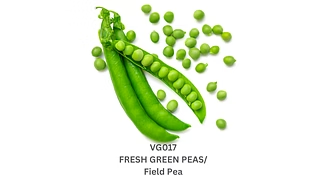
Field Pea / Green Peas
Field Pea / Green Peas
Scientific Name: Pisum sativum
Category: Fresh Vegetable / Legume
HSN Code: 07081000
Product Summary:
Green Peas, also known as Field Peas or Garden Peas, are small, spherical seeds harvested from the pods of the Pisum sativum plant. Widely cultivated during cooler seasons, these peas are known for their sweet taste, tender texture, and rich nutritional content. They are used in a variety of dishes including curries, soups, stews, pulao, and snacks. Peas are available fresh, frozen, or dried.
Physical Specifications:
Shape: Round, slightly oval peas
Size: 0.5–1 cm in diameter
Color: Bright green when fresh; pale when dried
Texture: Firm and juicy when fresh; becomes starchy when mature
Pod Length: 5–10 cm, containing 5–10 peas per pod
Aroma: Mild, sweet, grassy
Popular Varieties:
Arkel – early maturing, sweet and tender
Azad P-1 – suitable for North India
Early Badger – good for freezing and fresh markets
Nutritional & Health Benefits:
Water Content: ~79%
Calories: ~81 kcal per 100 g (fresh)
Rich In:
Protein and Fiber (supports digestion and muscle health)
Vitamin C and K (boosts immunity and bone strength)
Folate and B-vitamins (supports metabolism and cell repair)
Iron, Magnesium, and Zinc (supports blood and immune function)
Antioxidants like lutein and polyphenols
Health Benefits:
Improves digestive health and regulates bowel movement
Supports heart health and reduces bad cholesterol
Helps control blood sugar levels due to low glycemic index
Boosts energy and reduces fatigue
Promotes eye health and cognitive function
Storage & Handling:
Shelf Life:
Room Temperature: 1–2 days (in pods)
Refrigerated (4–7°C): 5 to 7 days (shelled or in pods)
Frozen: Up to 8–10 months (blanched before freezing)
Packaging Options:
Packed in polybags, mesh bags, or crates (with or without pods)
Retail packs in trays, zip pouches, or vacuum packs (for frozen)
Standard Pack Size: 500 g, 1 kg, 5 kg, or bulk
Handling Instructions:
Store in a cool, dry place or under refrigeration
Avoid exposure to direct sunlight and moisture
Use within a few days to retain sweetness and texture
Price on Request
1 Unit
MOQ
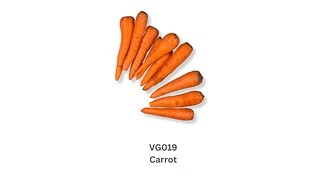
Carrot
Carrot
Scientific Name: Daucus carota subsp. sativus
Category: Fresh Vegetable / Root
HSN Code: 07061000
Product Summary:
Carrot is a root vegetable prized for its sweet flavor, crisp texture, and vibrant orange color. Widely cultivated across temperate and tropical regions, carrots are consumed raw, cooked, or juiced. In addition to orange, carrots also come in purple, red, yellow, and white varieties. It is a rich source of beta-carotene, fiber, and essential nutrients that support vision, immunity, and skin health.
Physical Specifications:
Shape: Cylindrical, tapered or conical root
Length: 10–25 cm
Diameter: 2–4 cm
Weight Range: 50–200 grams per root
Skin Color: Typically orange (varietal colors may vary)
Flesh Color: Bright orange or other depending on variety
Texture: Firm and crunchy
Aroma: Mildly sweet and earthy
Popular Varieties:
Nantes – sweet and tender, cylindrical
Pusa Rudhira Red – Indian variety, deep red color
Kuroda – large, juicy, good for juicing
Black/Purple Carrots – traditional varieties, high in anthocyanins
Nutritional & Health Benefits:
Water Content: ~88%
Calories: ~41 kcal per 100 g
Rich In:
Beta-carotene (precursor to Vitamin A for vision and skin)
Vitamin K1 (supports bone health)
Potassium (regulates fluid balance and heart function)
Fiber (aids digestion and weight control)
Antioxidants (support immunity and reduce inflammation)
Health Benefits:
Improves eyesight and night vision
Supports skin glow and reduces signs of aging
Boosts immunity and protects against infections
Promotes heart health by regulating cholesterol
Assists in detoxification and liver cleansing
Storage & Handling:
Shelf Life:
Room Temperature: 2–3 days (cool, dark area)
Refrigerated (4–7°C): 2 to 3 weeks (store in breathable packaging)
Packaging Options:
Loose in crates or packed in perforated polybags
Retail packs in trays or pouches (washed or unwashed)
Standard Pack Size: 1 kg, 5 kg, 10 kg, 25 kg, or custom bulk
Handling Instructions:
Trim greens before storing to prevent moisture loss
Do not wash before long-term storage
Keep away from ethylene-producing fruits like apples
Price on Request
1 Unit
MOQ
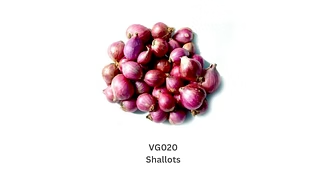
Shallots
Shallots
Scientific Name: Allium cepa var. aggregatum
Category: Fresh Vegetable / Bulb
HSN Code: 07031020
Product Summary:
Shallots are a type of small, elongated onion with a delicate, mildly sweet flavor and a hint of garlic. They grow in clusters and have a reddish-brown or purplish papery skin covering the inner flesh, which is pale purple or white. Shallots are highly prized in gourmet cooking, especially in Asian, French, and Mediterranean cuisines, due to their refined taste and excellent caramelization properties.
Physical Specifications:
Shape: Oval to oblong bulbs, often in clusters
Size: 2–5 cm in diameter
Weight Range: 15–60 grams per bulb
Skin Color: Coppery brown, reddish-purple, or pink (depending on variety)
Flesh Color: White to pale purple with distinct layers
Texture: Firm and crisp
Aroma: Mild, sweet, with subtle pungency
Popular Varieties:
Madras Shallots (India) – small, aromatic, commonly used in sambar
French Gray Shallots – gourmet variety with fine texture
Red Banana Shallots – large and easy to peel, used in international cuisine
Nutritional & Health Benefits:
Water Content: ~80%
Calories: ~72 kcal per 100 g
Rich In:
Vitamin C and B6 (supports immunity and energy metabolism)
Manganese and Potassium (supports bone and nerve function)
Folate and Iron (important for red blood cell production)
Sulfur compounds and antioxidants (supports cellular health)
Health Benefits:
Helps regulate cholesterol and blood pressure
Supports digestion and liver function
Reduces inflammation and oxidative stress
Improves skin clarity and supports heart health
May aid in blood sugar management
Storage & Handling:
Shelf Life:
Room Temperature: 2 to 3 weeks (in dry, ventilated space)
Refrigerated (4–7°C): Up to 4 weeks (if peeled or cut)
Packaging Options:
Mesh bags, jute sacks, or loose in crates
Retail packs in perforated polybags or netted sleeves
Standard Pack Size: 1 kg, 5 kg, 10 kg, 25 kg, or bulk
Handling Instructions:
Keep dry and well-ventilated to prevent sprouting
Do not store near moisture or in sealed plastic bags
Handle gently to prevent bruising and decay
Price on Request
1 Unit
MOQ
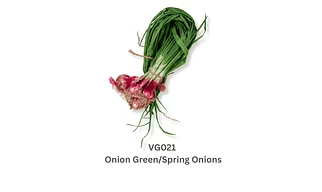
Onion Green/Spring Onions
Onion Green / Spring Onions
Scientific Name: Allium fistulosum
Category: Fresh Vegetable / Aromatic Herb
HSN Code: 07031010
Product Summary:
Spring Onions, also known as Green Onions or Scallions, are young, tender onions harvested before the bulb fully matures. They consist of a small white bulb and long green stalks, both of which are edible and highly aromatic. Widely used in Asian, Indian, and continental cuisines, spring onions are prized for their mild onion flavor, crunchy texture, and visual appeal in salads, stir-fries, and garnishes.
Physical Specifications:
Structure: Slender stems with white base and green hollow tops
Height: 20–35 cm
Bulb Size: 1–2 cm in diameter (not fully developed like regular onions)
Color: White base with bright to dark green tops
Texture: Crisp and tender
Aroma: Mild onion scent, less pungent than mature onions
Popular Varieties:
White Lisbon – widely grown, mild and crisp
Ishikura – long stalk, mostly leaf, no bulb
Local Indian Hybrid Varieties – suited for tropical conditions
Nutritional & Health Benefits:
Water Content: ~89–92%
Calories: ~32 kcal per 100 g
Rich In:
Vitamin K and Vitamin C (supports bone health and immunity)
Vitamin A and B-complex vitamins (supports vision and metabolism)
Iron, Calcium, and Potassium (for blood, bone, and heart health)
Antioxidants including flavonoids and sulfur compounds
Health Benefits:
Supports immunity and respiratory health
Improves digestion and reduces gas and bloating
Promotes bone strength and heart function
Helps manage blood sugar levels
Acts as a natural anti-inflammatory and detoxifier
Storage & Handling:
Shelf Life:
Room Temperature: 1–2 days (wrapped and shaded)
Refrigerated (4–7°C): 5 to 7 days (in perforated polybags)
Packaging Options:
Bunched and tied with elastic bands
Tray packed and cling-wrapped for retail
Standard Pack Size: 250 g, 500 g, 1 kg bunches or bulk
Handling Instructions:
Do not wash before storage
Wrap loosely in paper or perforated polybags
Store upright to avoid bruising the tender stalks
Price on Request
1 Unit
MOQ
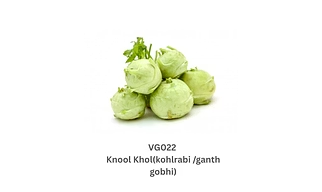
Knool Khol(kohlrabi /ganth gobhi)
Knool Khol (Kohlrabi / Ganth Gobhi)
Scientific Name: Brassica oleracea (Gongylodes group)
Category: Fresh Vegetable / Root-Stem Vegetable
HSN Code: 07049000
Product Summary:
Knool Khol, also known as Kohlrabi or Ganth Gobhi, is a cool-season vegetable that resembles a bulbous stem with leafy greens on top. Though it looks like a root vegetable, it is actually a swollen stem that grows above the ground. It has a mild, sweet, and slightly peppery flavor, similar to turnip or broccoli stem. It is commonly used in Indian, German, and Mediterranean cuisines.
Physical Specifications:
Shape: Round, globular, or slightly flattened bulb with upright leaves
Diameter: 5–10 cm
Weight Range: 100–300 grams per bulb
Skin Color: Pale green to light purple depending on variety
Flesh Color: White, firm, and crisp
Texture: Juicy and crunchy when raw; softens when cooked
Aroma: Mild and fresh, similar to cabbage
Leaves: Edible, dark green with long stalks
Popular Varieties:
White Vienna – pale green bulb, tender and mildly sweet
Purple Vienna – light purple skin, white interior, slightly spicier
Local hybrid varieties for tropical conditions
Nutritional & Health Benefits:
Water Content: ~91%
Calories: ~27 kcal per 100 g
Rich In:
Vitamin C (boosts immune health and collagen production)
Potassium (supports heart and nerve function)
Fiber (promotes digestion and gut health)
Vitamin B6 and Folate (important for metabolism and cell growth)
Antioxidants like glucosinolates (supports detoxification)
Health Benefits:
Supports digestion and improves metabolism
Helps regulate blood sugar and blood pressure levels
Boosts immune function and fights inflammation
Improves skin texture and supports healthy aging
Low in calories, good for weight management
Storage & Handling:
Shelf Life:
Room Temperature: 1–2 days
Refrigerated (4–7°C): 7 to 10 days (remove greens for longer storage)
Packaging Options:
Loose in plastic crates or net bags
Trimmed bulbs packed in perforated polybags or trays
Standard Pack Size: 5 kg, 10 kg, or custom bulk packaging
Handling Instructions:
Trim leaves if storing for more than a day
Do not wash before storage to prevent moisture damage
Handle gently to avoid bruising the bulb
Price on Request
1 Unit
MOQ
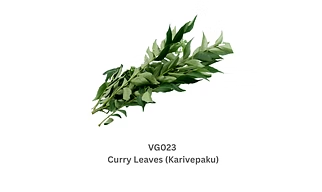
Curry Leaves (Karivepaku)
Curry Leaves (Karivepaku)
Scientific Name: Murraya koenigii
Category: Fresh Leafy Vegetable / Herb
HSN Code: 07099920
Product Summary:
Curry Leaves, known as Karivepaku in Telugu, are aromatic, glossy green leaves widely used in Indian cooking for tempering and flavor enhancement. The leaves grow in clusters on a small tropical tree native to India and Sri Lanka. In addition to their culinary use, curry leaves are valued in traditional medicine for their therapeutic properties, including antioxidant, anti-diabetic, and cholesterol-lowering effects.
Physical Specifications:
Leaf Type: Pinnate with 11–21 leaflets per stem
Leaf Length: 2–5 cm
Color: Deep green, shiny surface
Texture: Smooth and tender when fresh
Aroma: Strong, distinct, spicy-herbal scent
Moisture Content: ~75–80%
Popular Varieties:
Regular Curry Leaf – widely cultivated and used domestically
Dwarf Varieties – used for pot cultivation and terrace farming
Nutritional & Health Benefits:
Water Content: ~75%
Calories: ~108 kcal per 100 g (used in small quantities)
Rich In:
Vitamin A, B, C, and E (supports eye, skin, and metabolic health)
Calcium and Phosphorus (strengthens bones)
Iron (prevents anemia)
Alkaloids and Flavonoids (antioxidant and anti-inflammatory properties)
Health Benefits:
Improves digestion and reduces nausea
Regulates cholesterol and blood sugar levels
Promotes hair growth and reduces hair fall
Boosts iron absorption and prevents fatigue
Helps detoxify the body and improves liver function
Storage & Handling:
Shelf Life:
Room Temperature: 1–2 days (wrapped in paper)
Refrigerated (4–7°C): 5 to 7 days (in airtight container or ziplock with paper towel)
Packaging Options:
Tied bunches, trays wrapped in cling film, or perforated polybags
Standard Pack Size: 50 g, 100 g, 250 g, or custom bulk
Handling Instructions:
Store in a cool, dry place away from moisture
Do not wash before storage; rinse just before use
Use freshly plucked leaves for best flavor and aroma
Price on Request
1 Unit
MOQ
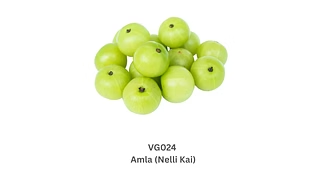
Amla (Nelli Kai)
Amla (Nelli Kai / Indian Gooseberry)
Scientific Name: Phyllanthus emblica
Category: Fresh Fruit / Medicinal Fruit
HSN Code: 08109010
Product Summary:
Amla, also known as Indian Gooseberry or Nelli Kai in South India, is a small, round, green fruit known for its sour and slightly bitter taste. Highly valued in Ayurvedic medicine and Indian households, amla is renowned for its extremely high Vitamin C content, antioxidant properties, and rejuvenating benefits. It is consumed raw, in juice, pickles, candies, powders, and herbal formulations.
Physical Specifications:
Shape: Round, slightly flattened with vertical ridges
Diameter: 2–4 cm
Weight Range: 20–50 grams per fruit
Skin Color: Glossy light green
Flesh Color: Translucent pale green
Texture: Firm and crisp
Seed: Single hard seed in the center
Aroma: Mildly earthy and herbaceous
Popular Varieties:
Banarasi – large fruits, widely cultivated
Chakaiya – smaller, highly acidic, used in processing
Kanchan and Krishna – hybrid varieties
Nutritional & Health Benefits:
Water Content: ~85–90%
Calories: ~44 kcal per 100 g
Rich In:
Vitamin C (boosts immunity and promotes collagen)
Iron and Calcium (strengthens bones and blood)
Polyphenols and Flavonoids (powerful antioxidants)
Dietary Fiber (aids digestion and detoxification)
Health Benefits:
Improves immunity and fights infections
Enhances hair growth and skin health
Supports digestion and liver function
Regulates blood sugar and cholesterol levels
Promotes anti-aging and cellular repair
Storage & Handling:
Shelf Life:
Room Temperature: 4–5 days
Refrigerated (4–7°C): Up to 10–14 days
Packaging Options:
Net bags, perforated polybags, or plastic crates
Standard Pack Size: 1 kg, 5 kg, 10 kg, or bulk
Handling Instructions:
Store in a cool, dry place
Avoid excess moisture to prevent fungal growth
Wash thoroughly before consumption or processing
Handle gently to prevent bruising
Price on Request
1 Unit
MOQ


 GL Trustmark