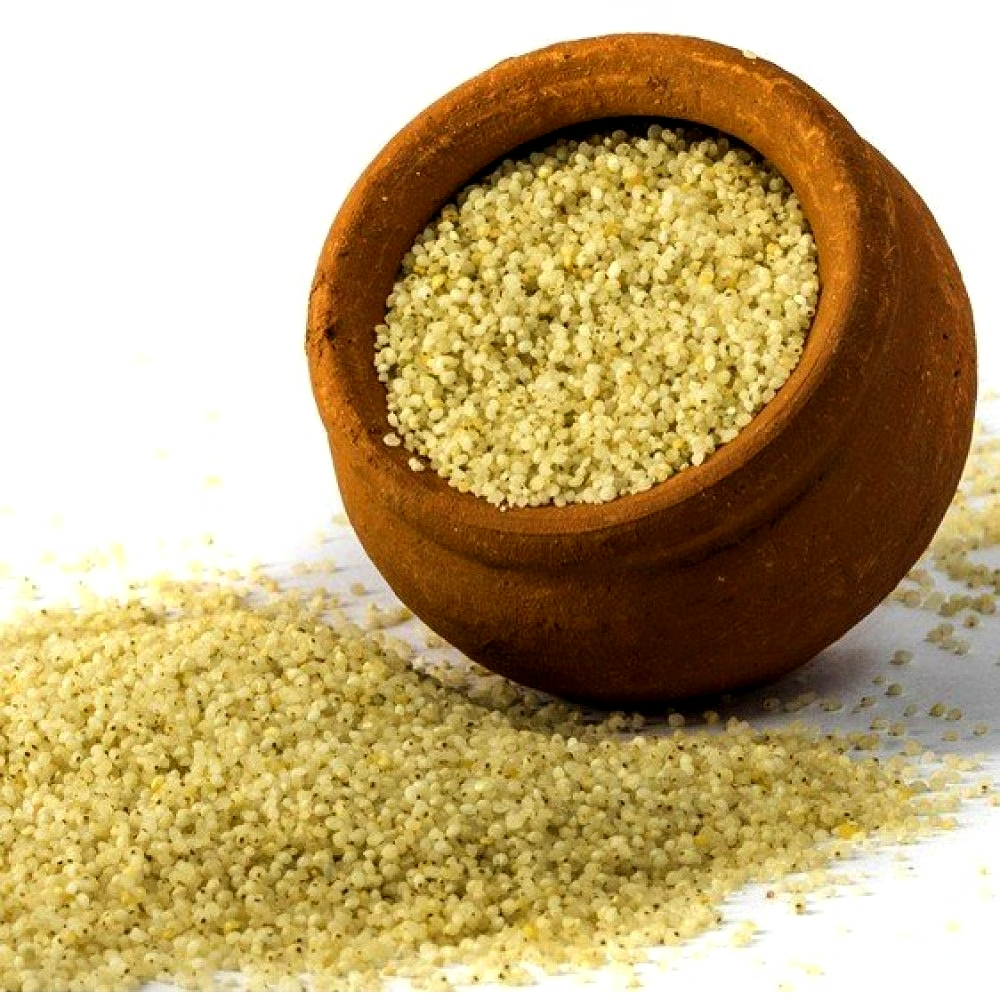
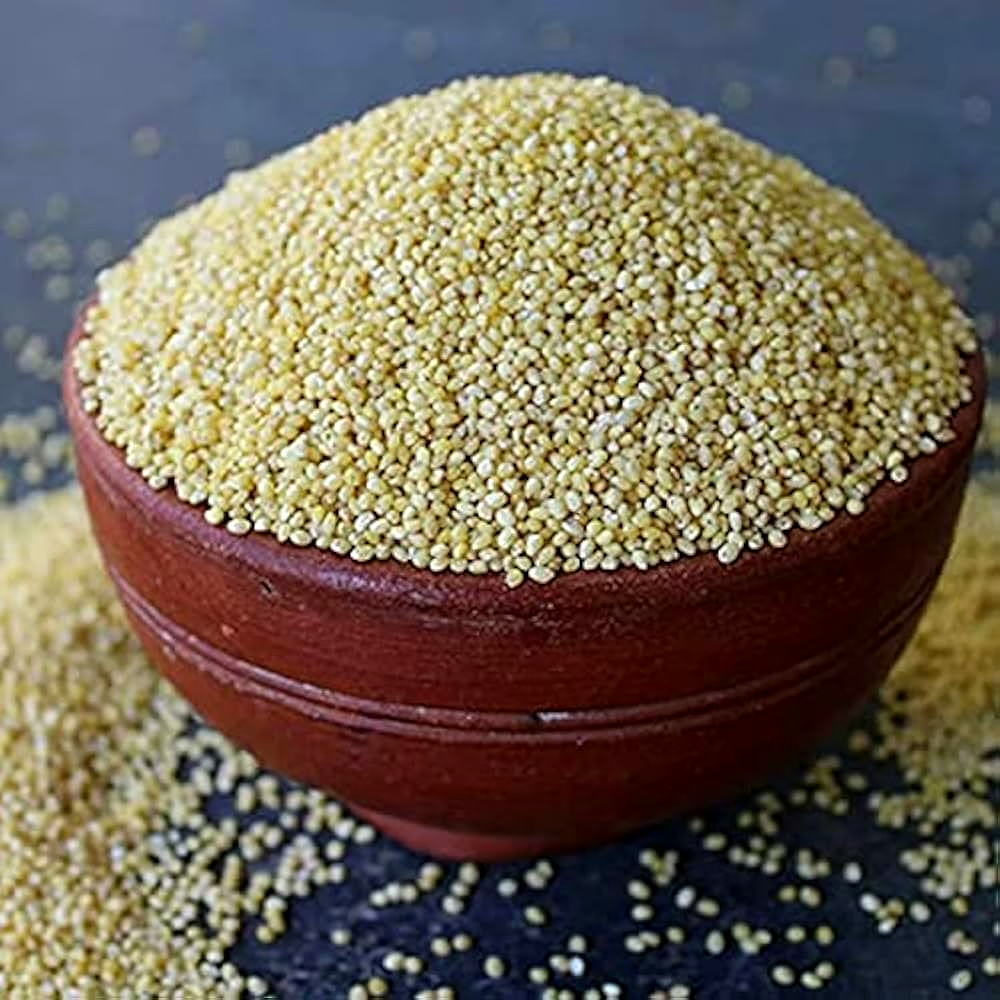
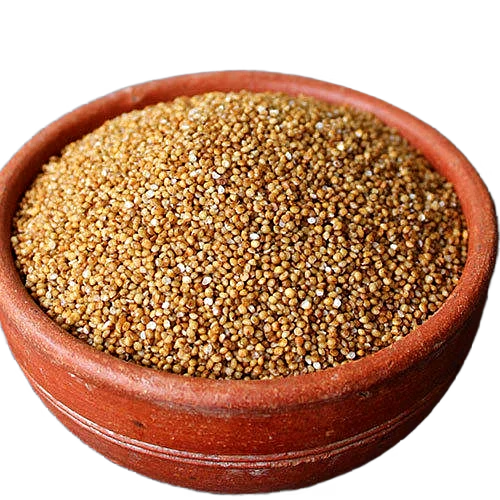
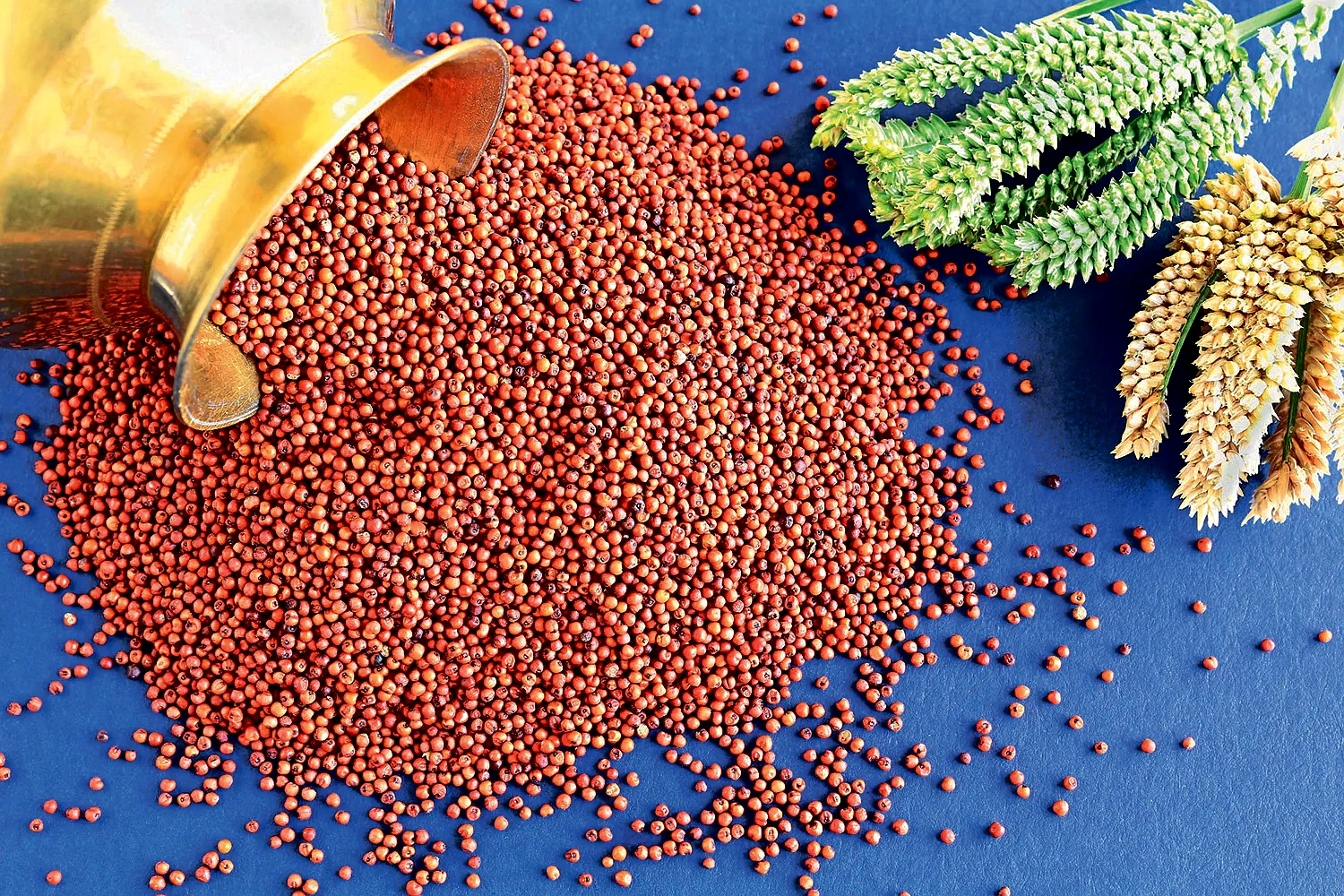
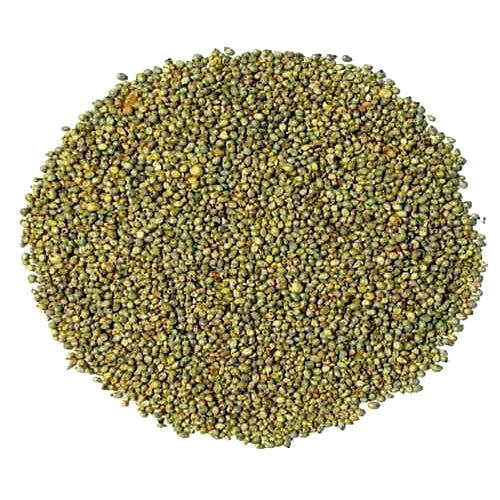
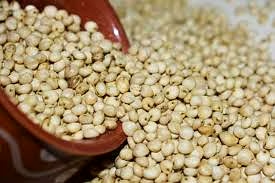
SORGHUM (JOWAR) is a nutrient-dense whole grain known for its high dietary fiber content, which supports digestive health by regulating bowel movements and maintaining cholesterol levels within a healthy range. This grain is also exceptionally rich in antioxidants—3 to 4 times higher compared to other whole grains—making it a powerful natural booster for immunity. SORGHUM is versatile: it is consumed as food in various processed forms such as porridge, flatbreads, and couscous. Beyond human consumption, it serves as an essential fodder resource in the livestock industry and supports biofuel production through its stalks for ethanol manufacturing. Its industrial uses extend to starch extraction and brewing processes. Additionally, being naturally gluten-free, SORGHUM offers an excellent alternative for those with gluten intolerance or celiac disease. The grain’s remarkable drought tolerance allows it to grow efficiently in arid and semi-arid regions, making it vital for sustainable agriculture in water-scarce environments. This combination of health benefits, industrial applications, and environmental adaptability establishes SORGHUM as a critical ingredient for diverse industries and markets.
Key Features
| Features | Description |
|---|---|
| Rich Dietary Fiber | Helps regulate bowel movements and lowers LDL cholesterol levels |
| High Antioxidant Content | Contains 3-4 times more antioxidants than other whole grains, boosting immunity |
| Gluten-Free | Suitable for people with gluten sensitivity and celiac disease |
| Versatile Food Use | Processed into porridge, flatbreads, couscous and other consumables |
| Livestock Feed | Major source of nutritious fodder for animals |
| Biofuel Potential | Sorghum stalks utilized in ethanol production |
| Industrial Applications | Used in starch production, brewing, and other manufacturing processes |
| Drought Tolerance | Thrives in arid and semi-arid environments with limited water supply |
| Attributes | Description |
|---|---|
| Grain Type | Whole Sorghum grains (Jowar) |
| Dietary Fiber Content | High |
| Antioxidant Level | 3 to 4 times higher than other whole grains |
| Gluten Content | Gluten-free |
| Primary Uses | Food, animal feed, biofuel, industrial starch, and brewing |
| Physical Form | Whole grains, processed flour or flakes |
| Cultivation Environment | Arid, semi-arid climates, drought-resistant |
| Nutritional Benefits | Immunity booster, cholesterol management, digestive health |
| Packaging Options | Bulk supply suitable for B2B industry requirements |
*Disclaimer: The above description has been AI-generated and has not been audited or verified for accuracy. It is recommended to verify product details independently before making any purchasing decisions.
Sorghum contains 3 to 4 times more antioxidants than many other whole grains, enhancing its potential as a natural immunity booster.
Yes, Sorghum is naturally gluten-free, making it an excellent grain option to produce gluten-free food products.
Sorghum’s drought tolerance enables it to thrive in arid and semi-arid environments, reducing water requirements compared to other grains.
Sorghum is used in starch production, brewing, and other industrial manufacturing processes, leveraging its biochemical properties.
Yes, Sorghum serves as a major nutritious fodder source for livestock, supporting animal nutrition in agricultural practices.
Brand: native product exports
Country Of Origin: India
SORHGUM is a rich source of dietary fibre which helps regulate bowel movements, lower levels of LDL cholesterol, and keeps the stomach satiated for longer periods post-meals. The amount of antioxidants in Jowar is about 3 to 4 times higher than that of other wholegrains, making it a super immunity booster.
Key Characteristics:
Food Source: Sorghum grains are consumed directly or processed into various forms like porridge, flatbreads, and couscous.
Animal Feed: Sorghum is a major source of fodder for livestock.
Biofuels: Sorghum stalks can be used for ethanol production.
Industrial Uses: Sorghum is used in starch production, brewing, and other industrial applications.
Gluten-Free: Sorghum is naturally gluten-free, making it a good alternative for people with gluten sensitivities.
Drought Tolerance: Sorghum can thrive in arid and semi-arid environments with limited water resources.
Inclusive of all taxes
You Save: 0
Vadodara , India
Manufacturer, Distributor, Exporter, Importer, Wholesaler, Women Entrepreneur, Startup