• Key Features & Attributes
  • Ratings & Reviews
  • Know your Supplier
  • Product description from supplier

COWPEA

Inclusive of all taxes

Cowpea, also known as black-eyed pea, is a highly versatile and drought-resistant legume that serves multiple functions across agricultural sectors. This nutrient-dense crop is rich in protein, dietary fiber, and vital minerals such as iron and potassium, making it an essential food source for human consumption. Cowpea is unique in its ability to produce edible immature pods and leaves as vegetables, while its dried seeds are widely used as grains. Beyond human nutrition, cowpea acts as a vital livestock feed, especially during dry seasons, ensuring sustained animal health in challenging climates. Additionally, it contributes significantly to sustainable farming through its use as green manure and cover crop, enhancing soil fertility and structure naturally. Adaptable to arid and semi-arid climates, cowpea is a strategic crop in sub-Saharan Africa and is seeing rising cultivation globally due to its agronomic and nutritional benefits. Its genetic diversity offers a wide range of varieties tailored for distinct uses, ensuring its status as a multipurpose staple in B2B agricultural markets.

Key Features

Features Description
Nutritional Value High in protein, dietary fiber, iron, and potassium, supporting human health and nutrition.
Versatile Usage Edible immature pods and leaves for vegetables; dried seeds used as grains.
Livestock Feed Provides nutritious feed, especially valuable during dry seasons.
Soil Health Improvement Functions as cover crop and green manure to naturally enrich soil quality.
Drought Resistance Thrives in arid and semi-arid climates, withstanding dry conditions.
Dual-purpose Varieties Certain varieties are suitable for both human food and animal forage.
Genetic Diversity Wide range of growth habits, leaf shapes, and seed traits suiting various agricultural needs.
Global Cultivation Importance Major crop in sub-Saharan Africa with expanding production worldwide.
Attributes Description
Scientific Name Vigna unguiculata
Common Names Cowpea, Black-eyed pea
Plant Type Annual legume
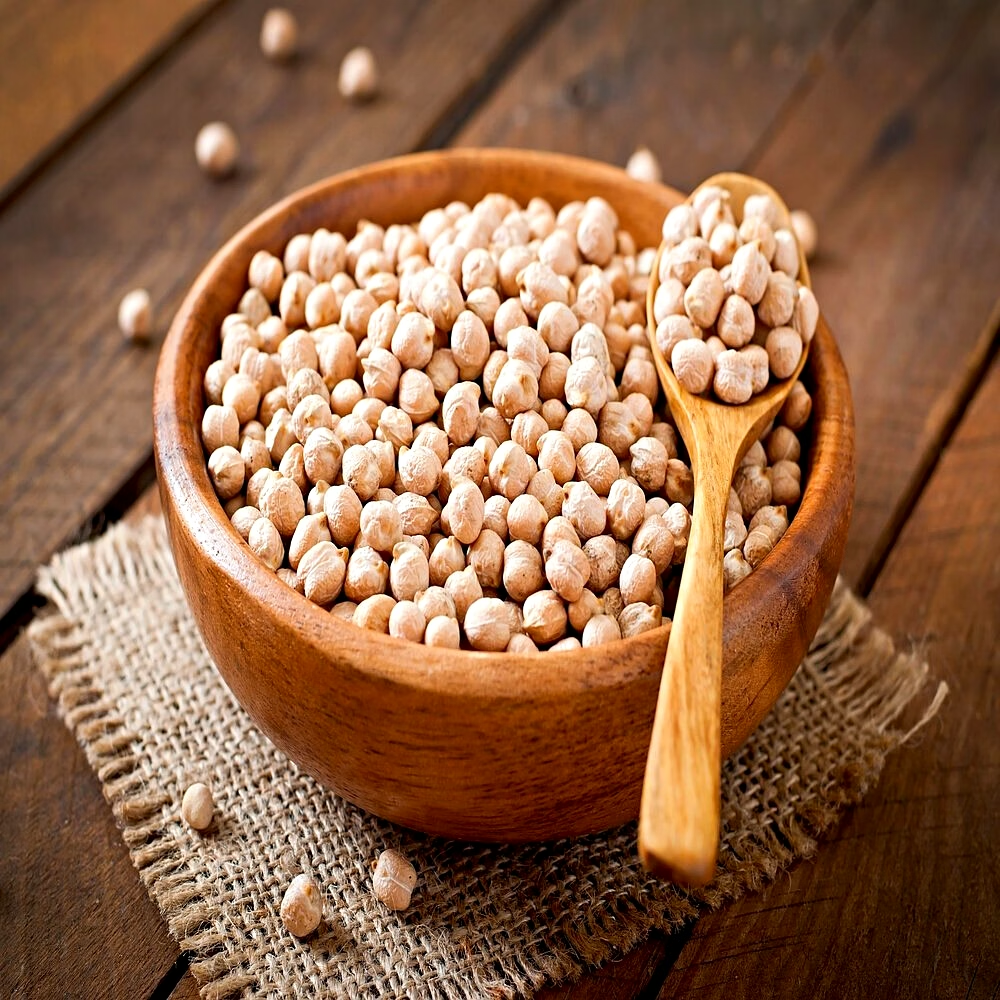
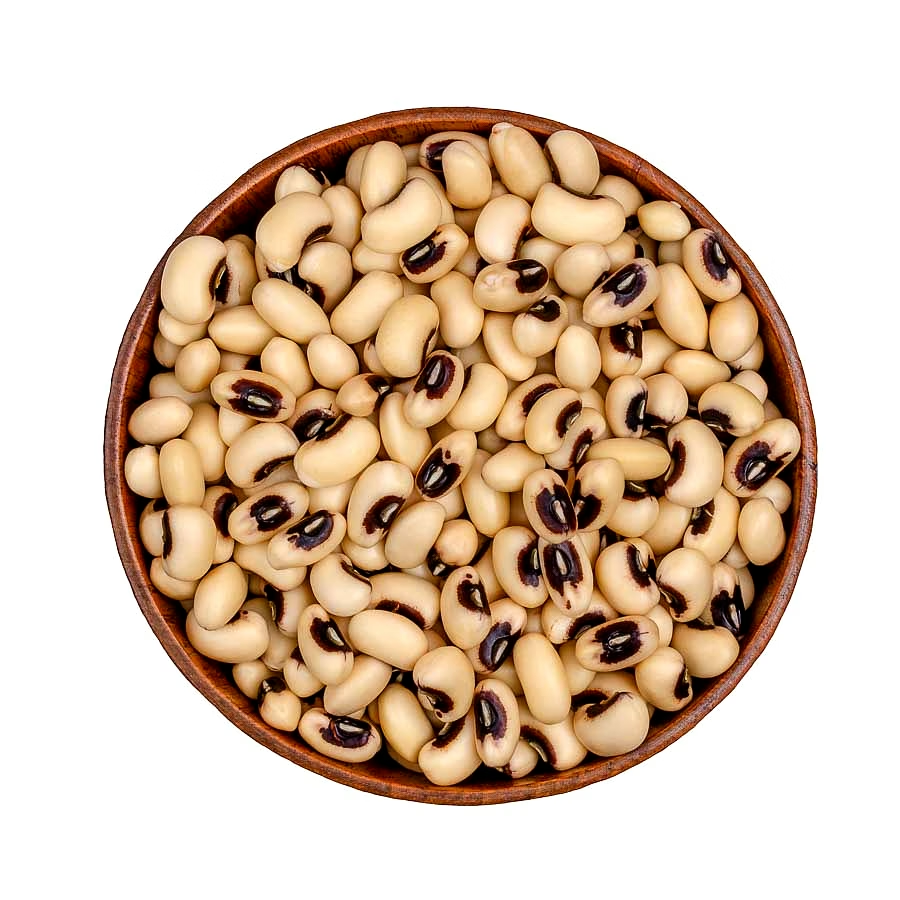
Seed Color Typically cream with black eye markings, varies by variety
Growth Habit Bush or climbing varieties available
Climate Adaptability Tolerates arid, semi-arid, and tropical climates
Soil Requirements Well-drained soils with moderate fertility
Harvest Time Varies by cultivar, generally 60 to 90 days after planting
Primary Uses Human consumption, animal feed, soil enhancement
Nutritional Components Protein (approx. 23-25%), fiber, iron, potassium

*Disclaimer: The above description has been AI-generated and has not been audited or verified for accuracy. It is recommended to verify product details independently before making any purchasing decisions.

Be the first to write a review

Cowpea acts as a green manure and cover crop, fixing atmospheric nitrogen through symbiosis with Rhizobium bacteria, enhancing soil nitrogen levels and organic matter content, which improves soil fertility naturally without synthetic fertilizers.

Cowpea’s deep root system and physiological adaptations enable it to tolerate low moisture conditions, making it resilient in arid and semi-arid environments where other crops might fail, thus ensuring crop productivity under drought stress.

Certain bush-type cowpea varieties produce tender edible pods and leaves suitable for human consumption, while their stems and foliage serve efficiently as high-protein fodder for livestock, facilitating dual-purpose farming systems.

Cowpea seeds contain approximately 23-25% protein, which is comparable to many common legumes, making it a valuable protein source in both human diets and animal nutrition.

Yes, due to its nitrogen-fixing ability and soil-improving properties, cowpea fits well in crop rotation, reducing dependency on chemical fertilizers and improving subsequent crop yields.

  • Incorporation Type

  • GST

  • GST Registration Date

  • Number of Employees

  • Import Export Code (IEC)

  • Year of Establishment

  • Nature of Business

  • GlobalLinker Member Since

Brand: native product exports

Country Of Origin: India

Cowpea, also known as black-eyed pea, is a versatile legume with multiple uses, including human food, animal feed, green manure, and forage. It is a nutritious crop, rich in protein, fiber, and essential minerals like iron and potassium. Cowpea is drought-resistant and can thrive in various climates, making it a valuable crop in many regions, especially in sub-Saharan Africa. 

Key Features:

Nutritious: Cowpea is a good source of protein, fiber, and essential minerals.

Versatile: It can be consumed as a vegetable (immature pods and leaves) and as a grain (dried seeds).

Feed Source: Cowpea is a valuable feed for livestock, particularly during dry seasons.

Soil Improvement: Cowpea can be used as a cover crop and green manure, improving soil health.

Drought-resistant: It can tolerate dry conditions and is well-suited to arid and semi-arid regions.

Dual-purpose: Some varieties can be used for both human consumption (pods) and animal feed (stems and leaves).

Diverse Varieties: Cowpea exhibits significant genetic diversity, with various growth habits, leaf shapes, and seed characteristics.

Global Importance: It's a major crop in sub-Saharan Africa, with increasing production in other parts of the world. 


Food And Beverage

Cereals; Pulses And Food Grains

native product exports

Cowpea

Black-eyed Pea

Drought-resistant Legume

Protein-rich Legume

Livestock Feed Cowpea

Green Manure Crop

Sustainable Agriculture

Sub-Saharan Africa Legume

Cover Crop Cowpea

COWPEA

Inclusive of all taxes

You Save: 0

Send Inquiry
native product exports

Vadodara , India

Manufacturer, Distributor, Exporter, Importer, Wholesaler, Women Entrepreneur, Startup

  • Secure
    Transaction

  • Free
    Delivery

  • Day
    Dispatch

Report a problem with this product