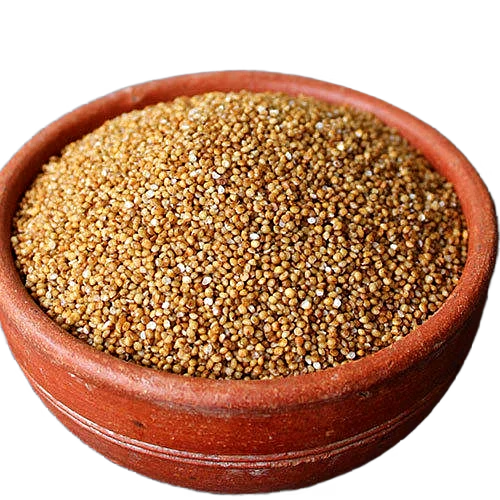
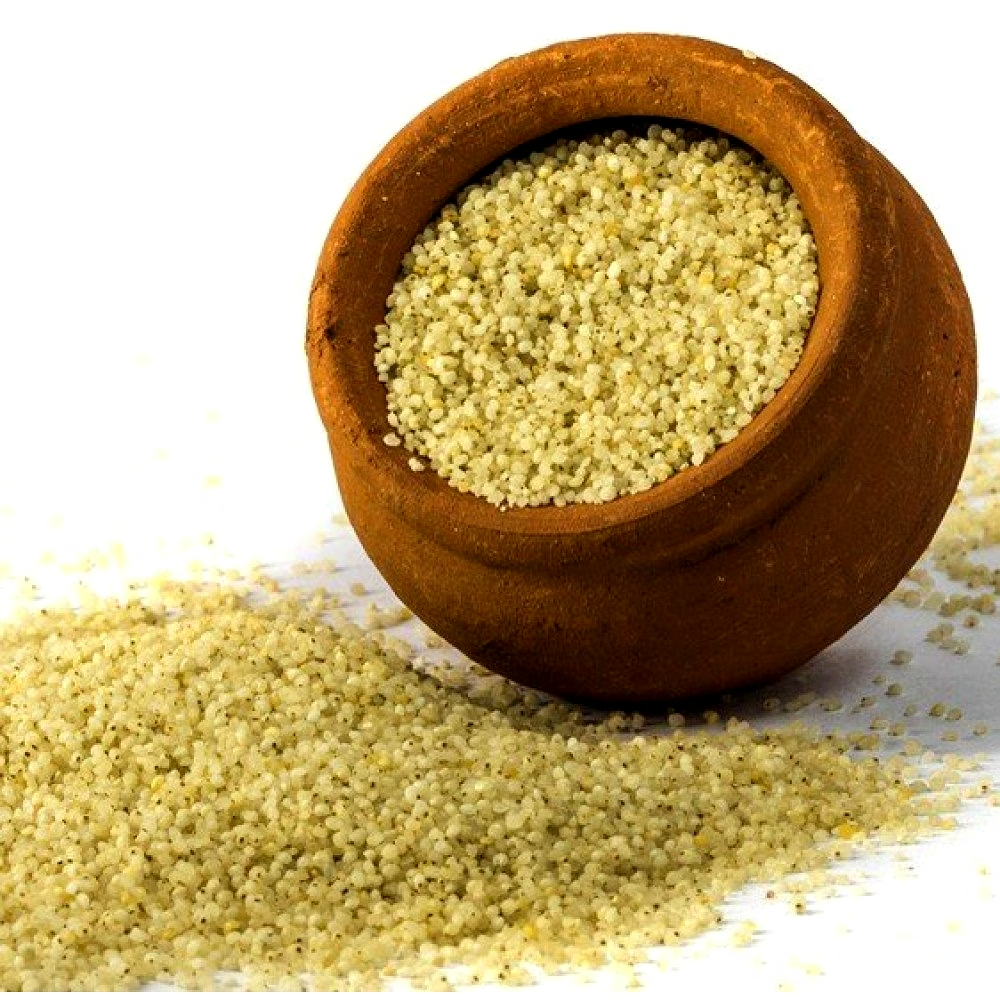
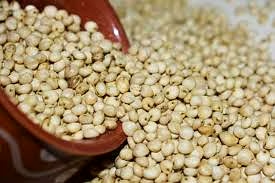
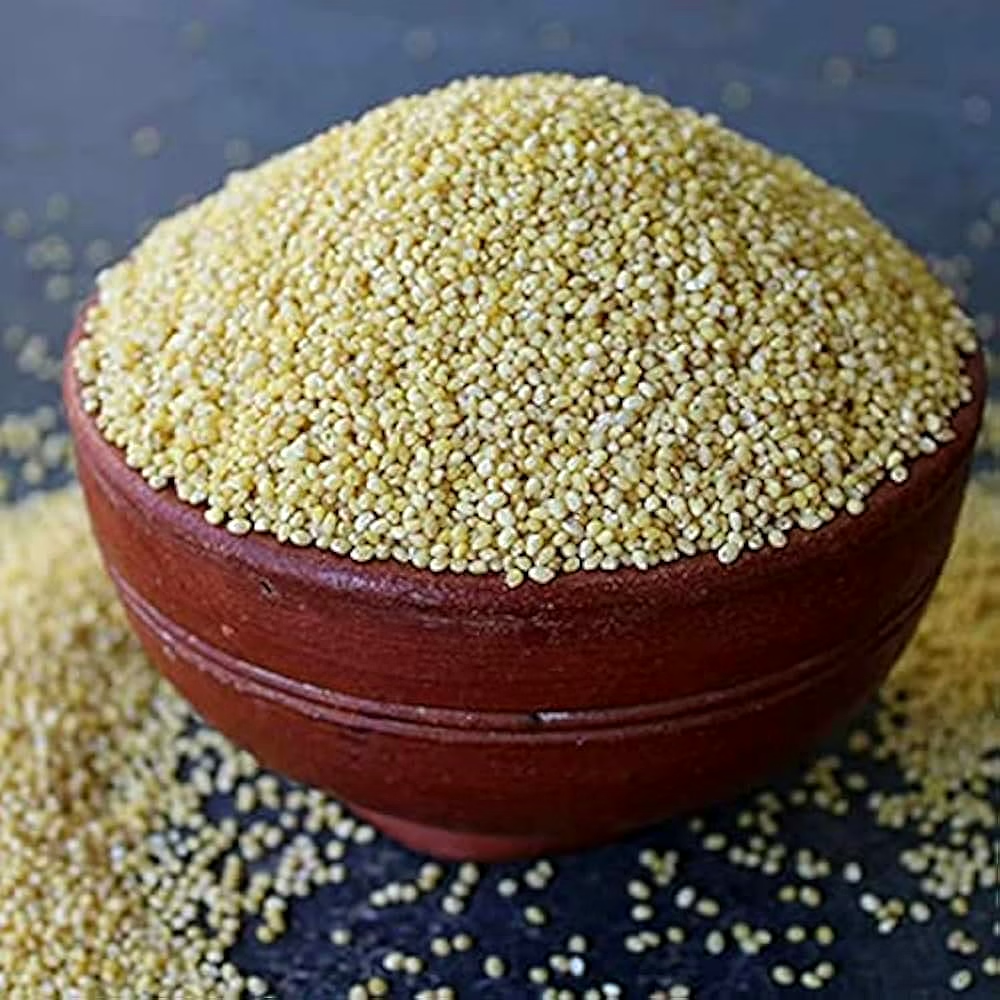
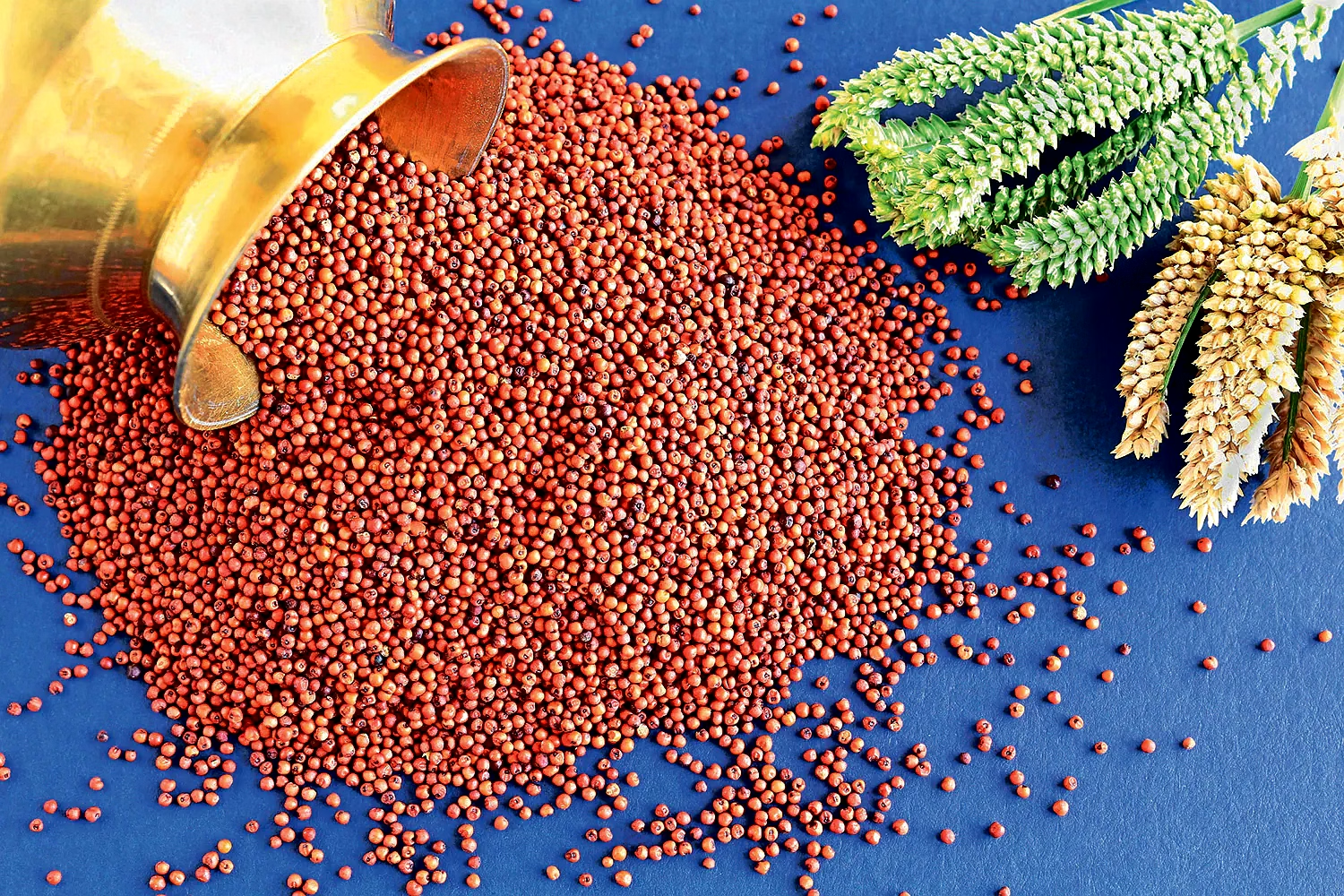
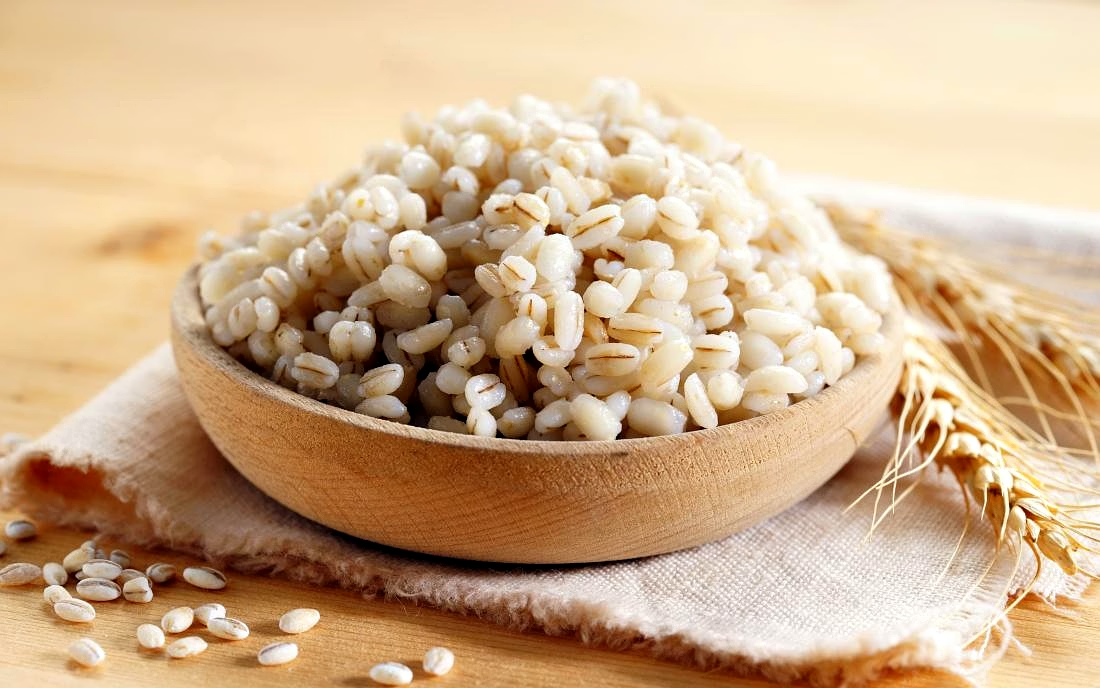
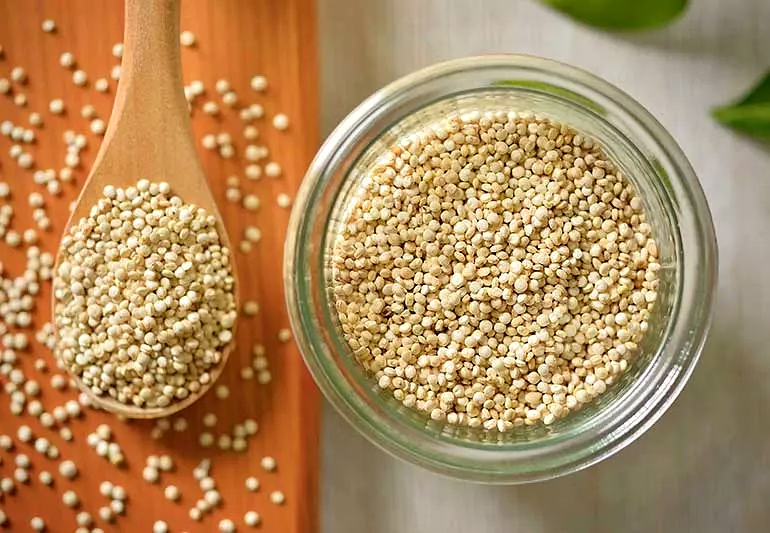
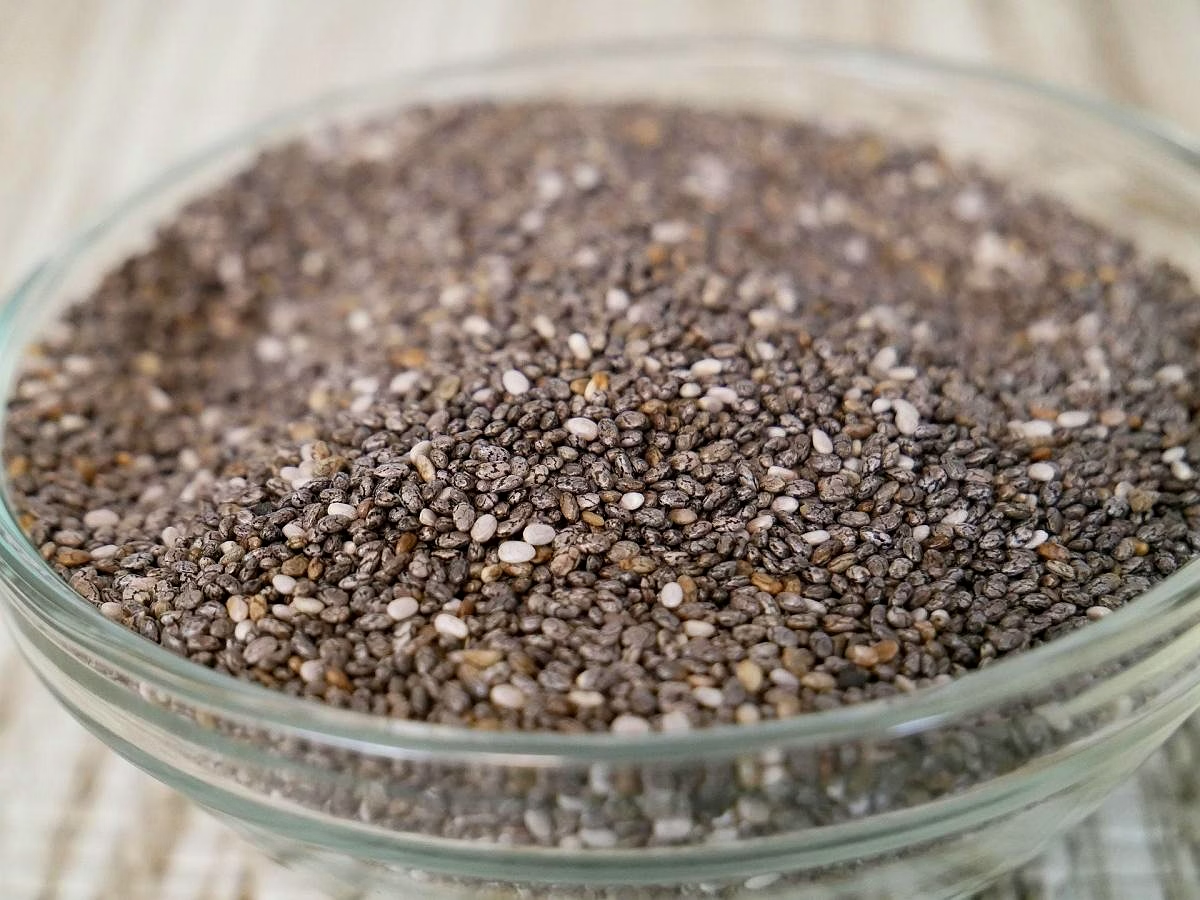
Pearl millet, also known as bajra, is a nutrient-dense grain valued for its extensive health benefits and agricultural sustainability. This specific variety of pearl millet is prized for its high content of protein, dietary fiber, and vital minerals such as iron, magnesium, phosphorus, and zinc. Suitable for gluten-sensitive individuals, it offers a versatile ingredient for various culinary applications including the production of traditional flatbreads like roti and bhakri, porridge, and baked goods. Beyond its nutritional profile, pearl millet is particularly drought-resistant, thriving in arid conditions with minimal water requirements, making it an ideal cereal for sustainable farming practices. It supports heart health, enhances digestion, and helps regulate blood sugar levels, promoting overall wellness and weight management. Used widely across human diets and animal feed, this grain is fundamental in traditional cuisines, especially in western Indian regions, serving both food security and economic functions. Its combination of health benefits, adaptability, and sustainability positions it as a strategic choice for businesses engaged in food production, health food supply, and agriculture.
Key Features
| Features | Description |
|---|---|
| High Nutritional Value | Rich in protein, dietary fiber, and essential minerals such as iron, magnesium, phosphorus, and zinc |
| Gluten-Free | Safe for individuals with gluten intolerance or celiac disease |
| Culinary Versatility | Can be milled into flour for flatbreads, porridge, and baked products |
| Health Benefits | Supports blood sugar regulation, heart health, improved digestion, and weight management |
| Agricultural Resilience | Drought-resistant and thrives in low rainfall conditions |
| Sustainability | Requires less water and fewer resources compared to conventional grains |
| Dual Usage | Suitable for both human consumption and as animal feed |
| Traditional Importance | Key staple grain in western Indian cuisines and traditional food systems |
| Attributes | Description |
|---|---|
| Scientific Name | Pennisetum glaucum |
| Grain Type | Cereal Grain |
| Protein Content | Approximately 11-12% |
| Fiber Content | High dietary fiber |
| Minerals | Rich in Iron, Magnesium, Phosphorus, Zinc |
| Gluten Content | Gluten-free |
| Forms Available | Whole grain, Flour |
| Typical Applications | Flour for flatbreads, porridge, baked goods, animal feed |
| Growing Conditions | Drought-resistant, thrives in arid and semi-arid regions |
| Shelf Life | 12-18 months when stored properly in a cool, dry place |
*Disclaimer: The above description has been AI-generated and has not been audited or verified for accuracy. It is recommended to verify product details independently before making any purchasing decisions.
This pearl millet is naturally gluten-free, making it an excellent grain choice for companies producing gluten-free foods targeted at individuals with gluten sensitivities or celiac disease.
Yes, the pearl millet can be ground into fine flour suitable for baking traditional flatbreads, porridges, or incorporating into diverse baked goods, supporting product diversification.
Pearl millet’s drought resistance means it requires significantly less water and is less vulnerable to dry spells, reducing irrigation demands and conserving resources in farming operations.
Yes, this millet is widely used as a staple food in human diet and can also serve as a nutritious ingredient in high-quality animal feed formulations.
When stored in a cool, dry environment with proper moisture control, pearl millet maintains quality for 12-18 months, ensuring ample shelf life for bulk commercial use.
Brand: native product exports
Country Of Origin: India
Pearl millet (bajra) offers numerous health benefits due to its rich nutritional profile. It is a good source of protein, fiber, and essential minerals like iron, magnesium, and phosphorus. These nutrients contribute to various health benefits, including improved blood sugar control, better digestion, and a reduced risk of heart disease and certain cancers.
Key Features:
Nutrient-rich: High in fiber, protein, and minerals like magnesium, iron, and zinc.
Gluten-free: A good option for those with gluten sensitivities or celiac disease.
Versatile: Can be ground into flour for flatbreads (roti, bhakri), porridge, or used in baked goods.
Health benefits: May aid in weight management, improve blood sugar levels, and promote heart and digestive health.
Drought-resistant: Can grow in challenging environments with limited rainfall.
Sustainable: Requires less water and resources than other grains.
Widely consumed: Used for human food and also as animal feed.
Traditional staple: A core component of traditional cuisines, especially in western India.
Inclusive of all taxes
You Save: 0
Vadodara , India
Manufacturer, Distributor, Exporter, Importer, Wholesaler, Women Entrepreneur, Startup