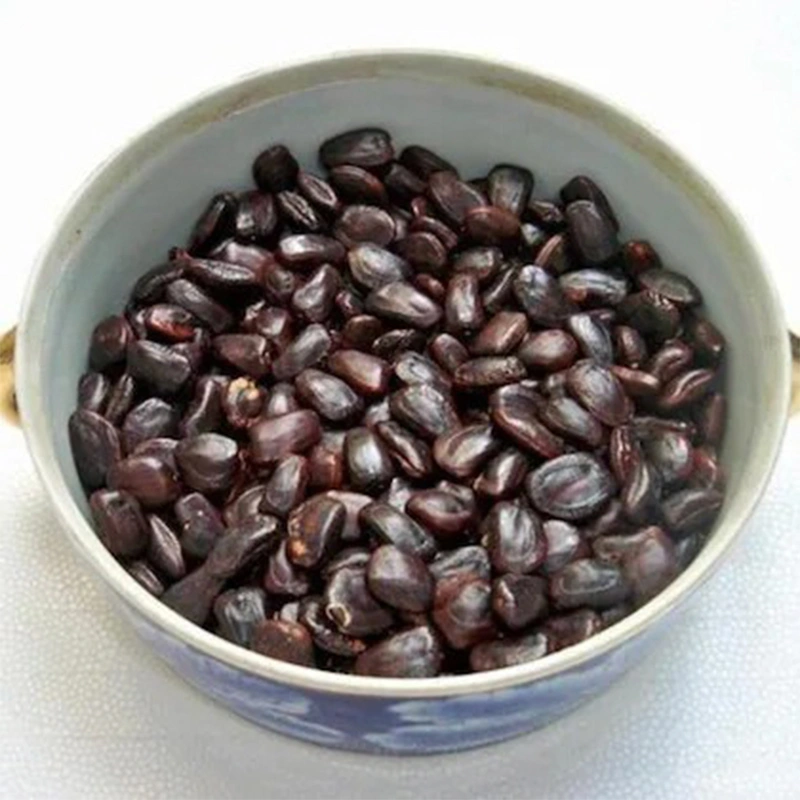
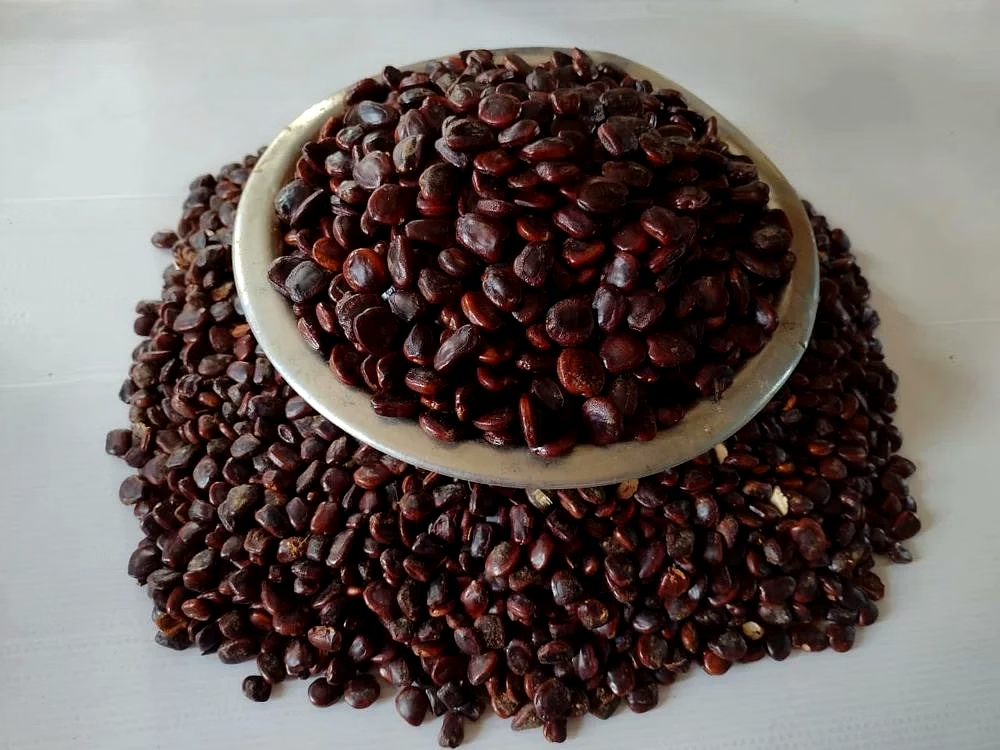
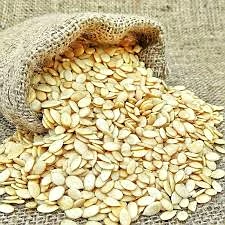
Watermelon seeds are a nutrient-dense byproduct of watermelon consumption, valued for their high protein content and rich nutritional profile. These seeds serve as an excellent source of plant-based protein, healthy mono- and polyunsaturated fats, essential minerals such as zinc, magnesium, and iron, and B-complex vitamins including thiamine, riboflavin, and niacin. Beyond basic nutrition, watermelon seeds are enriched with bioactive compounds like antioxidants, phenolic acids, and flavonoids that impart antioxidant, anti-inflammatory, and antimicrobial properties. These characteristics make watermelon seeds ideal for incorporation into health-focused food formulations, dietary supplements, and natural health products. Roasted watermelon seeds provide a wholesome, crunchy snack option for health-conscious consumers and can also be ground into flour to enhance the protein and mineral content of bakery and snack items. Their potential health benefits include cardioprotection, blood sugar regulation, and immune support, positioning watermelon seeds as multifunctional ingredients for the nutraceutical and functional food industries.
Key Features
| Features | Description |
|---|---|
| High Protein Content | Provides a rich source of plant-based protein suitable for protein-enriched food products and supplements. |
| Healthy Fats | Contains monounsaturated and polyunsaturated fatty acids beneficial for cardiovascular health. |
| Essential Minerals | Rich in zinc, magnesium, and iron supporting metabolic and immune functions. |
| B Vitamins | Includes thiamine, riboflavin, and niacin which are vital for energy metabolism. |
| Bioactive Compounds | Loaded with antioxidants, phenolic acids, and flavonoids contributing to anti-inflammatory and antimicrobial effects. |
| Versatile Usage | Suitable for roasting as snacks or as an ingredient in health foods, supplements, and bakery products. |
| Health Benefits | Potential cardioprotective, anti-diabetic, and immune-supporting properties. |
| Attributes | Description |
|---|---|
| Source | 100% natural watermelon seeds derived from premium watermelons. |
| Processing | Cleaned and optionally roasted; available raw or roasted forms. |
| Protein Content | Approx. 30% by weight. |
| Fat Content | Approximately 50% healthy fats including monounsaturated and polyunsaturated fats. |
| Minerals | Contains zinc, magnesium, iron in significant quantities. |
| Vitamins | Includes B-complex vitamins (thiamine, riboflavin, niacin). |
| Shelf Life | 12 months when stored in a cool, dry place. |
| Packaging Options | Available in bulk bags, retail packs, and customized packaging solutions. |
| Intended Use | Food ingredient, health supplement component, snack product. |
*Disclaimer: The above description has been AI-generated and has not been audited or verified for accuracy. It is recommended to verify product details independently before making any purchasing decisions.
Watermelon seeds contain approximately 30% high-quality plant-based protein, making them an excellent ingredient to boost the protein content in food and supplement products, catering to the growing demand for vegetarian and vegan protein alternatives.
Yes, the monounsaturated and polyunsaturated fats in watermelon seeds are stable when properly processed and stored, ensuring that their health benefits are retained in food products like snacks, baked goods, and nutritional bars.
Due to their antioxidant, anti-inflammatory, and antimicrobial bioactive compounds, watermelon seeds are increasingly incorporated into functional foods aimed at heart health, blood sugar management, and immune support.
Watermelon seeds are offered in raw, hulled, and roasted forms, providing flexibility for manufacturers to use them as snacks, ground flour, or ingredients in various processed food applications.
To preserve freshness, flavor, and nutritional quality, watermelon seeds should be stored in cool, dry conditions away from direct sunlight, with an optimal shelf life of up to 12 months.
Country Of Origin: India
Watermelon seeds are a nutrient-rich byproduct of watermelon consumption, often overlooked but packed with protein, healthy fats, vitamins, and minerals. They are also a source of bioactive compounds with potential health benefits, including antioxidant, anti-inflammatory, and antimicrobial properties. Watermelon seeds can be enjoyed as a snack when roasted or incorporated into various food products as a source of protein and healthy fats.
Nutritional Value:
Protein:
Watermelon seeds are a good source of protein, making them a potential ingredient for protein-rich food products.
Healthy Fats:
They contain beneficial monounsaturated and polyunsaturated fatty acids, which are important for heart health.
Minerals:
Watermelon seeds are a source of minerals like zinc, magnesium, and iron, supporting various bodily functions.
Vitamins:
They also provide vitamins like thiamine, riboflavin, and niacin.
Bioactive Compounds:
Watermelon seeds contain antioxidants, phenolic acids, flavonoids,
Benefits:
Antioxidant: They can help protect against cell damage caused by free radicals.
Anti-inflammatory: May help reduce inflammation in the body.
Antimicrobial: Can inhibit the growth of certain bacteria.
Cardioprotective: May help protect against heart disease.
Anti-diabetic: May help regulate blood sugar levels.
Inclusive of all taxes
You Save: 0
Vadodara , India
Manufacturer, Distributor, Exporter, Importer, Wholesaler, Women Entrepreneur, Startup