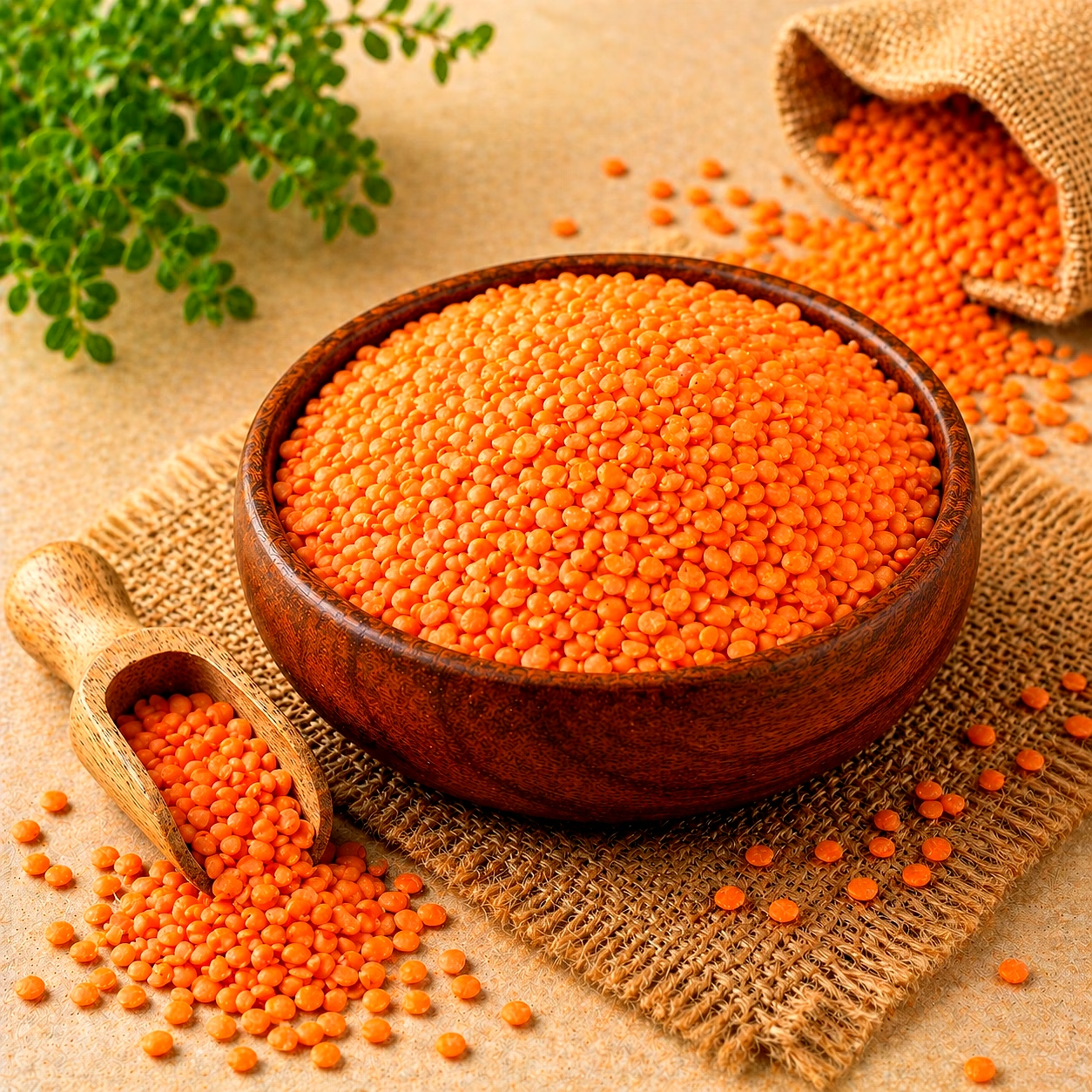
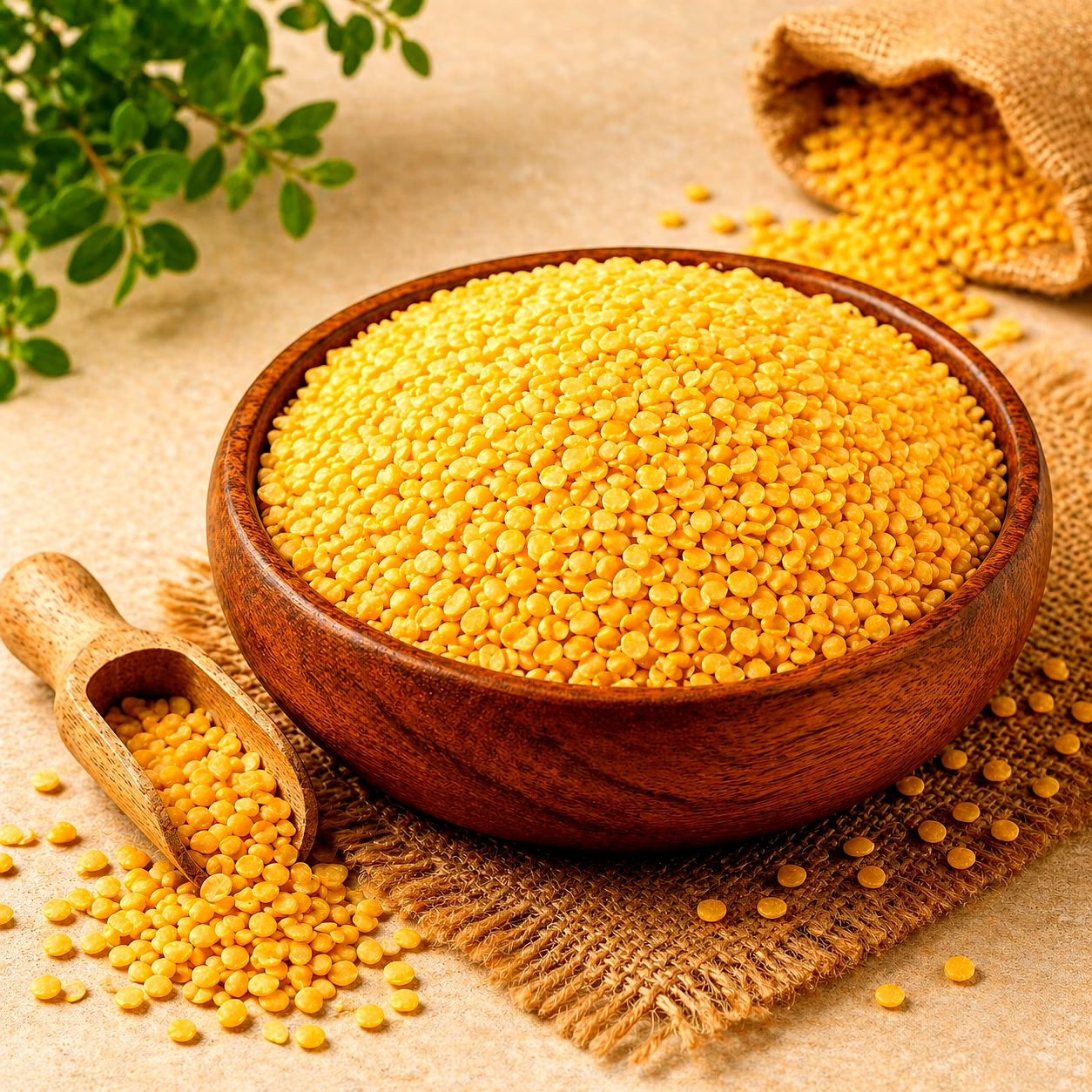
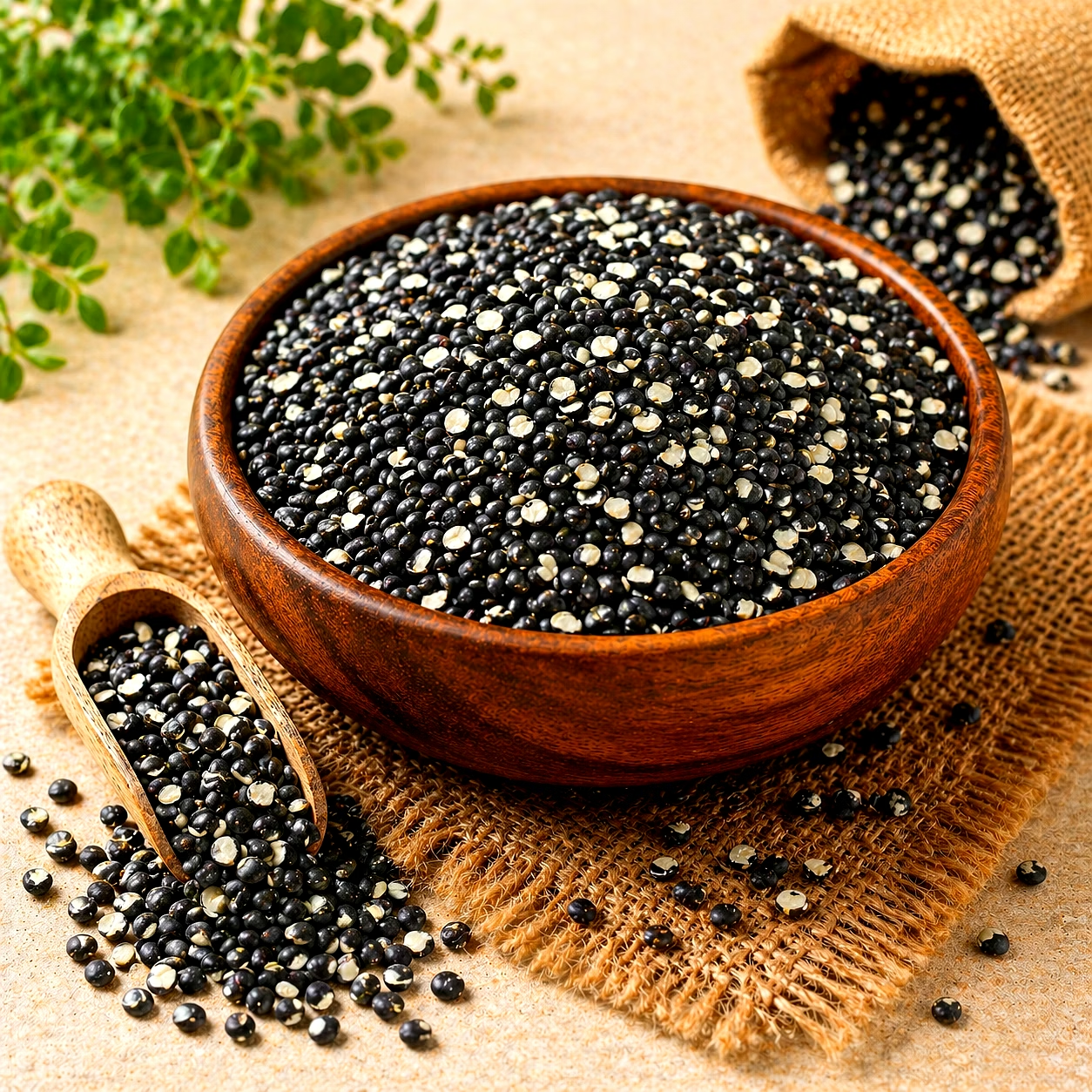
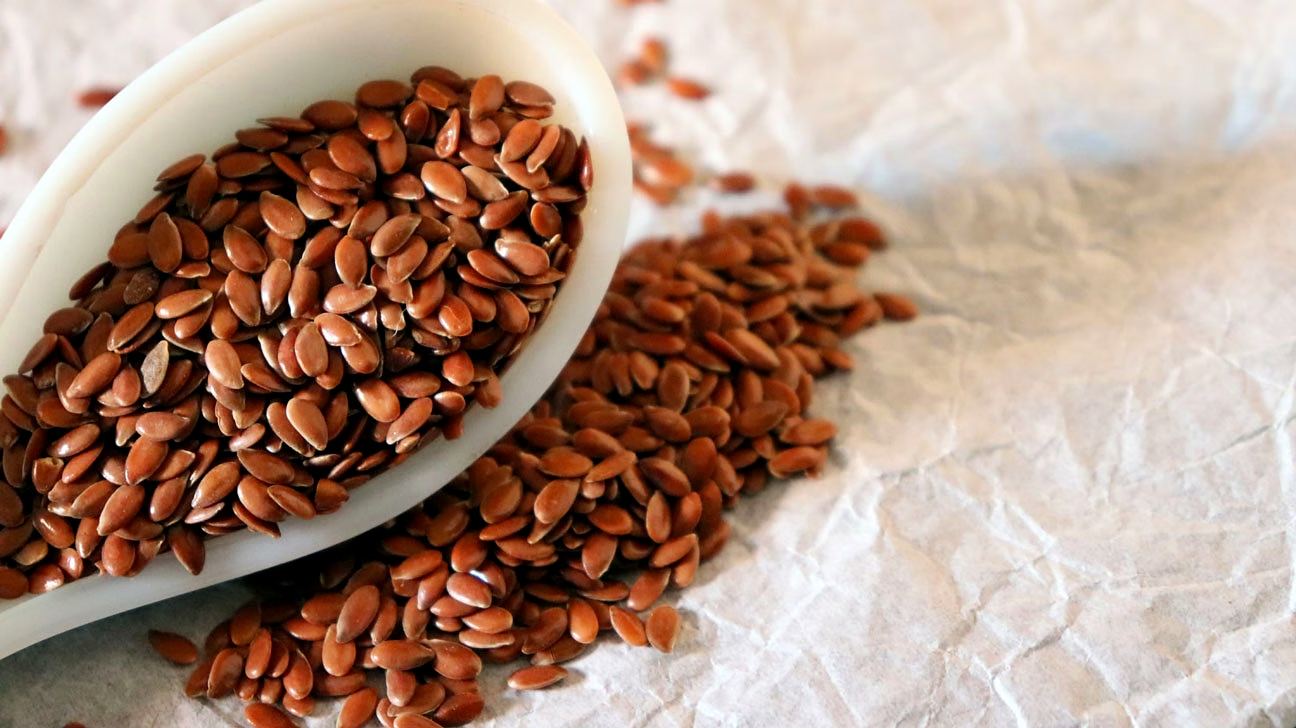
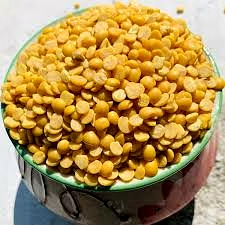
Red lentils, offered as whole or split varieties, are wholesome legumes celebrated for their nutritional richness and culinary versatility. Whole red lentils, retaining their skin, present a firm texture and nutty flavor, making them ideal for recipes that require structure and bite, such as lentil salads or robust stews. In contrast, split red lentils have their skin removed and are halved, resulting in quicker cooking times and a mild, soft texture perfect for purees, dals, soups, and thickening dishes. Both variants are powerhouse sources of plant-based protein, dietary fiber, iron, and essential vitamins, contributing significantly to heart health, digestion, and immunity. Their naturally gluten-free and non-GMO profile further enhances their appeal for health-conscious food manufacturers and chefs. Sourced predominantly from India, these lentils are integral to an array of ethnic cuisines and food processing applications.
Key Features
| Features | Description |
|---|---|
| Variety | Available as Whole Red Lentils and Split Red Lentils |
| Texture | Whole lentils have a firm, nutty texture; split lentils have a soft, mild texture |
| Cooking Time | Whole lentils require longer cooking; split lentils cook faster |
| Nutritional Content | High in protein, dietary fiber, iron, and essential vitamins |
| Health Benefits | Aids weight management, boosts immunity, improves digestion, supports heart health |
| Gluten-Free | Naturally gluten-free, suitable for gluten intolerance |
| GMO Status | Typically non-GMO |
| Culinary Uses | Used in soups, stews, curries, salads, and dhal across various cuisines |
| Origin | Predominantly sourced from India |
| Attributes | Description |
|---|---|
| Type | Whole or Split Red Lentils |
| Color | Orange to reddish hues |
| Size | Whole lentils approx. 4-5 mm diameter; split lentils approximately half the size |
| Shelf Life | 12-18 months when stored properly in a cool, dry place |
| Protein Content | Approximately 25% protein by weight |
| Fiber Content | Around 11 grams of fiber per 100 grams |
| Iron Content | Approximately 7 mg of iron per 100 grams |
| Moisture Content | Less than 14% |
| Packaging | Available in bulk bags, food-grade packaging suitable for industrial use |
| Compliance | Meets food safety standards and non-GMO certification |
*Disclaimer: The above description has been AI-generated and has not been audited or verified for accuracy. It is recommended to verify product details independently before making any purchasing decisions.
Whole red lentils have a firm texture suitable for dishes needing lentils that hold shape, such as salads or stews, while split red lentils cook faster and dissolve more easily, making them ideal for dals, thickened soups, and curries.
Yes, these red lentils are typically non-GMO and meet non-GMO certification standards, making them suitable for manufacturers with strict ingredient sourcing policies.
Both whole and split red lentils provide similar high levels of protein, fiber, iron, and vitamins, but the split lentils' processing removes the skin, which can slightly affect fiber content and cooking properties.
These red lentils have a shelf life of 12 to 18 months when stored in cool, dry conditions and maintained in sealed, food-grade packaging suitable for bulk logistics.
Yes, red lentils are naturally gluten-free and ideal for incorporation into gluten-free recipes and products, catering to consumers with gluten intolerance or celiac disease.
Brand: native product exports
Country Of Origin: India
Red lentils, available as whole or split, are a nutritious and versatile legume. Whole red lentils have a nutty flavor and firm texture, while split red lentils are quicker to cook with a mild flavor and soft texture. Both are excellent sources of protein, fiber, and iron, and are commonly used in soups, stews, and curries.
Whole Red Lentils:
Description: The least processed form of red lentils, with a slightly nutty flavor and firm texture.
Cooking Time: Typically require longer cooking time than split lentils.
Uses: Good for dishes where a firmer texture is desired, like lentil salads or hearty stews.
Split Red Lentils:
Description: Skin removed and split in half, resulting in a mild flavor and soft texture.
Cooking Time: Cook much faster than whole lentils due to their reduced density.
Uses: Ideal for thickening soups and stews, or making curries and dhal.
Common Characteristics of both:
Nutritional Value: Excellent source of protein, fiber, iron, and various vitamins and minerals.
Health Benefits: May help with weight management, boost immunity, improve digestion, and protect the heart.
Gluten-Free: Naturally gluten-free, making them suitable for individuals with gluten intolerance.
Versatile: Can be used in a wide range of dishes across various cuisines.
GMO-Free: Typically non-GMO.
Origin: Often sourced from India
Inclusive of all taxes
You Save: 0
Vadodara , India
Manufacturer, Distributor, Exporter, Importer, Wholesaler, Women Entrepreneur, Startup