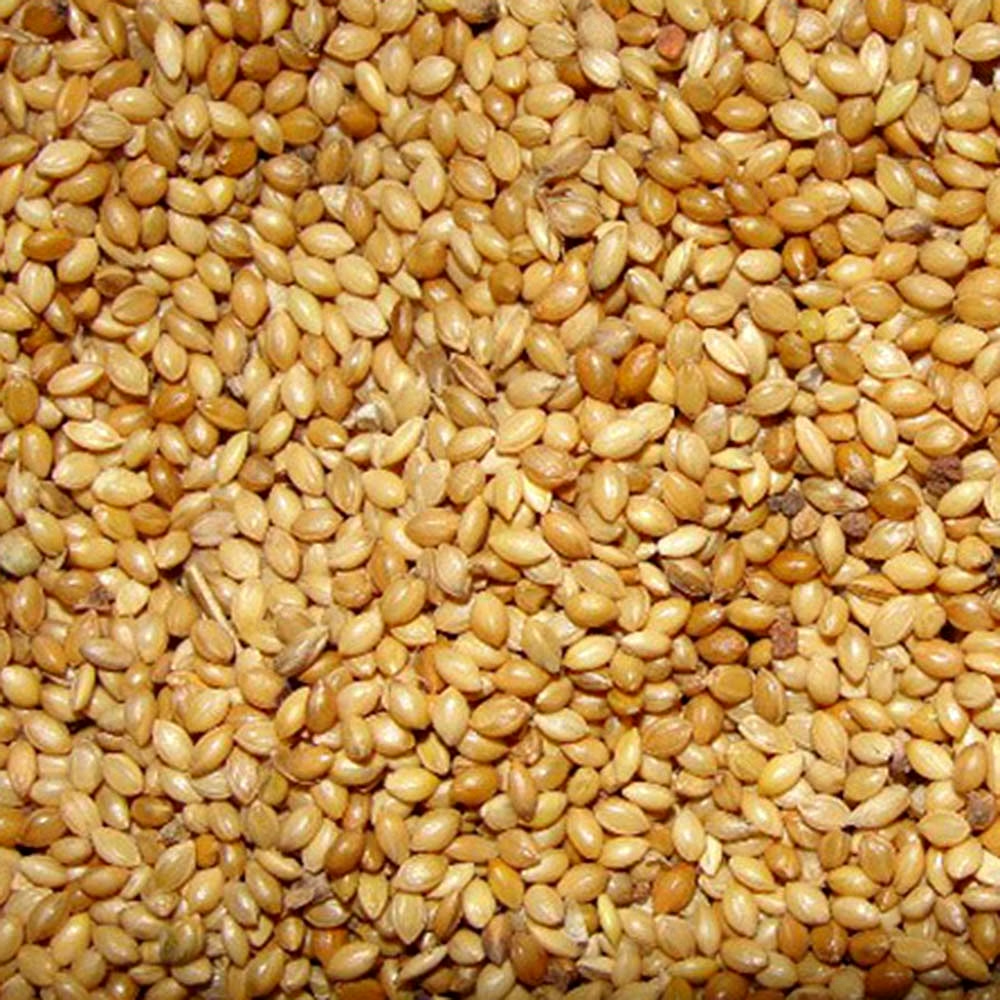
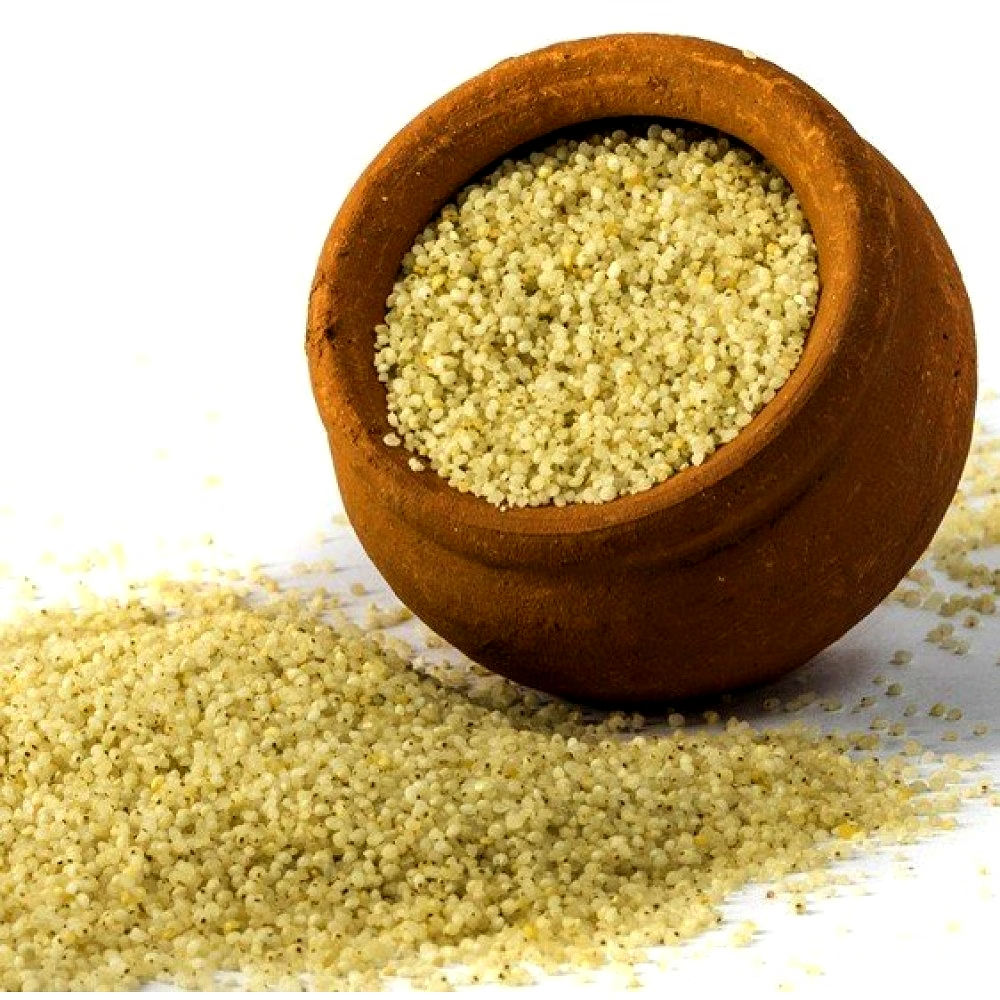
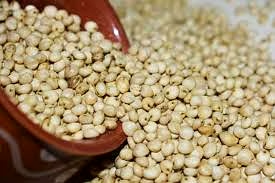
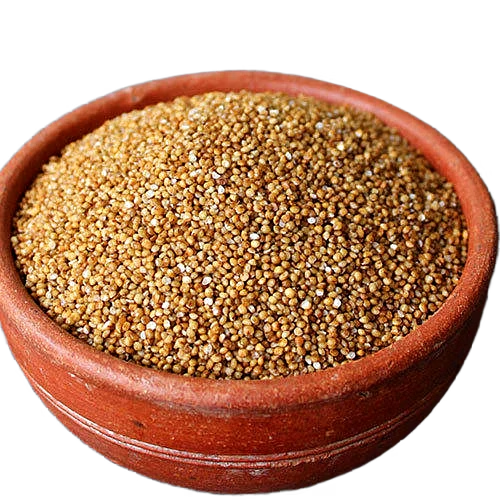
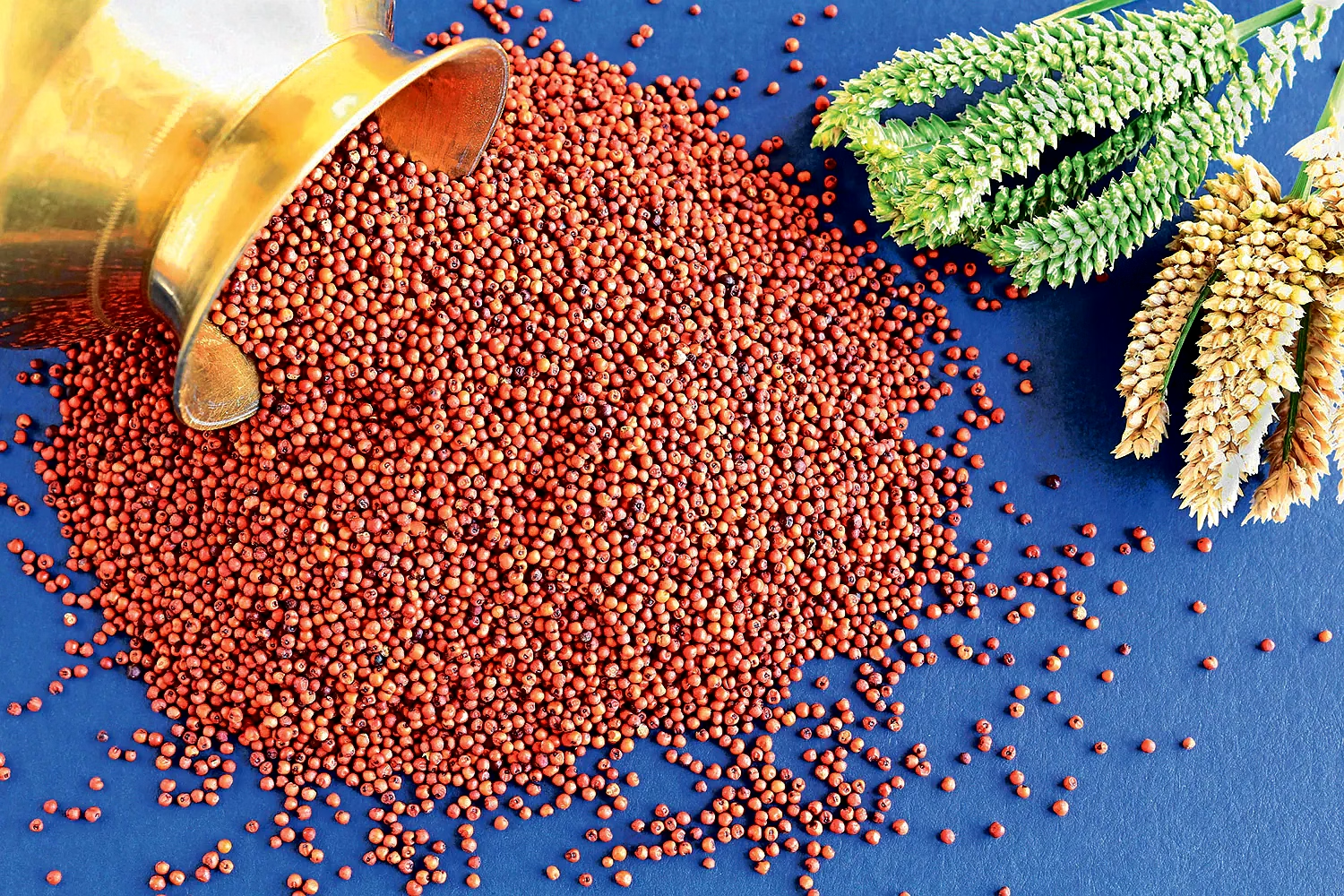
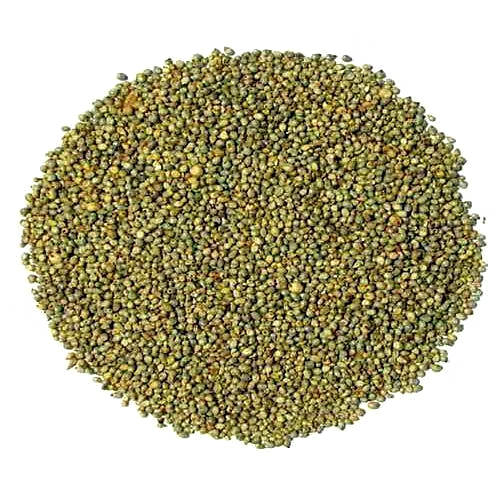
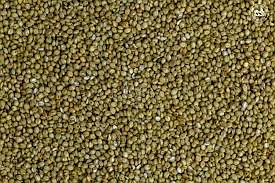
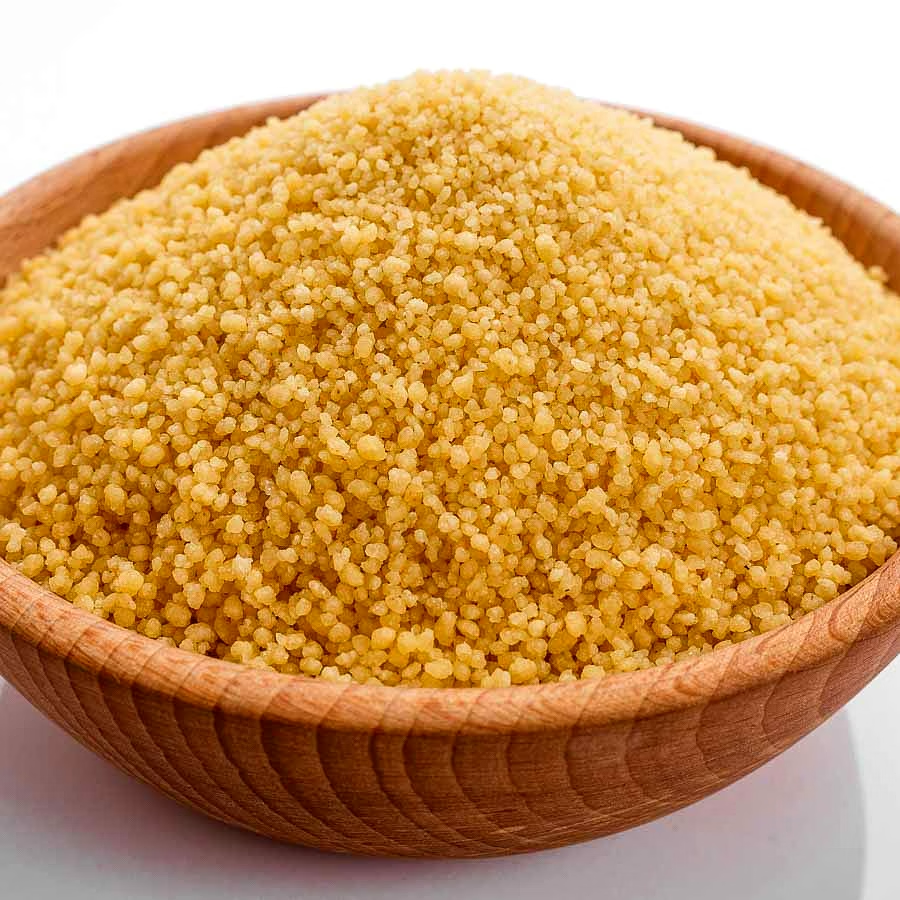
Little millet, also known by names such as Kutki, Saame, Samalu, or Samai, is a nutrient-dense cereal grain valued for its rich protein, dietary fiber, and essential minerals including calcium, iron, and magnesium. This gluten-free millet is an excellent choice for businesses targeting health-conscious consumers and those with gluten sensitivities. Little millet supports digestive health through its high fiber content, aids in weight management, and helps regulate blood sugar levels, making it ideal for diabetic-friendly product ranges. Its antioxidant and phytonutrient content further promotes heart health and overall wellness. Moreover, little millet is sustainable to cultivate, requiring significantly less water and resources compared to staples like rice and wheat. It is versatile in culinary applications and can be used as a substitute for rice or integrated into a variety of traditional and modern recipes such as kichdi, dosa, and salads. This makes little millet an attractive ingredient choice for wholesalers, food manufacturers, and health food retailers seeking natural, eco-friendly, and health-promoting grains to enhance their product offerings.
Key Features
| Features | Description |
|---|---|
| Nutrient-Rich | High in protein, dietary fiber, calcium, iron, and magnesium |
| Gluten-Free | Naturally free from gluten, suitable for gluten-sensitive and celiac consumers |
| Digestive Health | High fiber content promotes healthy digestion and aids weight management |
| Sustained Energy | Provides steady energy release due to fiber content |
| Versatile Usage | Can be cooked like rice and used in dishes such as kichdi, dosa, and salads |
| Sustainable Crop | Requires less water and fewer resources compared to rice and wheat |
| Antioxidant Properties | Contains antioxidants and phytonutrients that support heart health |
| Diabetic-Friendly | Helps regulate blood sugar, suitable for diabetic-friendly formulations |
| Attributes | Description |
|---|---|
| Scientific Name | Panicum sumatrense |
| Grain Type | Whole grain millet |
| Color | Light brown to cream |
| Protein Content | Approximately 7-8% |
| Dietary Fiber | Around 7-9 grams per 100 grams |
| Calcium Content | Approximately 17 mg per 100 grams |
| Iron Content | Approximately 9 mg per 100 grams |
| Gluten Content | Gluten-free |
| Moisture Content | Below 12% recommended for storage |
| Shelf Life | Typically 12 months when stored properly |
*Disclaimer: The above description has been AI-generated and has not been audited or verified for accuracy. It is recommended to verify product details independently before making any purchasing decisions.
Little millet helps regulate blood sugar levels due to its high dietary fiber content and low glycemic index, making it an excellent ingredient for diabetic-friendly food formulations.
Little millet requires significantly less water and fewer agricultural inputs than rice and wheat, making it a more sustainable and eco-friendly crop suitable for eco-conscious product lines.
Yes, little millet can be cooked similarly to rice and used in numerous dishes such as kichdi, dosas, and salads, making it a versatile alternative in food manufacturing and culinary applications.
To ensure the best shelf life, little millet should be stored in a cool, dry place with moisture content below 12%, keeping it fresh up to 12 months.
Absolutely, little millet is naturally gluten-free and safe for individuals with gluten intolerance or celiac disease.
Brand: native product exports
Country Of Origin: India
Little millet offers numerous health benefits due to its rich nutritional profile. It is a good source of fiber, protein, and various vitamins and minerals. Key benefits include improved digestion, weight management, blood sugar regulation, and heart health. It's also a great alternative for those with gluten sensitivities.
Key Features:
Nutrient-Rich: Little millet is packed with protein, dietary fiber, and minerals like calcium, iron, and magnesium.
Gluten-Free: Naturally free from gluten, making it suitable for individuals with gluten sensitivities or celiac disease.
Digestive Health: High fiber content promotes healthy digestion and aids in weight management.
Sustained Energy: Provides a steady release of energy due to its fiber content.
Versatile: Can be cooked like rice or used in various dishes like kichdi, dosa, or even salads.
Sustainable: Requires less water and resources to grow compared to other cereals like rice and wheat.
Other Names: Also known as Kutki, Saame, Samalu, or Samai.
Antioxidant Properties: Contains antioxidants and phyto-nutrients.
Diabetic-Friendly: Often considered beneficial for individuals with diabetes.
Inclusive of all taxes
You Save: 0
Vadodara , India
Manufacturer, Distributor, Exporter, Importer, Wholesaler, Women Entrepreneur, Startup