
Our Products
Showing 1-24 of 62 products

Maize
Maize, the Queen of Cereals, is a highly adaptable crop with the highest genetic yield potential. Used globally for food, livestock feed, biofuel, and industry, it is valued for its sweet taste and nutrition. Popular in salads, pizza toppings, and snacks, sweet corn is a delicious and healthy dietary choice. 🌽

1121 Long Grain white/golden Sella Basmati Rice
1121 Long Grain White/Golden Sella Basmati Rice is a premium-quality basmati variety, known for its extra-long grains, rich aroma, and fluffy texture. The parboiling process enhances its nutritional value, ensuring a non-sticky, soft consistency. Ideal for biryanis, pulao, and gourmet dishes, it guarantees superior taste, purity, and excellent cooking performance.
Purity: 95%
Natural admixture: 5%
Average grain length: 8.35–8.40 mm
Moisture: 12% max
Broken grains: 1% max
Damaged/discoloured grains: 1% max
Immature grains: 1% max

Dry Maize Corn
- Dry maize is maize grain that contains less than 15% moisture. When drying maize, it should not be heated above 150°C, as this can reduce its nutritional value and acceptability to pigs.
- Dried corn is lightweight and doesn't need to be refrigerated. It can be used in soups and stews, eaten as a snack, or ground into cornmeal. Half a cup of dried corn will rehydrate to yield one cup.
- Dried corn can also be used to make "Makke ki Roti". Whole-grain corn is as healthy as any cereal grain, as it's rich in fiber.
- To soften dry maize, you can soak it for a few hours before boiling. You can also use a pressure cooker to have it ready in about 30 minutes.

Yellow Maize
Yellow maize is one of the most extensively cultivated cereal crops on Earth.
Yellow maizes derive their color from carotenoids
Yellow maize, also known as corn, is a cereal crop that is high in fiber and contains vitamins, minerals, and antioxidants. It is a staple food for humans and is also a key ingredient in animal feed.
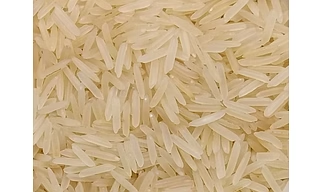
1509 basmati rice
- Purity: 95% minimum
- Natural admixture: 5% maximum
- Average grain length: 8.3–8.5 mm
- Moisture: 12% maximum
- Broken: 0.5% maximum
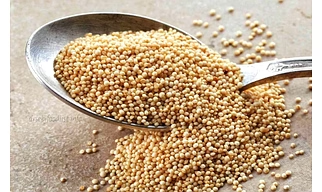
Amarnath
- Amaranth is a gluten-free grain that is high in protein and fibre.
- It is also known as Rajgira, Ramdana, and Chaulai. Amaranth is a nutritious ancient grain that is grown in the Himalayan region of India.
- It is used to make flour, flakes, groats, muesli, and oil. It can also be used as a food fortifier in cereal grain mixtures.
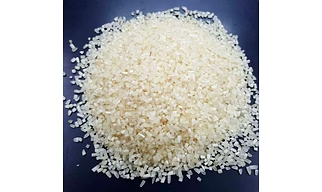
Broken Rice
- Broken rice is a grade of rice made up of grains that have broken during the milling process. It's a cheaper grade of rice that's mainly used as an ingredient in the food industry in America and Europe. It's also eaten in Southeast Asia.
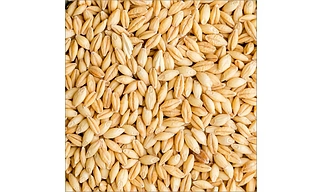
Barly(Hordeum vulgare)
- Barley (Hordeum vulgare) is a cereal grain and a member of the grass family. It's a tall grass with a hairy stem and produces spikelets at the head. The spikelets are arranged in a herringbone pattern, with each spikelet having a long, thin awn.
- Barley is a staple food for humans and other animals, and it's one of the oldest crops.
- It's high in fibre and is used in foods and to brew alcoholic beverages. The fibre in barley may lower cholesterol, blood sugar, and insulin levels. It may also slow stomach emptying, which could help to control appetite.
- Barley is also known as jaw in India. It's the fourth most important cereal crop after rice, wheat, and maize.
- Barley is technically a refined grain, but it's healthier than other refined grains because some of the bran may still be present.
- Some studies report that the nutrient profile of barley water may contribute to kidney and liver health. It may also prevent kidney stones and urinary tract infections, but more research is needed to confirm these effects.
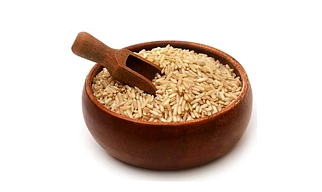
Brown Rice
- Is brown basmati rice healthier?
- Brown basmati rice has more fibre than the white version, and about 20% more than other types of brown rice. Higher fibre diets can help to reduce your risk of developing certain types of cancers, particularly colorectal cancer.
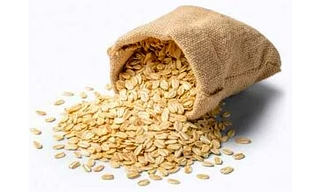
Oats Cereal Grains
- Oats are a cereal grain that comes from the grass family Poaceae. The scientific name for oats is Avena sativa. The edible seeds of oat grass are what end up in breakfast bowls.
- Oats are a whole grain food. The most intact form of oats is oat groats, but they take a long time to cook. Many people prefer rolled, crushed, or steel-cut oats instead. Instant (quick) oats are the most highly processed variety.
- Oats are a popular whole grain. In 2018, a survey of American consumers found that oats were the second most popular whole grain after whole wheat. Oatmeal was nearly the most popular whole-grain food, coming in second only to whole-grain bread.
- Multigrain oats are a good source of dietary fibre. The fibres present in oats are considered to help regulate bowel movements.
- Steel-cut oats are made by cutting groats into two or three pieces with a sharp metal blade. They cook quicker than oat groats because water can more easily penetrate the smaller pieces. Steel-cut oats are also sometimes called Irish oatmeal or Scottish Oatmeal.
Foxtail Millet
- Foxtail millet, scientific name Setaria italica, is an annual grass grown for human food. It is the second-most widely planted species of millet and the most-grown millet species in Asia.
- Foxtail Millet is rich in Vitamin B12 which is essential for maintaining a healthy heart, smooth functioning of the nervous system, and in general good for skin and hair growth. A diet including Foxtail Millet may improve glycemic control and reduce insulin, cholesterol and fasting glucose in Type-2 diabetes patients.
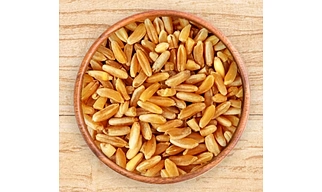
Durum Wheat/Macaroni Wheat
- Durum wheat is a type of wheat that is used to make pasta, couscous, bulgur, noodles, and bread. It is also known as pasta wheat or macaroni wheat.
- Durum wheat is a spring wheat variety that is ground into semolina. It can also be ground into finer flour and used to make bread or pizza dough.
- Durum wheat is generally considered safe to consume, but it may contain gluten, which can cause an allergic reaction in some people.
- Durum wheat is the second most cultivated species of wheat after common wheat, although it represents only 5% to 8% of global wheat production. In Europe, it is mainly grown in the more southerly countries.
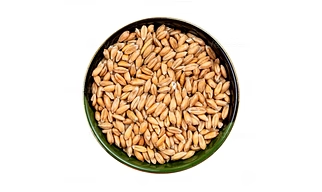
Groats Wheat
- What are wheat groats?
- Wheat groats are organic groats made of wheat grains without germ and bran which are finely crushed, and then polished. This product is considered to be both nutritious and highly digestible.
- Also called oat berries, whole oat groats are simply hulled whole oat grain kernels. While the term groat often applies to oats, it is not specific to oats, as buckwheat, rye and barley kernels also are called groats.
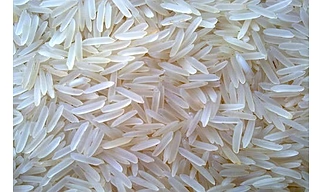
IR 64 Parboiled Rice
- IR 64 Parboiled Rice is a well-known Indian rice variety. It is a long-grain rice that is high in protein and carbohydrates and is known for its rich aroma and great taste. It is also known as Parimal, IR36, and Long Grain White Rice.
- IR 64 Parboiled Rice is one of the most exported varieties of long-grain non-basmati rice. It is popular in African and Gulf countries for its good quality and low prices.
- IR 64 Parboiled Rice is available in various sizes, including short grain, medium grain, long grain, and extra-long grain. Each size grade contributes to the texture and preferred cooking method for consumers.
- IR 64 Parboiled Rice is also available in different packaging sizes, including 5 kg, 10 kg, 25 kg, 40 kg, and 50 kg.
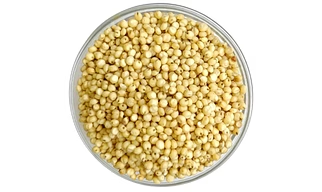
White Millet
- Jowar, also known as white millet, is a gluten-free and protein-rich millet. It is a popular cereal in India that is used to make rotis. Jowar is also known as durra, jowari, sorghum, great millet, and milo.
- Jowar is a grass species that is cultivated for its grain. Its scientific name is Sorghum bicolour and it belongs to the Poaceae family.
- Jowar is a rich source of iron, protein, and fibre.
- It is similar in composition to maize but generally contains more protein and less oil.
- Jowar is a close relative of Bajra, and both belong to the millet family. Jowar is said to lower the risk of heart disease and cholesterol.
- Jowar is touted as a healthy alternative for Maida. It is said to have many health benefits, including:
- Weight loss
- Regulating diabetes
- Promoting optimal cardiac health
- Boosting energy levels
- 100 grams of Jowar provides 11 grams of protein, which supplies the body with energy and aids in cell regeneration.
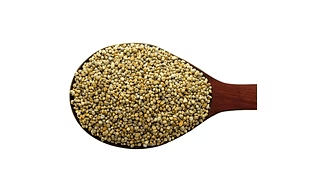
Millet Pearl
- Bajra is a traditional Hindi name for the Pennisetum glaucum crop, also known as pearl millet. It's a type of millet that has been grown in Africa and India since prehistoric times.
- Bajra is a rich source of iron, providing 60% of the daily requirements of iron per 100 grams. It's also easy to digest and non-glutinous, making it a healthy option for people with gluten allergies and celiac disease.
- Bajra is known as "poor people's food" and is recommended to patients with celiac disease, constipation, and other non-communicable diseases. In India, it's a regular meal in states like Rajasthan and Gujarat.
- To cook bajra, you can soak it overnight and then pressure cook it for about an hour. You can also add some salt. You can use bajra in khichdis or other dishes.
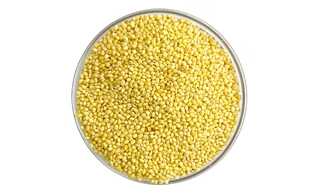
Proso millet (Panicum miliaceum)
- Proso millet (Panicum miliaceum) is a gluten-free, nutritious cereal grain. It's also known as common millet, broomcorn millet, and other names.
- Proso millet is a warm-season grass that takes 60–100 days to grow. It's a good source of fibre and contains high amounts of carbohydrates, protein, niacin (vitamin B3), and fatty acids.
- Proso millet is used for human consumption, bird seed, and ethanol production. It's believed to have been domesticated in China around 10,000 years ago.
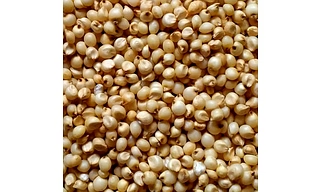
Sorghum millet
- Sorghum millet, also known as great millet, is a grass species that is grown for its grain. The scientific name for sorghum millet is Sorghum bicolor.
- Sorghum is a staple crop for millions of people living in semi-arid regions. It is valued for its resistance to drought and heat and can thrive with minimal water, fertilizer, and pesticides.
- Sorghum is gluten-free and protein-rich and is considered a healthy alternative to Maida. However, sorghum is a grass and can cause allergic reactions in some people.
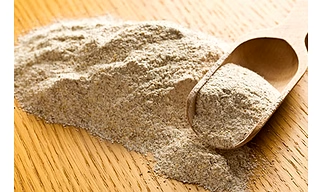
Brown Rice Flour
As the name implies, brown rice flour comes from grinding brown rice into a fine powder. Since brown rice is a whole grain with bran, endosperm, and germ, its flour is preferable for those seeking a more nutritious option. The process of making brown rice flour is relatively simple.
Brown rice flour contains no unhealthy fats.
Brown Rice Flour is gluten-free and nutritional and healthier than white rice flour. Brown Rice flour benefits our health in several ways and also promotes better digestion.
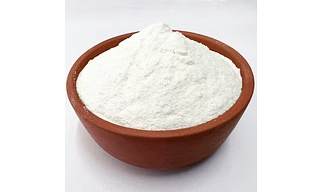
White Rice Flour
Rice flour (also rice powder) is a form of flour made from finely milled rice. It is distinct from rice starch, which is usually produced by steeping rice in lye. Rice flour is a common substitute for wheat flour. It is also used as a thickening agent in recipes that are refrigerated or frozen since it inhibits liquid separation.
Rice flour is a popular gluten-free ingredient that can be used for lots of different things, from baking and cooking to skincare! More notably, it's high in protein and dietary fibre and is low in calories. It also contains vitamin E alongside several other nutrients too
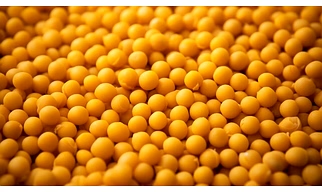
Yellow Peas
Yellow peas are the dried, peeled, and sometimes split seeds of the pea plant, Pisum sativum.
Yellow peas are a pulse and part of the legume family. They are a rich source of vitamins A, B, and C, as well as fiber, protein, and potassium. They are pale yellow in appearance and have a mild, slightly sweet flavor and a soft, granular texture.
Yellow peas are commonly used to make soups such as American split pea with ham soup and khoresht gheimeh, a Persian stew made with yellow split peas and lamb.
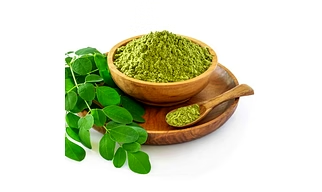
Moringa / Drumstick Powder
Moringa is a small to medium-sized tree that is native to India and other countries. It is also known as the "tree of life" or "miracle tree".
Moringa powder can be used to protect tissue (liver, kidneys, heart, and lungs), and to reduce pain.
Consuming Moringa everyday may lead to modest reductions in blood sugar and cholesterol levels
Moringa seed oil may also have benefits for hair health, according to some experts
“Moringa powder are one of the most nutrient-dense greens on the planet, packed with protein, essential amino acids, 27 vitamins and 46 antioxidants,”
Moringa powder is a food source that contains proteins, vitamins, and minerals. It is also used in folk medicine to treat conditions like diabetes, wounds, pain, ulcers, liver disease, heart disease, cancer, and inflammation.
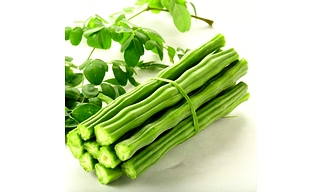
Drumstick
Drumstick is the scientific name for the Moringa oleifera tree.
every part of the drumstick might contain essential properties for human health; hence, it may be one of the crucial nutritional herbs. For many years, the drumstick has been used as traditional medicine. According to the Ayurvedic system of medicine, drumsticks may have potential use and be helpful for various diseases due to their high nutritional value, water retention and capacity for purification
The bark of the stem and flowers of the drumstick might be helpful to lower glucose levels in the blood.
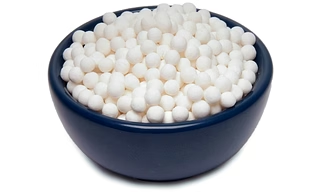
Topioca
Tapioca is a starch extracted from cassava root. It consists of almost pure carbs and contains very little protein, fiber, or other nutrients.
Tapioca has recently become popular as a gluten-free alternative to wheat and other grains.
Tapioca is almost pure starch and has very limited nutritional value
Sabudana comprises of high carbohydrate content and is low in protein, minerals, vitamins, calcium, iron and fibre.
We can use sabudana starch by mixing it with boiling water to form a paste or baking it to make bread, biscuits and pancakes.
It is a traditional food of India used in various festive recipes in western and central India. It is also used as baby food in West Bengal.




 GL Trustmark