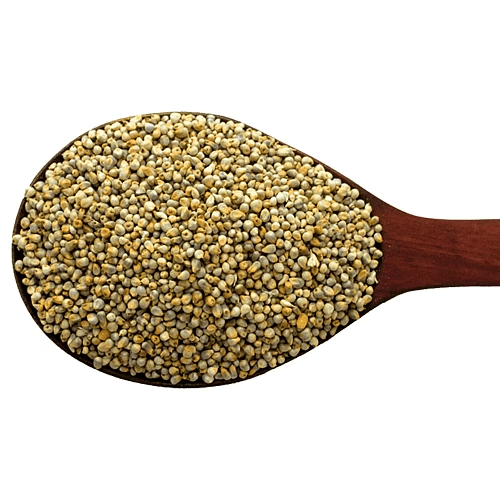
Bajra is a traditional Hindi name for the Pennisetum glaucum crop, also known as pearl millet. It's a type of millet that has been grown in Africa and India since prehistoric times.
Bajra is a rich source of iron, providing 60% of the daily requirements of iron per 100 grams. It's also easy to digest and non-glutinous, making it a healthy option for people with gluten allergies and celiac disease.
Bajra is known as "poor people's food" and is recommended to patients with celiac disease, constipation, and other non-communicable diseases. In India, it's a regular meal in states like Rajasthan and Gujarat.
To cook bajra, you can soak it overnight and then pressure cook it for about an hour. You can also add some salt. You can use bajra in khichdis or other dishes.
Millets are gluten-free and contain nutrients like protein, antioxidants, and fibre. They can be good for people of all ages, including infants, the elderly, pregnant and nursing mothers.
Millets can help with:
Blood sugar: Bajra can help control blood sugar spikes and promote heart health.
Weight loss: Bajra is high in insoluble fibre, which can help with weight loss and lower cholesterol and blood sugar levels.
Skin and hair: Bajra contains iron, zinc, and B vitamins, which can contribute to healthy skin and hair.
However, some people may be allergic to bajra, which can cause symptoms like itching, rashes, and difficulty breathing. Millets can also decrease iodine absorption, which is necessary for thyroid function. When ingested in excessive amounts, this can lead to goitre.
Bajra is a traditional Hindi name for the Pennisetum glaucum crop, also known as pearl millet. It's a type of millet that has been grown in Africa and India since prehistoric times.
Bajra is a rich source of iron, providing 60% of the daily requirements of iron per 100 grams. It's also easy to digest and non-glutinous, making it a healthy option for people with gluten allergies and celiac disease.
Bajra is known as "poor people's food" and is recommended to patients with celiac disease, constipation, and other non-communicable diseases. In India, it's a regular meal in states like Rajasthan and Gujarat.
To cook bajra, you can soak it overnight and then pressure cook it for about an hour. You can also add some salt. You can use bajra in khichdis or other dishes.
Millets are gluten-free and contain nutrients like protein, antioxidants, and fibre. They can be good for people of all ages, including infants, the elderly, pregnant and nursing mothers.
Millets can help with:
Blood sugar: Bajra can help control blood sugar spikes and promote heart health.
Weight loss: Bajra is high in insoluble fibre, which can help with weight loss and lower cholesterol and blood sugar levels.
Skin and hair: Bajra contains iron, zinc, and B vitamins, which can contribute to healthy skin and hair.
However, some people may be allergic to bajra, which can cause symptoms like itching, rashes, and difficulty breathing. Millets can also decrease iodine absorption, which is necessary for thyroid function. When ingested in excessive amounts, this can lead to goitre.