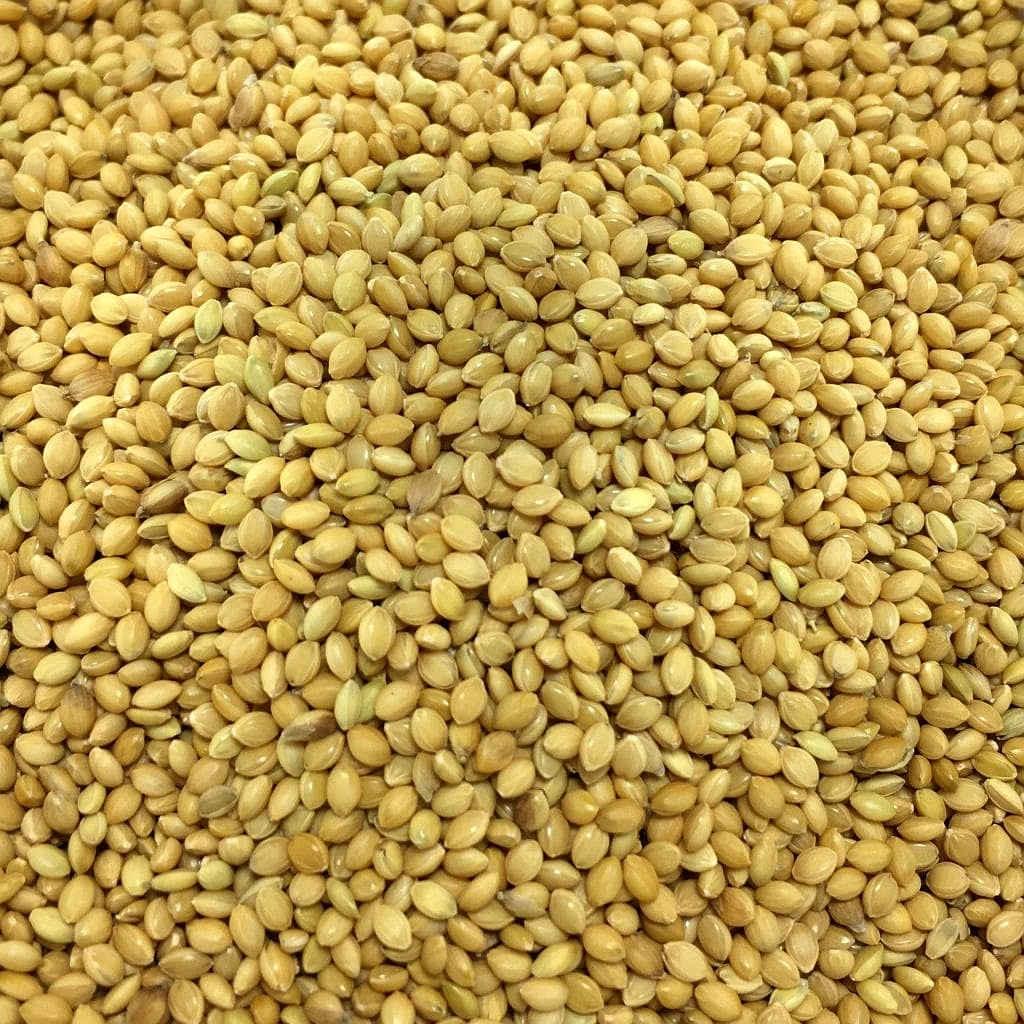
Foxtail millet, scientific name Setaria italica, is an annual grass grown for human food. It is the second-most widely planted species of millet and the most-grown millet species in Asia.
Foxtail Millet is rich in Vitamin B12 which is essential for maintaining a healthy heart, smooth functioning of the nervous system, and in general good for skin and hair growth. A diet including Foxtail Millet may improve glycemic control and reduce insulin, cholesterol and fasting glucose in Type-2 diabetes patients.
Foxtail millets increase Vataja roga (diseases due to Vata), so caution must be taken if you have complaints of dry skin, weight loss, joint pain, etc. Millets contain anti-nutrients like phytic acid and tannins, which may be reduced by soaking. Additionally, soaking can increase the absorption of nutrients.
Foxtail millets are known for their relatively higher vitamin E content that protects cells from oxidative damage. Finger millets (ragi) are good sources of vitamin K, A, calcium, selenium and iron, which is an essential mineral for oxygen transport in the blood and prevention of anaemia.
Foxtail millet (Setaria italica) seeds, India. Other names for the species include dwarf setaria, foxtail bristle-grass, giant setaria, green foxtail, Italian millet, German millet, and Hungarian millet.
Being a powerhouse in nutrition, Foxtail millet keeps up the stamina, keeps you stronger and builds immunity to fight various infections lurking around. Include this power millet in your daily diet to help fight infections and gain the strength back!
Foxtail millet sweet Pongal can be relished by diabetics too, in moderate amounts. Foxtail millet keeps you satiated for longer hours and prevents a sudden spike in blood sugars. Jaggery is a rich source of iron, magnesium and potassium and is low in calories.
What is the best time to eat foxtail millet?
Breakfast: You can have foxtail millet as a part of your breakfast, such as in a porridge, smoothie, or as a cereal. It provides a good source of energy and can help you start your day with a healthy meal. Lunch: Foxtail millet can be included in your lunch as a side dish, in salads, or as a base for grain bowls.
Foxtail millet, scientific name Setaria italica, is an annual grass grown for human food. It is the second-most widely planted species of millet and the most-grown millet species in Asia.
Foxtail Millet is rich in Vitamin B12 which is essential for maintaining a healthy heart, smooth functioning of the nervous system, and in general good for skin and hair growth. A diet including Foxtail Millet may improve glycemic control and reduce insulin, cholesterol and fasting glucose in Type-2 diabetes patients.
Foxtail millets increase Vataja roga (diseases due to Vata), so caution must be taken if you have complaints of dry skin, weight loss, joint pain, etc. Millets contain anti-nutrients like phytic acid and tannins, which may be reduced by soaking. Additionally, soaking can increase the absorption of nutrients.
Foxtail millets are known for their relatively higher vitamin E content that protects cells from oxidative damage. Finger millets (ragi) are good sources of vitamin K, A, calcium, selenium and iron, which is an essential mineral for oxygen transport in the blood and prevention of anaemia.
Foxtail millet (Setaria italica) seeds, India. Other names for the species include dwarf setaria, foxtail bristle-grass, giant setaria, green foxtail, Italian millet, German millet, and Hungarian millet.
Being a powerhouse in nutrition, Foxtail millet keeps up the stamina, keeps you stronger and builds immunity to fight various infections lurking around. Include this power millet in your daily diet to help fight infections and gain the strength back!
Foxtail millet sweet Pongal can be relished by diabetics too, in moderate amounts. Foxtail millet keeps you satiated for longer hours and prevents a sudden spike in blood sugars. Jaggery is a rich source of iron, magnesium and potassium and is low in calories.
What is the best time to eat foxtail millet?
Breakfast: You can have foxtail millet as a part of your breakfast, such as in a porridge, smoothie, or as a cereal. It provides a good source of energy and can help you start your day with a healthy meal. Lunch: Foxtail millet can be included in your lunch as a side dish, in salads, or as a base for grain bowls.