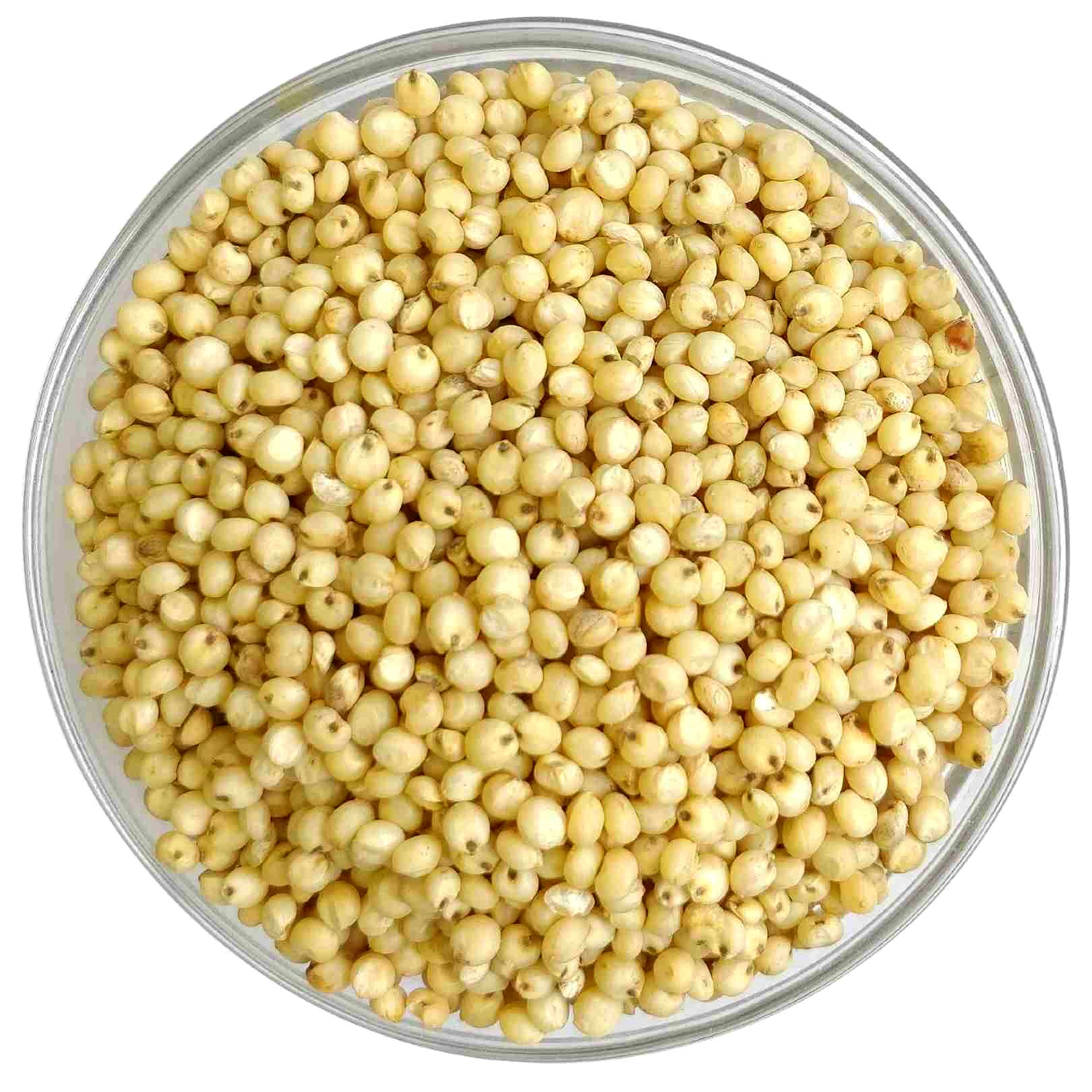
Jowar, also known as white millet, is a gluten-free and protein-rich millet. It is a popular cereal in India that is used to make rotis. Jowar is also known as durra, jowari, sorghum, great millet, and milo.
Jowar is a grass species that is cultivated for its grain. Its scientific name is Sorghum bicolour and it belongs to the Poaceae family.
Jowar is a rich source of iron, protein, and fibre.
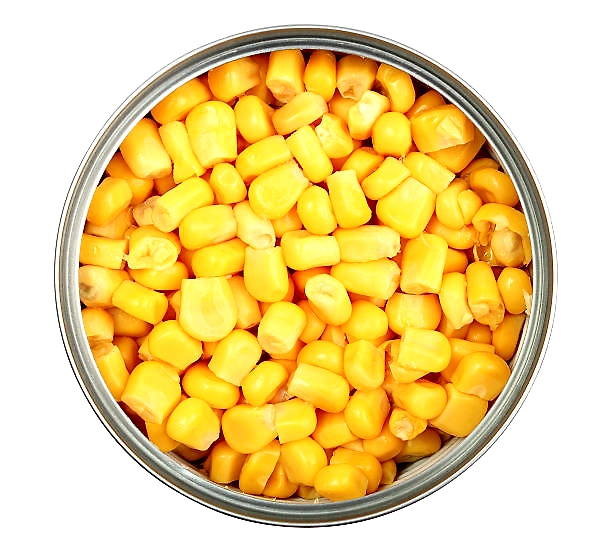
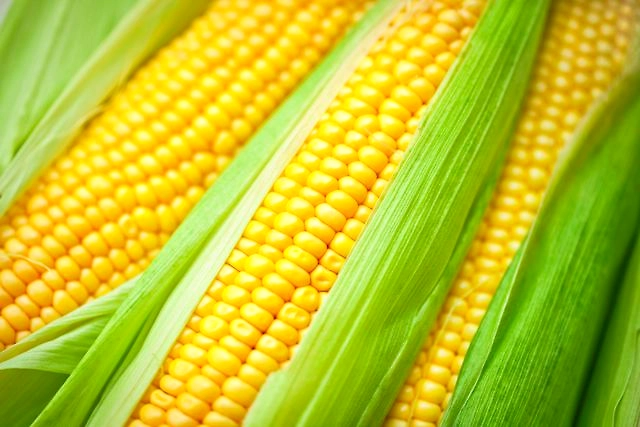
It is similar in composition to maize but generally contains more protein and less oil.
Jowar is a close relative of Bajra, and both belong to the millet family. Jowar is said to lower the risk of heart disease and cholesterol.
Jowar is touted as a healthy alternative for Maida. It is said to have many health benefits, including:
Weight loss
Regulating diabetes
Promoting optimal cardiac health
Boosting energy levels
100 grams of Jowar provides 11 grams of protein, which supplies the body with energy and aids in cell regeneration.
Jowar
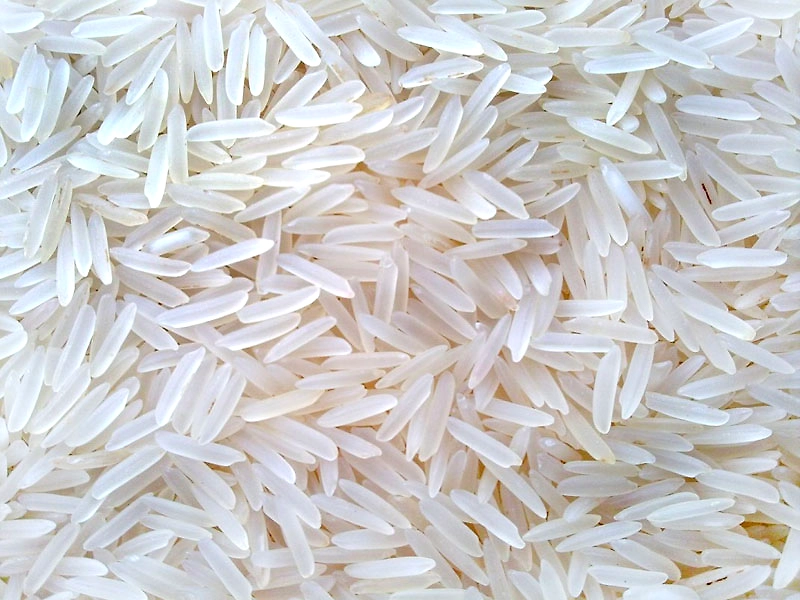
Contains more fibre and protein than rice and wheat. It's a good source of antioxidants, while wheat and rice are not. Jowar has a low glycemic index (62) compared to whole wheat (72), so it takes more time to release glucose into the blood. This helps prevent spikes in blood sugar levels.
Jowar is valued as one of the best atta for weight loss and a wholesome alternative for wheat roti. The wealth of nutrients including protein, dietary fibre, calcium, iron, phosphorus, B vitamins and C helps in regulating blood sugar levels, controlling appetite, promoting weight loss and boosting energy levels.
Jowar is also considered stomach-friendly for people who suffer from constant acidity.
Jowar, also known as white millet, is a gluten-free and protein-rich millet. It is a popular cereal in India that is used to make rotis. Jowar is also known as durra, jowari, sorghum, great millet, and milo.
Jowar is a grass species that is cultivated for its grain. Its scientific name is Sorghum bicolour and it belongs to the Poaceae family.
Jowar is a rich source of iron, protein, and fibre.
It is similar in composition to maize but generally contains more protein and less oil.
Jowar is a close relative of Bajra, and both belong to the millet family. Jowar is said to lower the risk of heart disease and cholesterol.
Jowar is touted as a healthy alternative for Maida. It is said to have many health benefits, including:
Weight loss
Regulating diabetes
Promoting optimal cardiac health
Boosting energy levels
100 grams of Jowar provides 11 grams of protein, which supplies the body with energy and aids in cell regeneration.
Jowar
Contains more fibre and protein than rice and wheat. It's a good source of antioxidants, while wheat and rice are not. Jowar has a low glycemic index (62) compared to whole wheat (72), so it takes more time to release glucose into the blood. This helps prevent spikes in blood sugar levels.
Jowar is valued as one of the best atta for weight loss and a wholesome alternative for wheat roti. The wealth of nutrients including protein, dietary fibre, calcium, iron, phosphorus, B vitamins and C helps in regulating blood sugar levels, controlling appetite, promoting weight loss and boosting energy levels.
Jowar is also considered stomach-friendly for people who suffer from constant acidity.