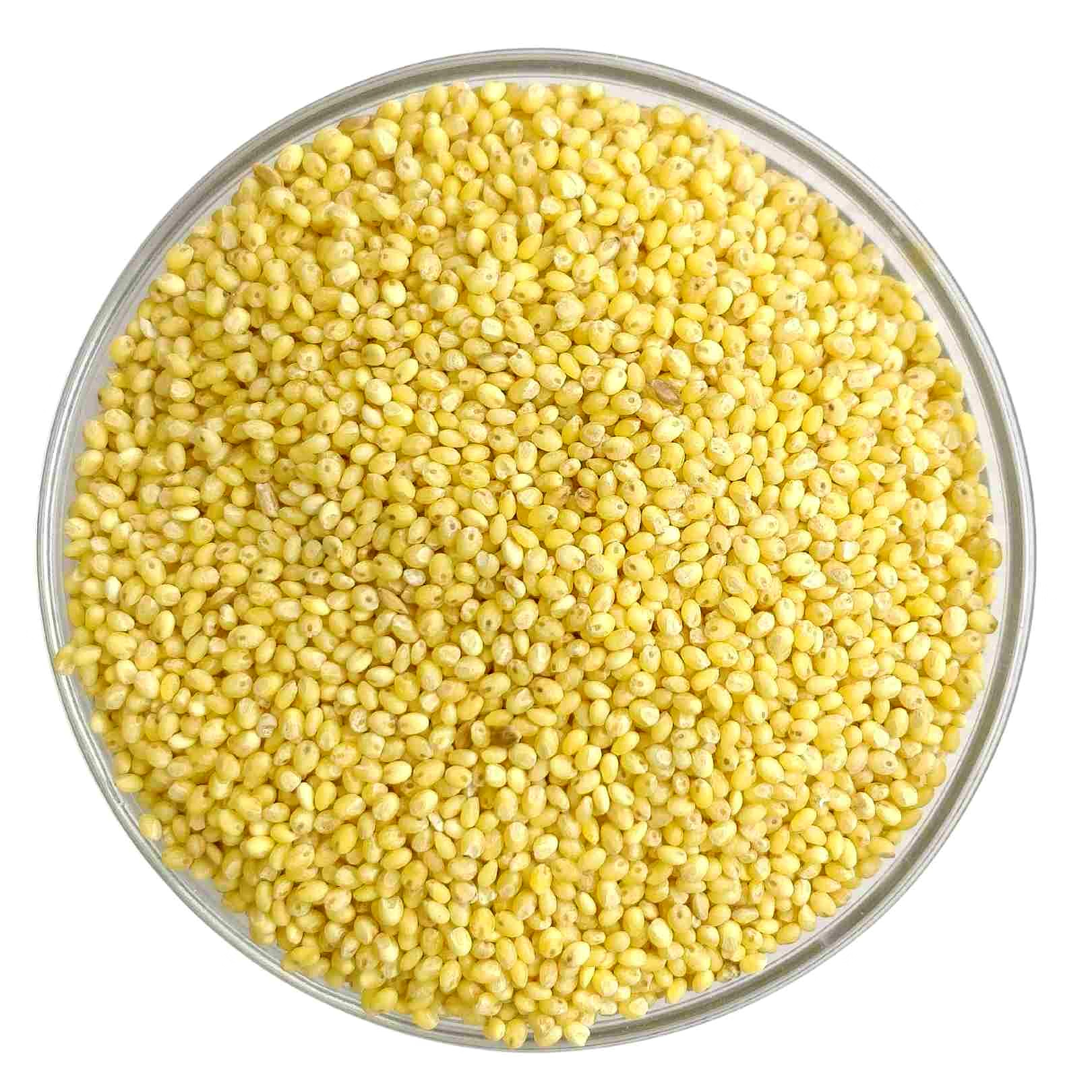
Proso millet (Panicum miliaceum) is a gluten-free, nutritious cereal grain. It's also known as common millet, broomcorn millet, and other names.
Proso millet is a warm-season grass that takes 60–100 days to grow. It's a good source of fibre and contains high amounts of carbohydrates, protein, niacin (vitamin B3), and fatty acids.
Proso millet is used for human consumption, bird seed, and ethanol production. It's believed to have been domesticated in China around 10,000 years ago.
According to Naturally Yours, proso millet can help reduce the risk of type 2 diabetes. It contains magnesium, which helps regulate blood glucose levels and insulin levels.
Millets are ancient grains that are rich in fiber, protein, and essential nutrients. They are gaining popularity due to their high nutritional value and low glycemic index.
Millet is good for people with diabetes, but only if it's part of a balanced diet. Consuming too much millet can lower blood sugar levels.
Proso millet (Panicum miliaceum) is a gluten-free, nutritious cereal grain. It's also known as common millet, broomcorn millet, and other names.
Proso millet is a warm-season grass that takes 60–100 days to grow. It's a good source of fibre and contains high amounts of carbohydrates, protein, niacin (vitamin B3), and fatty acids.
Proso millet is used for human consumption, bird seed, and ethanol production. It's believed to have been domesticated in China around 10,000 years ago.
According to Naturally Yours, proso millet can help reduce the risk of type 2 diabetes. It contains magnesium, which helps regulate blood glucose levels and insulin levels.
Millets are ancient grains that are rich in fiber, protein, and essential nutrients. They are gaining popularity due to their high nutritional value and low glycemic index.
Millet is good for people with diabetes, but only if it's part of a balanced diet. Consuming too much millet can lower blood sugar levels.