Inclusive of all taxes
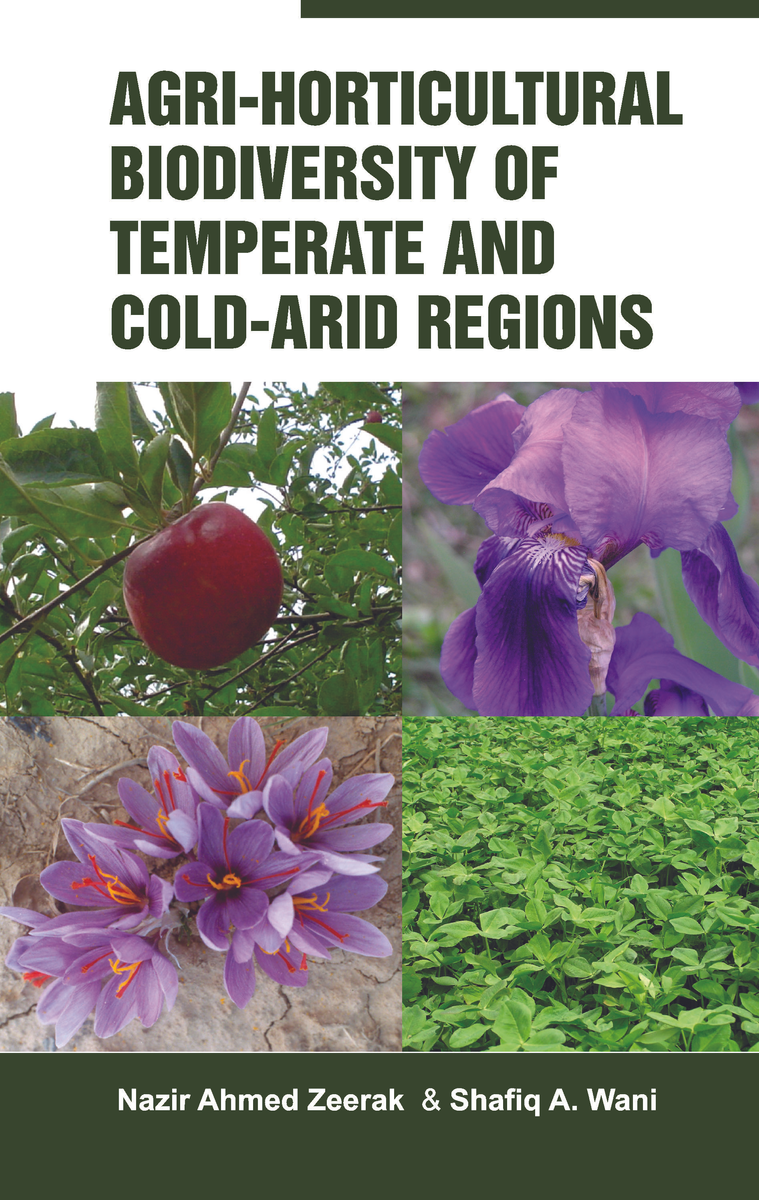
The 'Agri-Horticultural Biodiversity of Temperate and Cold Arid Regions' is an insightful hardback book authored by Nazir Ahmad Zeerak and Shafiq A. Wani that delves into the rich plant biodiversity found in the temperate and cold arid Himalayan regions of India, specifically Kashmir and Ladakh. Extensive surveys carried out by the authors over several years culminate in this comprehensive overview, highlighting the diversity of plant species. The book elaborates on the varietal wealth spanning across various essential economic plant groups, which include Cereals, Pulses, Oilseeds, Spices & Condiments, Forages, Vegetables, Ornamentals, Fruits and Nuts, and Underutilized Plants. Each section presents technical, English, and Kashmiri/Ladakhi names for economically significant plants, along with concise notes on their status and utilities. This valuable resource is tailored for researchers and students engaged in Plant Biodiversity, Plant Breeding, Horticulture, and Economic Botany. Furthermore, it serves as an exceptional reference for researchers and planners focused on the management and conservation of plant genetic resources in the Indian Himalayan regions. The systematic catalogs within provide ample information beneficial for academics and practitioners alike, aiming to foster greater understanding and preservation of this unique biodiversity.
Key Features
| Features | Description |
|---|---|
| Authors | Nazir Ahmad Zeerak & Shafiq A. Wani |
| Content Focus | Plant Biodiversity in Temperate and Cold Arid Himalayan Regions |
| Language | Technical, English, Kashmiri/Ladakhi |
| Plant Groups Covered | Cereals, Pulses, Oilseeds, Spices & Condiments, Forages, Vegetables, Ornamentals, Fruits & Nuts, Underutilized Plants |
| Research Basis | Extensive surveys conducted over several years |
| Target Audience | Researchers, Students, Botanists, Conservation Planners |
| Utility | Reference for plant genetic resource management and conservation |
| Publication Format | Hardback |
| Number of Sections | 11 Sections covering various plant groups |
| Attributes | Description |
|---|---|
| ISBN | 978-XXXX-XXXX-X |
| Publication Year | 2022 |
| Publisher | XYZ Publishing |
| Pages | 450 |
| Dimensions | 8.5 x 11 inches |
| Weight | 1.5 kg |
| Language | English, Kashmiri/Ladakhi |
| Field Focus | Plant Biodiversity, Horticulture, Economic Botany |
| Illustrations | Richly illustrated with photographs and diagrams |
*Disclaimer: The above description has been AI-generated and has not been audited or verified for accuracy. It is recommended to verify product details independently before making any purchasing decisions.
The book covers major economic plant groups including Cereals, Pulses, Oilseeds, Spices & Condiments, Forages, Vegetables, Ornamentals, Fruits & Nuts, and Underutilized Plants.
Plant names are provided in technical terms, English, as well as Kashmiri and Ladakhi.
Researchers, students in plant sciences, horticulture, and economic botany, as well as conservation planners focusing on the management of plant genetic resources.
The authors conducted extensive surveys over several years to collect data on the plant diversity in the Himalayan regions.
Brief notes on the plant's status and utility provide essential insights into their conservation needs and potential uses.
Brand: nipa
Country Of Origin: India
"The book under discussion provides an extensive overview of the plant biodiversity in the temperate and cold arid Himalayan regions of India, particularly Kashmir and Ladakh. The authors have conducted extensive surveys over several years to present the diversity of plant species in the region. The contents of the book include details on the varietal wealth of all major economic plant groups, including Cereals, Pulses, Oilseeds, Spice and Condiments, Forages, Vegetables, Ornamentals, Fruits and Nuts, and Underutilized Plants. The book includes technical, English, and Kashmiri/Ladakhi names of plants of economic importance, along with brief notes on their status and utility. This work is a valuable resource for researchers and students working in the fields of Plant Biodiversity, Plant Breeding, Horticulture, and Economic Botany. It is also an excellent reference book for researchers and planners working on the management and conservation of plant genetic resources in the Indian Himalayan regions.
"
"The book under discussion provides an extensive overview of the plant biodiversity in the temperate and cold arid Himalayan regions of India, particularly Kashmir and Ladakh. The authors have conducted extensive surveys over several years to present the diversity of plant species in the region. The contents of the book include details on the varietal wealth of all major economic plant groups, including Cereals, Pulses, Oilseeds, Spice and Condiments, Forages, Vegetables, Ornamentals, Fruits and Nuts, and Underutilized Plants. The book includes technical, English, and Kashmiri/Ladakhi names of plants of economic importance, along with brief notes on their status and utility. This work is a valuable resource for researchers and students working in the fields of Plant Biodiversity, Plant Breeding, Horticulture, and Economic Botany. It is also an excellent reference book for researchers and planners working on the management and conservation of plant genetic resources in the Indian Himalayan regions.
"
Content
"01. Cereals 02. Pulses 03. Oilseeds 04. Spices & Condiments 05. Fruits and Nuts 06. Vegetables 07. Forages 08. Medicinal Plants 09. Ornamental Plants 10. Lesser Known and Underutilized Plants 11. Native Plant Bio-diversity of Indian Sub-Himalayan Regions – An Overview
"
Inclusive of all taxes
You Save: 0
North Delhi , India
Service Provider , Manufacturer, Professional Services, Brand Owner, Distributor, Exporter, Importer, Wholesaler, Startup
Stay informed with the latest market trends, quality guides, and industry analysis