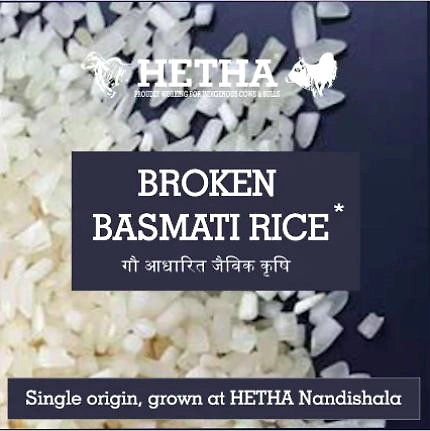
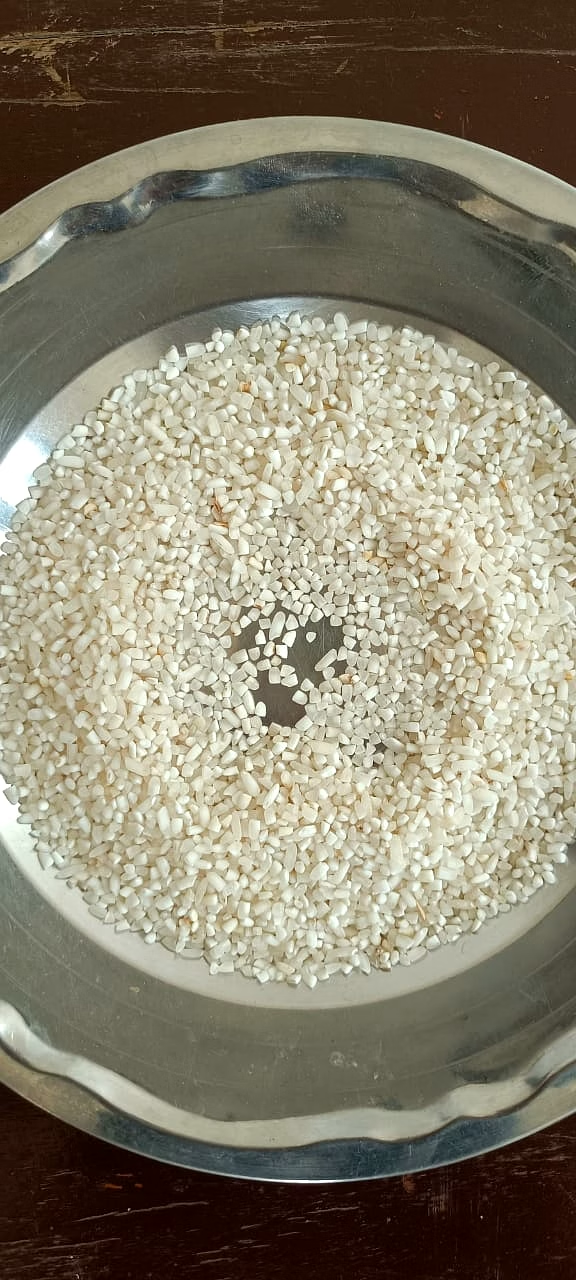
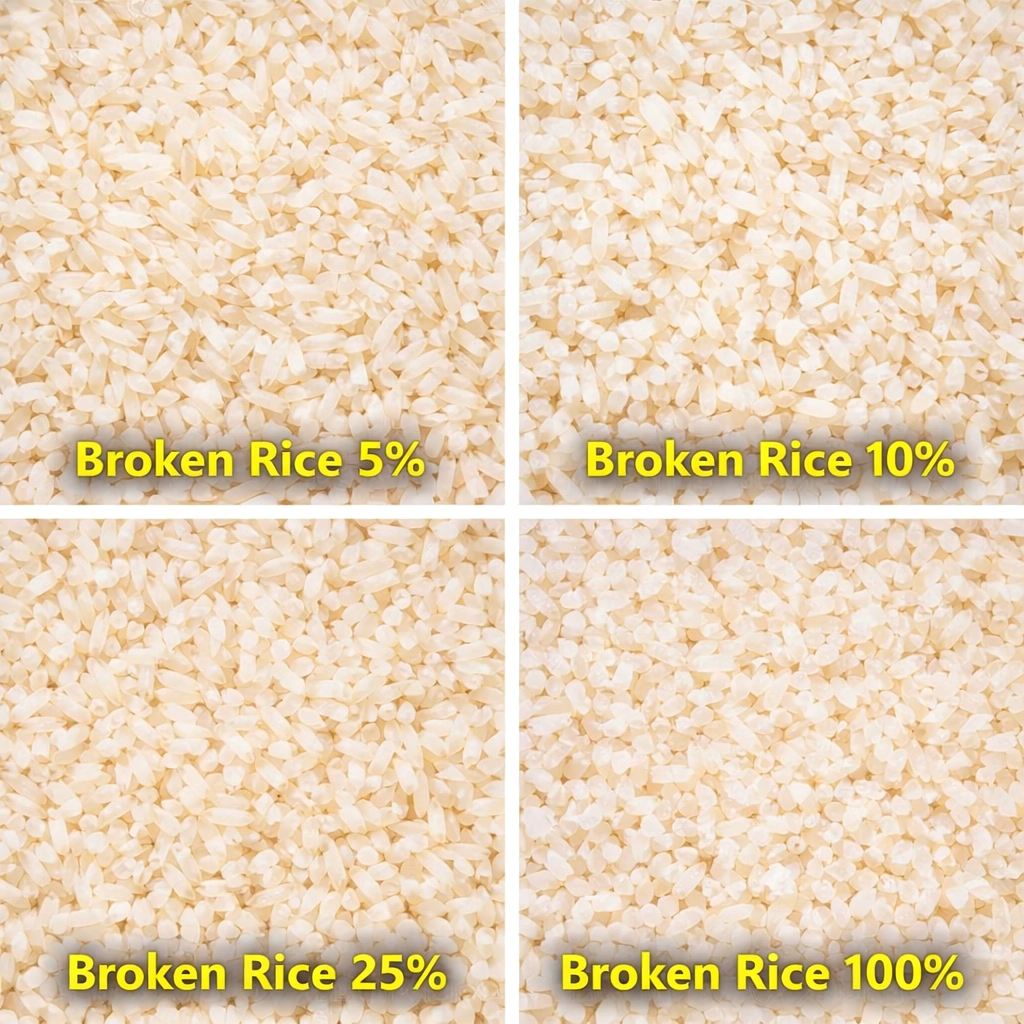
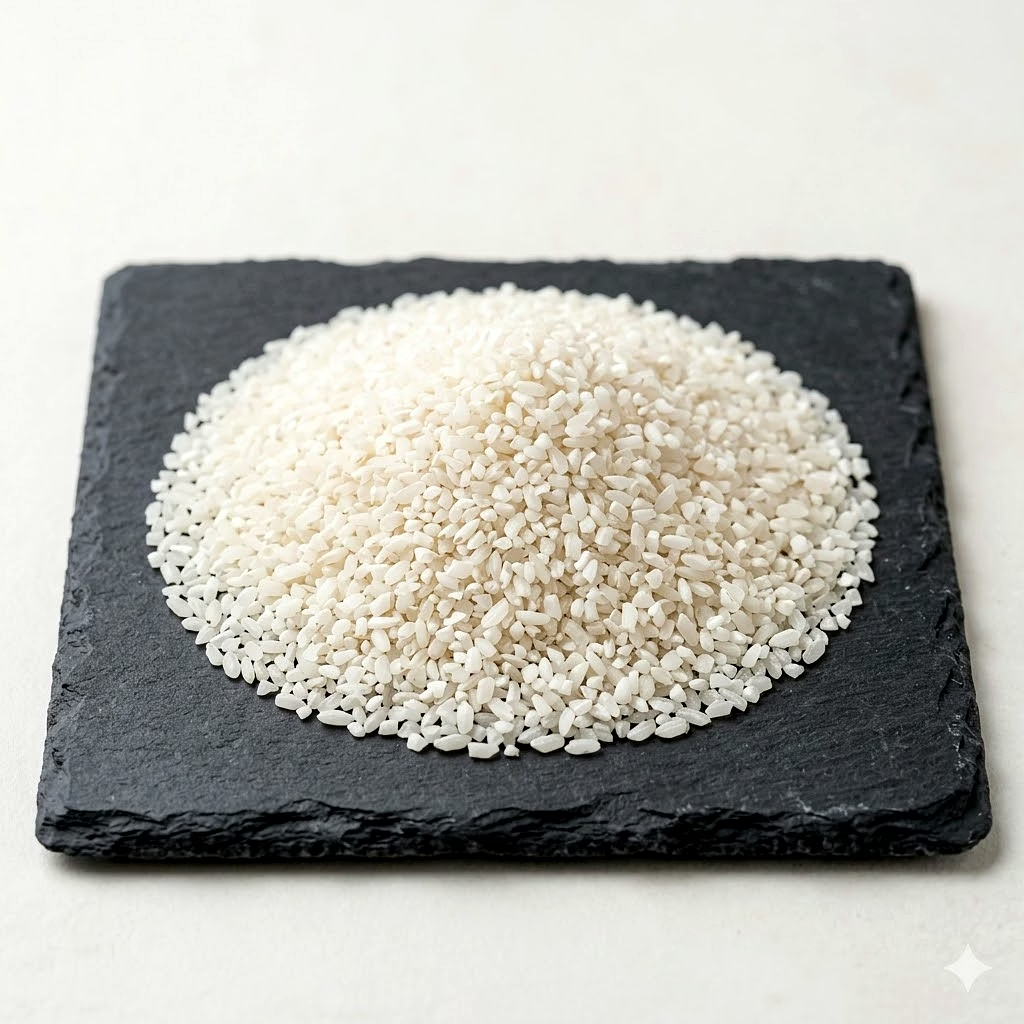
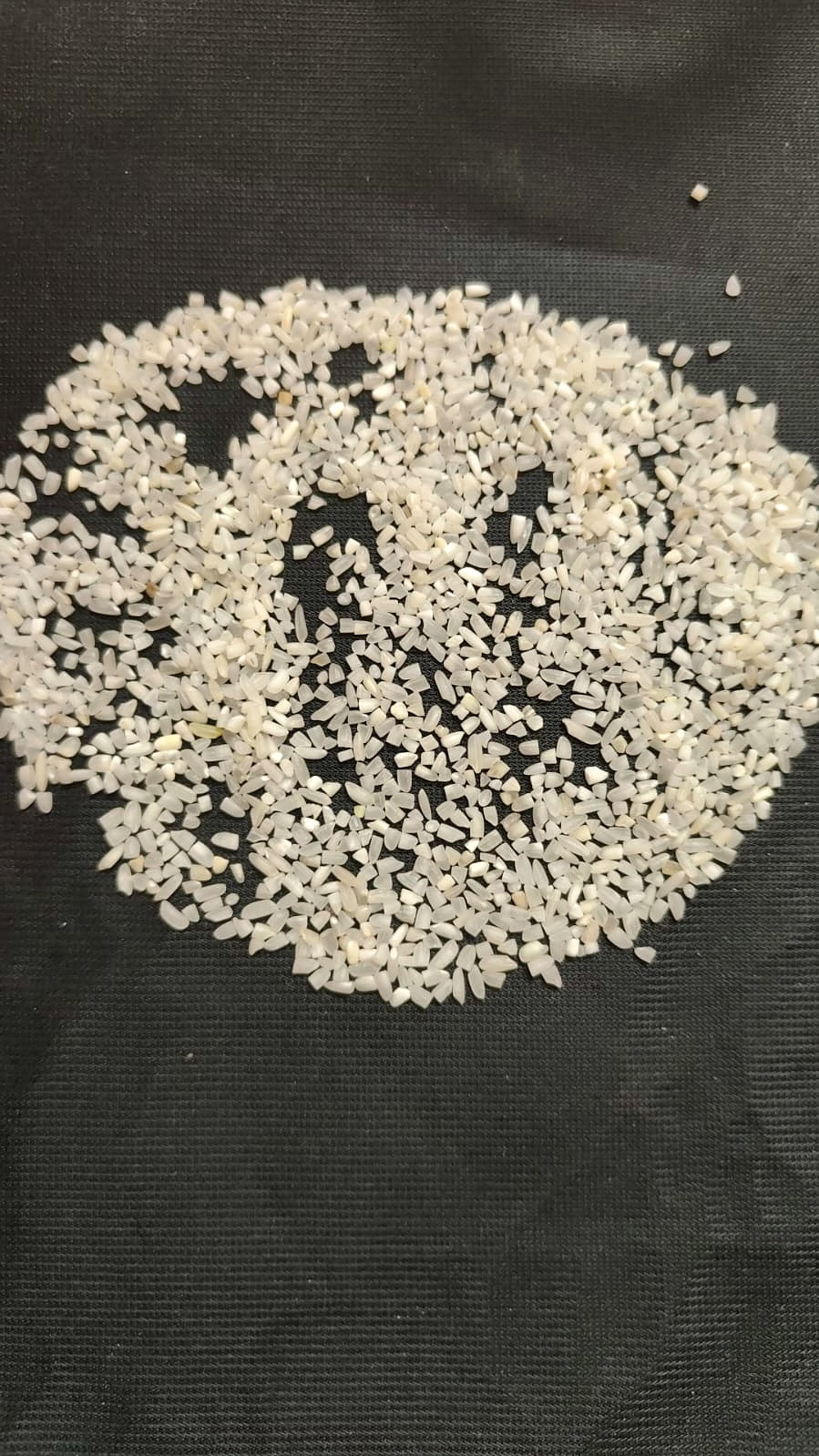
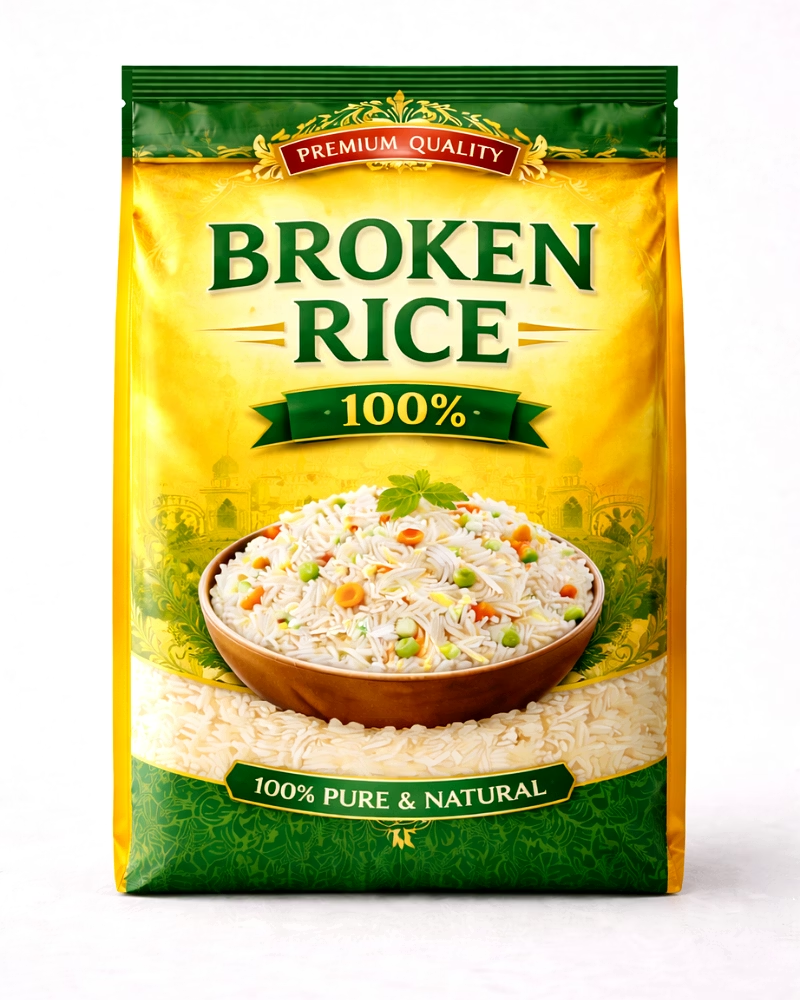
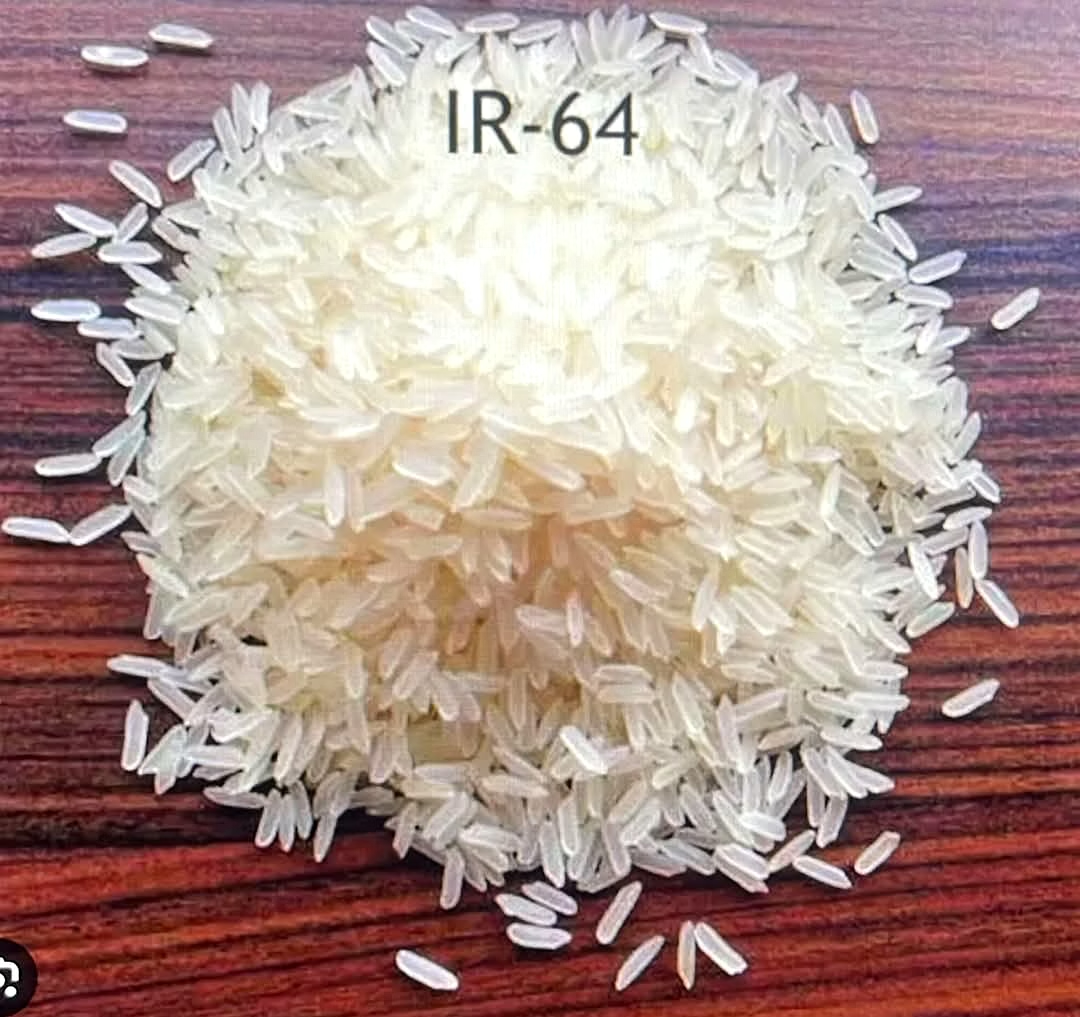
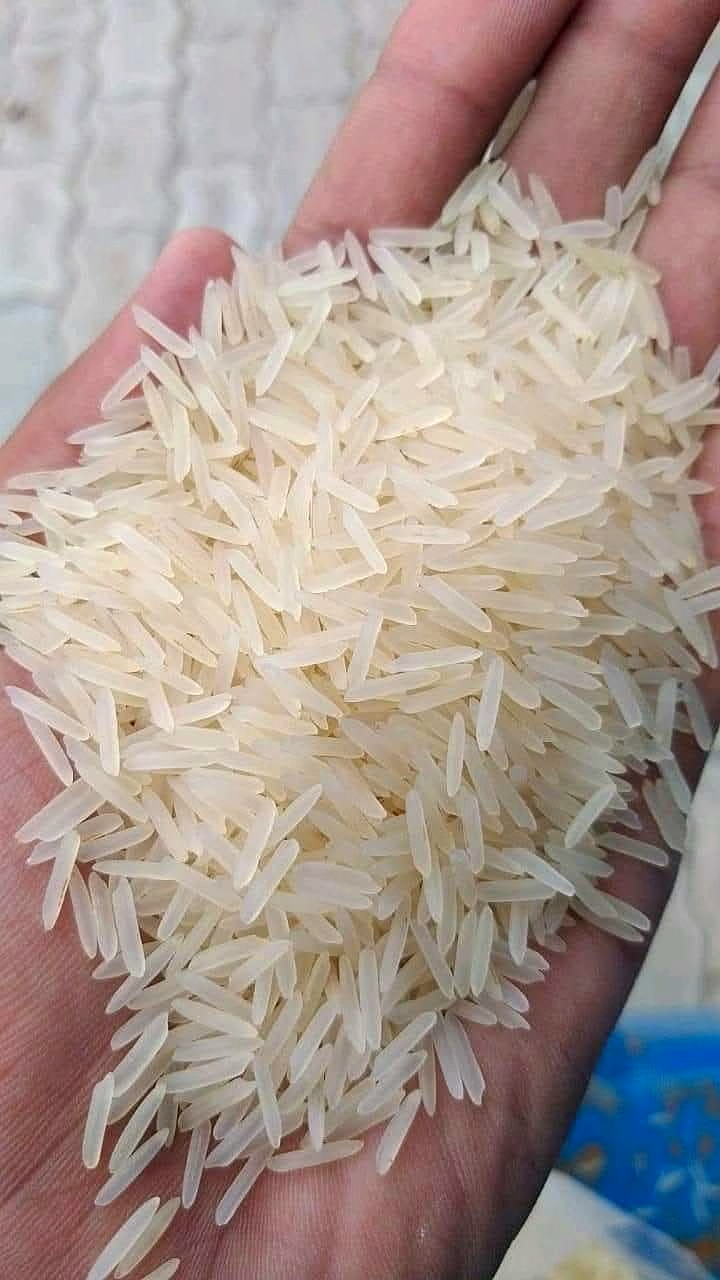
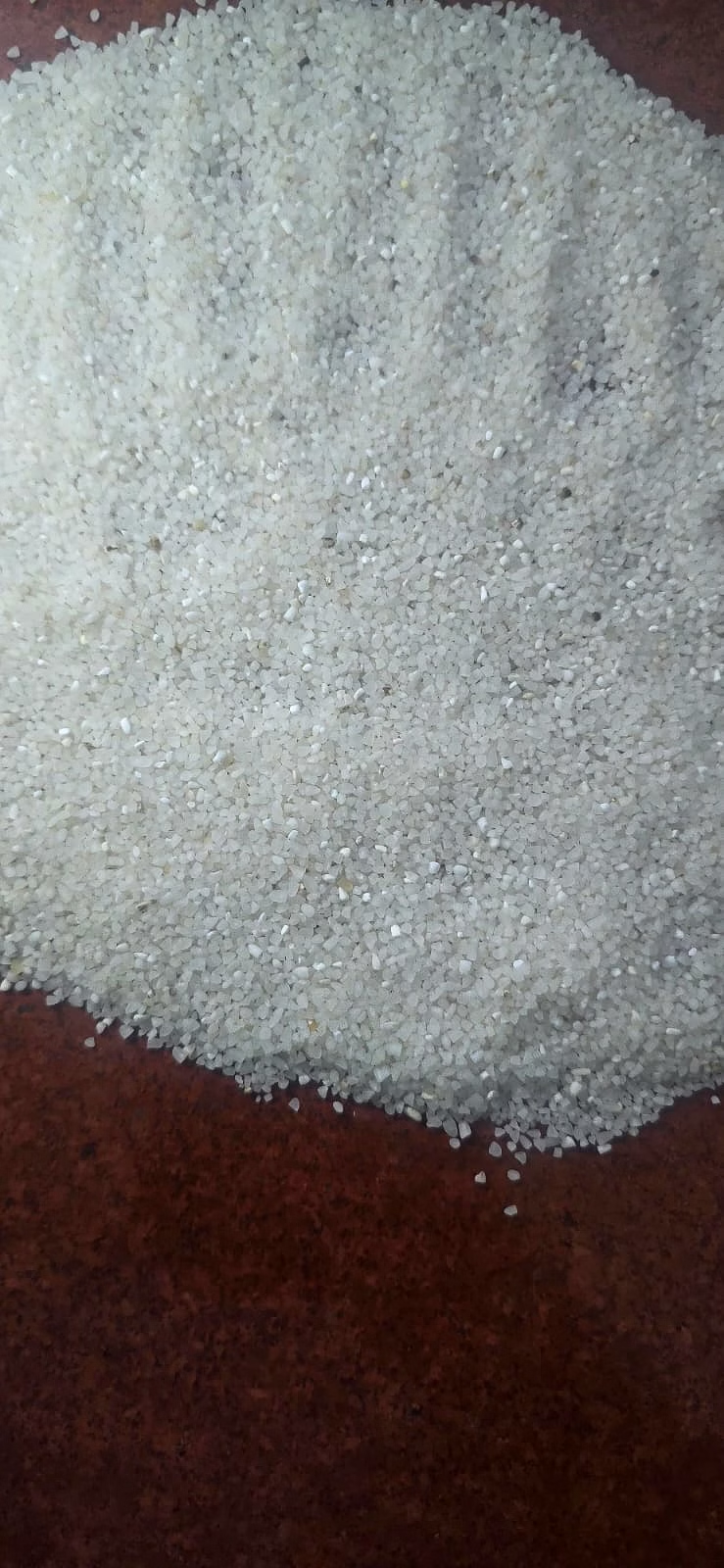
Raw Broken Rice, commonly referred to as kurunai arisi in Tamil and nukalau in Telugu, is a high-quality by-product of the rice milling process comprising broken grains of raw rice. Though broken in form, this rice variety retains the essential nutritional elements of whole raw rice, making it a valuable carbohydrate source for various culinary applications. Typically containing 100% broken grains or at least 80% minimum, this raw broken rice is carefully processed to maintain a moisture content below 14%, minimizing spoilage and ensuring freshness. The product is stringently controlled for quality, with damaged or discolored grains kept under 2%, and chalky grains limited to a maximum of 5-6%. Foreign matter is also tightly regulated, kept below 0.5% to 1% to ensure product purity. This raw broken rice is commonly utilized in large-scale food production, animal feed, and specialty rice dishes that benefit from its texture and cooking properties. Its cost-effectiveness and nutritional parallel to whole rice make it ideal for manufacturers and food service providers seeking a reliable, nutritious rice ingredient with a versatile culinary profile.
Key Features
| Features | Description |
|---|---|
| Broken Grains Content | 100% or minimum 80% broken rice grains |
| Moisture Content | Maximum 14% |
| Damaged/Discolored Grains | Up to 2% |
| Chalky Grains | Limited to 5-6% maximum |
| Foreign Matter | Below 0.5% to 1% maximum |
| Nutritional Value | High carbohydrate content with essential nutrients retained |
| Common Uses | Food manufacturing, animal feed, specialty culinary dishes |
| Quality Standard | Processed under strict quality controls to ensure purity and freshness |
| Attributes | Description |
|---|---|
| Product Type | Raw Broken Rice |
| Local Names | Kurunai Arisi (Tamil), Nukalau (Telugu) |
| Grain Condition | Broken grains from rice milling |
| Texture | Slightly smaller broken grains compared to whole rice |
| Color | Typical raw rice color with minimal discoloration |
| Shelf Life | Dependent on storage, optimized by controlling moisture content |
| Packaging Options | Bulk bags, sacks suitable for industrial and wholesale buyers |
| Origin | By-product of rice milling process |
| Storage Recommendations | Store in a cool, dry place to maintain quality |
*Disclaimer: The above description has been AI-generated and has not been audited or verified for accuracy. It is recommended to verify product details independently before making any purchasing decisions.
This raw broken rice consists of 100% broken grains, or at least a very high minimum of 80%, making it suitable for uses that specifically require broken rice.
The moisture content of this raw broken rice is maintained at a maximum of 14%, which is critical to prevent spoilage and ensure longer shelf life during storage and transportation.
Damaged or discolored grains are limited to 2% maximum, while chalky grains are kept to 5-6% maximum, ensuring the overall quality and appearance remain high.
Foreign matter content is very low, capped at 0.5% to 1% maximum, ensuring product purity suitable for industrial and food-grade applications.
This raw broken rice is commonly used in food manufacturing for processed rice products, animal feed production, and specialty dishes where broken rice texture is preferred.
Country Of Origin: India
Broken rice retains most of the nutritional value of the whole rice it comes from. It's a good source of carbohydrates and can be part of a balanced diet.
Broken Grains: 100% (or a very high percentage, often 80% minimum).
Moisture Content: Typically 14% maximum.
Damaged/Discolored Grains: Usually 2% maximum
Chalky Grains: Often limited to 5% or 6% maximum.
Foreign Matter: Usually less than 1% or 0.5% maximum.