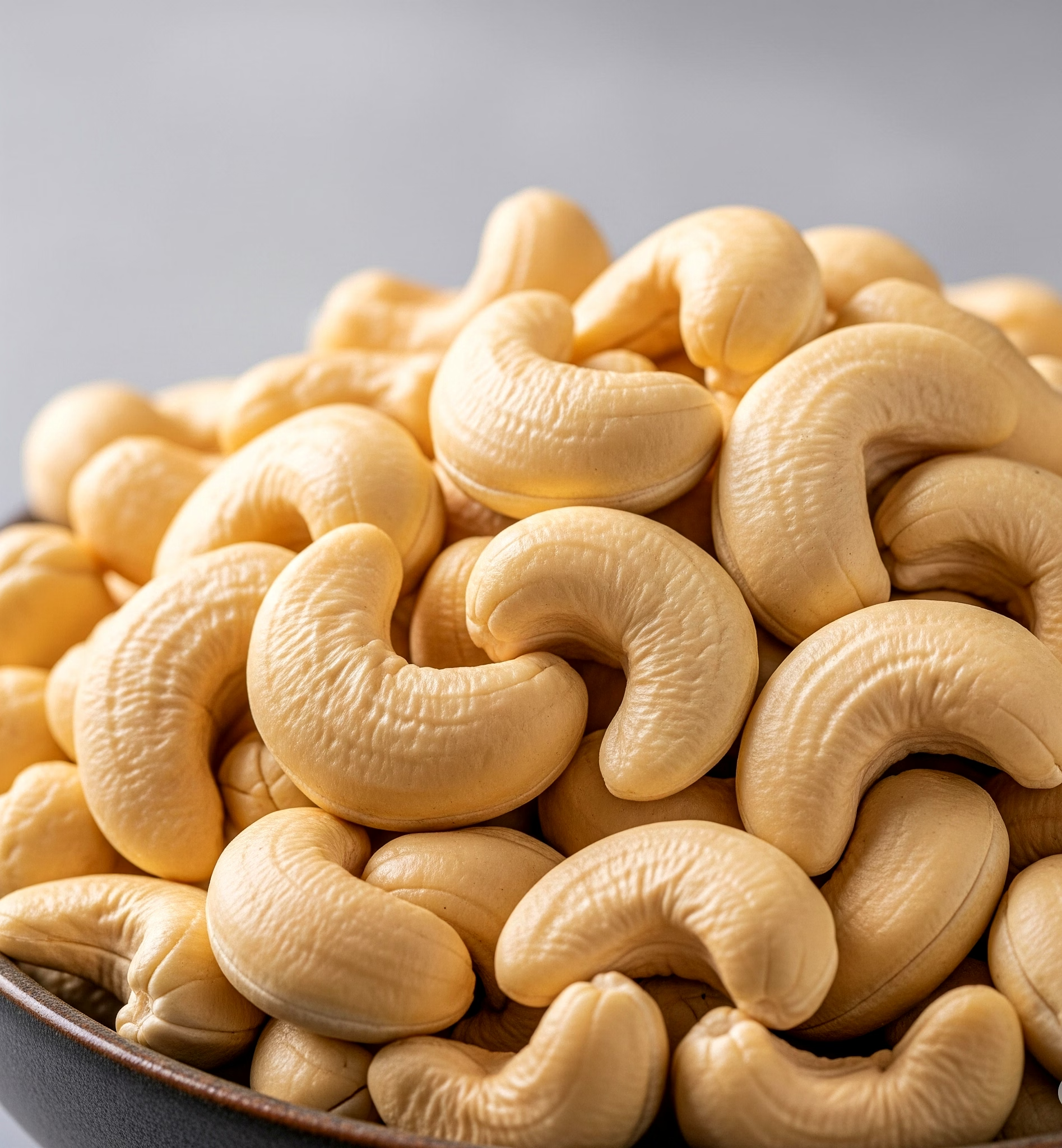
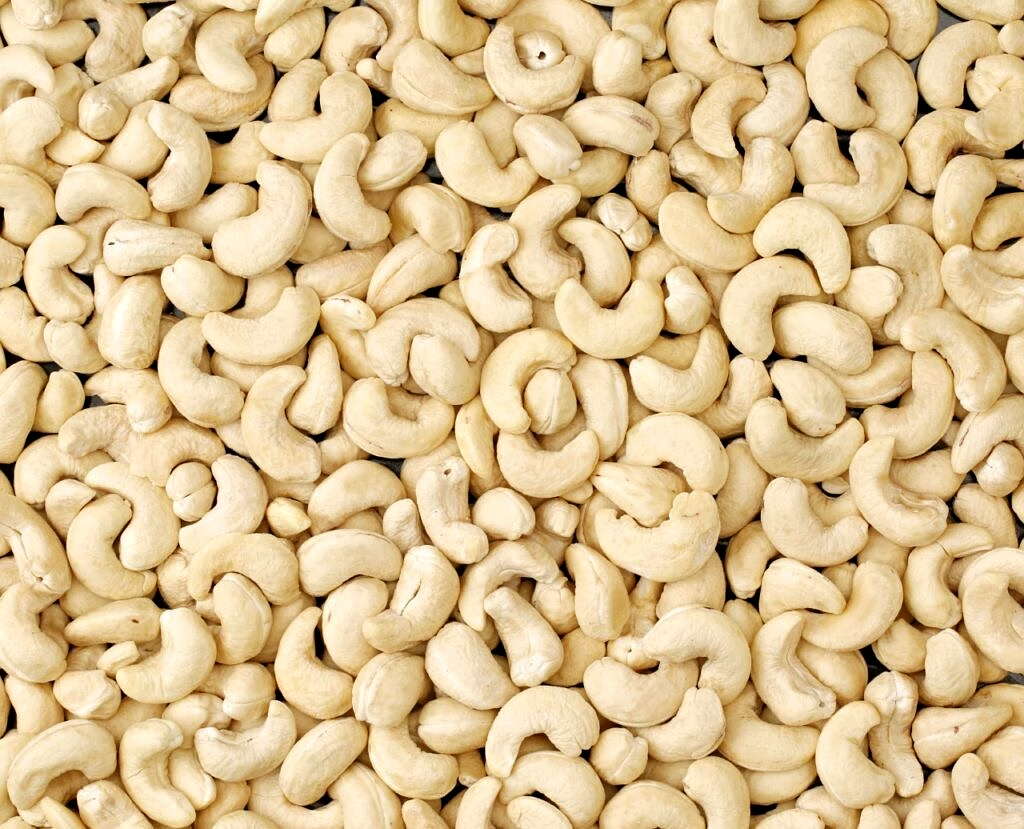
Cashew Kernels are the premium edible seeds sourced from the cashew nut, the fruit of the cashew tree (Anacardium occidentale L.). Renowned for their distinctive kidney shape and creamy, buttery texture, these kernels undergo meticulous processing including roasting or steaming, shelling, and peeling to ensure high-quality, wholesome nuts. Available in various grades such as WW 180, WW 210, WW 240, WW 320, WW 400, LWP (Large White Pieces), SWP (Splits White Pieces), and BB (Broken Bits), these cashew kernels cater to diverse commercial requirements. They are extensively used in the food and hospitality industries as premium snacks, gourmet ingredients, or components in confectionery, bakery items, curries, salads, and dairy alternatives like cashew butter and milk. Rich in healthy fats, proteins, essential vitamins, and minerals, cashew kernels offer both nutritional benefits and culinary versatility, making them an ideal ingredient for businesses involved in food production, wholesale distribution, and food service sectors.
Key Features
| Features | Description |
|---|---|
| Source | Extracted from cashew nut (Anacardium occidentale L.) |
| Texture | Creamy and buttery with a distinct kidney shape |
| Available Grades | WW 180, WW 210, WW 240, WW 320, WW 400, LWP, SWP, BB |
| Processing Method | Includes roasting or steaming, shelling, and peeling |
| Culinary Uses | Snack, curries, stir-fries, salads, desserts, cashew butter, and milk |
| Nutritional Profile | High in healthy fats, protein, vitamins, and minerals |
| Product Form | Whole, splits, large pieces, and broken bits |
| Packaging | Bulk packaging options for commercial use |
| Shelf Life | Long-lasting when stored in cool, dry conditions |
| Attributes | Description |
|---|---|
| Botanical Name | Anacardium occidentale L. |
| Grades Available | WW 180 / WW 210 / WW 240 / WW 320 / WW 400 / LWP / SWP / BB |
| Kernel Type | Whole White (WW), Large White Pieces (LWP), Splits White Pieces (SWP), Broken Bits (BB) |
| Moisture Content | Typically below 5% |
| Fat Content | Approximately 46-48% |
| Protein Content | Approx. 18-21% |
| Packaging Type | Food-grade bulk bags or containers tailored for B2B traders |
| Shelf Life | 6 to 12 months when stored properly |
| Origin | Grown in tropical climates, primarily sourced from major cashew-producing countries |
*Disclaimer: The above description has been AI-generated and has not been audited or verified for accuracy. It is recommended to verify product details independently before making any purchasing decisions.
WW (Whole White) grades indicate whole cashew kernels sorted by size (e.g., WW 180 means 180 kernels per pound). LWP (Large White Pieces) and SWP (Splits White Pieces) refer to large broken pieces and smaller split pieces respectively, while BB (Broken Bits) are smaller fragments. These classifications affect pricing, texture, and culinary use.
Processing like roasting or steaming removes the shell and the toxic cashew shell oil safely while enhancing flavor. Proper shelling and peeling without damaging the kernel ensures premium appearance and texture, critical for food industry standards.
Yes, these premium kernels are ideal for producing cashew-based dairy alternatives such as cashew milk, cheese, and butter, thanks to their creamy texture and nutritional profile.
To maximize shelf life (up to 12 months), store cashew kernels in cool, dry, and airtight conditions, away from strong odors and direct sunlight, which can degrade quality.
Yes, whole kernels (WW grades) are preferred for premium snacks and gourmet cooking, while splits and broken bits (LWP, SWP, BB) are commonly used in processed foods, bakery fillings, and products requiring smaller nut pieces.
Country Of Origin: India
Cashew kernels are the edible seeds inside cashew nuts, known for their distinctive kidney shape and creamy texture. They are a popular snack and versatile ingredient in various cuisines, enjoyed roasted, salted, or incorporated into dishes.
available in WW 180 / WW 210 / WW 240 / WW 320 / WW 400 / LWP / SWP / BB
Source: Cashew kernels are extracted from the cashew nut, which is the fruit of the cashew tree (Anacardium occidentale L.).
Processing: Raw cashew nuts undergo processing, including roasting or steaming, shelling, and peeling, to produce the edible kernels.
Culinary Uses: Cashew kernels are a popular snack and are used in various dishes, including curries, stir-fries, salads, and desserts. They can also be processed into cashew butter, milk, and other dairy alternatives.
Nutritional Value: Cashew kernels are a good source of healthy fats, protein, vitamins, and minerals.