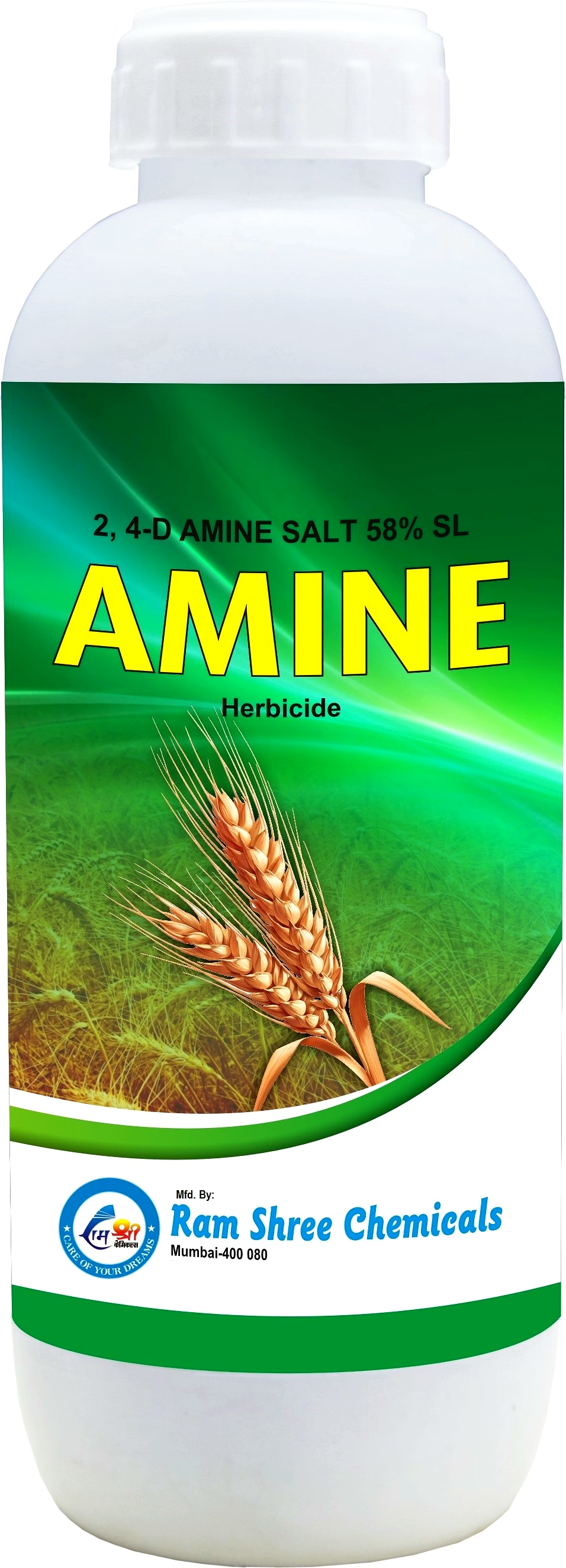
2,4-D (2,4-Dichlorophenoxyacetic acid) is an effective systemic, post-emergence herbicide designed specifically for broadleaf weed control in a variety of agricultural and non-agricultural settings. It works by mimicking natural auxin plant hormones, inducing abnormal growth that disrupts weed life cycles and results in plant death. Ideal for use in cereal crops such as maize, rice, as well as sugarcane, pastures, and turf, 2,4-D offers selective weed management without harming grasses and monocots. The herbicide is translocated through plant tissues ensuring thorough control of broadleaf weeds after emergence. This product is available in multiple chemical formulations including salt and ester variants to suit different crop and environmental conditions. 2,4-D remains a cost-effective and versatile solution for farmers and agribusinesses looking to maximize crop yields while maintaining clean fields free from competitive broadleaf weed species.
Key Features
| Features | Description |
|---|---|
| Selective Weed Control | Targets broadleaf weeds without damaging cereal and grass crops |
| Systemic Herbicide | Absorbed and translocated throughout the plant for effective control |
| Crop Compatibility | Safe and effective for use on cereals, maize, rice, sugarcane, pastures, and turf |
| Formulations Available | Available in multiple salt and ester formulations to suit varying crop needs and conditions |
| Application Timing | Post-emergence application ensures control of emerged broadleaf weeds |
| Cost-Effectiveness | Provides efficient weed management at economical rates |
| Versatile Use | Effective in both agricultural crops and non-crop areas |
| Attributes | Description |
|---|---|
| Chemical Name | 2,4-Dichlorophenoxyacetic acid |
| Mode of Action | Synthetic auxin hormone mimetic causing uncontrolled growth in broadleaf weeds |
| Target Weeds | Broadleaf weeds |
| Application Timing | Post-emergence |
| Crops Recommended For | Cereal crops (maize, rice), sugarcane, pastures, turf |
| Formulations | Multiple, including salt and ester types |
| Appearance | Liquid (varies by formulation) |
| Usage Method | Spray application |
| Packaging Options | Varies according to manufacturer and distributor |
*Disclaimer: The above description has been AI-generated and has not been audited or verified for accuracy. It is recommended to verify product details independently before making any purchasing decisions.
Yes, 2,4-D is selective for broadleaf weeds and is safe for use on rice crops when applied according to recommended guidelines.
2,4-D is available in multiple formulations including salt and ester types, allowing customization based on crop type, application conditions, and weed species.
2,4-D targets broadleaf weeds specifically and is not effective against grassy weeds; it should be used as part of an integrated weed management strategy.
2,4-D should be applied post-emergence, after broadleaf weeds have emerged but before they become too mature for effective control.
Yes, it is effective for controlling broadleaf weeds in turf and pasture areas without harming desirable grass species.
Country Of Origin: India
2,4-D is a widely used systemic, post-emergence herbicide that controls broadleaf weeds in cereal crops, sugarcane, pastures, and non-crop areas. It mimics natural plant growth hormones (auxins), causing uncontrolled and unsustainable growth in susceptible plants, leading to their death.
✅ Key Features & Benefits:
Selective herbicide for broadleaf weed control
Systemic action for effective translocation
Ideal for cereals, maize, rice, sugarcane, and turf
Cost-effective weed management solution
Available in multiple salt/ester formulations