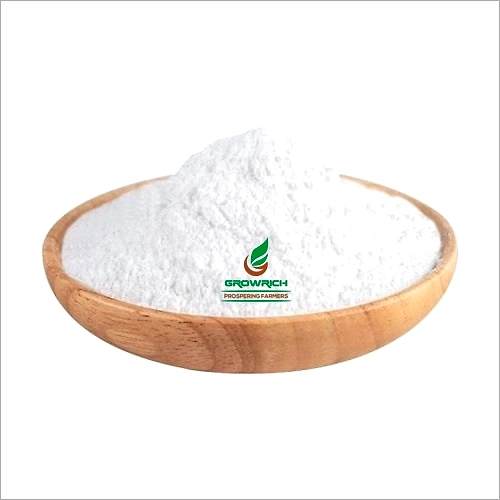
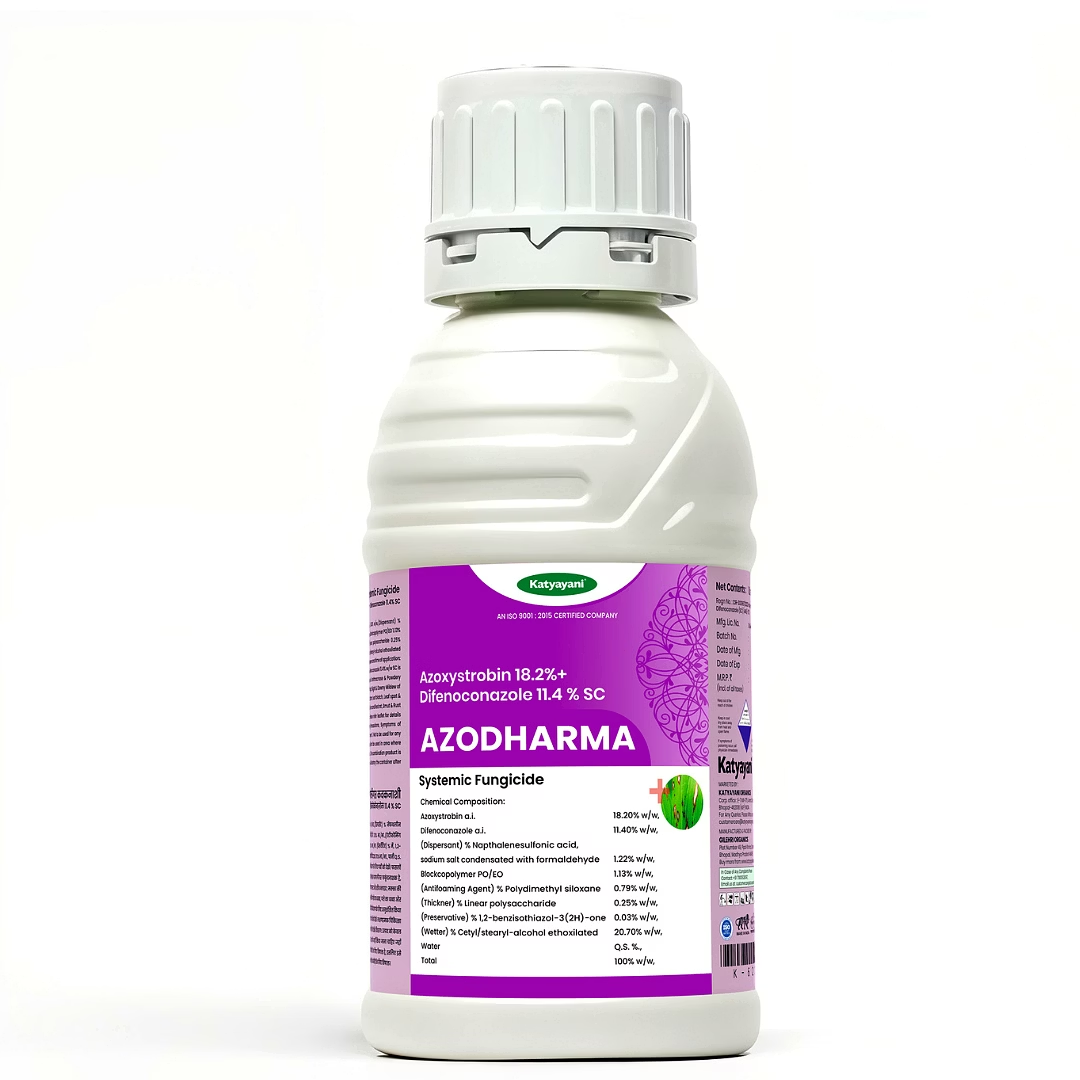
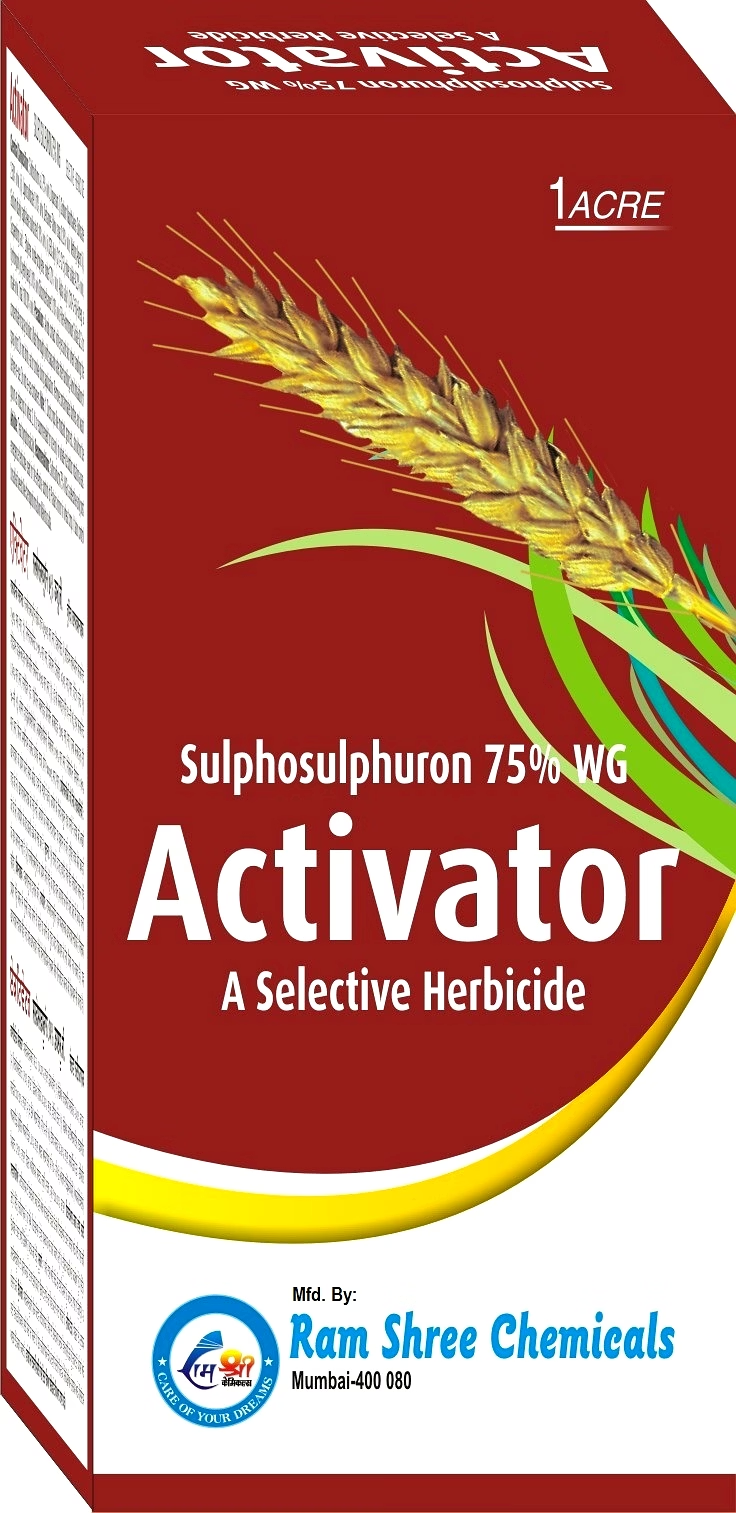
Sulfosulfuron is a potent post-emergence selective herbicide specifically formulated for wheat crops to control a broad spectrum of grassy and broadleaf weeds. It primarily targets problematic weeds such as Phalaris minor, Avena ludoviciana, Chenopodium album, and Melilotus species, making it essential for maintaining high wheat yield quality. Sulfosulfuron operates by inhibiting the enzyme acetolactate synthase (ALS), which is critical in the synthesis of amino acids in weed plants, leading to their effective suppression after emergence. This herbicide offers a systemic mode of action, ensuring it translocates through the plant tissues for comprehensive weed control. It is known for its low application rates, which reduces costs and environmental impact, while its compatibility with common tank mix partners like 2,4-D and Metsulfuron enhances weed management strategies. Sulfosulfuron is safe for wheat crops when used as directed, guaranteeing minimal crop injury while maximizing efficacy against harmful weeds. Ideal for use in wheat cultivation, it supports better crop health and improves overall productivity by effectively managing competitive weed species.
Key Features
| Features | Description |
|---|---|
| Herbicide Type | Post-emergence, selective |
| Target Crops | Wheat |
| Weed Control Spectrum | Grassy and broadleaf weeds including Phalaris minor, Avena ludoviciana, Chenopodium album, Melilotus spp. |
| Mode of Action | ALS (Acetolactate Synthase) inhibitor |
| Application Timing | Post-emergence (after weed emergence) |
| Compatibility | Tank mix compatible with 2,4-D and Metsulfuron |
| Dosage Efficiency | Low dosage, cost-effective per acre |
| Crop Safety | Safe for wheat when used as recommended |
| Action Type | Systemic, translocates through plant tissues |
| Attributes | Description |
|---|---|
| Chemical Name | Sulfosulfuron |
| Formulation Type | Water-dispersible granules or liquid formulation |
| Active Ingredient Concentration | Typically 75% WP or as per formulation |
| Application Rate | 15-25 grams per hectare depending on infestation |
| Method of Application | Spraying as post-emergent herbicide |
| Crop Safety Interval | Apply when wheat is at early post-emergence stage |
| Storage Conditions | Store in a cool, dry place away from direct sunlight |
| Packaging | Available in 100 gm to 1 kg packs |
*Disclaimer: The above description has been AI-generated and has not been audited or verified for accuracy. It is recommended to verify product details independently before making any purchasing decisions.
Sulfosulfuron is safe for most commonly grown wheat varieties when applied as recommended; however, it is important to follow crop-specific guidelines to avoid phytotoxicity.
Yes, Sulfosulfuron is compatible with tank mix partners such as 2,4-D and Metsulfuron, allowing enhanced control of diverse weed species.
Sulfosulfuron should be applied post-emergence, after the weeds have emerged but while wheat is still in the early growth stages for optimal effectiveness.
Yes, Sulfosulfuron is effective against a spectrum of grassy weeds including Phalaris minor and broadleaf weeds such as Chenopodium album and Melilotus spp.
The typical recommended dose ranges between 15 to 25 grams per hectare depending on the severity of weed infestation.
Sulfosulfuron functions as a systemic herbicide, translocating through the plant tissues to provide comprehensive weed control.
Country Of Origin: India
Sulfosulfuron is a post-emergence, selective herbicide used primarily in wheat for the control of grassy and broadleaf weeds. It is highly effective against Phalaris minor, Avena ludoviciana, Chenopodium album, Melilotus spp., and others. It works by inhibiting acetolactate synthase (ALS), disrupting amino acid synthesis in weeds.
✅ Key Features & Benefits:
Controls both grasses and broadleaf weeds
Applied after weed emergence – post-emergent action
Low dosage and cost-effective per acre
Compatible with tank mix partners like 2,4-D and Metsulfuron
Safe to wheat crop when used as directed
Systemic mode of action – translocated through plant tissue