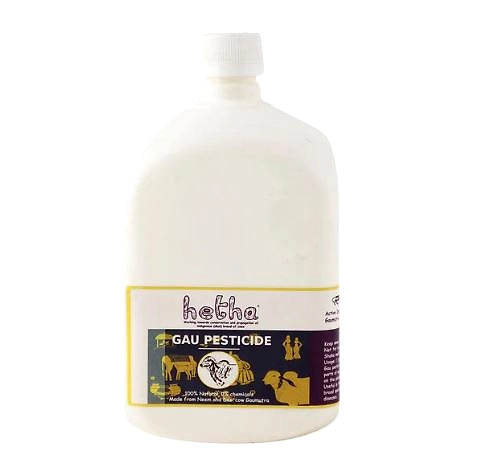
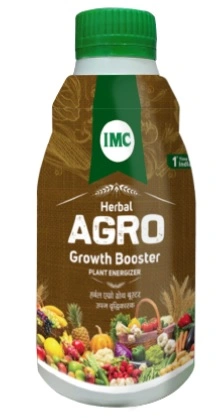
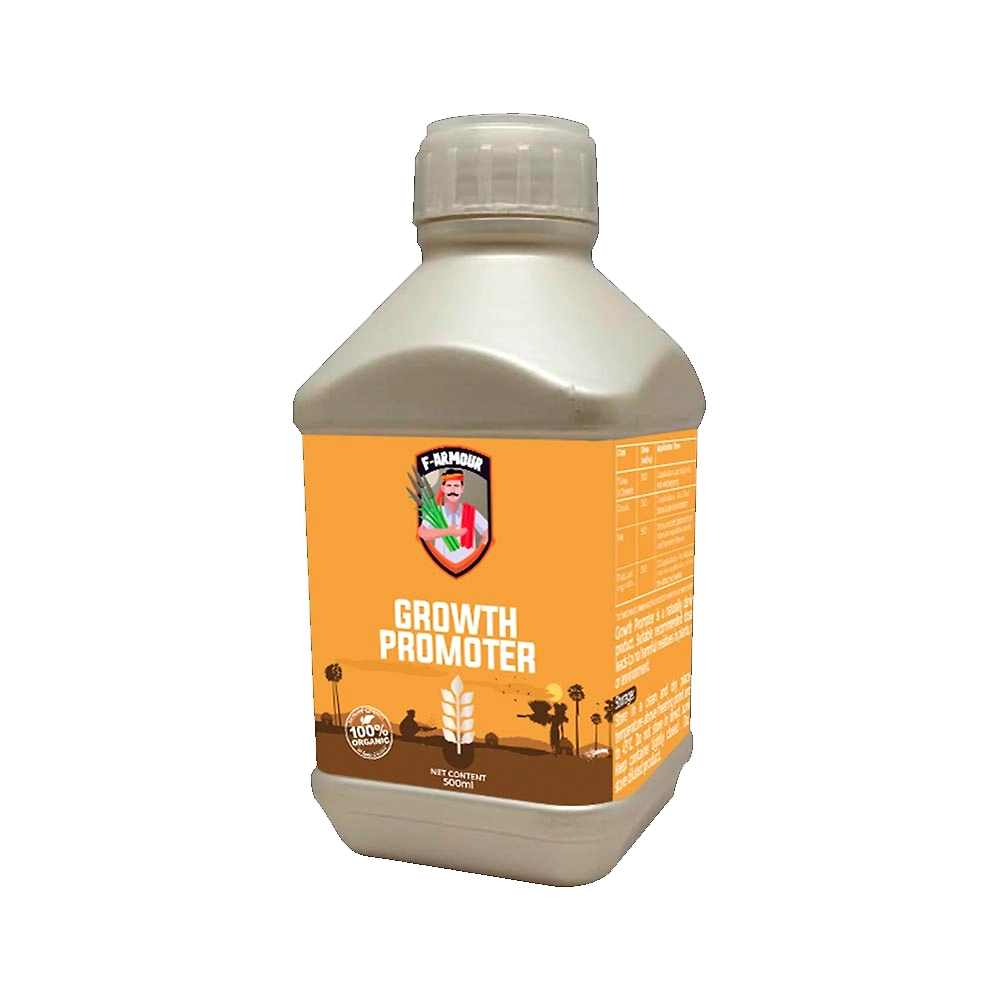
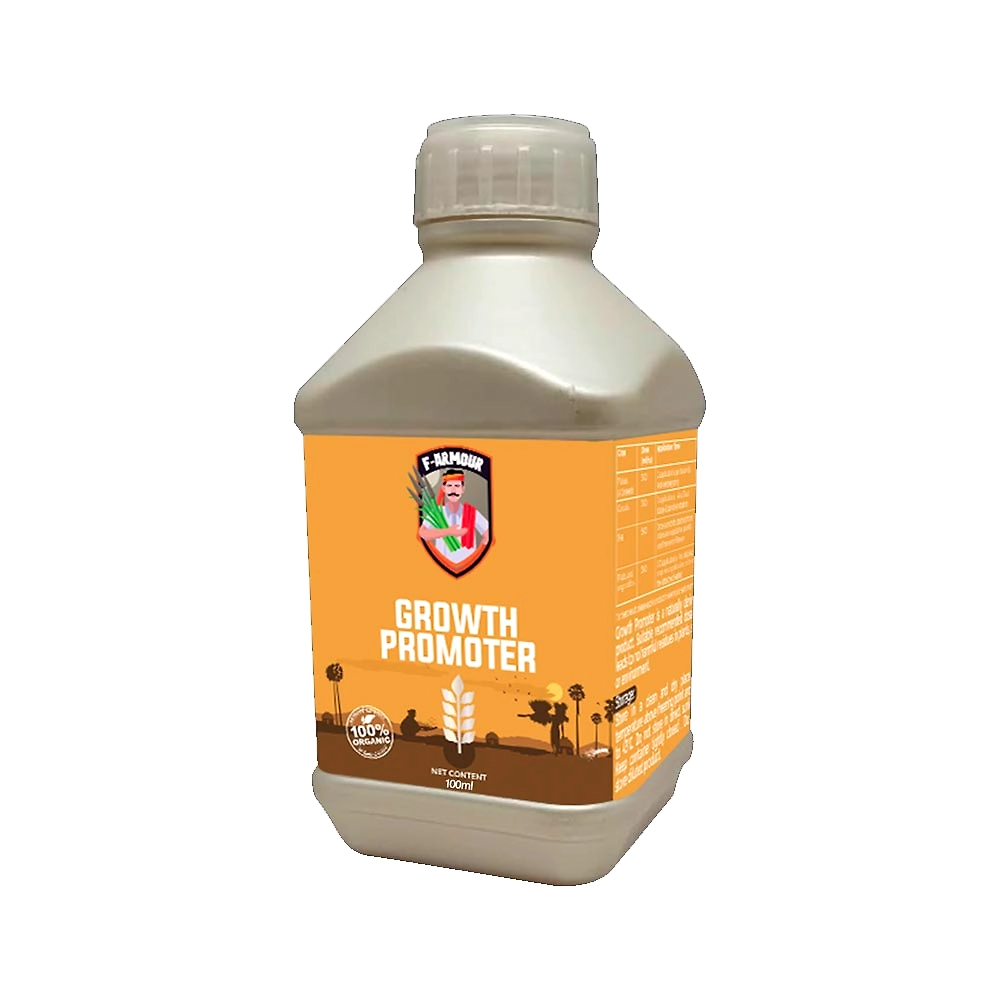
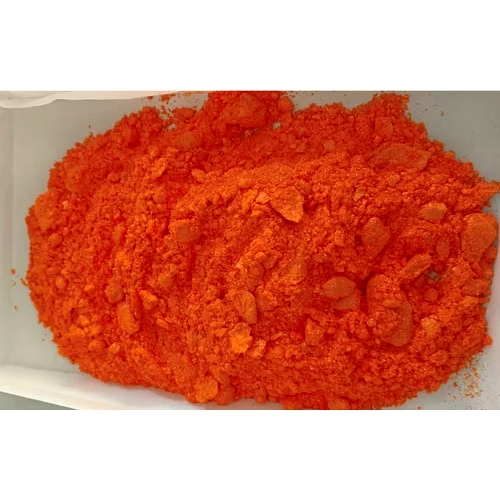
Gibberellic Acid (GA3) is a potent plant growth regulator widely utilized in agriculture and horticulture to enhance plant development. This natural plant hormone promotes rapid cell elongation and division, accelerating early flowering, augmenting fruit size, and boosting overall crop productivity. Our Gibberellic Acid is available in multiple formulations, including liquid, powder, and tablet forms, and various concentrations such as 0.001%, 0.186%, 20%, and 40% to cater to diverse agricultural needs. It is specifically formulated for use on a variety of crops including fruits like grapes, mangoes, apples, and citrus; vegetables such as tomato, brinjal, cucumber, and chilli; cereals including paddy, wheat, and maize; as well as commercial crops like sugarcane and cotton. Additionally, it is effective for flowering plants and ornamentals, making it a versatile solution for farmers and commercial growers seeking enhanced crop yield and improved plant health.
Key Features
| Features | Description |
|---|---|
| Active Ingredient | Gibberellic Acid (GA3) |
| Concentration Options | 0.001%, 0.186%, 20%, 40% |
| Available Forms | Liquid, Powder, Tablet |
| Primary Function | Stimulates cell elongation and division to promote growth |
| Crop Compatibility | Fruits, Vegetables, Cereals, Commercial Crops, Ornamentals |
| Key Benefits | Early flowering, increased fruit size, improved crop yield |
| User Group | Farmers, Commercial Growers, Horticulturists |
| Application | Foliar spray, soil treatment, or seed treatment depending on formulation |
| Packaging | Varies according to formulation and concentration |
| Attributes | Description |
|---|---|
| Chemical Name | Gibberellic Acid (GA3) |
| Molecular Formula | C19H22O6 |
| Appearance | White crystalline powder or clear liquid depending on form |
| Purity | Typically 90% or higher depending on grade |
| pH Range | 4.0 - 6.0 (aqueous solution) |
| Storage Conditions | Store in a cool, dry place away from direct sunlight |
| Shelf Life | 24 months from manufacturing date when stored properly |
| Dosage/Concentration | Varies by crop and application method, generally from 10 ppm to 500 ppm |
| Application Methods | Foliar spray, seed treatment, soil application |
*Disclaimer: The above description has been AI-generated and has not been audited or verified for accuracy. It is recommended to verify product details independently before making any purchasing decisions.
Gibberellic Acid is available in concentrations ranging from as low as 0.001% up to 40%, allowing growers to select formulations tailored to specific crop needs and application methods.
Liquid formulations are generally used for foliar spraying, powder for seed treatments or soil application, and tablets provide a controlled release mechanism suited for certain horticultural uses.
Yes, this GA3 product is formulated for safe and effective use on a wide variety of food crops such as fruits, vegetables, cereals, as well as ornamental and flowering plants.
In cereals like paddy and wheat, Gibberellic Acid promotes enhanced stem elongation leading to greater biomass, early flowering, and potentially increased grain size, contributing to improved yields.
It should be stored in a cool, dry place away from direct sunlight with proper sealing to preserve the product’s stability and effectiveness over its 24-month shelf life.
Country Of Origin: India
Gibberellic Acid (GA3) is a naturally occurring plant hormone widely used as a growth regulator in agriculture and horticulture. This highly effective product stimulates cell elongation and division, resulting in enhanced plant growth, early flowering, increased fruit size, and improved overall crop yield. It is suitable for a wide range of crops including fruits, vegetables, cereals, and ornamental plants.
Available in different concentrations (0.001%, 0.186%, 20%, 40%) and forms (liquid, powder, tablet), our Gibberellic Acid formulation ensures flexibility and ease of use for farmers and commercial growers.
✅ Suitable For:
Fruits: Grapes, Mango, Apple, Citrus
Vegetables: Tomato, Brinjal, Cucumber, Chilli
Cereals: Paddy, Wheat, Maize
Commercial Crops: Sugarcane, Cotton
Flowers & Ornamentals