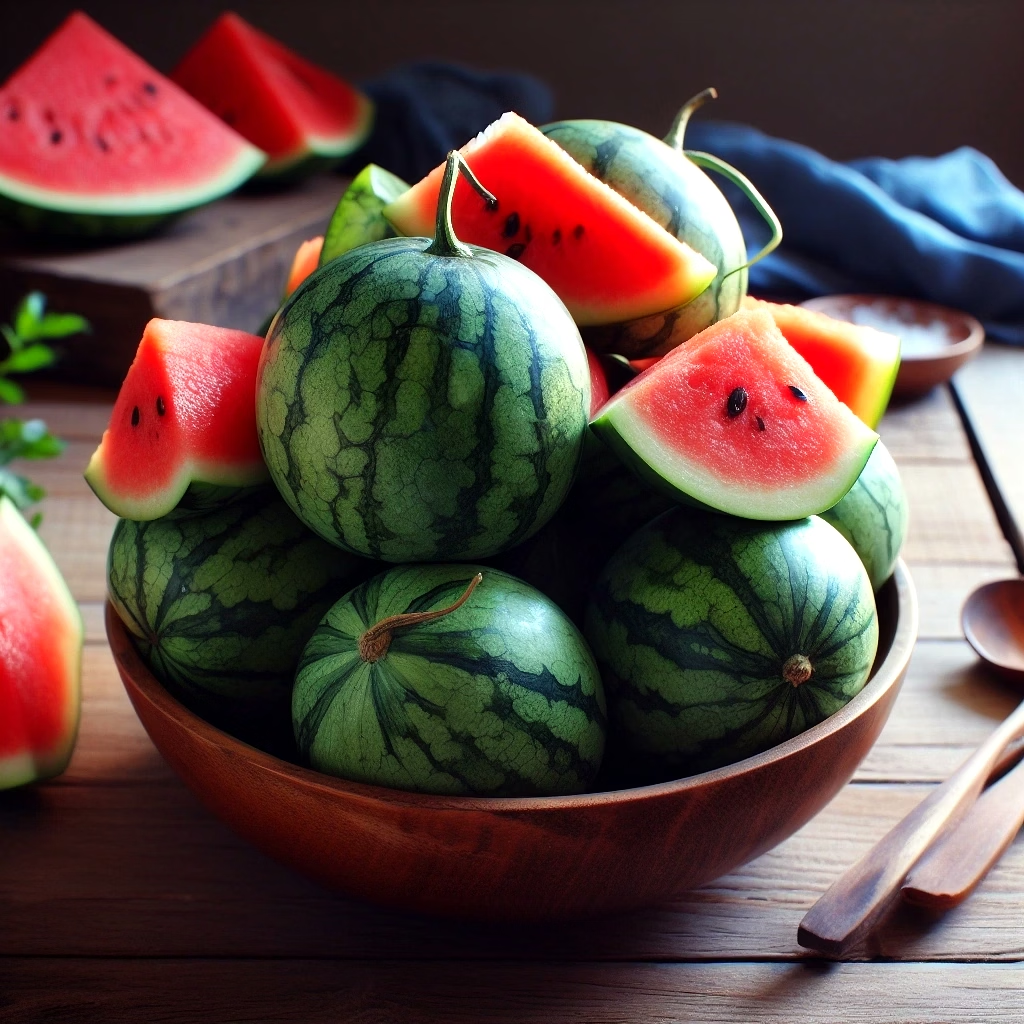
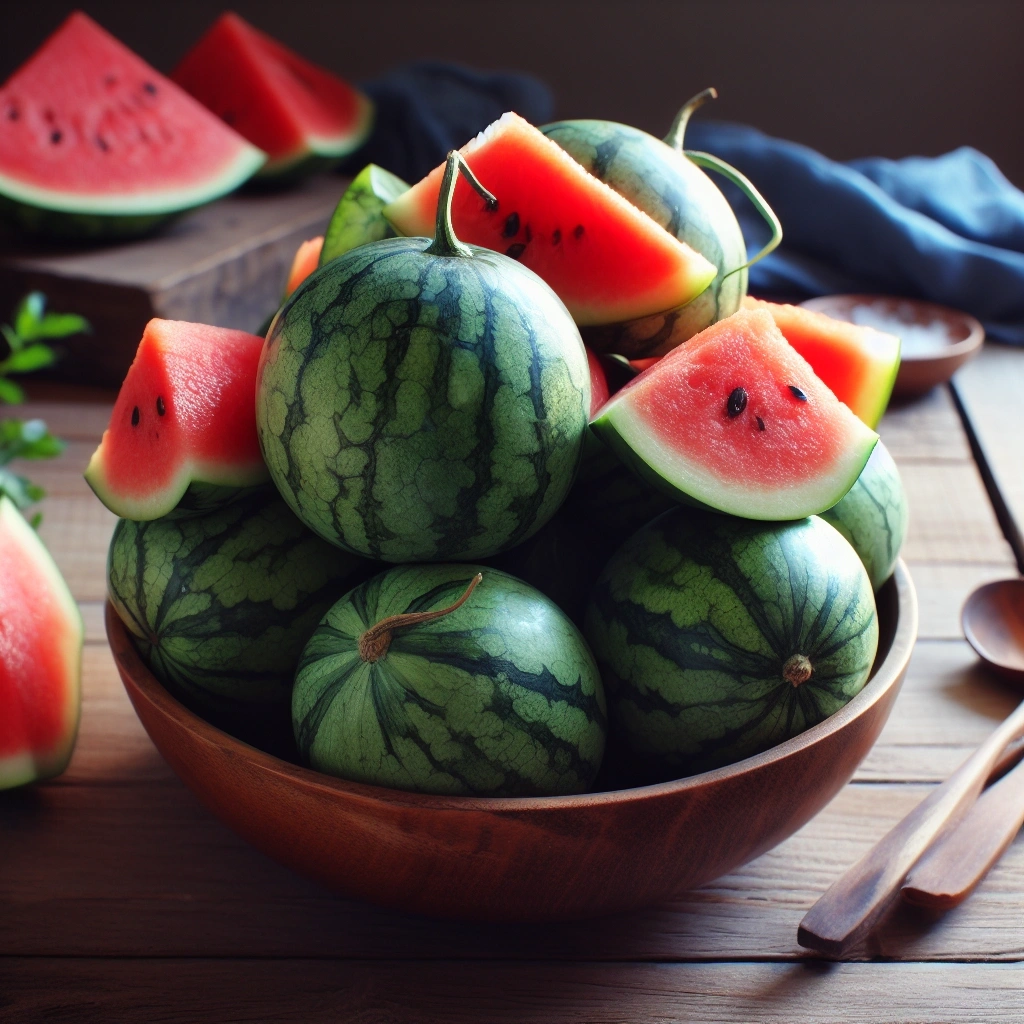
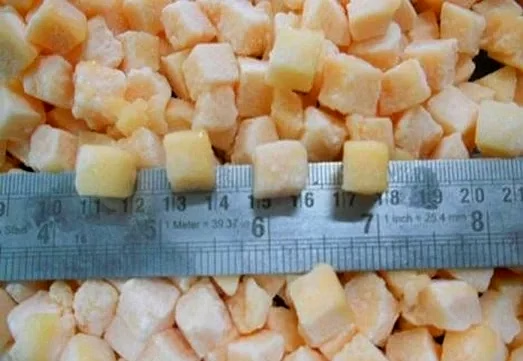
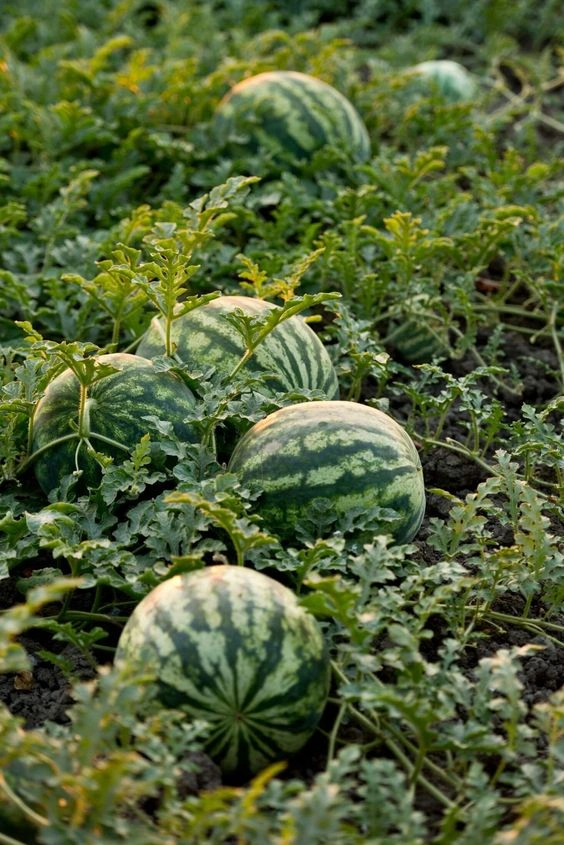
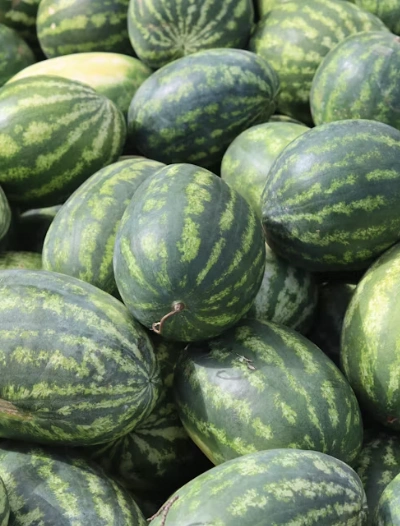
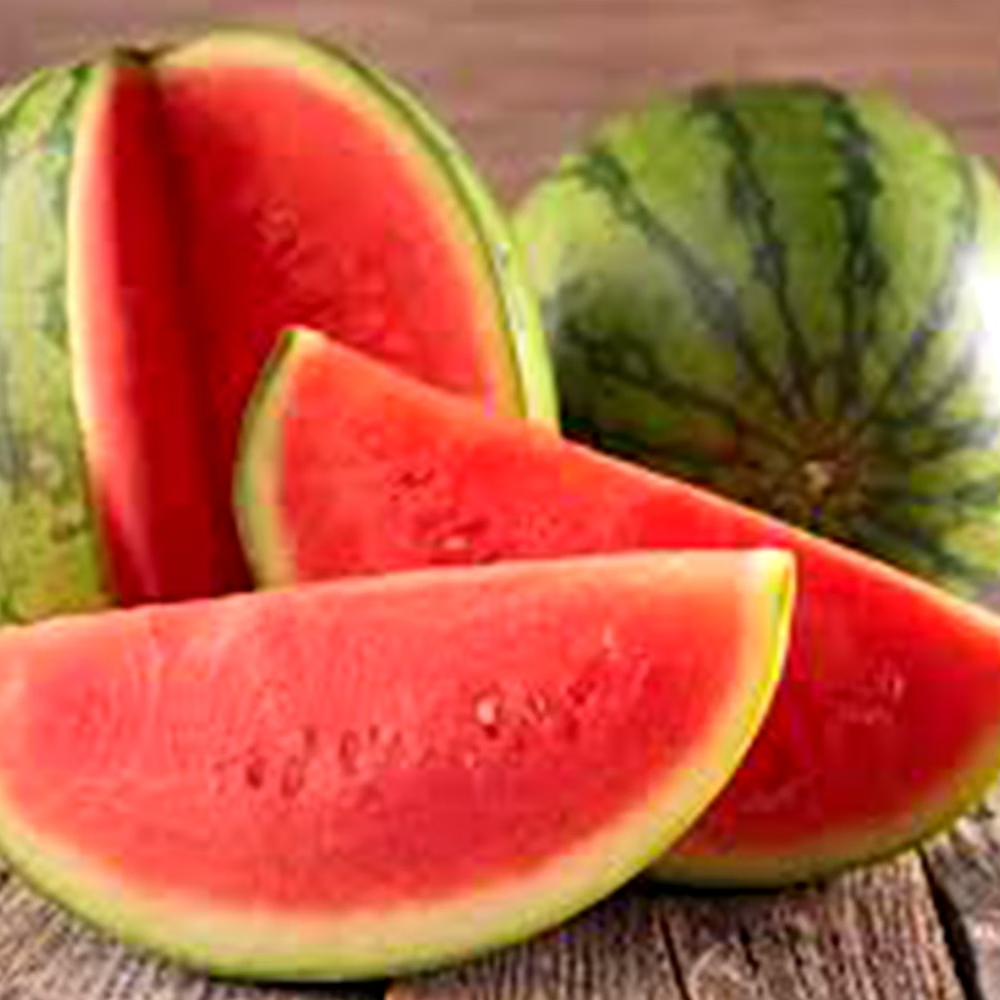
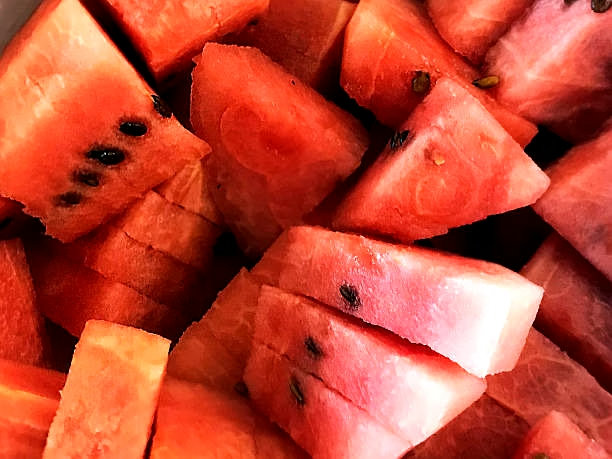
Watermelon (Citrullus lanatus) is a highly sought-after fruit in the agricultural and food supply industry, valued for its refreshing taste, vibrant appearance, and high water content. Cultivated across various climates, watermelons feature a thick green rind marked with lighter stripes, encasing juicy, sweet flesh commonly red or pink, with rarer yellow and seedless varieties available to meet diverse market demands. Their botanical classification under the Cucurbitaceae family, alongside cucumbers and pumpkins, underscores their relevance in crop rotation and sustainable farming systems. Watermelons excel in quenching thirst due to their crisp texture and 90% water content, making them ideal for hot climates and summer seasons. Perfect for wholesale distribution, foodservice suppliers, and fresh produce retailers, fresh watermelons can enhance product portfolios while catering to rising consumer demand for hydrating and nutritious fruits. Their multipurpose usage ranges from fresh consumption, juicing, to inclusion in salads and desserts, which adds to their commercial appeal in both domestic and international B2B markets.
Key Features
| Features | Description |
|---|---|
| Botanical Name | Citrullus lanatus |
| Family | Cucurbitaceae |
| Origin | Africa |
| Appearance | Thick green rind with lighter green stripes |
| Flesh Color | Typically red or pink; also available in yellow and seedless varieties |
| Seed Color | Black or brown |
| Flavor Profile | Sweet and juicy |
| Texture | Crisp and hydrating |
| Water Content | Approximately 90% |
| Primary Use | Fresh consumption, juicing, salads, desserts |
| Attributes | Description |
|---|---|
| Average Weight | 4 to 12 kg per fruit (varies by variety) |
| Shelf Life | 7-10 days refrigerated, 3-5 days at room temperature |
| Growing Season | Warm seasons; primarily summer |
| Harvesting Method | Handpicked at ripeness |
| Packaging | Bulk crates or cartons with protective lining |
| Storage Temperature | 10-15°C recommended for best freshness |
| Export Compliance | Subject to phytosanitary certification depending on region |
| Nutritional Content | Rich in Vitamin C, Vitamin A, and antioxidants |
*Disclaimer: The above description has been AI-generated and has not been audited or verified for accuracy. It is recommended to verify product details independently before making any purchasing decisions.
Bulk supply options typically include traditional red/pink flesh watermelons, yellow flesh varieties, and seedless types catering to different consumer preferences.
Watermelons should be stored in a temperature-controlled environment between 10-15°C, avoiding refrigeration too cold to prevent chilling injury, and packaged securely to reduce damage.
Yes, these watermelons are suitable for export, subject to compliance with phytosanitary regulations and certifications varying by importing country, including inspections for pests and proper packaging standards.
Under recommended storage conditions (10-15°C), watermelons generally maintain quality for about 7-10 days; at room temperature, shelf life decreases to approximately 3-5 days.
Watermelon availability is primarily seasonal, peaking in warm summer months, though controlled-environment agriculture and imports can extend supply periods depending on sourcing strategies.
Country Of Origin: India
Watermelon, scientifically known as Citrullus lanatus, is a refreshing and hydrating fruit that is popular during the summer months. Here are some key aspects of watermelons:
Botanical Information:
Watermelon belongs to the Cucurbitaceae family, which also includes cucumbers and pumpkins.
Origin:
Watermelons are believed to have originated in Africa, and they have been cultivated for thousands of years.
Appearance:
The fruit has a thick green rind with lighter green stripes. The inside flesh is typically red or pink, although there are also yellow and seedless varieties.
The seeds are black or brown and are found throughout the flesh.
Flavor and Texture:
Watermelon has a sweet and juicy flavor.
The flesh is crisp and hydrating, making it a popular choice for quenching thirst on hot days.
Watermelon, scientifically known as Citrullus lanatus, is a refreshing and hydrating fruit that is popular during the summer months. Here are some key aspects of watermelons:
Botanical Information:
Watermelon belongs to the Cucurbitaceae family, which also includes cucumbers and pumpkins.
Origin:
Watermelons are believed to have originated in Africa, and they have been cultivated for thousands of years.
Appearance:
The fruit has a thick green rind with lighter green stripes. The inside flesh is typically red or pink, although there are also yellow and seedless varieties.
The seeds are black or brown and are found throughout the flesh.
Flavor and Texture:
Watermelon has a sweet and juicy flavor.
The flesh is crisp and hydrating, making it a popular choice for quenching thirst on hot days.
Inclusive of all taxes
You Save: 0
Mumbai , India
Service Provider , Brand Owner, Distributor, Exporter, Importer, Wholesaler, Startup