• Key Features & Attributes
  • Ratings & Reviews
  • Know your Supplier
  • Product description from supplier

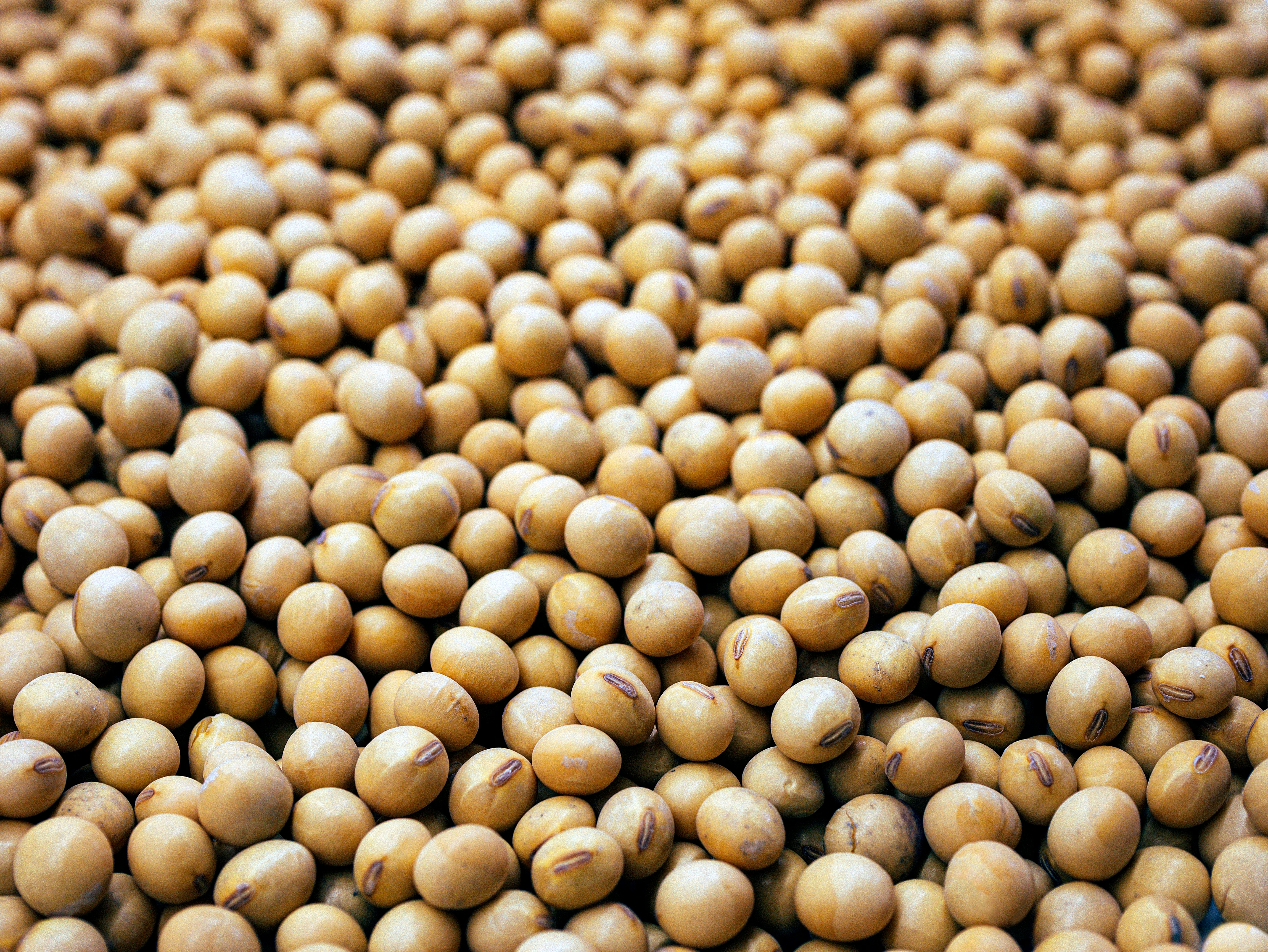
SOYA BEAN

Inclusive of all taxes

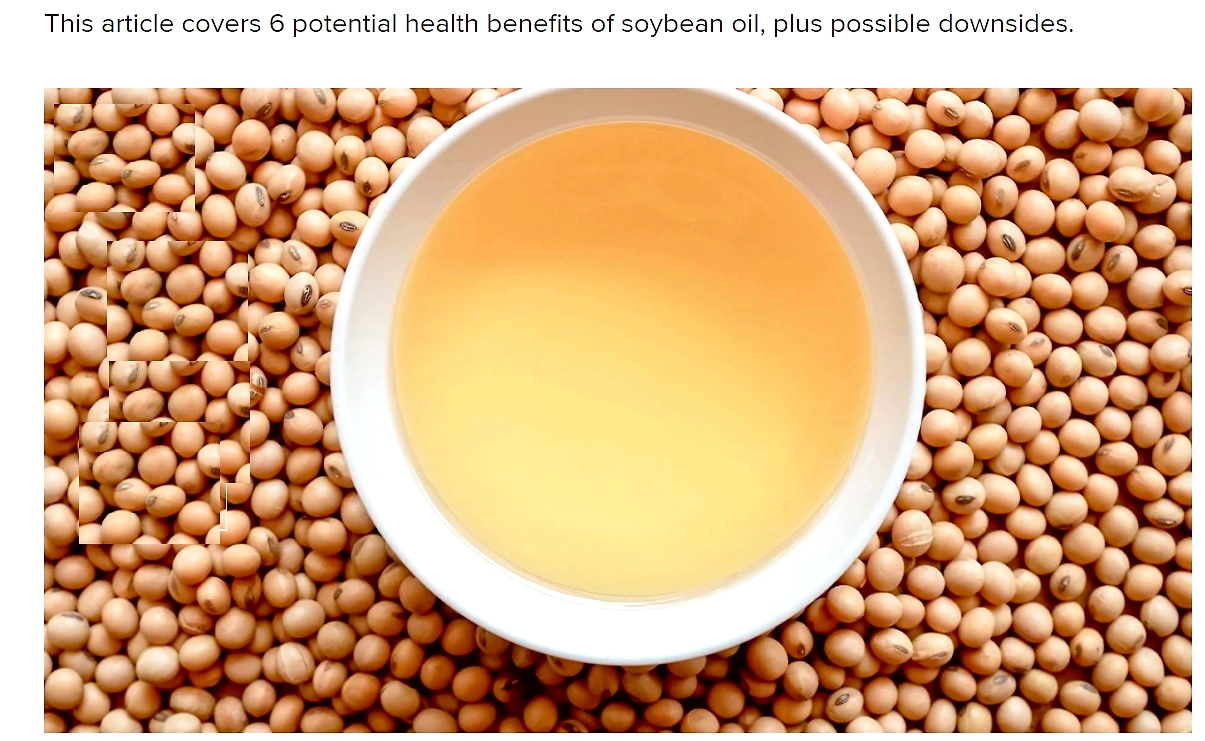
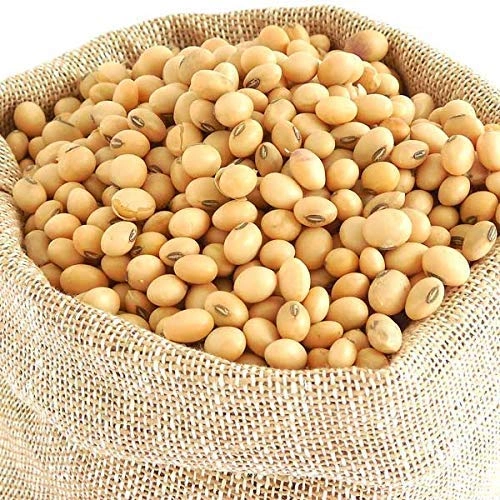
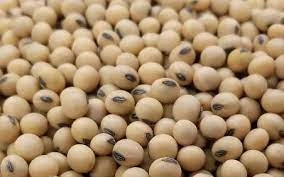
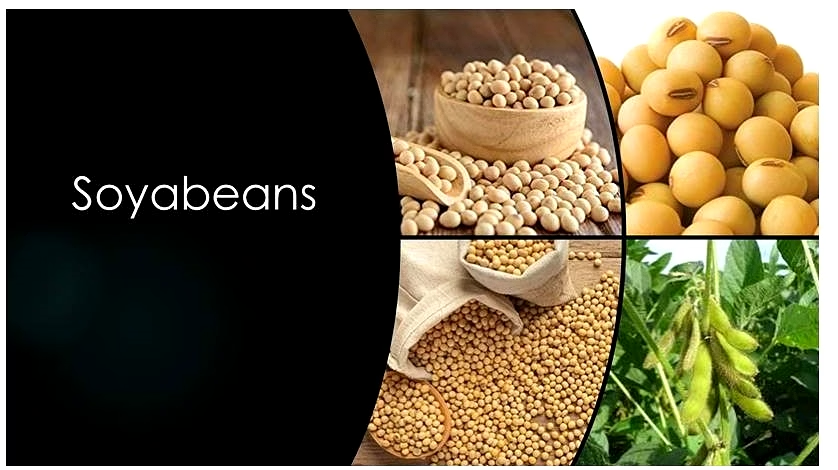
Soya Bean, commonly known as soybean, is a nutrient-dense legume native to East Asia that serves as a vital source of complete plant-based protein containing all essential amino acids. This versatile crop is extensively cultivated worldwide and is highly prized for its rich content of proteins, healthy fats, vitamins, and minerals. Soya Beans are consumed in multiple forms, including whole beans, soy milk, tofu, tempeh, miso, and edamame, serving diverse culinary and industrial applications. Tofu is created by coagulating soy milk into soft curds, absorbing flavors well, while soy milk is a popular non-dairy beverage alternative derived from ground and boiled soybeans. Tempeh and miso represent traditional fermented soy products offering distinct textures and flavors, and edamame beans are young green soybeans enjoyed as healthy snacks. Additionally, soybean oil extracted from the beans is widely used in cooking due to its high smoke point and versatility. Soya Beans also form the base for soy protein isolates and concentrates incorporated into numerous processed foods. Although nutritionally beneficial and sustainable as a protein source, soy cultivation has raised environmental concerns related to deforestation and habitat loss, particularly where land is cleared for agriculture. Moreover, a significant portion of commercially available soybeans is genetically modified for resistance against pests and herbicides, sparking discussions about GMO safety and environmental impact. Overall, Soya Bean is an essential agricultural commodity with substantial health benefits and broad applicability in the food industry, making it a key ingredient in vegetarian, vegan, and health-conscious diets worldwide.

Key Features

Features Description
Protein Content Complete plant-based protein with all essential amino acids
Nutritional Value Rich in healthy fats, vitamins, and minerals
Forms Available Whole beans, soy milk, tofu, tempeh, miso, edamame, soybean oil
Culinary Uses Used in beverages, snacks, cooking, sauces, processed foods
Soybean Oil High smoke point oil extracted for cooking and food processing
Fermented Products Includes tempeh and miso with distinct flavors and textures
Environmental Considerations Cultivation linked to deforestation in some regions
Genetically Modified Varieties Available to enhance pest and herbicide resistance
Dietary Suitability Ideal for vegetarians and vegans as protein source
Global Cultivation One of the most widely grown legume crops worldwide
Attributes Description
Scientific Name Glycine max
Origin East Asia
Protein Content Approximately 36-40% by weight
Fat Content 18-20% mainly unsaturated fats
Common Forms Whole beans, soy milk, tofu, tempeh, miso, edamame, soybean oil
Cultivation Type Annual leguminous crop
Environmental Impact Potential deforestation and habitat loss in some cultivation areas
GM Status Many commercial varieties genetically modified
Shelf Life Varies by product form; whole beans typically up to 12 months if stored properly
Protein Quality Complete protein source with all essential amino acids

*Disclaimer: The above description has been AI-generated and has not been audited or verified for accuracy. It is recommended to verify product details independently before making any purchasing decisions.

Be the first to write a review

Soya beans are available as whole beans, soy protein isolates and concentrates, soy milk base, tofu curds, and soybean oil, all of which serve as raw materials or ingredients for industrial food production.

A considerable portion of commercial soya beans is genetically modified for pest and herbicide resistance; users should verify the GMO status to comply with regional regulations and market requirements.

Soybeans provide complete protein used to produce soy protein isolates and concentrates, which are key ingredients in plant-based meat, dairy alternatives, and protein-enriched foods.

Businesses should source soya beans from suppliers that implement sustainable farming practices to mitigate risks of deforestation and ecological impact associated with conventional cultivation.

Raw soya beans typically have a shelf life of up to 12 months when stored in cool, dry, and airtight conditions to maintain quality and prevent spoilage.

  • Incorporation Type

  • GST

  • GST Registration Date

  • Number of Employees

  • Import Export Code (IEC)

  • Year of Establishment

  • Nature of Business

  • GlobalLinker Member Since

Country Of Origin: India

Soybeans, often referred to as soya beans, are a legume native to East Asia. They have become one of the most widely cultivated and consumed crops globally. Here are key points about soybeans:


Nutritional Content: Soybeans are highly nutritious and are considered a good source of protein, healthy fats, vitamins, and minerals. They are particularly rich in protein, making them a valuable plant-based protein source.


Protein Source: Soybeans are unique among plant-based foods because they contain all the essential amino acids, making them a complete protein source. This makes soy a popular choice for vegetarians and vegans.


Uses: Soybeans have a wide range of uses. They can be consumed in various forms, including whole soybeans, soy milk, tofu, tempeh, miso, and soy sauce. Additionally, soy protein isolate and soy protein concentrate are used as ingredients in many processed foods.


Tofu: Tofu, also known as bean curd, is a popular soy product. It is made by coagulating soy milk and pressing the resulting curds into soft, white blocks. Tofu has a neutral taste and absorbs the flavors of the ingredients it is cooked with.


Soy Milk: Soy milk is a plant-based alternative to cow's milk. It is produced by soaking, grinding, and boiling soybeans. Soy milk is commonly used as a dairy milk substitute in beverages, cereals, and cooking.


Tempeh: Tempeh is a traditional Indonesian fermented soy product. It is made by fermenting cooked soybeans with a tempeh culture. Tempeh has a firm texture and a nutty flavor.


Miso: Miso is a traditional Japanese seasoning produced by fermenting soybeans with salt and koji (a type of fungus). It is commonly used in soups, sauces, and marinades.


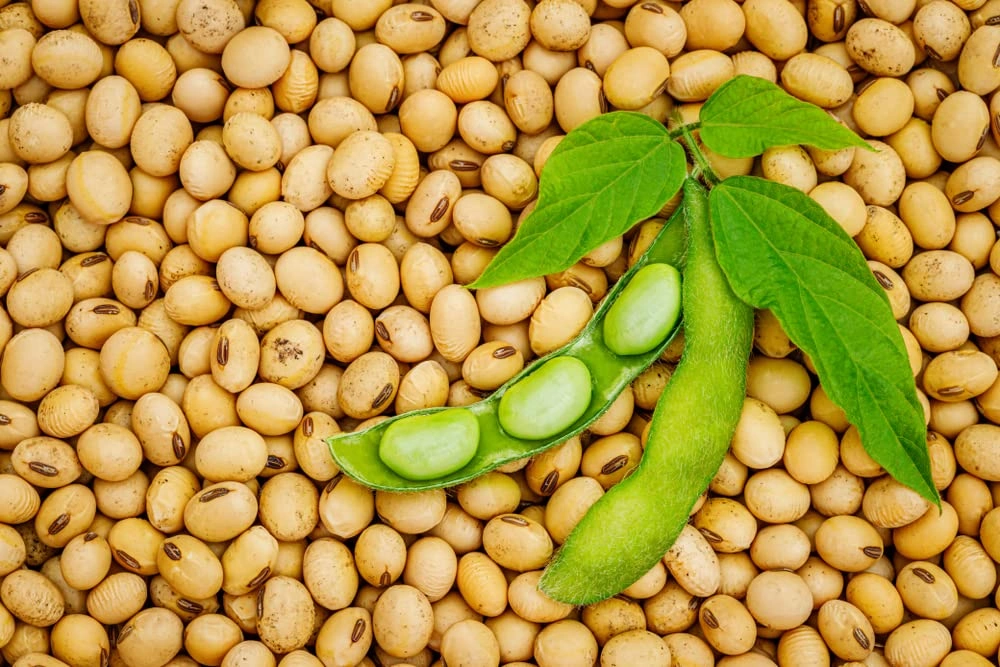
Edamame: Edamame are young, green soybeans still in the pod. They are often boiled or steamed and served as a snack or appetizer. Edamame is a popular and nutritious food in many cultures.


Soybean Oil: Soybean oil is extracted from soybeans and is widely used in cooking and food processing. It is a versatile oil with a high smoke point.


Environmental Impact: Soybeans are a major crop worldwide and have raised environmental concerns, particularly related to deforestation. In some regions, soy cultivation is associated with clearing land for agriculture, leading to habitat loss.


Genetically Modified (GM) Varieties: A significant portion of commercially grown soybeans is genetically modified to enhance traits such as resistance to pests or herbicides. This has led to debates and concerns regarding the environmental and health impacts of genetically modified organisms (GMOs).


Soybeans play a crucial role in global food production, providing a sustainable source of protein and serving as a versatile ingredient in various cuisines. However, it's essential to be mindful of the environmental and social considerations associated with soy cultivation, especially in regions where its production has led to deforestation and other ecological issues.

Soybeans, often referred to as soya beans, are a legume native to East Asia. They have become one of the most widely cultivated and consumed crops globally. Here are key points about soybeans:


Nutritional Content: Soybeans are highly nutritious and are considered a good source of protein, healthy fats, vitamins, and minerals. They are particularly rich in protein, making them a valuable plant-based protein source.


Protein Source: Soybeans are unique among plant-based foods because they contain all the essential amino acids, making them a complete protein source. This makes soy a popular choice for vegetarians and vegans.


Uses: Soybeans have a wide range of uses. They can be consumed in various forms, including whole soybeans, soy milk, tofu, tempeh, miso, and soy sauce. Additionally, soy protein isolate and soy protein concentrate are used as ingredients in many processed foods.


Tofu: Tofu, also known as bean curd, is a popular soy product. It is made by coagulating soy milk and pressing the resulting curds into soft, white blocks. Tofu has a neutral taste and absorbs the flavors of the ingredients it is cooked with.


Soy Milk: Soy milk is a plant-based alternative to cow's milk. It is produced by soaking, grinding, and boiling soybeans. Soy milk is commonly used as a dairy milk substitute in beverages, cereals, and cooking.


Tempeh: Tempeh is a traditional Indonesian fermented soy product. It is made by fermenting cooked soybeans with a tempeh culture. Tempeh has a firm texture and a nutty flavor.


Miso: Miso is a traditional Japanese seasoning produced by fermenting soybeans with salt and koji (a type of fungus). It is commonly used in soups, sauces, and marinades.


Edamame: Edamame are young, green soybeans still in the pod. They are often boiled or steamed and served as a snack or appetizer. Edamame is a popular and nutritious food in many cultures.


Soybean Oil: Soybean oil is extracted from soybeans and is widely used in cooking and food processing. It is a versatile oil with a high smoke point.


Environmental Impact: Soybeans are a major crop worldwide and have raised environmental concerns, particularly related to deforestation. In some regions, soy cultivation is associated with clearing land for agriculture, leading to habitat loss.


Genetically Modified (GM) Varieties: A significant portion of commercially grown soybeans is genetically modified to enhance traits such as resistance to pests or herbicides. This has led to debates and concerns regarding the environmental and health impacts of genetically modified organisms (GMOs).


Soybeans play a crucial role in global food production, providing a sustainable source of protein and serving as a versatile ingredient in various cuisines. However, it's essential to be mindful of the environmental and social considerations associated with soy cultivation, especially in regions where its production has led to deforestation and other ecological issues.


Food And Beverage

Cereals; Pulses And Food Grains

Pulses And Beans

Soybeans

Soya Bean

Soybean Protein

Plant-based Protein

Soy Milk

Tofu

Tempeh

Miso

Edamame

Soybean Oil

Genetically Modified Soybean

SOYA BEAN

Inclusive of all taxes

You Save: 0

Send Inquiry
indian xporter

Mumbai , India

Service Provider , Brand Owner, Distributor, Exporter, Importer, Wholesaler, Startup

  • Secure
    Transaction

  • Free
    Delivery

  • Day
    Dispatch

Report a problem with this product