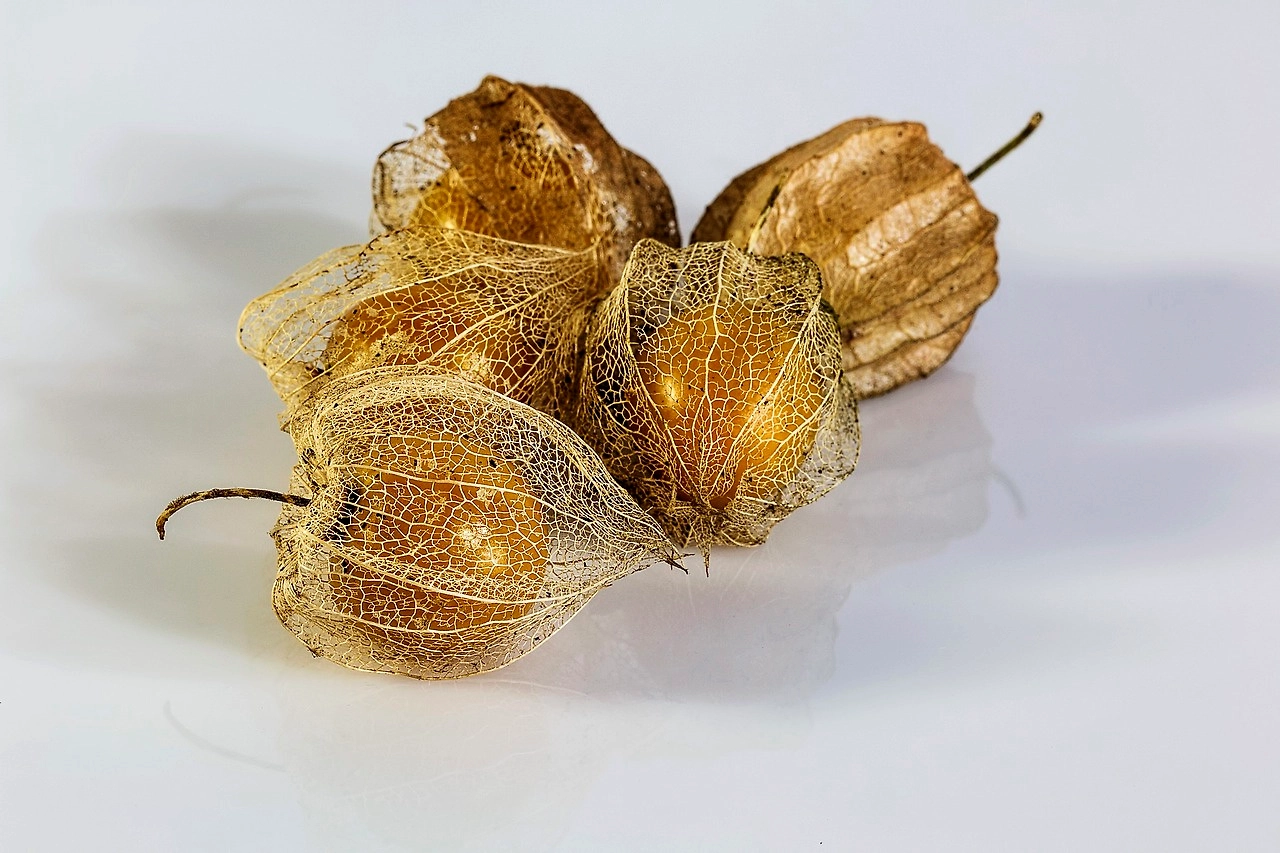
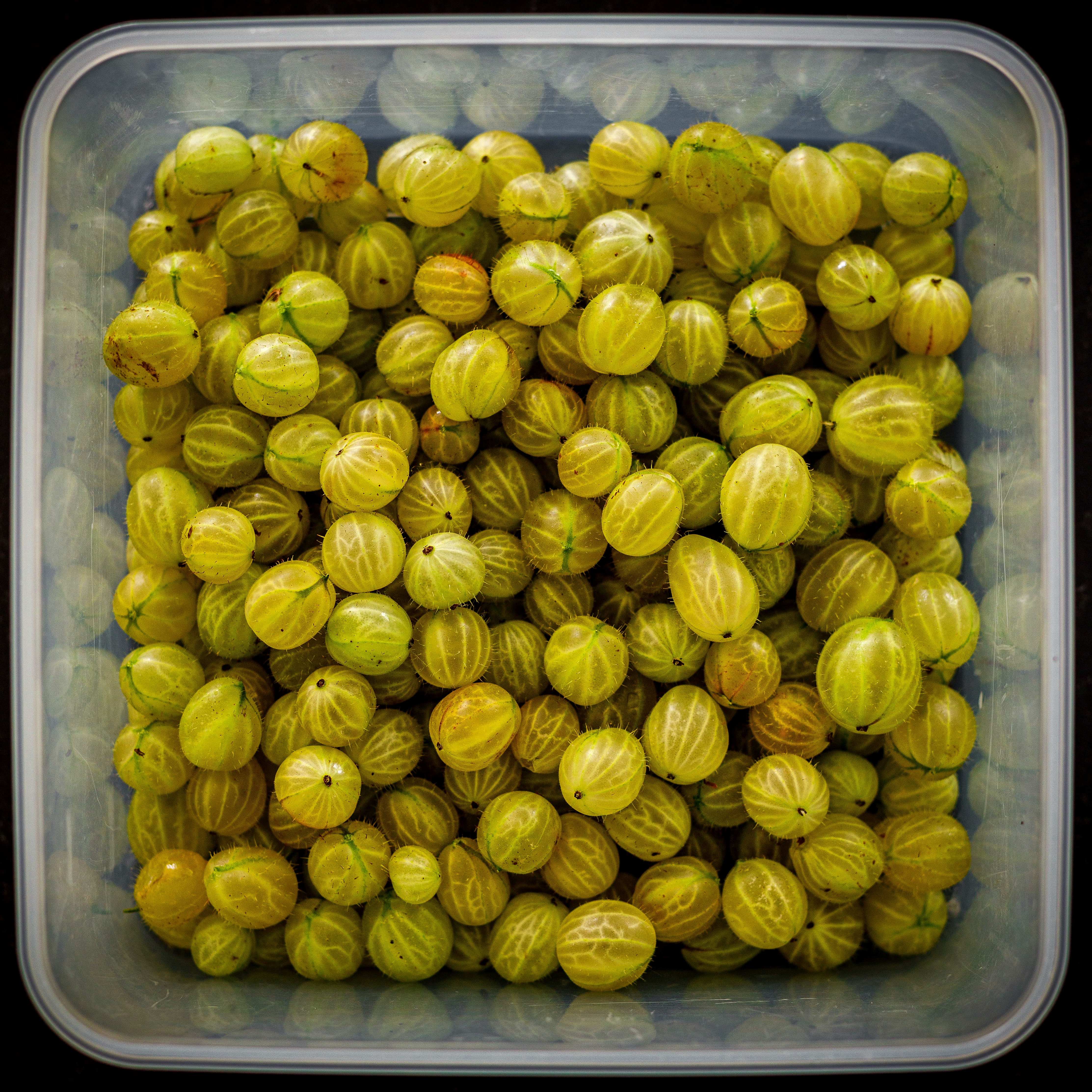
Gooseberries, small and tart fruits, are prized for their bright flavor and versatility in culinary and nutritional applications. These edible berries belong to the genus Ribes and come in various colors including green, yellow, red, and purple, each offering unique taste profiles. Known for their rich vitamin C content, antioxidants, and dietary fiber, gooseberries contribute significantly to a healthy diet. Available fresh or processed into jams, jellies, and sauces, gooseberries are valued in the food industry as natural flavor enhancers and nutritious ingredients. Their distinctive tartness balances sweetness in recipes, making them ideal for confectionery, beverages, and preserves. Additionally, gooseberries have applications in cosmetic formulations due to their antioxidant properties. The fruit's adaptability to different climates and ease of cultivation make them a sustainable choice for commercial growers. Fresh gooseberries offer excellent shelf life and transportability, supporting their distribution in global B2B supply chains.
Key Features
| Features | Description |
|---|---|
| Botanical Genus | Ribes |
| Fruit Type | Edible berry |
| Color Variants | Green, yellow, red, purple |
| Nutritional Benefits | High in vitamin C, antioxidants, dietary fiber |
| Culinary Uses | Jams, jellies, desserts, sauces, beverages |
| Shelf Life | Good freshness retention for extended transport |
| Cultivation | Adaptable to various climates, easy to grow commercially |
| Additional Uses | Cosmetics and natural antioxidant source |
| Attributes | Description |
|---|---|
| Scientific Name | Ribes uva-crispa |
| Average Fruit Size | 1 to 3 cm diameter |
| Harvest Season | Late spring to early summer |
| Storage Conditions | Cool and dry environment, 0-4°C recommended |
| Packaging | Mesh bags, plastic punnets, or cardboard boxes |
| Taste Profile | Tart and slightly sweet |
| Nutritional Content per 100g | Vitamin C: 27 mg; Fiber: 4.3 g; Calories: 44 kcal |
| Commercial Grade | Premium quality with uniform size and color |
*Disclaimer: The above description has been AI-generated and has not been audited or verified for accuracy. It is recommended to verify product details independently before making any purchasing decisions.
Gooseberries should be stored in a cool environment between 0 to 4°C with low humidity to prolong freshness and prevent spoilage during transportation.
Mesh bags, plastic punnets, or ventilated cardboard boxes are commonly used to ensure adequate airflow and protect the berries during bulk shipments.
Yes, gooseberries contain high levels of antioxidants that make them suitable for incorporation into cosmetic formulations aimed at skin protection and rejuvenation.
Their tartness balances sweetness in jams, sauces, and beverages, improving flavor profiles and consumer appeal in value-added food products.
Green and red varieties are the most widely grown commercially due to their flavor, size, and market demand.
Country Of Origin: India
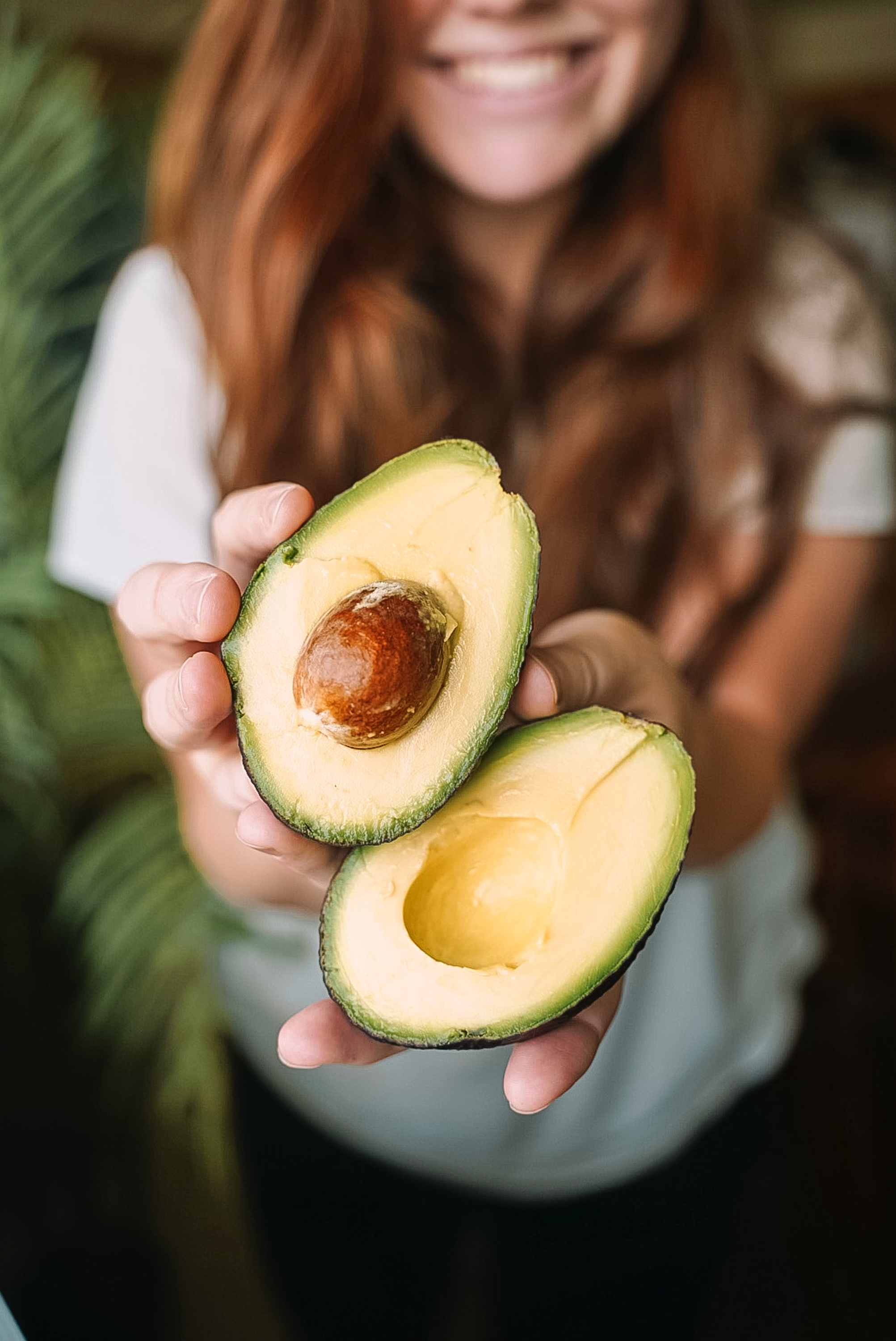
Avocados are a popular and nutritious fruit that is known for its creamy texture and unique flavor. Here are some key points about avocados:
Botanical Information: Avocado (Persea americana) is a fruit that belongs to the Lauraceae family. While often treated as a vegetable in culinary contexts, it is botanically a berry.
Varieties: There are various avocado varieties, and they can be broadly categorized into two types: Hass and non-Hass avocados. Hass avocados are the most common, known for their dark, pebbly skin and creamy texture. Non-Hass varieties include Bacon, Fuerte, and Reed, each with its own characteristics.
Nutritional Content: Avocados are nutrient-dense and are a good source of healthy monounsaturated fats. They also contain vitamins and minerals, including potassium, vitamin K, vitamin E, vitamin C, and B-vitamins.
Avocados are a popular and nutritious fruit that is known for its creamy texture and unique flavor. Here are some key points about avocados:
Botanical Information: Avocado (Persea americana) is a fruit that belongs to the Lauraceae family. While often treated as a vegetable in culinary contexts, it is botanically a berry.
Varieties: There are various avocado varieties, and they can be broadly categorized into two types: Hass and non-Hass avocados. Hass avocados are the most common, known for their dark, pebbly skin and creamy texture. Non-Hass varieties include Bacon, Fuerte, and Reed, each with its own characteristics.
Nutritional Content: Avocados are nutrient-dense and are a good source of healthy monounsaturated fats. They also contain vitamins and minerals, including potassium, vitamin K, vitamin E, vitamin C, and B-vitamins.
Inclusive of all taxes
You Save: 0
Mumbai , India
Service Provider , Brand Owner, Distributor, Exporter, Importer, Wholesaler, Startup