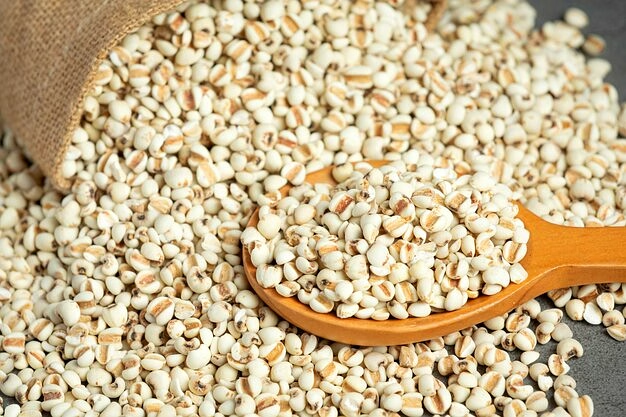
Sorghum (Sorghum bicolor) is a resilient, nutrient-rich cereal grain widely cultivated for its adaptability to harsh climates, especially in arid and semi-arid regions. This tall grass produces clustered grains at the stem's apex, primarily harvested as grain sorghum, the variety most used for human consumption due to its excellent nutritional profile. Sorghum thrives in diverse geographies including Africa, Asia, and the Americas, displaying superior tolerance to heat and drought compared to many staple crops. Its versatility makes it ideal for food products, fodder, and industrial applications such as biofuel production. As a gluten-free grain with high dietary fiber, protein, and antioxidant content, sorghum meets the demands of health-conscious markets and sustainable agriculture, making it an essential commodity for B2B businesses seeking a reliable and eco-friendly cereal grain source.
Key Features
| Features | Description |
|---|---|
| Scientific Name | Sorghum bicolor |
| Grain Type | Grain sorghum (primary), sweet sorghum, broomcorn |
| Climate Adaptability | Highly tolerant to heat, drought, and arid/semi-arid environments |
| Geographical Cultivation | Africa, Asia, Americas |
| Primary Uses | Human consumption, animal fodder, biofuel production |
| Nutritional Benefits | Gluten-free, rich in dietary fiber, protein, antioxidants |
| Growth Habit | Tall grass with clustered grain head |
| Harvested Part | Grain (seed) |
| Attributes | Description |
|---|---|
| Botanical Family | Poaceae |
| Plant Height | Typically 2 to 4 meters |
| Grain Color Variants | White, red, yellow, brown |
| Drought Resistance | Excellent |
| Gluten Content | Gluten-free |
| Protein Content | Approximately 10-12% |
| Typical Moisture Content at Harvest | 12-14% |
| Shelf Life | Up to 12 months when stored properly |
*Disclaimer: The above description has been AI-generated and has not been audited or verified for accuracy. It is recommended to verify product details independently before making any purchasing decisions.
This Sorghum bicolor variety is specially cultivated for its exceptional drought and heat tolerance, allowing it to thrive in arid and semi-arid climates where other grains may fail.
Yes, Sorghum is naturally gluten-free, making it an excellent ingredient for gluten-intolerant consumers and gluten-free food manufacturers.
The grain sorghum variety is supplied primarily for human consumption due to its balanced nutritional profile and culinary versatility.
Yes, apart from its food uses, Sorghum can be used for biofuel production, particularly sweet sorghum varieties that provide fermentable sugars.
With proper storage conditions, the Sorghum grain maintains quality and viability for up to 12 months.
Country Of Origin: India
Sorghum is a versatile and nutritious cereal grain that belongs to the grass family Poaceae. It has been cultivated for thousands of years and is known for its hardiness and adaptability to various climates. Here are some key points about sorghum:
Botanical Information: Sorghum bicolor is the most commonly cultivated species of sorghum. It is a tall grass with a cluster of grain at the top of the stem.
Cultivation: Sorghum is grown in many parts of the world, particularly in Africa, Asia, and the Americas. It is well-suited to arid and semi-arid regions and can tolerate heat and drought conditions better than many other crops.
Grain Types: Sorghum is grown for its grain, which comes in different varieties, including grain sorghum, sweet sorghum, and broomcorn. Grain sorghum is the type most commonly used for human consumption.
Sorghum is a versatile and nutritious cereal grain that belongs to the grass family Poaceae. It has been cultivated for thousands of years and is known for its hardiness and adaptability to various climates. Here are some key points about sorghum:
Botanical Information: Sorghum bicolor is the most commonly cultivated species of sorghum. It is a tall grass with a cluster of grain at the top of the stem.
Cultivation: Sorghum is grown in many parts of the world, particularly in Africa, Asia, and the Americas. It is well-suited to arid and semi-arid regions and can tolerate heat and drought conditions better than many other crops.
Grain Types: Sorghum is grown for its grain, which comes in different varieties, including grain sorghum, sweet sorghum, and broomcorn. Grain sorghum is the type most commonly used for human consumption.
Inclusive of all taxes
You Save: 0
Mumbai , India
Service Provider , Brand Owner, Distributor, Exporter, Importer, Wholesaler, Startup