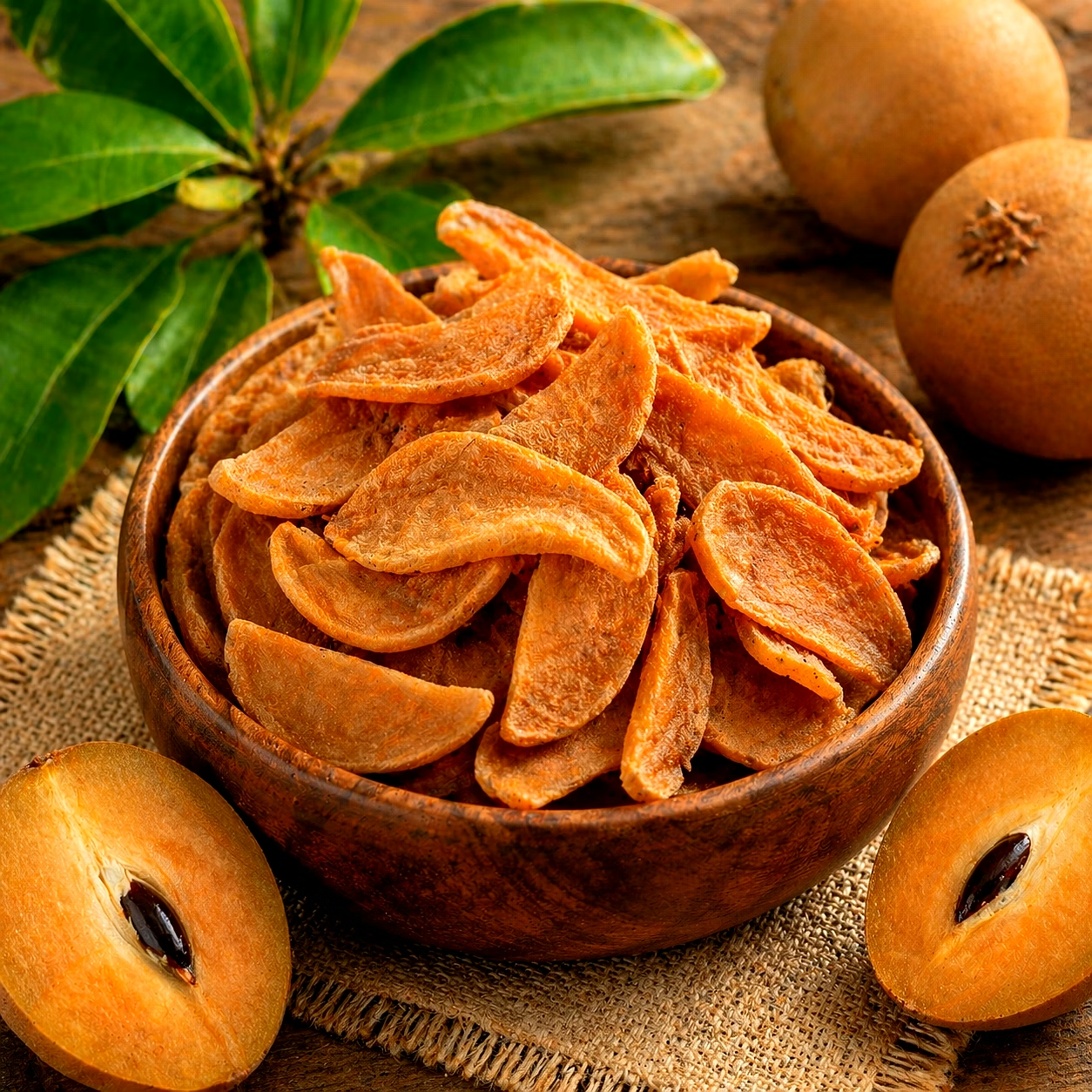
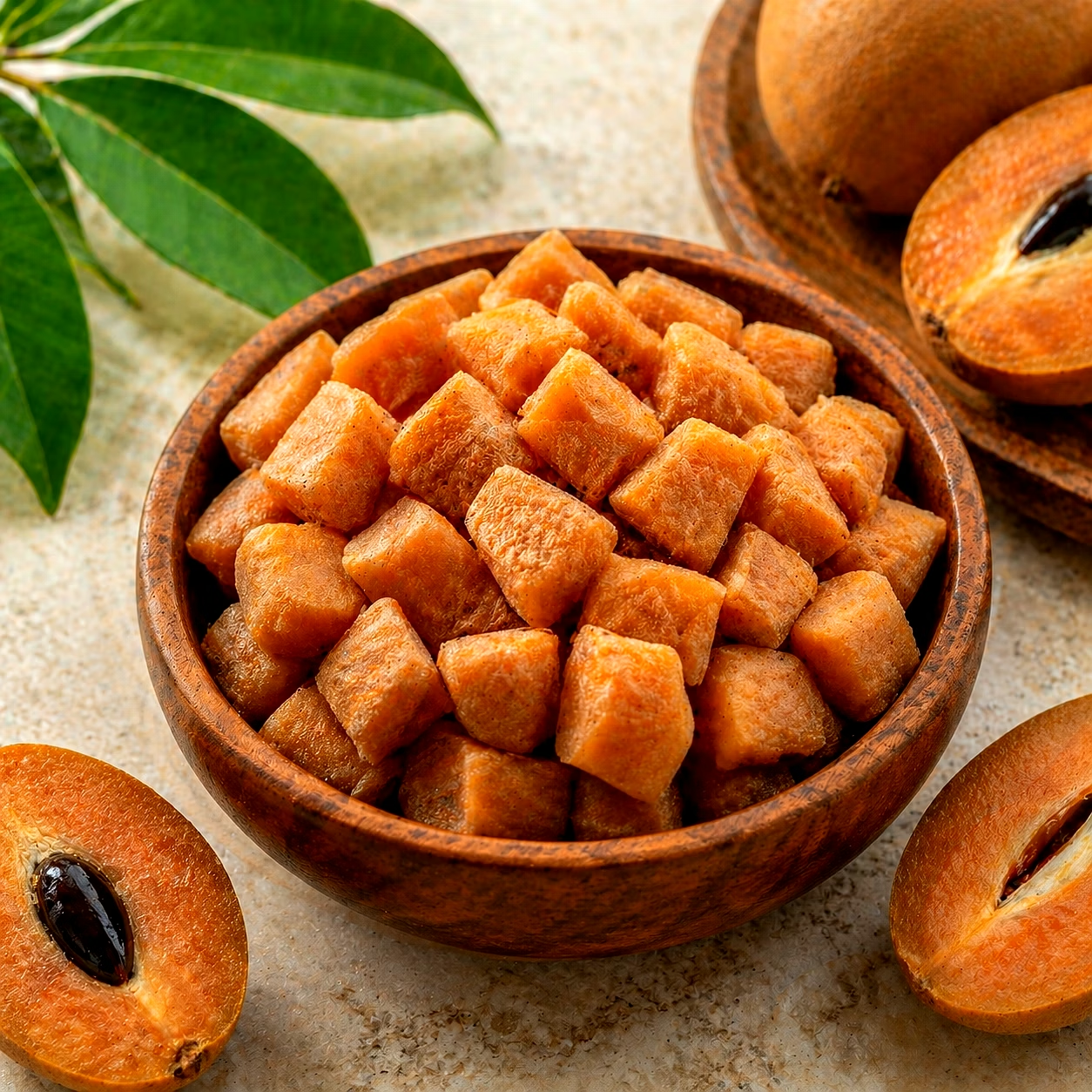
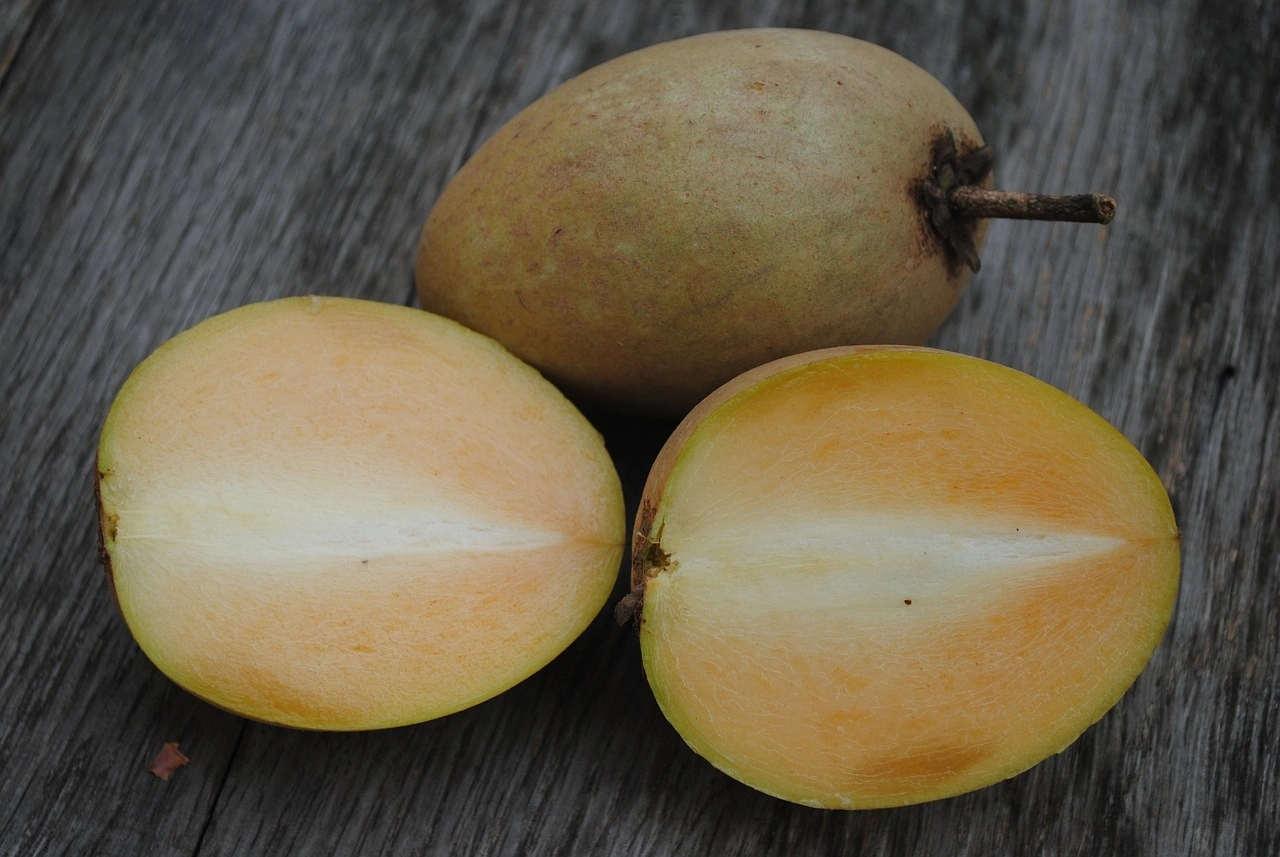
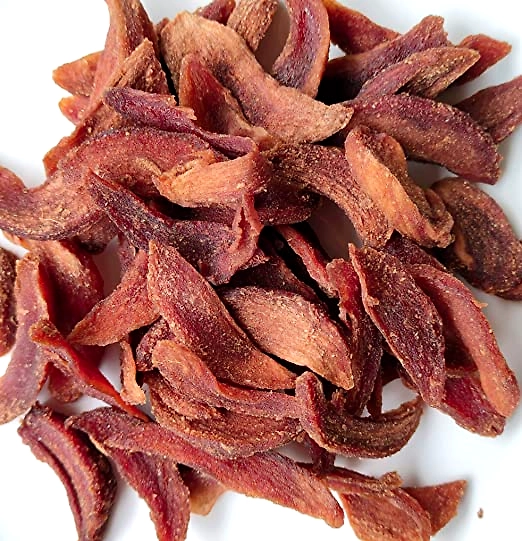
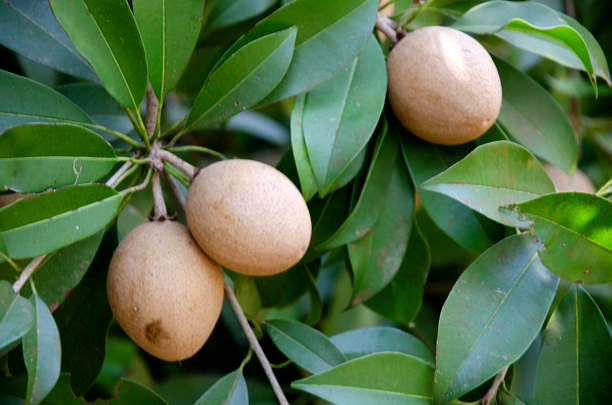
Sapota, scientifically known as Manilkara zapota and also referred to as sapodilla, is a delicious tropical fruit treasured for its unique sweet flavor and nutritional benefits. Featuring a rough, sandy-brown skin and soft brown flesh with a distinct grainy texture, sapota offers a delightful experience that combines the tastes of pear, banana, and brown sugar. This fruit is cultivated primarily in tropical and subtropical regions, being native to southern Mexico, Central America, and parts of the Caribbean, and has since expanded to global production zones. Rich in dietary fiber, vitamins, and antioxidants, sapota is ideal for fresh consumption, smoothies, desserts, as well as value-added products such as jams and juices. Its natural sweetness and health-promoting properties make it highly sought after in food processing industries, health food stores, and fresh produce markets within the B2B segment, particularly for businesses specializing in tropical fruit supply, food production, and nutrition-focused product lines.
Key Features
| Features | Description |
|---|---|
| Scientific Name | Manilkara zapota |
| Common Names | Sapota, Sapodilla |
| Fruit Size | Small to medium-sized |
| Skin Texture | Rough, sandy-brown skin |
| Flesh | Brown, grainy texture |
| Flavor Profile | Sweet with notes of pear, banana, and brown sugar |
| Geographic Origin | Southern Mexico, Central America, Caribbean |
| Growth Regions | Tropical and subtropical areas worldwide |
| Typical Use | Fresh consumption, culinary use, processed products |
| Nutritional Benefits | High in dietary fiber, vitamins, antioxidants |
| Attributes | Description |
|---|---|
| Fruit Weight | Approximately 150-300 grams per fruit |
| Shelf Life | 7-10 days when refrigerated |
| Harvest Season | Varies by region; typically year-round in tropical climates |
| Storage Conditions | Stored at 4-10°C to maintain freshness |
| Packaging | Bulk cartons or ventilated crates for transport |
| Sugar Content | Approximately 14-16% Brix |
| Moisture Content | Approximately 80-85% |
| Transport Requirements | Handle with care to avoid skin damage and bruising |
| Sapota Tree Type | Evergreen, long-lived tropical tree |
*Disclaimer: The above description has been AI-generated and has not been audited or verified for accuracy. It is recommended to verify product details independently before making any purchasing decisions.
Sapota typically has a shelf life of 7-10 days when stored at temperatures between 4-10°C, which helps maintain its freshness and texture.
Sapota should be packed in bulk cartons or ventilated crates to allow air circulation and minimize skin damage and bruising during transport.
Commercial sapota production is prominent in tropical and subtropical regions worldwide, with major cultivation in southern Mexico, Central America, the Caribbean, and expanding areas in Asia and Africa.
Yes, sapota is widely used in food processing to make jams, juices, smoothies, and desserts due to its natural sweetness and unique flavor profile.
Sapota is rich in dietary fiber, vitamins, and antioxidants, making it attractive for health-conscious product portfolios aiming to offer natural nutritional benefits.
Country Of Origin: India
Sapota, also known as sapodilla, is a tropical fruit that belongs to the family Sapotaceae. The scientific name of the sapota tree is Manilkara zapota. Here are some key aspects of sapota:
Appearance:
Sapota is a small to medium-sized fruit with a rough, sandy-brown skin.
The flesh inside is typically brown and has a grainy texture.
Flavor Profile:
The flavor of sapota is sweet and has been described as a combination of pear, banana, and brown sugar.
Geographic Origin:
Sapota is native to southern Mexico, Central America, and parts of the Caribbean.
It is now grown in various tropical and subtropical regions around the world.
Sapota, also known as sapodilla, is a tropical fruit that belongs to the family Sapotaceae. The scientific name of the sapota tree is Manilkara zapota. Here are some key aspects of sapota:
Appearance:
Sapota is a small to medium-sized fruit with a rough, sandy-brown skin.
The flesh inside is typically brown and has a grainy texture.
Flavor Profile:
The flavor of sapota is sweet and has been described as a combination of pear, banana, and brown sugar.
Geographic Origin:
Sapota is native to southern Mexico, Central America, and parts of the Caribbean.
It is now grown in various tropical and subtropical regions around the world.
Inclusive of all taxes
You Save: 0
Mumbai , India
Service Provider , Brand Owner, Distributor, Exporter, Importer, Wholesaler, Startup