Mustard seeds, derived from the Brassica juncea and Sinapis alba species, are an essential spice known for their pungent aroma and spicy flavor. Sourced from the Brassicaceae family, these seeds play an indispensable role in many global cuisines, especially in Indian, European, and Asian cooking. The product offers several varieties including brown, yellow (white), and black mustard seeds, each differentiated by color, size, and potency of flavor. Brown mustard seeds (Brassica juncea) deliver a sharp and hot taste, making them ideal for pickling and spice blends. Yellow mustard seeds (Sinapis alba) possess a milder flavor, perfect for making traditional yellow mustard condiments and mild seasoning. Black mustard seeds (Brassica nigra) carry the strongest pungency and are preferred in robust dishes requiring intense flavor. This range of mustard seeds ensures versatility for manufacturers and food businesses seeking authentic spice ingredients. Their natural pungency, coupled with aroma and flavor, elevates the taste profile of sauces, marinades, dressings, and meat preparations. The mustard seeds are carefully harvested and processed maintaining their natural integrity and freshness to deliver consistent quality for bulk supply in B2B markets such as food processing units, spice blending industries, and large-scale catering enterprises.
Key Features
| Features | Description |
|---|---|
| Botanical Source | Brassica juncea and Sinapis alba species |
| Varieties Available | Brown, Yellow (White), and Black Mustard Seeds |
| Flavor Profile | Pungent, spicy; intensity varies by variety |
| Culinary Uses | Spice blends, pickling, mustards, marinades, dressings |
| Packaging | Bulk packaging options for food industry supply |
| Origin | Derived from mustard plant in the Brassicaceae family |
| Quality | Processed to maintain freshness and natural flavor |
| Shelf Life | Typically long shelf life when stored properly in airtight containers |
| Attributes | Description |
|---|---|
| Seed Color | Brown, Yellow (White), Black |
| Botanical Family | Brassicaceae |
| Moisture Content | Below 10% typically |
| Packaging Weight | Available in 10kg, 25kg, 50kg bulk bags |
| Country of Origin | Varies - major producers include India, Canada, and Nepal |
| Usage | Food-grade spice for culinary and industrial applications |
| Spice Grade | Premium quality for aromatic and flavor consistency |
*Disclaimer: The above description has been AI-generated and has not been audited or verified for accuracy. It is recommended to verify product details independently before making any purchasing decisions.
Brown mustard seeds (Brassica juncea) are preferred in pickling due to their sharp and robust flavor that complements preserved vegetables.
Yes, yellow mustard seeds (Sinapis alba) are commonly used in commercial mustard production because of their mild flavor and bright color, enhancing the condiment's appeal.
Mustard seeds are typically available in bulk quantities such as 10kg, 25kg, and 50kg bags tailored for food processing industry requirements.
Black mustard seeds possess the strongest pungency, brown seeds have moderate heat, and yellow seeds offer the mildest spice profile.
The mustard seeds are processed to meet food-grade standards ensuring low moisture content, high purity, and consistent aroma and flavor suitable for industrial spice blends.
Country Of Origin: India
Mustard seeds come from the mustard plant (Brassica juncea or Sinapis alba), and they are commonly used as a spice in various cuisines around the world. Here are some key aspects of mustard seeds:
Botanical Information:
Mustard seeds come from plants in the Brassicaceae family, which also includes cabbage, broccoli, and kale.
There are different species of mustard plants, including brown mustard (Brassica juncea), yellow or white mustard (Sinapis alba), and black mustard (Brassica nigra).
Varieties:
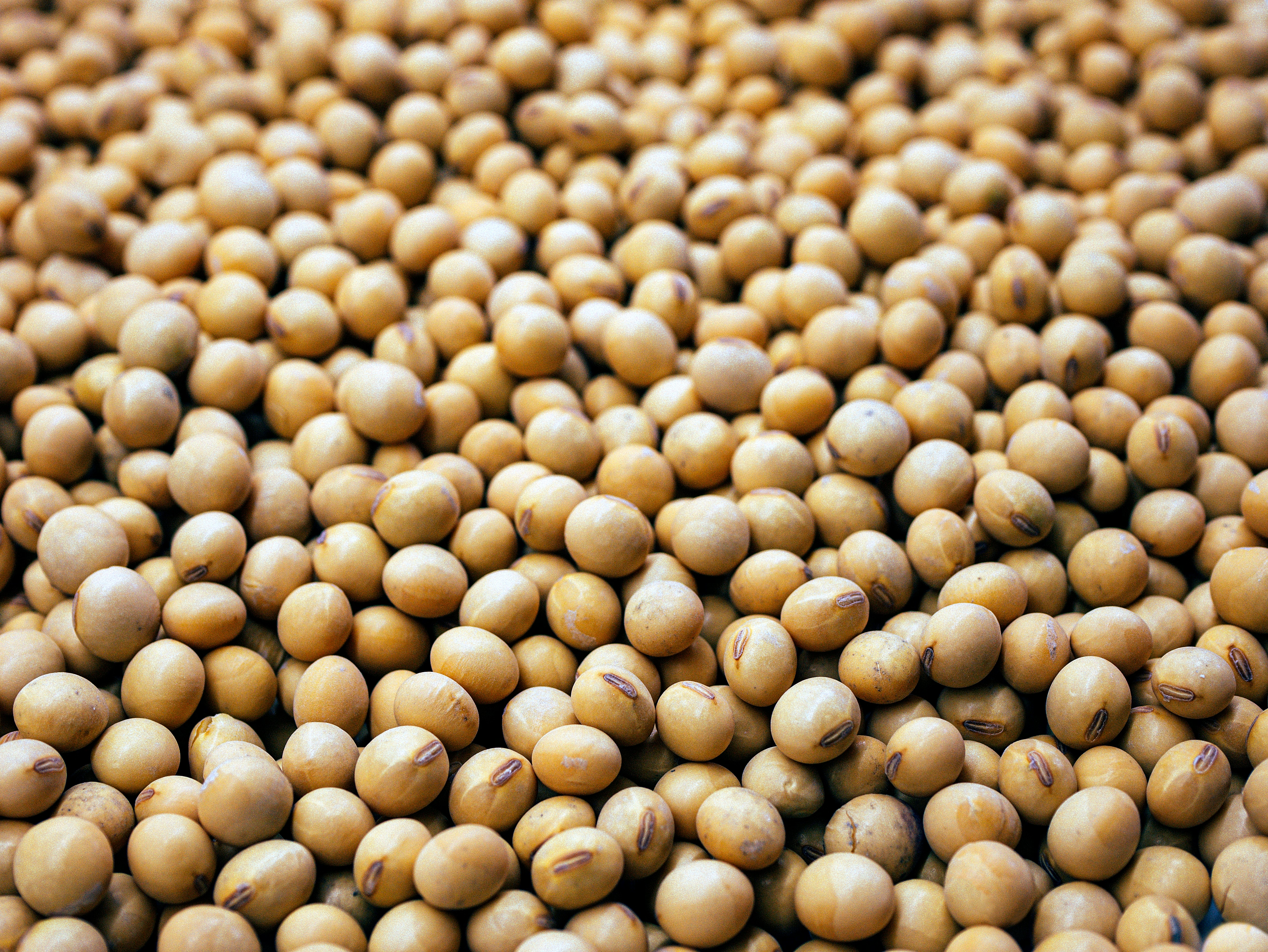
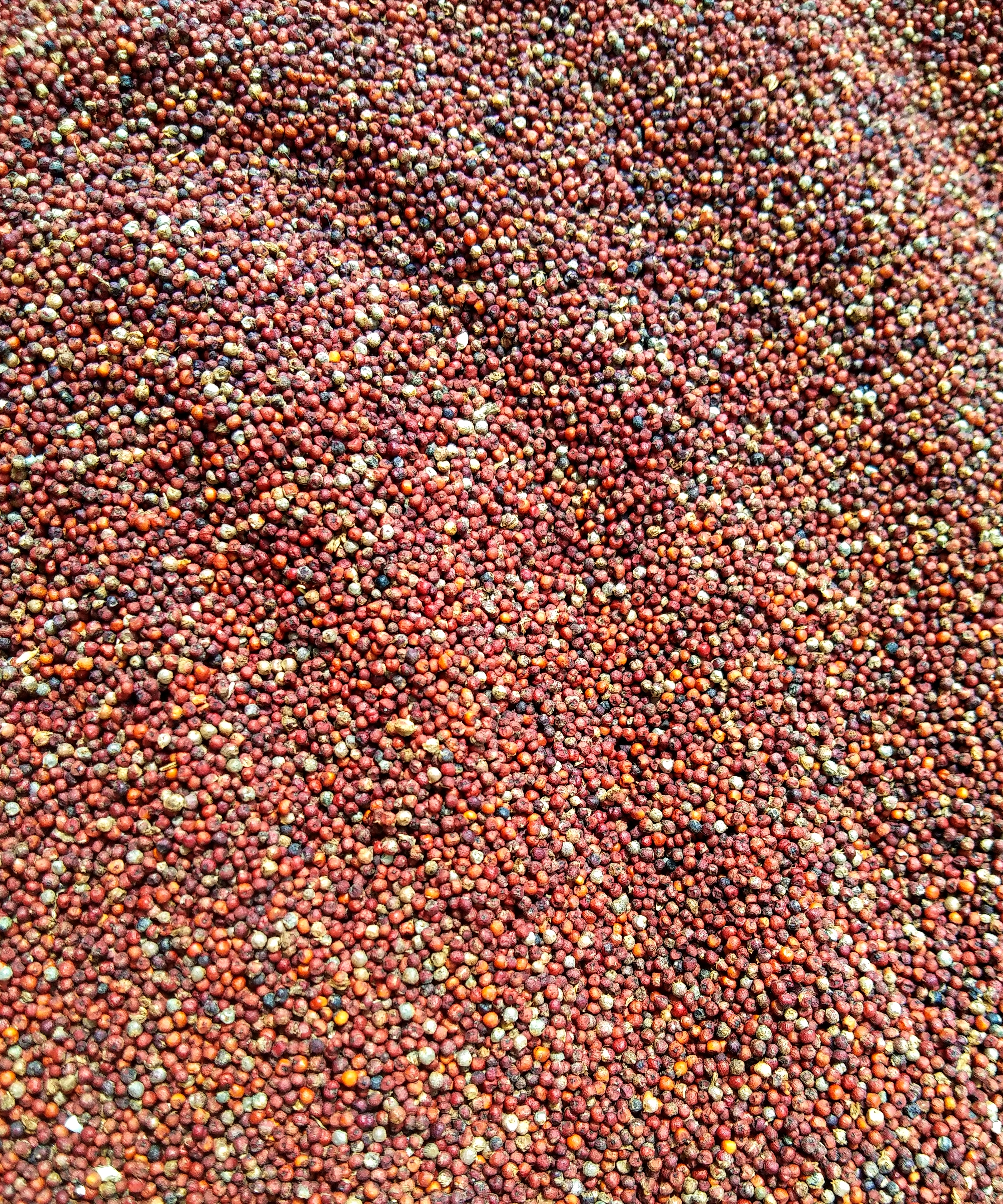
There are several varieties of mustard seeds, and they vary in color, size, and flavor. The three main types are brown, yellow, and black mustard seeds.
Flavor Profile:
Mustard seeds have a pungent and spicy flavor. The level of spiciness can vary depending on the type of mustard seed.
Mustard seeds come from the mustard plant (Brassica juncea or Sinapis alba), and they are commonly used as a spice in various cuisines around the world. Here are some key aspects of mustard seeds:
Botanical Information:
Mustard seeds come from plants in the Brassicaceae family, which also includes cabbage, broccoli, and kale.
There are different species of mustard plants, including brown mustard (Brassica juncea), yellow or white mustard (Sinapis alba), and black mustard (Brassica nigra).
Varieties:
There are several varieties of mustard seeds, and they vary in color, size, and flavor. The three main types are brown, yellow, and black mustard seeds.
Flavor Profile:
Mustard seeds have a pungent and spicy flavor. The level of spiciness can vary depending on the type of mustard seed.
Inclusive of all taxes
You Save: 0
Mumbai , India
Service Provider , Brand Owner, Distributor, Exporter, Importer, Wholesaler, Startup
Stay informed with the latest market trends, quality guides, and industry analysis