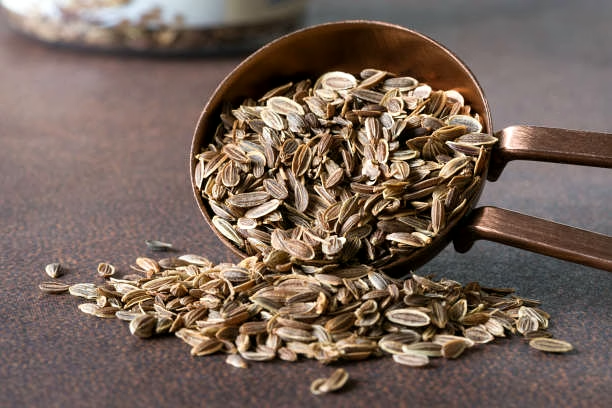
Dill Seed (Anethum graveolens) is a premium culinary spice derived from the dill plant, harvested once the plant completes its flowering phase. These small, oval-shaped seeds carry a warm, aromatic flavor characterized by subtle notes of anise and citrus, offering a distinct taste profile compared to dill weed leaves. Dill seeds are widely utilized in diverse culinary traditions for pickling, seasoning meats, soups, and sauces, and imparting a unique sweet and tangy flavor to food. Ideal for food manufacturers, spice suppliers, and culinary businesses seeking authentic and high-quality dill seeds, this product delivers consistent aroma and taste attributes. Cultivated with stringent quality standards, it ensures purity, freshness, and optimum essential oil content, making it an indispensable ingredient in spice blends, herbal remedies, and gourmet food preparation.
Key Features
| Features | Description |
|---|---|
| Botanical Name | Anethum graveolens |
| Seed Shape | Small, oval-shaped |
| Flavor Profile | Warm, aromatic with hints of anise and citrus |
| Culinary Uses | Ideal for pickling, seasoning meats, soups, and sauces |
| Quality Assurance | High purity, freshness, and essential oil content |
| Harvesting Stage | Collected after dill plant flowering |
| Packaging | Available in bulk packaging suited for B2B supply |
| Storage Recommendation | Keep in airtight containers, away from moisture |
| Attributes | Description |
|---|---|
| Source | Dill Plant (Anethum graveolens) |
| Seed Color | Brownish-green |
| Flavor Components | Anethole, limonene, and other essential oils |
| Physical Form | Whole seeds |
| Shelf Life | 12-18 months when stored properly |
| Packaging Type | Food-grade bulk bags or containers |
| Country of Origin | Varies by supplier, commonly India, Eastern Europe |
| Certifications | Organic, ISO, GMP (depending on supplier) |
*Disclaimer: The above description has been AI-generated and has not been audited or verified for accuracy. It is recommended to verify product details independently before making any purchasing decisions.
Dill seeds are harvested after the dill plant completes flowering when seeds are fully developed but before they start dropping.
Dill seeds have a warm, slightly sweet, tangy, and aromatic flavor with anise and citrus hints, whereas dill weed leaves offer a fresher, herbaceous taste.
Dill seeds are supplied in food-grade bulk bags or airtight containers suitable for industrial or large-scale culinary use.
Dill seeds contain essential oils such as anethole and limonene that contribute to their distinctive aromatic flavor.
When stored in airtight containers away from moisture and heat, dill seeds maintain quality for 12-18 months.
Country Of Origin: India
Dill seeds come from the dill plant, scientifically known as Anethum graveolens. Dill is a culinary herb with feathery leaves and both its leaves (dill weed) and seeds are used in cooking. Here are some key aspects of dill seeds:
Botanical Source:
Dill seeds are the small, oval-shaped seeds that develop after the flowering of the dill plant.
Flavor Profile:
Dill seeds have a warm, aromatic flavor with a hint of anise and citrus.
The flavor is distinct from the feathery leaves (dill weed) and is often described as slightly sweet and tangy.
Dill seeds come from the dill plant, scientifically known as Anethum graveolens. Dill is a culinary herb with feathery leaves and both its leaves (dill weed) and seeds are used in cooking. Here are some key aspects of dill seeds:
Botanical Source:
Dill seeds are the small, oval-shaped seeds that develop after the flowering of the dill plant.
Flavor Profile:
Dill seeds have a warm, aromatic flavor with a hint of anise and citrus.
The flavor is distinct from the feathery leaves (dill weed) and is often described as slightly sweet and tangy.
Inclusive of all taxes
You Save: 0
Mumbai , India
Service Provider , Brand Owner, Distributor, Exporter, Importer, Wholesaler, Startup
Stay informed with the latest market trends, quality guides, and industry analysis