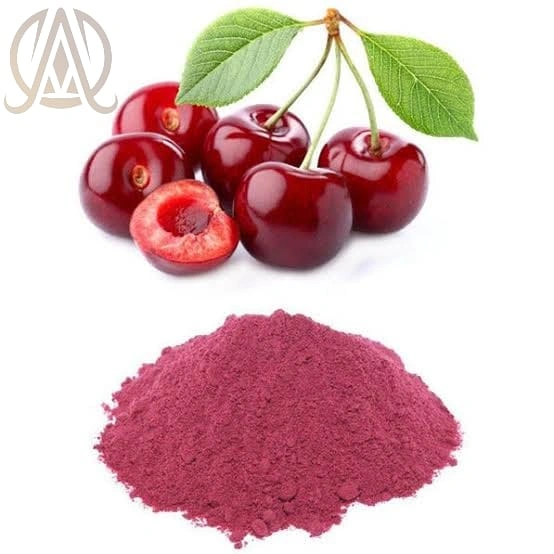
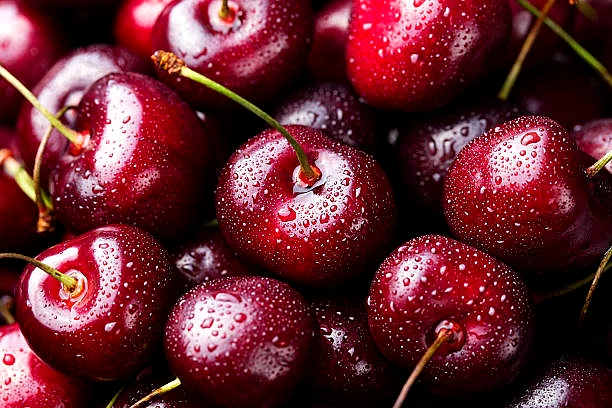
Cherries are premium small, round fruits renowned for their vibrant colors ranging from bright red and yellow to deep dark purple. Derived from the genus Prunus, they share close botanical relations with plums, apricots, and almonds. The product encompasses two primary varieties: Sweet cherries (Prunus avium), prized for their juicy, sweet, and succulent flavor, and Sour or Tart cherries (Prunus cerasus), which exhibit a tangier and less sweet profile. These cherries are harvested meticulously to retain their freshness and nutritional value, making them ideal for a wide spectrum of culinary uses including fresh consumption, desserts, preserves, juices, and as ingredient bases in sauces and garnishes. Nutritionally, these cherries are a powerhouse, low in calories and rich in vital nutrients like vitamin C, potassium, dietary fiber, and potent antioxidants. The presence of bioactive compounds lends them potential health benefits supporting anti-inflammatory effects and improved cardiovascular health. Sourced for quality and consistency, these cherries provide optimal freshness and flavor, serving the requirements of food manufacturers, retailers, and bulk buyers seeking reliable and nutrient-rich fruit products.
Key Features
| Features | Description |
|---|---|
| Fruit Varieties | Includes Sweet Cherries (Prunus avium) and Sour/Tart Cherries (Prunus cerasus) |
| Color Range | Available in Red, Yellow, and Dark Purple shades |
| Flavor Profile | Sweet cherries are juicy and sweet; tart cherries have tangy and less sweet taste |
| Nutritional Content | Rich in vitamin C, potassium, dietary fiber, and antioxidants |
| Culinary Uses | Suitable for fresh consumption, desserts, preserves, juices, and sauces |
| Health Benefits | Contains bioactive compounds known for anti-inflammatory and cardiovascular support |
| Source Quality | Selected for optimal freshness, color, and taste to meet bulk supply needs |
| Attributes | Description |
|---|---|
| Scientific Genus | Prunus |
| Sweet Cherry Species | Prunus avium |
| Sour Cherry Species | Prunus cerasus |
| Common Colors | Red, Yellow, Dark Purple |
| Calories | Low-calorie fruit option |
| Vitamin Content | High in Vitamin C |
| Mineral Content | Potassium rich |
| Dietary Fiber | Good source |
| Antioxidants | Contains various bioactive antioxidant compounds |
*Disclaimer: The above description has been AI-generated and has not been audited or verified for accuracy. It is recommended to verify product details independently before making any purchasing decisions.
Sweet cherries (Prunus avium) have a juicy, sweet taste suitable for fresh consumption and desserts, while sour cherries (Prunus cerasus) offer a tangy flavor ideal for preserves, juices, and culinary sauces.
Yes, cherries are carefully selected and supplied ensuring optimal freshness, vibrant color, and adherence to quality standards suitable for large-scale buyers.
These cherries provide vital nutrients such as vitamin C, potassium, dietary fiber, and antioxidants that contribute to anti-inflammatory benefits and overall cardiovascular health support.
Absolutely, both sweet and sour cherries are versatile and widely used in food manufacturing for fresh packaging, desserts, juices, preserves, and sauces.
These cherries are available in a range of colors including bright red, yellow, and dark purple, catering to diverse customer preferences and product requirements.
Country Of Origin: India
Cherries are small, round fruits that come in various colors, including red, yellow, and dark purple. They belong to the genus Prunus and are closely related to fruits like plums, apricots, and almonds. There are two main types of cherries: sweet cherries (Prunus avium) and sour or tart cherries (Prunus cerasus). Here are some key aspects of cherries:
Flavor Profile:
Sweet cherries have a juicy, sweet flavor, while tart cherries are, as the name suggests, more tangy and less sweet.
Both types of cherries are used in a variety of culinary applications.
Nutritional Content:
Cherries are low in calories and a good source of vitamins, minerals, and antioxidants.
They contain vitamin C, potassium, fiber, and various bioactive compounds with potential health benefits.
Cherries are small, round fruits that come in various colors, including red, yellow, and dark purple. They belong to the genus Prunus and are closely related to fruits like plums, apricots, and almonds. There are two main types of cherries: sweet cherries (Prunus avium) and sour or tart cherries (Prunus cerasus). Here are some key aspects of cherries:
Flavor Profile:
Sweet cherries have a juicy, sweet flavor, while tart cherries are, as the name suggests, more tangy and less sweet.
Both types of cherries are used in a variety of culinary applications.
Nutritional Content:
Cherries are low in calories and a good source of vitamins, minerals, and antioxidants.
They contain vitamin C, potassium, fiber, and various bioactive compounds with potential health benefits.
Inclusive of all taxes
You Save: 0
Mumbai , India
Service Provider , Brand Owner, Distributor, Exporter, Importer, Wholesaler, Startup