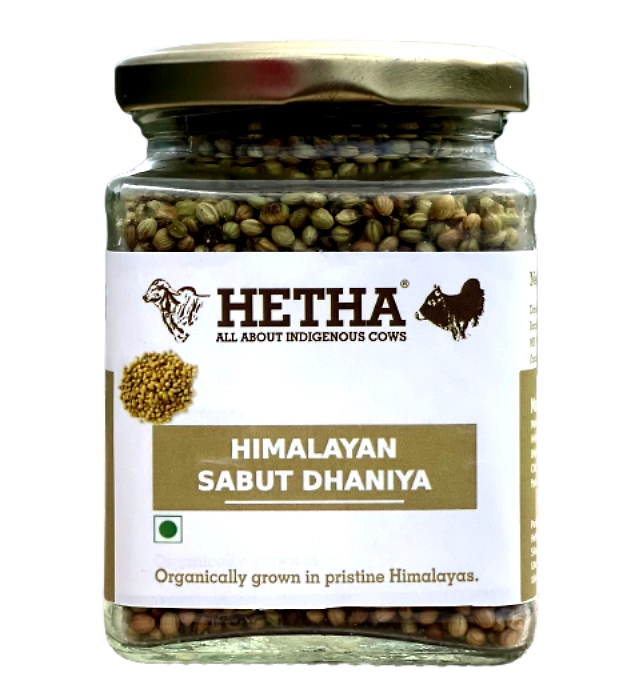
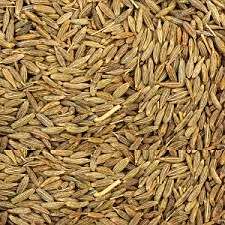
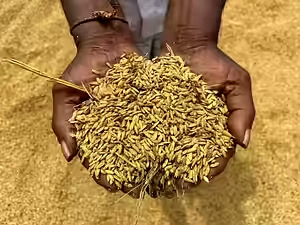
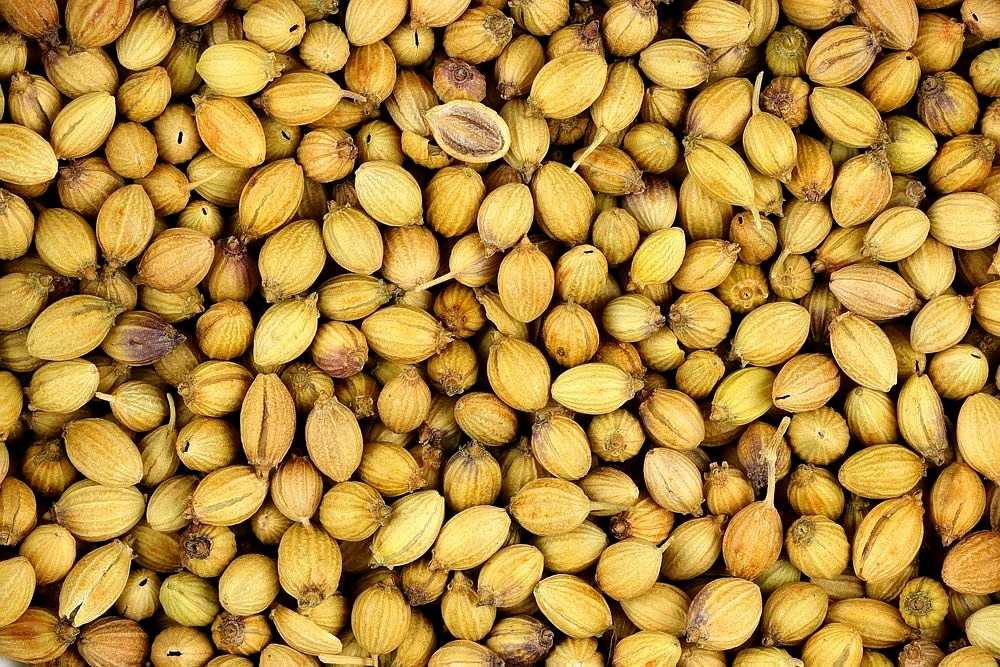
Coriander Seeds are the dried fruits harvested from the Coriandrum sativum plant, an annual herb belonging to the parsley family. Originating from southern Europe, North Africa, and southwestern Asia, these seeds are small, round, and beige-brown in color, typically measuring 3-5 mm in diameter with distinct longitudinal ridges. Known for their warm, citrusy, slightly sweet, and pungent flavor, coriander seeds are widely used in culinary applications for seasoning and as a key spice in spice blends. They differ significantly in taste from the fresh leaves of the same plant (referred to as cilantro). Apart from their culinary use, coriander seeds boast a rich nutritional profile, providing essential dietary fiber, minerals such as iron, magnesium, manganese, calcium, and selenium, along with antioxidants that support digestive health. These seeds are predominantly produced in India, the world's largest supplier, where they are harvested once the plant’s foliage turns brown and then dried for long-term storage. Coriander seeds are ideal for use in spice manufacturing, food processing, and businesses requiring high-quality spices for flavor enhancement and nutritional benefits.
Key Features
| Features | Description |
|---|---|
| Origin | Native to southern Europe, North Africa, and southwestern Asia, predominantly produced in India |
| Appearance | Small, round, beige-brown seeds, 3-5 mm diameter with longitudinal ridges |
| Flavor Profile | Warm, citrusy, slightly sweet, and pungent distinct from fresh coriander leaves |
| Nutritional Benefits | Rich source of dietary fiber, iron, magnesium, manganese, calcium, selenium, and antioxidants |
| Harvesting and Processing | Harvested when plant browns; seeds dried for long-term storage and quality preservation |
| Primary Uses | Widely used in spice blends, food processing, flavoring, and digestive health applications |
| Packaging Options | Available in bulk packaging suitable for industrial and commercial buyers |
| Attributes | Description |
|---|---|
| Botanical Name | Coriandrum sativum |
| Seed Size | 3-5 mm diameter |
| Color | Beige to brown with longitudinal ridges |
| Moisture Content | Typically below 10% to ensure shelf stability |
| Shelf Life | 12-18 months when stored in dry, cool conditions |
| Nutritional Information per 100g | Dietary fiber 41g, Iron 6.3mg, Magnesium 330mg, Manganese 1.8mg, Calcium 67mg, Selenium trace amounts |
| Processing | Sun-dried or machine dried post-harvest |
| Compliance | Conforms to food safety standards applicable to spices (e.g., ISO, HACCP) |
| Packaging | Available in food-grade sacks, bulk bags, or containers |
*Disclaimer: The above description has been AI-generated and has not been audited or verified for accuracy. It is recommended to verify product details independently before making any purchasing decisions.
The coriander seeds typically have moisture content below 10%, ensuring optimum shelf life and preventing microbial growth.
Yes, these premium quality whole coriander seeds are ideal for grinding into coriander powder used in spice blends and culinary applications.
The seeds are dried and processed under food safety standards such as ISO and HACCP, with regular quality checks to confirm purity and absence of contaminants.
Seeds are harvested once the plant browns, followed by sun or machine drying to retain natural flavor, aroma, and nutritional benefits.
Yes, bulk packaging options are available which cater specifically to food processing industries and commercial spice companies.
Country Of Origin: India
Per 100 grams, the seeds offer dietary fiber, iron, magnesium, manganese, calcium, and selenium, along with antioxidants supporting digestion. India is the largest producer, with seeds harvested when the plant browns and dried for storage.
Inclusive of all taxes
You Save: 0
Nagpur , India
Manufacturer, Exporter, Women Entrepreneur, Startup
GST- 27afsfs8398l1zm
Stay informed with the latest market trends, quality guides, and industry analysis