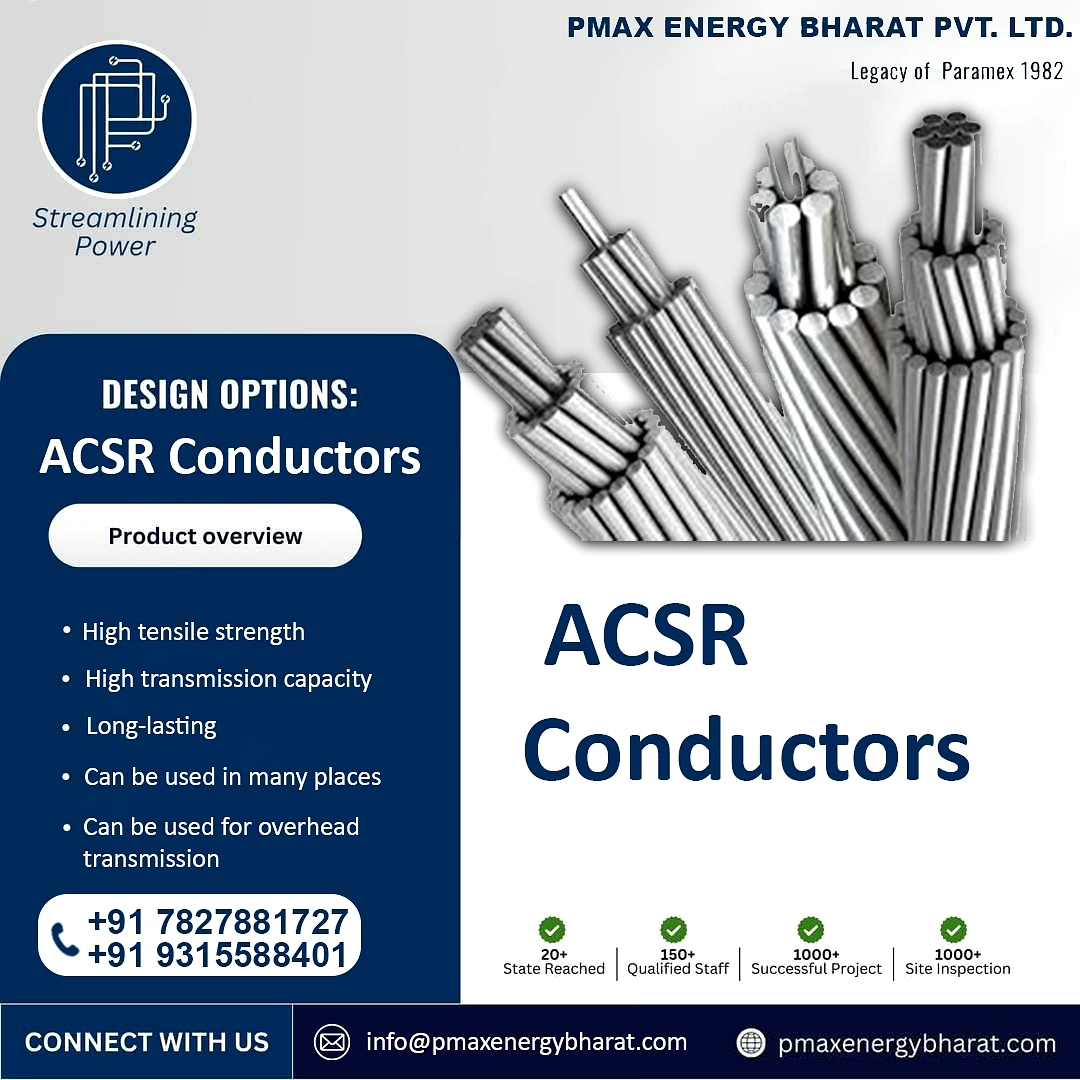
ACSR (Aluminum Conductor Steel Reinforced) conductors are specialized overhead power line cables designed for high strength and superior electrical conductivity. These conductors feature a central core of galvanized steel strands that provide exceptional tensile strength to support heavy loads and withstand environmental stresses over long spans. Surrounding the steel core are multiple layers of high-purity aluminum strands which offer excellent electrical conductivity for efficient transmission of electrical energy. ACSR conductors are widely used in power distribution and transmission networks, combining durability with lightweight properties to maintain optimal performance in overhead power lines. Their robust construction makes them ideal for applications requiring long-distance cable runs and resistance to mechanical stress, corrosion, and high temperatures.
Key Features
| Features | Description |
|---|---|
| Core Material | High-strength galvanized steel strands |
| Outer Layer Material | Multiple layers of high-conductivity aluminum strands |
| Tensile Strength | High tensile strength for long-span overhead lines |
| Electrical Conductivity | Excellent conductivity due to aluminum outer layers |
| Corrosion Resistance | Galvanized steel core enhances corrosion resistance |
| Applications | Used in overhead transmission and distribution lines |
| Mechanical Durability | Designed to withstand mechanical stress and environmental factors |
| Temperature Tolerance | Suitable for high temperature environments |
| Lightweight Design | Optimizes installation and reduces support structure requirements |
| Attributes | Description |
|---|---|
| Conductor Type | ACSR (Aluminum Conductor Steel Reinforced) |
| Core Composition | Galvanized steel strands |
| Outer Strands Composition | High-purity aluminum |
| Typical Strand Count | Varies depending on size, commonly 6-26 aluminum layers |
| Diameter Range | Typically 10 mm to 30 mm (varies by conductor size) |
| Breaking Load | Ranges depending on conductor size and core steel grade |
| Operating Voltage | Designed for medium to high voltage overhead lines |
| Standard Compliance | Meets IS and IEC standards for overhead conductors |
| Corrosion Protection | Galvanized steel core with oxidation-resistant aluminum |
| Installation Environment | Outdoor, overhead transmission and distribution |
*Disclaimer: The above description has been AI-generated and has not been audited or verified for accuracy. It is recommended to verify product details independently before making any purchasing decisions.
ACSR conductors combine a galvanised steel core with aluminum outer strands, providing significantly higher tensile strength for longer spans while maintaining excellent electrical conductivity, thus reducing sag and increasing durability compared to traditional all-aluminum conductors.
The galvanized steel core enhances mechanical strength, enabling the conductor to withstand high mechanical loads and environmental stress, including wind and ice, while also offering corrosion resistance to extend the service life of the conductor.
Yes, ACSR conductors are versatile and commonly used in both transmission and distribution lines due to their combination of high strength and electrical efficiency suited for medium to high voltage applications.
ACSR conductors generally comply with Indian Standards (IS), including IS 398 (part 1) for overhead conductors, as well as relevant IEC standards, ensuring suitability and reliability for Indian electrical grid requirements.
Selection depends on span length, mechanical loading (wind, ice), current carrying capacity, voltage level, and environmental conditions. Proper sizing ensures optimal performance, minimal sag, and system reliability.
Country Of Origin: India
ACSR (Aluminum Conductor Steel Reinforced) conductors are a type of overhead power line cable, known for their high strength and conductivity. They consist of a central core of steel strands, surrounded by layers of aluminum strands. This construction provides both the tensile strength needed for long spans and the high conductivity required for efficient electricity transmission.