

Our Products
Showing 1-24 of 26 products
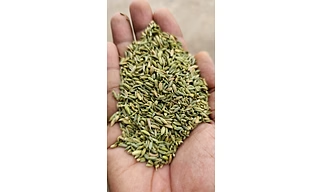
Fennel
Fennel, scientifically known as Foeniculum vulgare, is a tall, perennial herb with feathery, finely divided leaves, a bulbous base (especially in the "Florence fennel" variety), and small yellow flowers arranged in umbrella-like clusters; its most notable feature is its anise-like flavor, derived from a compound called anethole, making it commonly used in cooking and traditional medicine, with both the bulb, stalks, leaves, and seeds being edible parts of the plant.

Basil seeds
Basil seeds are small, black, oval-shaped seeds with a mild nutty flavor. They are also known as sabja seeds and tukmaria seeds. When soaked in water, they swell and form a gel-like mass.
White Chia seeds
Chia seeds are small round seeds, and can be black, brown and white in color. They are harvested from a flowering plant in the mint family known as Salvia hispanica. It's native to parts of Mexico and Guatemala.
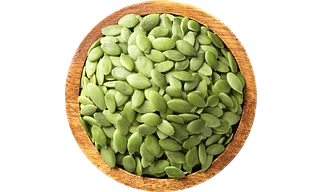
Pumkin seeds
Pumpkin seeds are flat, oval-shaped seeds with a white or cream-colored shell that come from pumpkins and other squashes. They have a nutty, slightly sweet flavor.
Halim seeds
Halim seeds, also known as garden cress seeds or aliv seeds, are tiny seeds that are high in protein, fiber, and vitamins A and C. They are a functional food that are used in traditional post-natal care in India.
Flax seeds
Flaxseed is an annual plant grown for its fiber and its seeds. It's grown in temperate and tropical regions. Oil from the seeds is used as an alternative to fish oil. Flaxseed has a nutty flavor.

Coir mat
Coir mats are natural, eco-friendly mats made from the fibrous husk of coconuts. Known for their durability and versatility, these mats are commonly used as doormats, floor mats, and outdoor mats. Coir fibers are strong, water-resistant, and resistant to mildew, making them ideal for both indoor and outdoor use. The mats often have a textured surface that helps trap dirt, moisture, and debris, keeping floors clean. Coir mats can be made in various sizes, designs, and colors, adding a rustic, organic feel to spaces. They're biodegradable, making them a great choice for environmentally-conscious consumers.
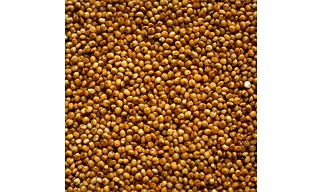
Kodo millet
Kodo millet is a monocot and an annual grass that grows to heights of approximately four feet. It has an inflorescence that produces 4–6 racemes that are 4–9 cm long. Its slender, light green leaves grow to be 20 to 40 centimeters in length.
Little millet
Little millet (Panicum sumatrense) (Subfamily: Panicoideae), commonly called kutki, sama, gindi, mutaki, is a species of small millet with chromosome number of 2n = 36. It is cultivated in India, Sri Lanka, Pakistan, Myanmar, and other South East Asian countries to a limited extent.
Bajra millets
Bajra is a traditional Hindi name for the Pennisetum glaucum crop — also known as pearl millet. It's likewise known as dukn, cumbu, gero, sanio, kambu, babala, or bulrush millet (1). The grain is primarily grown in Africa and India, where it's a major source of nutrition.
Tri colour millets
Tri-color millets refer to a blend of three types of millet—typically pearl millet, finger millet, and foxtail millet. This nutritious mix is rich in fiber, protein, and essential minerals like iron and calcium. Tri-color millets are gluten-free, making them an excellent option for people with gluten sensitivities. They're versatile, used in a variety of dishes such as porridge, salads, or as a rice substitute, and are known for their health benefits, including supporting digestion, boosting energy, and improving heart health.
Proso millets
Proso millet (Panicum miliaceum) is a warm-season grass that is grown for its grain and used for food, feed, and bird seed. It is also known as common millet, hog millet, broom corn, and white millet.
Barnyard millets
Barnyard millet is often considered a superfood due to its high nutritional profile. It’s a great source of antioxidants, which help fight free radicals in the body. This millet is also known for its digestibility and is commonly used in weight management diets, as it keeps you feeling full for longer. With its high fiber content, it promotes digestive health and helps in regulating bowel movements. Barnyard millet is also packed with B-vitamins, which support energy production and overall metabolic health. Its versatility makes it suitable for both savory and sweet dishes.
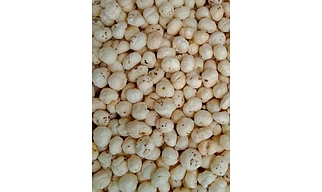
Makhana
Makhana, also known as fox nuts, are small, round, pearly white seeds with a smooth texture and a satisfying crunch. They are a traditional Indian snack that are high in protein, fiber, and B vitamins Makhana come from the prickly waterlily, Euryale ferox, a species of water lily found in southern and eastern Asia. The edible seeds are dried and eaten predominantly in Asia.
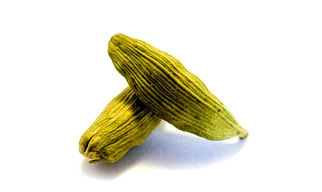
Cardamom
Cardamom is a spice that comes from the seeds of the cardamom plant, which is a member of the ginger family. It has a warm, pungent, and aromatic flavor.
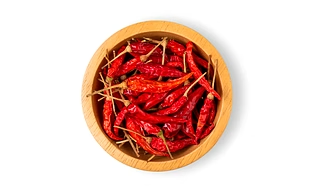
Red chilli
A red chili is a small, elongated fruit with a vibrant red color, known for its pungent, spicy taste due to the presence of capsaicin, a chemical compound that creates heat; its hollow interior contains numerous seeds, and the spiciness varies depending on the variety, with the hottest part being the pith and seeds; red chilies are often dried and ground into powder for use in cooking, and their heat level is measured on the Scoville scale
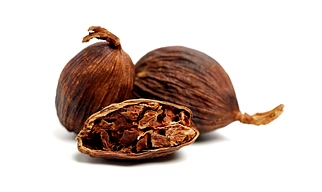
Black cardamom
Black cardamom, also known as "badi elaichi" in Indian cuisine, is a spice with large, wrinkled pods that produce a strong, smoky aroma and a flavor profile with notes of camphor and citrus, often described as a pungent, warm, and slightly sweet taste; it belongs to the ginger family and is primarily used in savory dishes due to its intense flavor, typically dried over an open flame which contributes to its distinct smoky quality; the main producing regions are Nepal, India, and Bhutan, with the scientific name "Amomum subulatum" being the most common species used in Indian cooking.
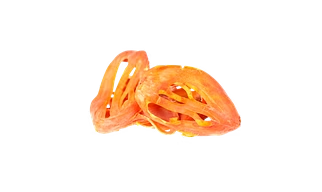
Mace
Mace is the delicate, lacy covering that surrounds the nutmeg seed, derived from the Myristica fragrans tree. When fresh, it has a vibrant red hue, which transforms into a warm orange or golden color once dried. It carries a distinct yet subtle aroma, combining sweet, spicy, and earthy notes with hints of citrus and cinnamon.
In cooking, mace is highly valued for its ability to enhance both sweet and savory dishes. It is commonly used in soups, stews, sauces, baked goods, and spice blends like garam masala. Its warm, slightly peppery taste adds depth to culinary creations without overpowering other flavors.
Beyond its culinary appeal, mace is known for its health benefits. Rich in antioxidants, vitamins, and essential minerals, it supports digestion, boosts appetite, and has anti-inflammatory properties. It has also been traditionally used in herbal remedies for its soothing effects.
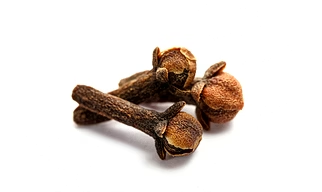
Clove
Clove is an aromatic spice known for its warm, pungent flavor and medicinal benefits. Rich in eugenol, it has antibacterial, anti-inflammatory, and analgesic properties, making it useful in culinary, medicinal, and industrial applications. It enhances food flavors, aids digestion, relieves pain (especially in dental care), and acts as a natural preservative and insect repellent. Clove oil is widely used in pharmaceuticals, cosmetics, and perfumes for its antiseptic and aromatic qualities.
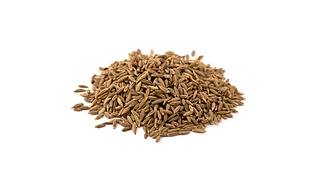
Cumin
cumin, (Cuminum cyminum), annual plant of the parsley family (Apiaceae) and the spice made of its seedlike fruits. Native to the Mediterranean region, cumin is also cultivated in India, China, and Mexico and is used to flavor a variety of foods.Nutrition. Cumin contains compounds called flavonoids that work as antioxidants in the body. Antioxidants can help neutralize unstable particles called free radicals that cause cell damage. By neutralizing these particles, antioxidants can help prevent diseases like cancer, heart disease, and high blood pressure.
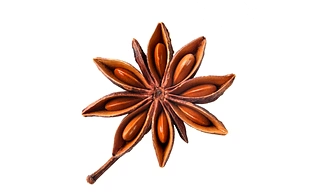
Star anise
Star anise is a spice made from the fruit of the Chinese evergreen tree Illicium verum. It's aptly named for the star-shaped pods from which the spice seeds are harvested and has a flavor that is reminiscent of licorice.What Does Anise Taste Like? Anise has a very strong licorice taste, thus why it is often a divisive flavor among those who are not accustomed to it.
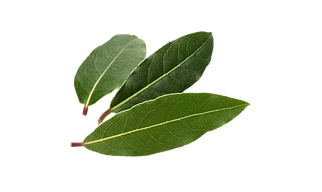
Bay leaf
Bay Leaf or Laurel Leaf are dried leaves or an evergreen shrub or more rarely a tree attaining a height of 15 to 20 mtrs. The upper surface of the leaf is glabrous and shiny, olive green, and lower surface is dull olive to brown with a prominent rib and veins.Bay leaves are elongated, thick leaves with pointed ends that are known for their fragrance. They have a shiny upper surface and a duller lower surface.
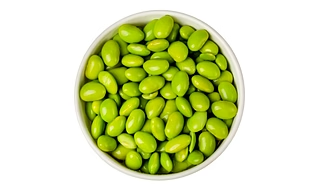
Edamame
Edamame beans are whole, immature soybeans, sometimes referred to as vegetable-type soybeans. They are green and differ in color from regular soybeans, which are typically light brown, tan, or beige.
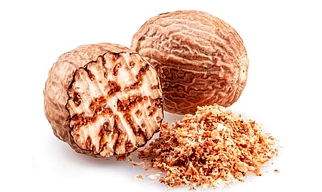
Nutmeg
Nutmeg has a characteristic pungent and pleasant fragrance, with a slightly warm and sweet taste. Nutmeg is used to flavor many kinds of baked goods, breads, confections, puddings, dairy products, meats, sausages, sauces, vegetables, and beverages.


 GL Trustmark