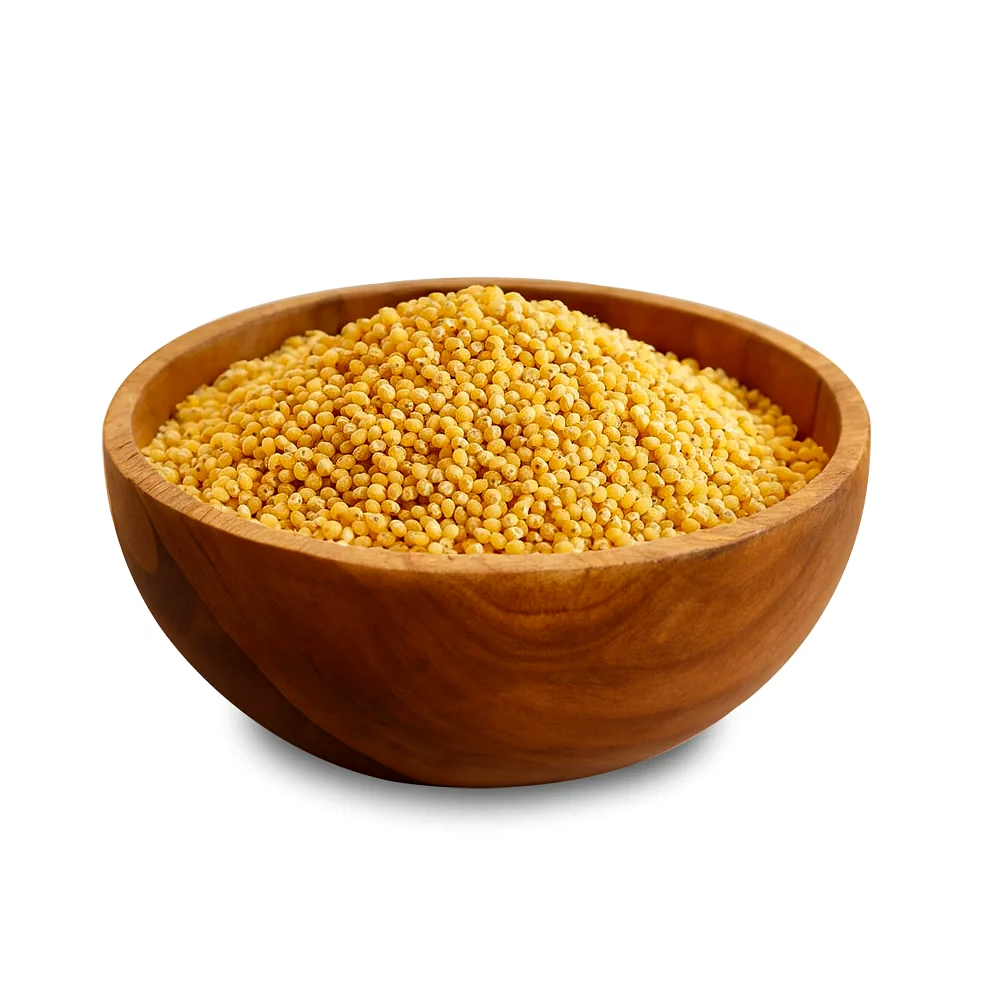
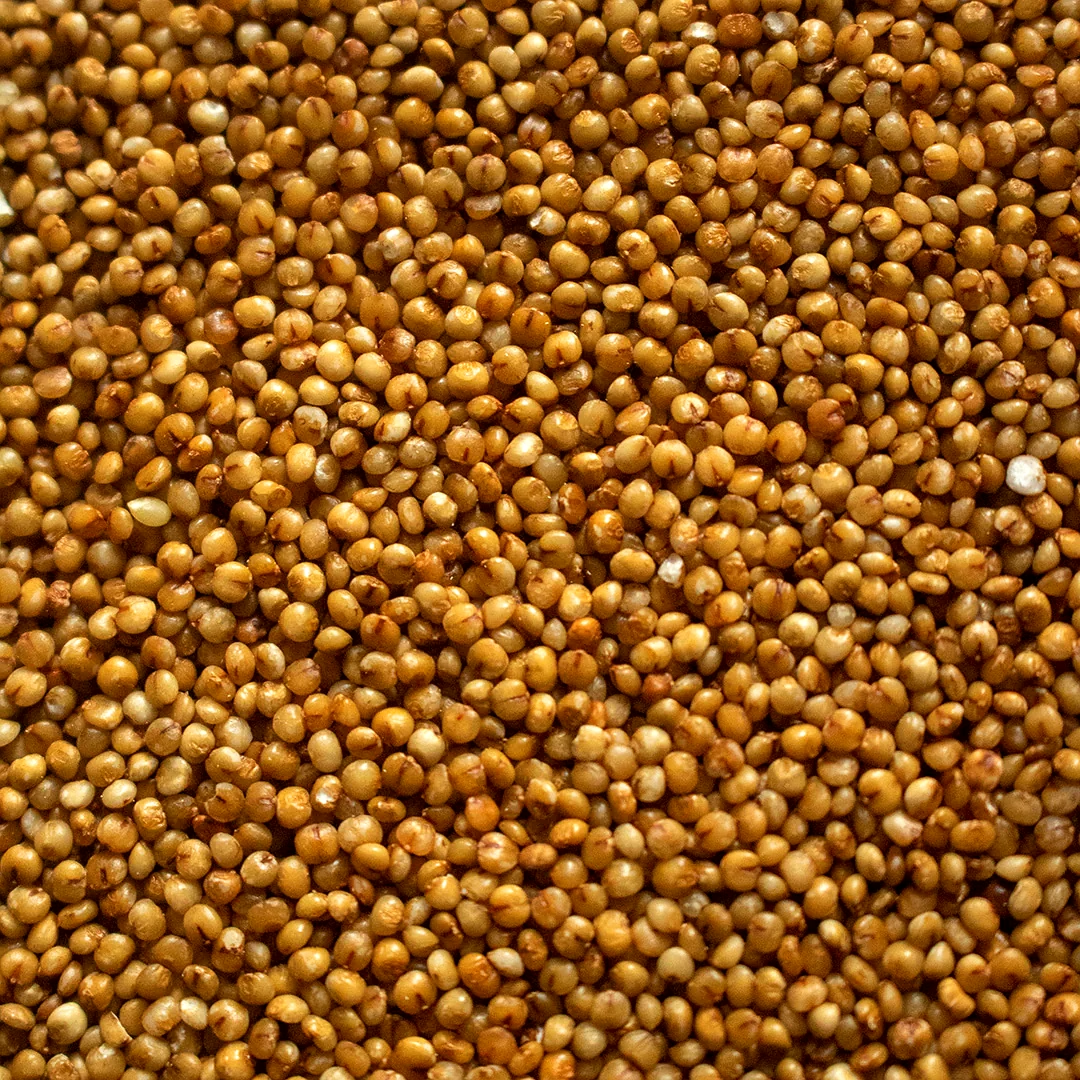
Kodo millet (Paspalum scrobiculatum) is a resilient annual monocot grass that typically reaches heights of up to four feet. Characterized by its slender, light green leaves measuring 20 to 40 centimeters in length and an inflorescence comprising 4 to 6 racemes spanning 4 to 9 cm, this small-seeded millet is a staple in traditional Indian diets. Renowned for its drought resistance and ability to thrive in marginal soils, Kodo millet serves as a valuable cereal crop for cultivation in semi-arid and less fertile regions. It is highly valued for its nutritional benefits and adaptability, making it an essential crop for sustainable agriculture and food security in challenging growing conditions. This millet is especially significant for B2B buyers such as agricultural suppliers, food processors, and health food manufacturers seeking an organic, nutrient-dense grain that supports eco-friendly farming practices.
Key Features
| Features | Description |
|---|---|
| Botanical Name | Paspalum scrobiculatum |
| Plant Type | Annual monocot grass |
| Height | Up to 4 feet (approx. 120 cm) |
| Leaf Size | 20 to 40 centimeters, slender and light green |
| Inflorescence | 4–6 racemes, each 4–9 cm long |
| Seed Type | Small-seeded cereal grain |
| Soil Adaptability | Grows well in marginal and less fertile soils |
| Drought Resistance | Highly drought resistant, suitable for semi-arid regions |
| Culinary Use | Staple in traditional Indian cuisine |
| Agricultural Use | Ideal for sustainable farming and crop diversification |
| Attributes | Description |
|---|---|
| Scientific Classification | Kingdom: Plantae, Family: Poaceae, Genus: Paspalum, Species: scrobiculatum |
| Growth Duration | Annual crop |
| Climate | Thrives in warm, dry climates with low rainfall |
| Soil Type | Can grow in sandy, loamy, and degraded soils |
| Nutritional Profile | Rich source of fiber, proteins, and essential minerals |
| Harvest Period | Typically harvested 3–4 months after sowing |
| Uses | Consumption as grain; can be processed into flour and food products |
| Packaging | Available in bulk quantities suitable for industrial and commercial buyers |
| Storage | Best stored in cool, dry conditions to maintain quality |
| Origin | Native to India and commonly cultivated in semi-arid regions |
*Disclaimer: The above description has been AI-generated and has not been audited or verified for accuracy. It is recommended to verify product details independently before making any purchasing decisions.
Kodo millet is well-adapted to grow in marginal soils including sandy, loamy, and degraded soils, making it ideal for semi-arid and less fertile lands.
Yes, Kodo millet is highly drought resistant and thrives in regions with low rainfall, making it suitable for drought-prone areas.
Kodo millet typically reaches maturity and is ready for harvest approximately 3 to 4 months after sowing.
Kodo millet seeds are consumed directly as a cereal grain and can be milled into flour for various traditional and modern food products.
Yes, its adaptability to poor soils, low water requirements, and short growth cycle make Kodo millet suitable for sustainable and eco-friendly farming.
Country Of Origin: India
Kodo millet is a monocot and an annual grass that grows to heights of approximately four feet. It has an inflorescence that produces 4–6 racemes that are 4–9 cm long. Its slender, light green leaves grow to be 20 to 40 centimeters in length.
Kodo millet (Paspalum scrobiculatum) is a small-seeded, annual grass that is a staple of traditional Indian cuisine. It is a minor millet that is drought-resistant and can grow in marginal soils.
Inclusive of all taxes
You Save: 0
Koduvally , India
Service Provider , Service Center, Manufacturer, Professional Services, Contractor, Retailer, Distributor, Exporter, Importer, Wholesaler
GST- 32acffa3927k1zh