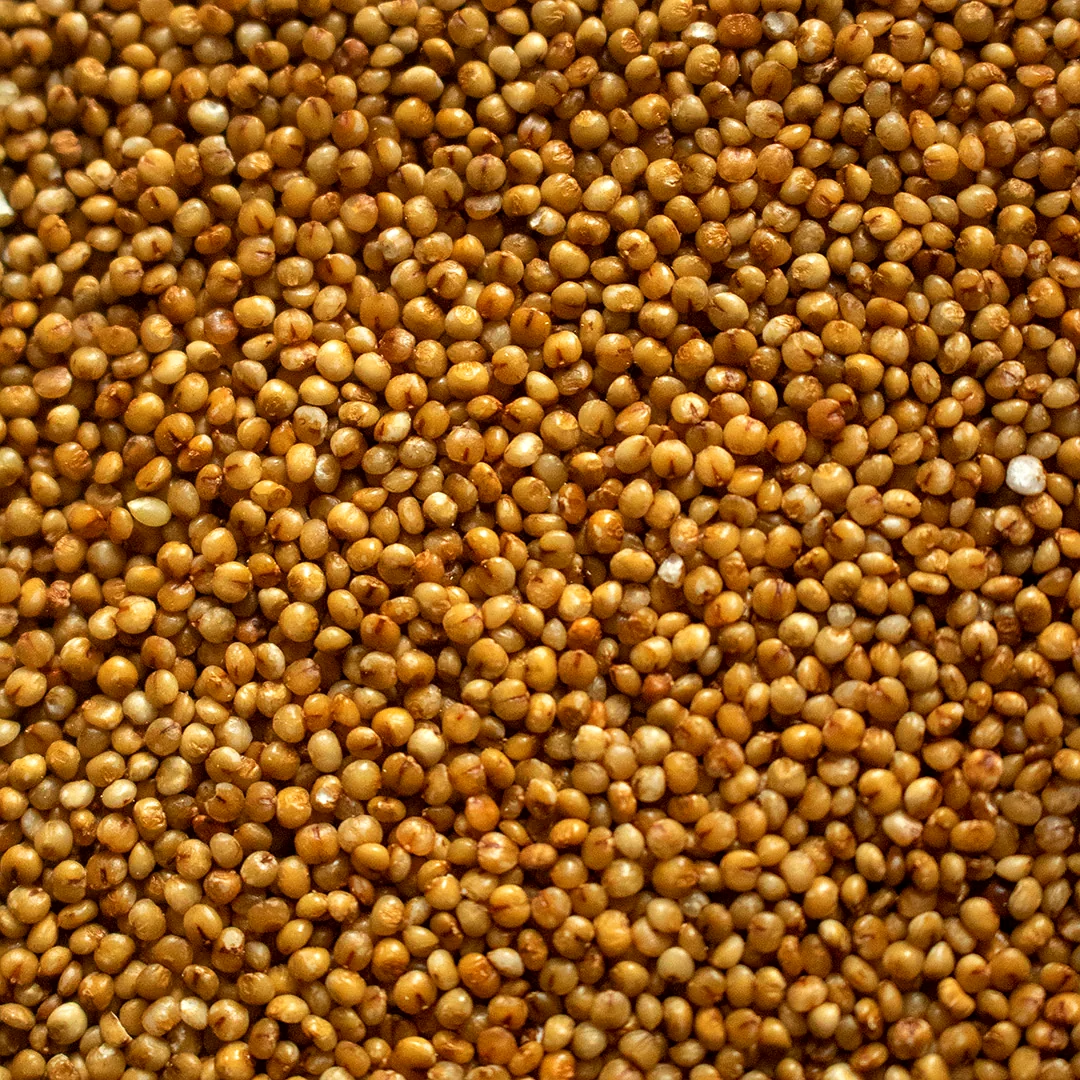
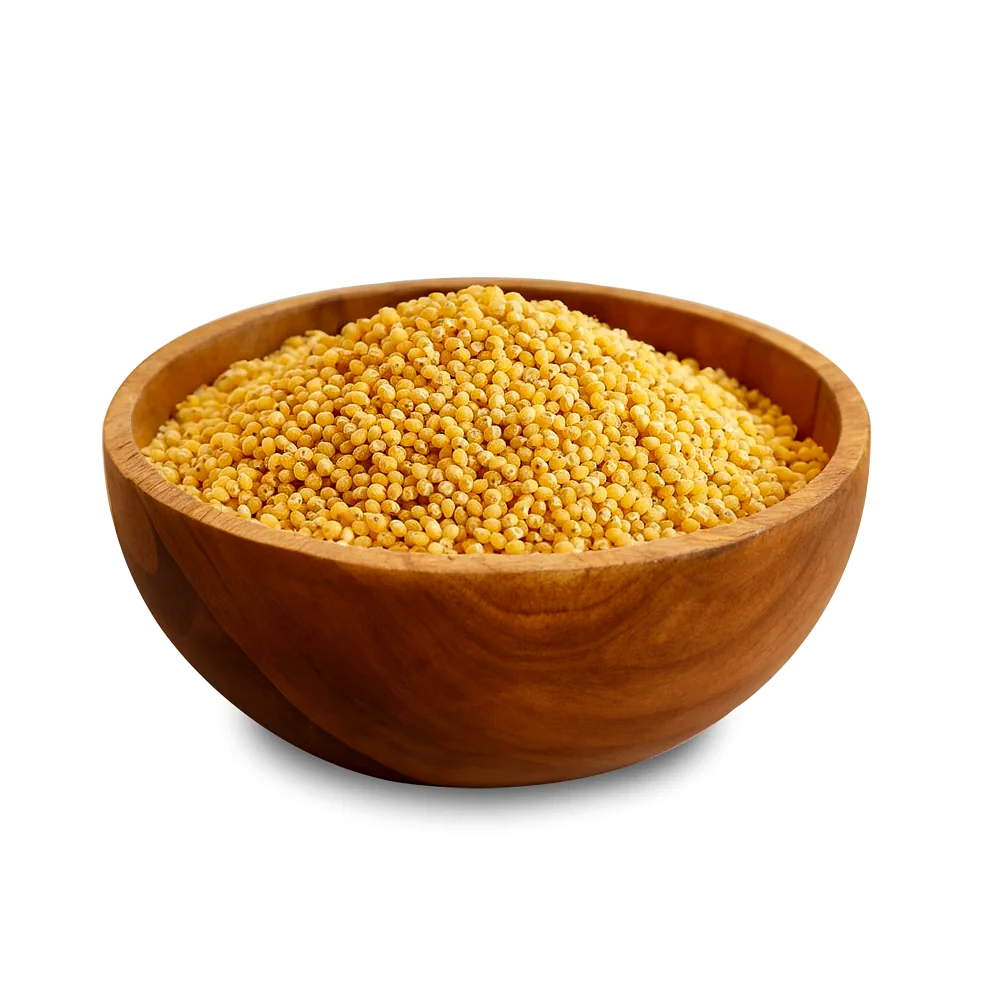
Little Millet (Panicum sumatrense), also known as kutki, sama, gindi, or mutaki, is a small-grained cereal renowned for its nutritional and agricultural benefits. Native to India and widely cultivated in South Asia including Sri Lanka, Pakistan, and Myanmar, this millet belongs to the Panicoideae subfamily and features a chromosome number of 2n = 36. Little millet is grown as an annual crop and favored for its drought-resistant properties, making it suitable for arid and semi-arid regions. It offers an excellent source of dietary fiber, proteins, vitamins, and minerals, making it an ideal ingredient for health-conscious food formulations and traditional culinary uses. Cultivated in limited quantities across various regions, Little millet can be used in porridges, bread, and as a substitute for rice or wheat, enhancing the diversity of gluten-free grains in the market. This product is targeted towards agricultural companies, food manufacturers, and health-focused businesses looking for millets with high nutritional value and adaptability to multiple climates.
Key Features
| Features | Description |
|---|---|
| Scientific Name | Panicum sumatrense |
| Common Names | Kutki, Sama, Gindi, Mutaki |
| Chromosome Number | 2n = 36 |
| Growth Habit | Annual small millet cereal |
| Native Region | India and Southeast Asia |
| Cultivation Regions | India, Sri Lanka, Pakistan, Myanmar |
| Nutritional Benefits | Rich in dietary fiber, proteins, vitamins, and minerals |
| Climate Suitability | Drought-resistant, suitable for arid and semi-arid areas |
| Uses | Food ingredient, gluten-free grain alternative, traditional culinary uses |
| Attributes | Description |
|---|---|
| Grain Size | Small-grained cereal |
| Botanical Family | Poaceae (Grass family) |
| Subfamily | Panicoideae |
| Annual Crop | Yes |
| Processing Form | Raw grain, cleaned and husked upon request |
| Shelf Life | 12 months under proper storage conditions |
| Packaging Options | Bulk bags, retail packaging on request |
| Moisture Content | Typically below 14% |
| Gluten-Free | Yes |
| Agricultural Practices | Conventional and organic farming methods applicable |
*Disclaimer: The above description has been AI-generated and has not been audited or verified for accuracy. It is recommended to verify product details independently before making any purchasing decisions.
Yes, Little millet can be cultivated using organic farming methods, and we offer variants that comply with organic certification standards upon request.
The typical moisture content of our Little Millet is below 14%, which ensures longer shelf life and reduced risk of spoilage.
Absolutely, Little Millet is naturally gluten-free, making it a perfect ingredient for gluten-free food products.
We provide bulk packaging options including 25 kg and 50 kg bags, with customized packaging available on request.
Yes, Little Millet is highly drought-resistant and adapts well to arid and semi-arid climates, making it a resilient crop for such regions.
Little millet (Panicum sumatrense) (Subfamily: Panicoideae), commonly called kutki, sama, gindi, mutaki, is a species of small millet with chromosome number of 2n = 36. It is cultivated in India, Sri Lanka, Pakistan, Myanmar, and other South East Asian countries to a limited extent.
Little millet (Panicum sumatrense) is a small-grained cereal that is native to India. It's a member of the grass family and is grown as an annual.
Inclusive of all taxes
You Save: 0
Koduvally , India
Service Provider , Service Center, Manufacturer, Professional Services, Contractor, Retailer, Distributor, Exporter, Importer, Wholesaler
GST- 32ACFFA3927K1ZH