Inclusive of all taxes
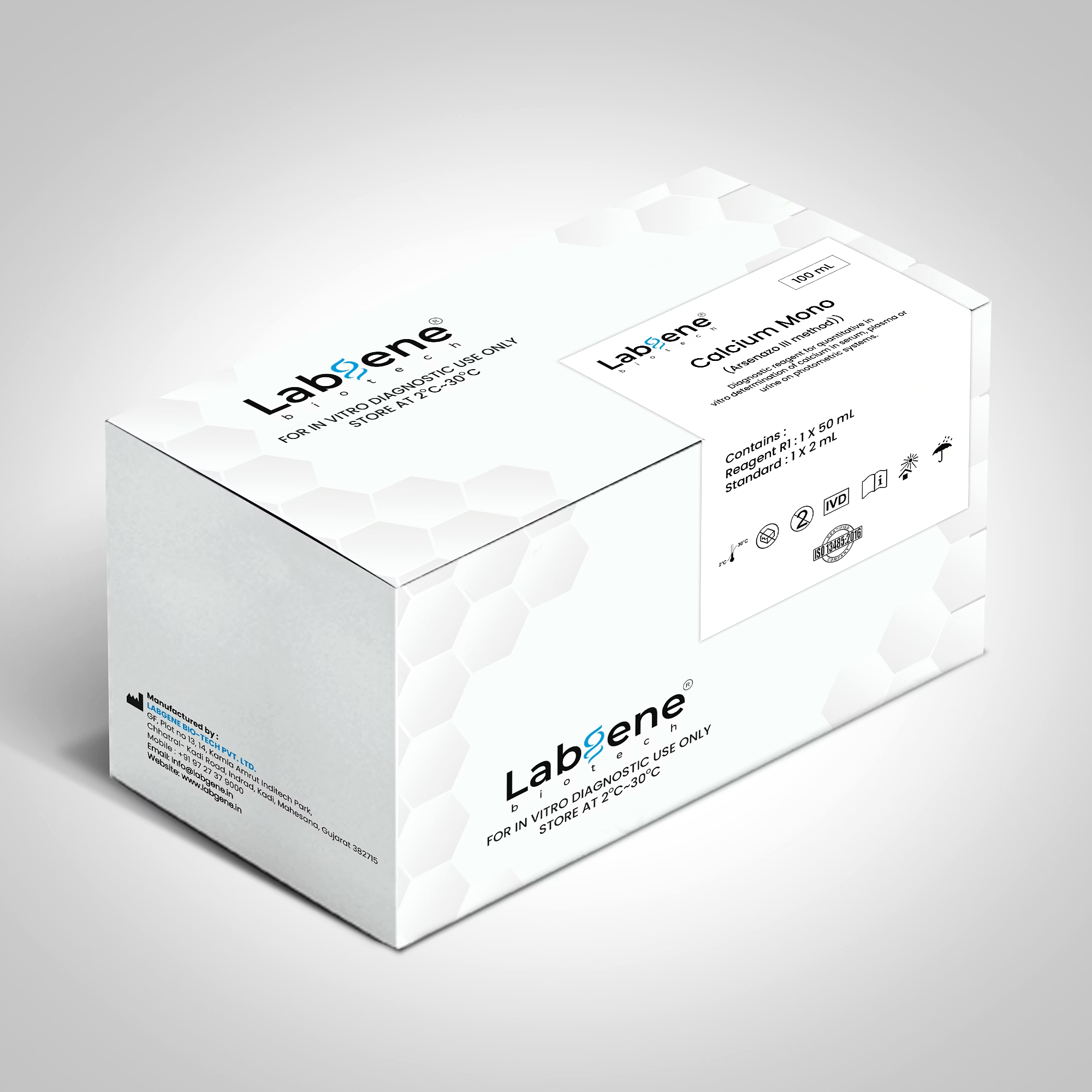
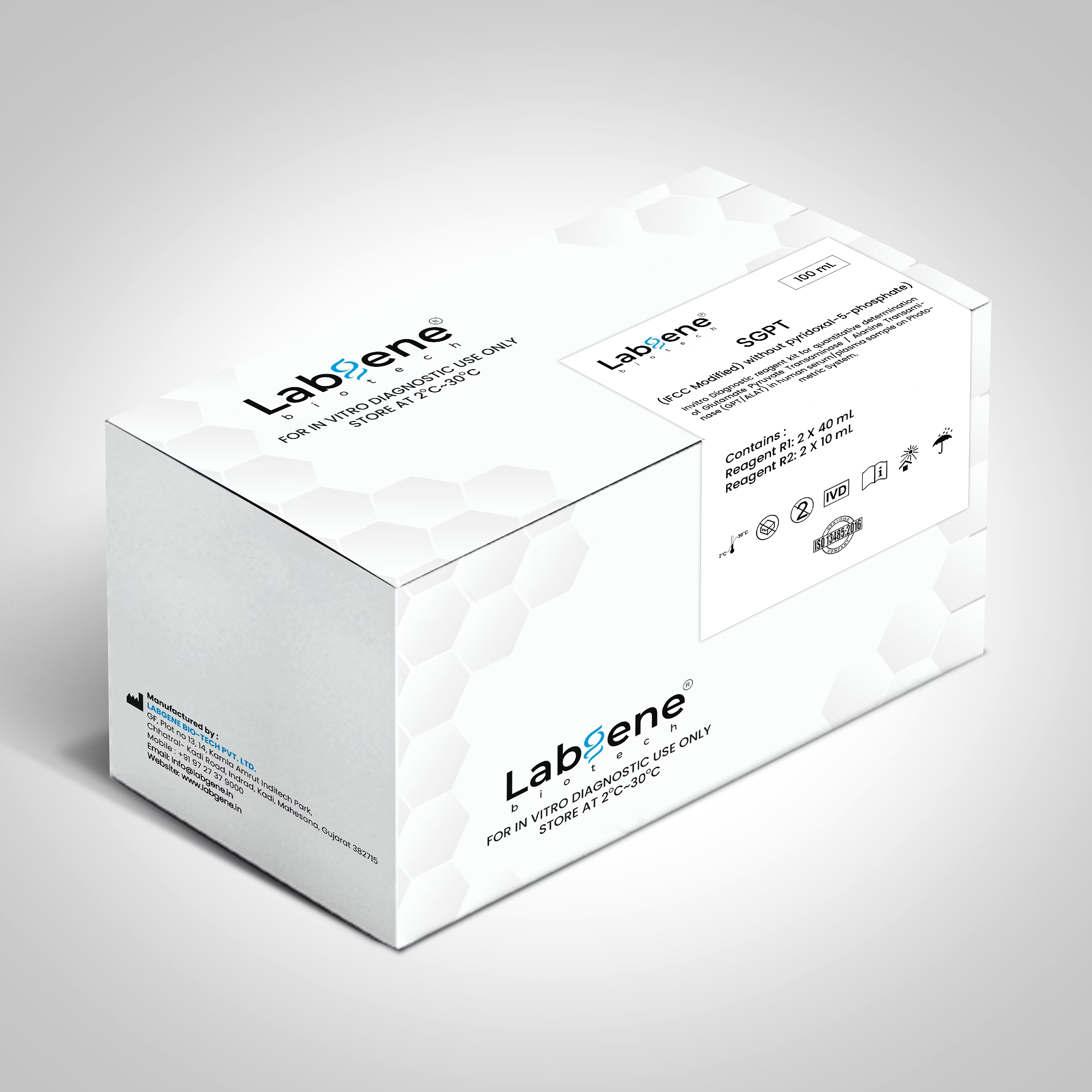
The SGPT/ALAT Reagent Kit (IFCC Modified Method) is an advanced in-vitro diagnostic tool designed for the quantitative determination of Alanine Transaminase (ALAT), also known as Glutamate Pyruvate Transaminase (SGPT), in human serum and plasma. This kit uses a kinetic photometric method strictly adhering to IFCC guidelines, ensuring precision and reliability in clinical diagnosis. The enzyme ALAT plays a crucial role in amino acid metabolism, and elevated levels in serum are significant markers for liver cell damage. Utilizing a sophisticated enzymatic reaction sequence involving L-Alanine, 2-Oxoglutarate, lactate dehydrogenase, and NADH, the kit measures the rate of NADH consumption at specific wavelengths. This reaction provides direct quantification of ALAT concentration, enabling healthcare professionals to accurately diagnose and monitor liver diseases such as hepatitis, cirrhosis, and fatty liver. The reagent components are optimized for compatibility with automated photometric analyzers, allowing high-throughput and consistent liver function screening in hospital and clinical laboratory settings. This makes the SGPT/ALAT Reagent Kit indispensable for timely liver health assessments and patient management.
Key Features
| Features | Description |
|---|---|
| Methodology | Kinetic Photometric Method (IFCC Modified) |
| Analyte Detected | Alanine Transaminase (ALAT/SGPT) |
| Sample Type | Human Serum and Plasma |
| Reaction Principle | Enzymatic conversion of L-Alanine to L-Glutamate and Pyruvate, followed by NADH consumption measurement |
| Measurement | Photometric detection of NADH consumption rate |
| Clinical Application | Diagnosis and monitoring of liver diseases |
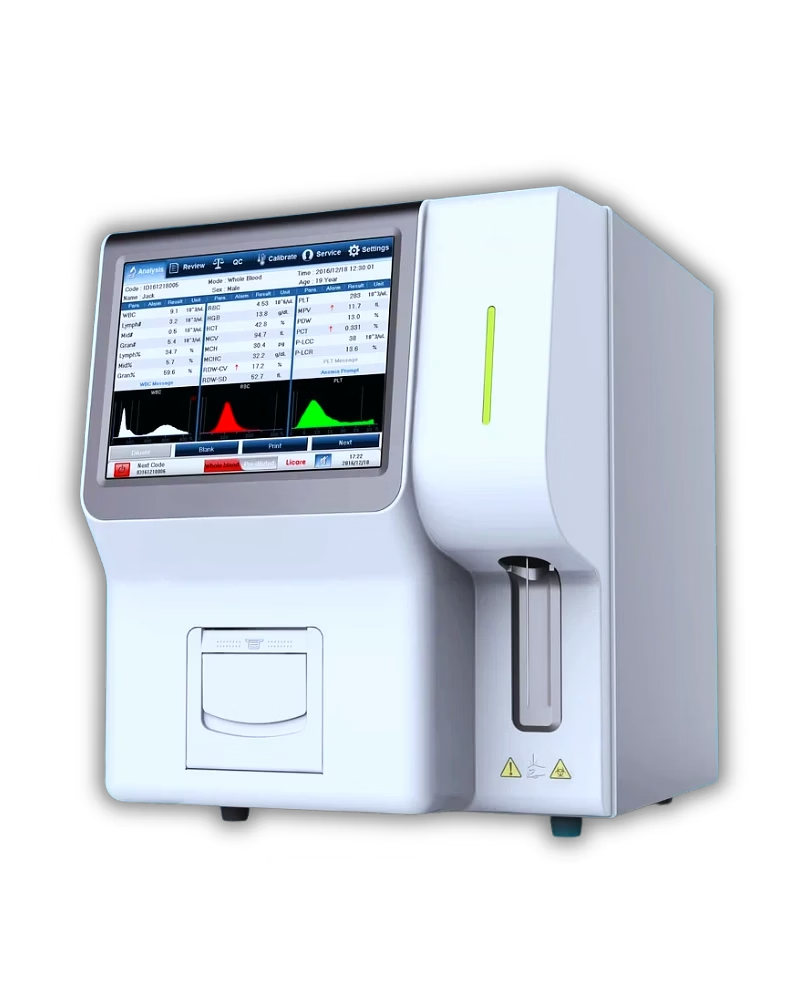
| Instrumentation | Compatible with automated photometric analyzers |
| Speed and Accuracy | Rapid and precise quantitative results |
| Standards Compliance | IFCC (International Federation of Clinical Chemistry and Laboratory Medicine) guidelines |
| Intended Users | Hospitals, clinics, and diagnostic laboratories |
| Attributes | Description |
|---|---|
| Test Type | In-vitro diagnostic reagent kit |
| Method Type | Kinetic enzymatic assay |
| Detection Wavelength | Around 340 nm (NADH absorption) |
| Reaction Time | Typically a few minutes per assay |
| Storage Conditions | Store refrigerated at 2-8°C |
| Shelf Life | Varies by manufacturer, typically 12 months |
| Sample Volume | Depends on analyzer but generally minimal (microliters) |
| Calibration | Requires calibration with standard controls |
| Interfering Substances | Hemolysis, lipemia, and high bilirubin may affect results |
| Packaging | Includes reagents for multiple tests with clear instructions |
*Disclaimer: The above description has been AI-generated and has not been audited or verified for accuracy. It is recommended to verify product details independently before making any purchasing decisions.
The IFCC modified method standardizes the kinetic enzymatic assay to minimize interferences and variability by specifying reaction conditions and measurement wavelengths, resulting in more consistent and accurate ALAT quantification.
Yes, the reagents are optimized for automation and can be used with most standard photometric analyzers, facilitating high-throughput liver enzyme testing.
The kit is validated for use with human serum and plasma samples, enabling flexible sample collection protocols.
Yes, samples exhibiting hemolysis, lipemia, or elevated bilirubin levels may interfere with the photometric measurements and affect accuracy. Proper sample handling is recommended.
The kit includes standardized reagents compliant with IFCC guidelines, and it requires calibration with controls to ensure consistent performance across multiple runs.
The enzymatic reaction and photometric measurement complete within minutes, enabling rapid turnaround times compatible with clinical laboratory workflows.
Brand: labgene
Country Of Origin: India
This is an in-vitro diagnostic (IVD) reagent kit for the quantitative determination of Glutamate Pyruvate Transaminase (GPT), also known as Alanine Transaminase (ALAT), in human serum and plasma samples. The kit employs a kinetic photometric method based on the IFCC (International Federation of Clinical Chemistry and Laboratory Medicine) recommendations. It is a crucial tool for diagnosing and monitoring liver diseases, as elevated levels of ALAT are a key indicator of liver damage.
Alanine aminotransferase (ALAT), commonly known as SGPT, is an enzyme primarily located in the liver and kidneys. A low level of ALAT is normally present in the serum. However, increased ALAT levels are a significant indicator of liver damage and are used to screen for and monitor liver disease. ALAT is often measured concurrently with ASAT (Aspartate Aminotransferase) as part of a liver function panel to pinpoint the source of organ damage.
This reagent kit uses a kinetic enzymatic method modified to be suitable for photometric systems. The principle involves the enzyme ALAT catalyzing the transfer of an amino group from L-Alanine to 2-Oxoglutarate, producing L-Glutamate and Pyruvate. In a subsequent reaction, the pyruvate formed is consumed by lactate dehydrogenase (LDH) along with NADH (Nicotinamide Adenine Dinucleotide) to form L-Lactate and NAD+. The rate of NADH consumption is measured photometrically, which is directly proportional to the ALAT concentration in the sample. This robust and precise methodology provides rapid, accurate, and reliable results, making the kit an essential tool for hospitals, clinics, and diagnostic laboratories involved in liver function assessment.
Inclusive of all taxes
You Save: 0