Inclusive of all taxes
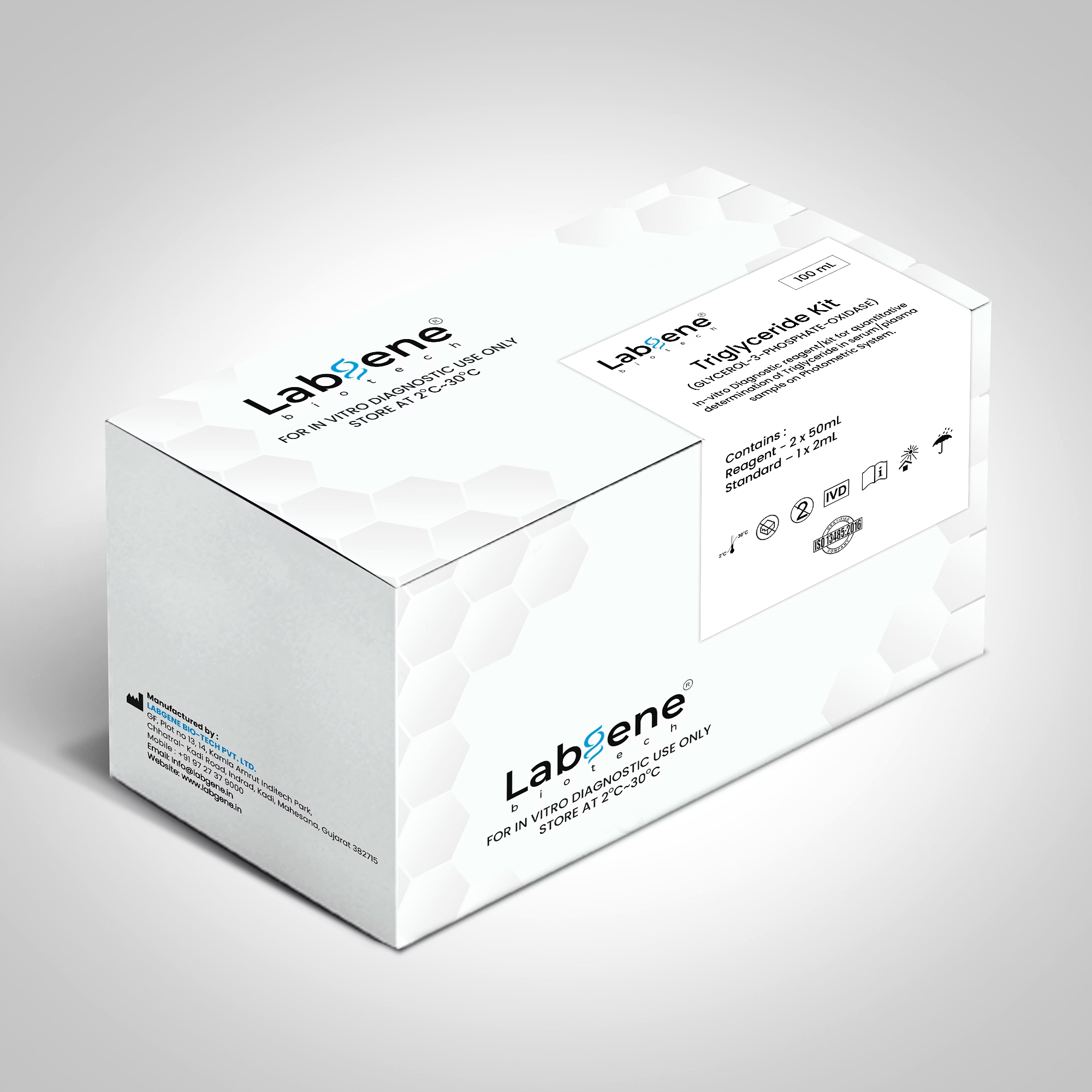
The Triglycerides Reagent Kit employing the Glycerol-3-Phosphate-Oxidase (GPO) method is an advanced in-vitro diagnostic (IVD) solution designed for the quantitative analysis of triglyceride levels in human serum and plasma. This reagent kit facilitates precise and reliable measurement through a photometric endpoint assay, vital for diagnosing and monitoring metabolic and cardiovascular disorders. Utilizing a robust enzymatic cascade, triglycerides in the sample undergo lipoprotein lipase-mediated hydrolysis into glycerol and fatty acids. The glycerol is then transformed by glycerokinase to glycerol-3-phosphate, which the GPO enzyme oxidizes, generating hydrogen peroxide. This byproduct reacts with 4-aminoantipyrine and 4-chlorophenol in the presence of peroxidase to produce a quinoneimine dye, measurable photometrically. The color intensity correlates directly with triglyceride concentration, enabling clinical laboratories and diagnostic centers to reliably assess triglyceride abnormalities linked to conditions such as coronary artery disease, diabetes, liver disease, and hypothyroidism. This kit stands out for its enzymatic specificity, high accuracy, ease of integration into standard photometric systems, and comprehensive application in clinical diagnostics for cardiovascular risk evaluation and metabolic health monitoring.
Key Features
| Features | Description |
|---|---|
| Methodology | Glycerol-3-Phosphate-Oxidase enzymatic method |
| Assay Type | Photometric endpoint assay |
| Sample Type | Human serum and plasma |
| Analyte Measured | Triglycerides |
| Reaction Cascade | Lipoprotein lipase hydrolysis → glycerokinase phosphorylation → GPO oxidation → peroxidase-catalyzed chromogen formation |
| Indicator Dye | Colored quinoneimine |
| Clinical Use | Assessment of metabolic disorders and cardiovascular risk |
| Accuracy | High precision through enzymatic specificity |
| Ease of Use | Compatible with standard photometric analysis systems |
| Regulatory Status | In-vitro diagnostic (IVD) reagent |
| Attributes | Description |
|---|---|
| Detection Principle | Enzymatic photometric measurement of quinoneimine indicator |
| Sample Volume Required | Typically 10-20 µL serum or plasma |
| Reaction Time | Approximately 10-15 minutes |
| Storage Conditions | Store reagent at 2-8°C, avoid freezing |
| Shelf Life | Usually 12 months from manufacturing date |
| Operating Temperature | 28-37°C optimal assay temperature |
| Interferences | Minimal interference with hemolysis, lipemia controlled in protocol |
| Measurement Wavelength | Approximately 500 nm |
| Packaging | Reagent kit containing enzyme reagent, buffer, and chromogen |
| Compatibility | Suitable for automated analyzers and manual photometers |
*Disclaimer: The above description has been AI-generated and has not been audited or verified for accuracy. It is recommended to verify product details independently before making any purchasing decisions.
The GPO method enzymatically converts triglycerides through a specific reaction cascade producing a colored quinoneimine indicator, which allows highly specific and accurate photometric quantification, minimizing interference from other blood components.
Yes, the reagent kit is compatible with most common automated photometric analyzers and manual photometers, facilitating integration in diverse clinical laboratory settings.
The kit aids in diagnosing and monitoring conditions related to abnormal triglyceride levels, such as coronary artery disease, diabetes mellitus, liver dysfunction, hypothyroidism, and nephritic syndrome.
Typically, 10 to 20 µL of human serum or plasma is required per test, making it suitable for routine clinical sample volumes.
The reagent components should be stored between 2-8°C and have a shelf life of approximately 12 months, ensuring reliable performance when properly maintained.
Brand: labgene
Country Of Origin: India
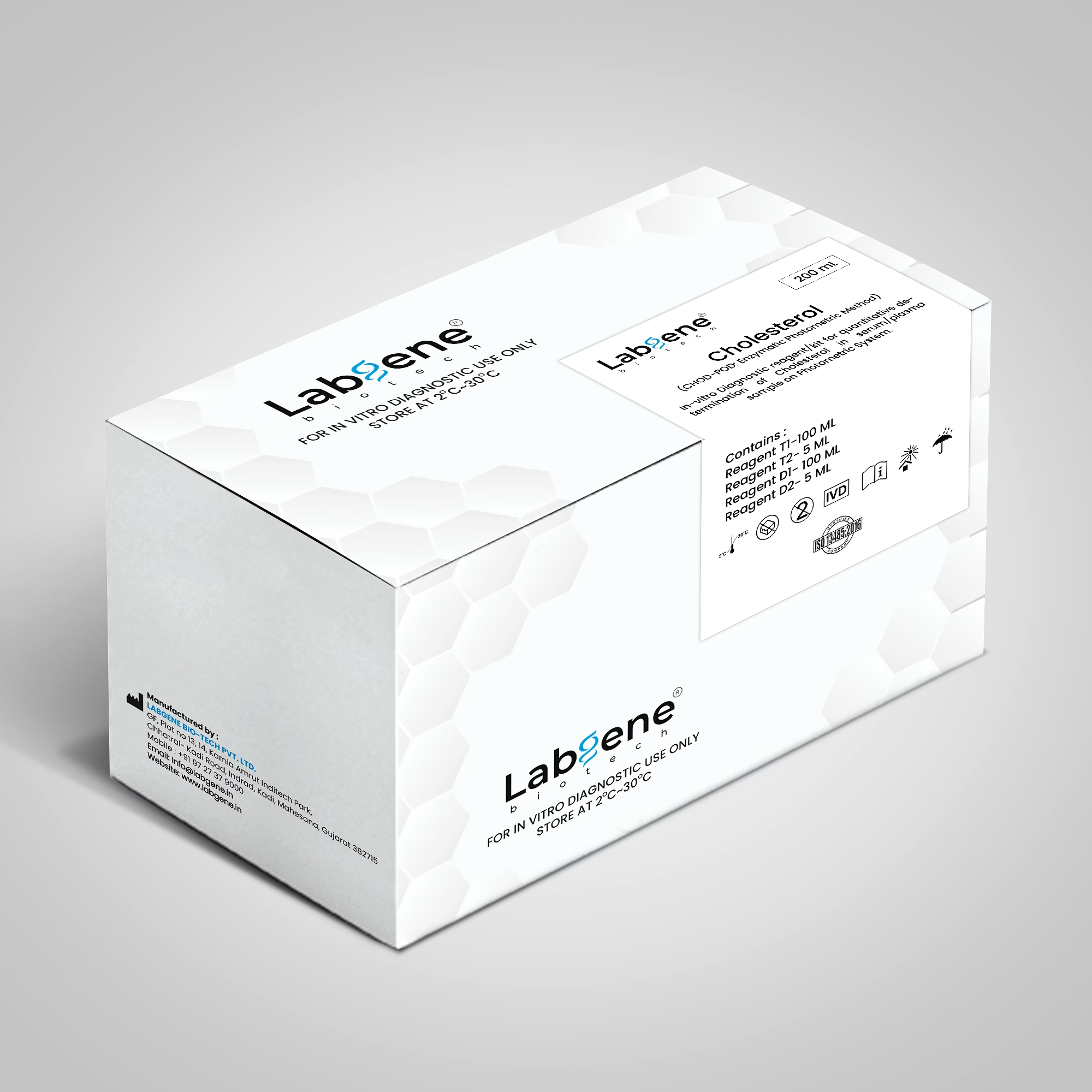
This in-vitro diagnostic (IVD) reagent kit is for the quantitative determination of triglycerides in human serum and plasma samples using a photometric system. The kit utilizes the enzymatic Glycerol-3-Phosphate-Oxidase method to provide accurate and reliable results. It is a vital diagnostic tool for assessing metabolic disorders and cardiovascular risk, as abnormal triglyceride levels are associated with various diseases.
Triglycerides are fatty acid esters of glycerol synthesized by liver cells. They serve as a primary energy source for the body and are transported by lipoproteins. Abnormal triglyceride levels are a significant risk factor for coronary artery disease and peripheral vascular disease. Increased concentrations can also be found in conditions such as diabetes, liver disease, hypothyroidism, and nephritic syndrome. Conversely, decreased concentrations may indicate malnutrition or hyperthyroidism.
This reagent kit employs a robust enzymatic method based on Glycerol-3-Phosphate-Oxidase (GPO). The determination of triglycerides involves a series of enzymatic reactions: first, lipoprotein lipase splits triglycerides into glycerol and fatty acids. The glycerol is then phosphorylated by glycerokinase to glycerol-3-phosphate. In the next step, GPO oxidizes glycerol-3-phosphate, producing hydrogen peroxide (H2 O2 ). Finally, the H2 O2 reacts with 4-aminoantipyrine and 4-chlorophenol, catalyzed by peroxidase, to form a colored quinoneimine indicator. The photometric measurement of this colored compound is directly proportional to the triglyceride concentration in the sample. This enzymatic, endpoint method provides high accuracy and ease of use for clinical laboratories, hospitals, and diagnostic centers.
Inclusive of all taxes
You Save: 0