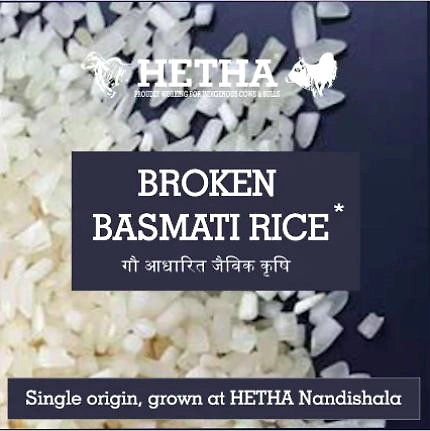
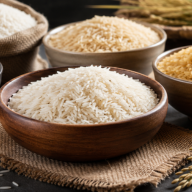
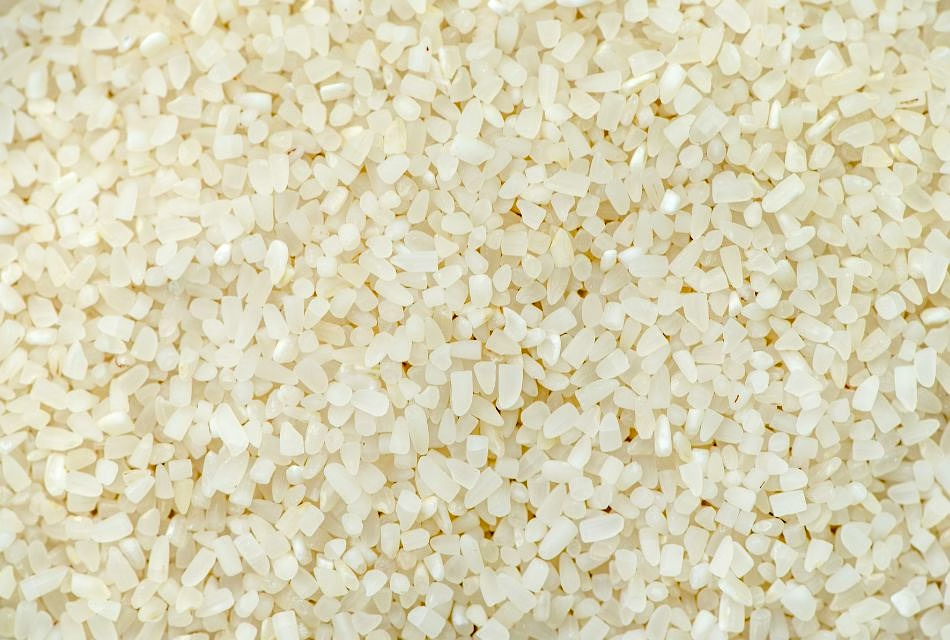
Broken rice consists of rice grains that break during the milling and polishing process but still maintain the same nutritional profile as whole rice. This product is smaller in size yet packed with carbohydrates, proteins, and essential nutrients, making it a versatile and cost-effective raw material. Broken rice is extensively used in various industries such as animal feed production, brewing (alcoholic beverage manufacturing), snack food preparation, and traditional culinary dishes especially across Asia and Africa. Its ease of cooking and affordability have elevated its usage for making porridges, rice flour, noodles, and alcoholic beverages. Additionally, broken rice serves as an economical staple food for populations in developing regions. This specific product offers a reliable and nutrient-rich alternative to whole rice, delivering excellent value for businesses in food processing, livestock nutrition, and beverage manufacturing sectors.
Key Features
| Features | Description |
|---|---|
| Grain Type | Broken Rice (fractured grains during milling) |
| Nutritional Value | Equivalent to whole rice, rich in carbohydrates and proteins |
| Applications | Animal feed, breweries, snack foods, traditional dishes, porridge, rice flour, noodles |
| Geographical Relevance | Widely used in Asia and Africa |
| Cost-effectiveness | More affordable than whole rice, ideal for large-scale use |
| Cooking | Easy to cook, suitable for diverse culinary uses |
| Packaging Options | Available in bulk bags or sacks suitable for B2B supply chains |
| Shelf Life | Long shelf life when stored in dry conditions |
| Moisture Content | Typically below 14% to prevent spoilage |
| Attributes | Description |
|---|---|
| Physical Form | Coarse broken rice grains |
| Protein Content | Approximately 7-8% |
| Carbohydrate Content | Approximately 75-80% |
| Moisture Level | <14% |
| Packing Size | Available in 25kg, 50kg, or bulk packaging |
| Color | White to off-white |
| Origin | Sourced from established rice processing mills |
| Intended Use | Suitable for food industrial processing and feed production |
| Shelf Life | 12 months under optimal storage conditions |
*Disclaimer: The above description has been AI-generated and has not been audited or verified for accuracy. It is recommended to verify product details independently before making any purchasing decisions.
This broken rice contains approximately 7-8% protein, comparable to whole rice, providing a nutritious option for feed and food applications.
Yes, broken rice is widely used in breweries as a fermentable carbohydrate source, making it a cost-effective raw material for alcohol production.
The broken rice is dried and stored with a moisture level below 14% to prevent microbial spoilage and extend shelf life up to 12 months.
Absolutely, broken rice maintains the same nutritional value as whole rice and is commonly used in porridges, noodles, and other traditional recipes.
We provide flexible packaging options including 25kg, 50kg bags, and bulk packaging to cater to different industrial requirements.
Country Of Origin: India
Broken rice refers to rice grains that break during milling and polishing but retain the same nutritional value as whole rice. Smaller in size yet rich in carbohydrates, protein, and essential nutrients, it is widely used in animal feed, breweries, snack foods, and traditional dishes across Asia and Africa. Cost-effective and easy to cook, broken rice is valued for its versatility in making porridges, rice flour, noodles, and alcoholic beverages, while also serving as an affordable staple for human consumption in many regions.