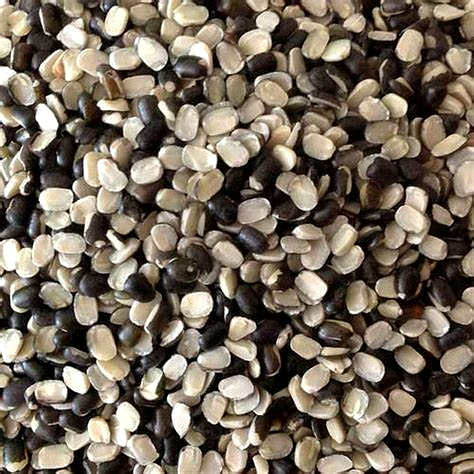
Red Lentils, specifically Red Urad Dal, are premium whole and split legumes belonging to the Fabaceae family, scientifically known as Vigna mungo. These lentils are characterized by their black outer skin and creamy white interior, available as whole black urad or as split forms with skin on or washed to remove skin. Cultivated primarily in India and neighboring regions, Red Urad Dal thrives in warm, dry climates with well-drained soil, making it a staple across South Asian kitchens. This product is integral to traditional recipes such as Dal Makhani, Idli and Dosa batter, and Medu Vada, where it contributes unique creaminess and nutrition. Rich in plant-based protein (~25g per 100g), fiber (~18g), and essential nutrients like iron and B-vitamins, this dal offers multiple health benefits including digestive support and improved energy levels. Offered in multiple forms including whole, split with skin, split washed, and urad flour, this versatile ingredient suits various culinary and commercial applications, particularly in food processing, catering, and ethnic cuisine manufacturers.
Key Features
| Features | Description |
|---|---|
| Scientific Name | Vigna mungo |
| Product Forms | Whole Black Urad Dal, Split Urad Dal (with skin), Split Urad Dal (washed, skinless), Urad Flour |
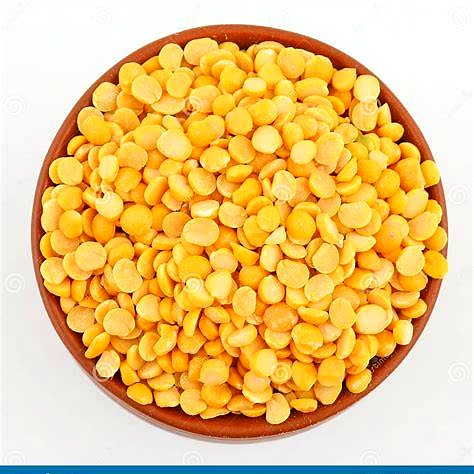
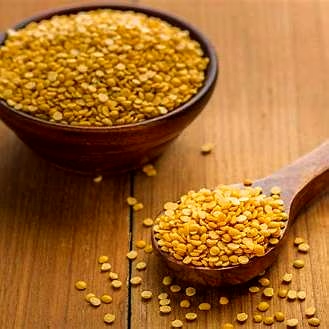
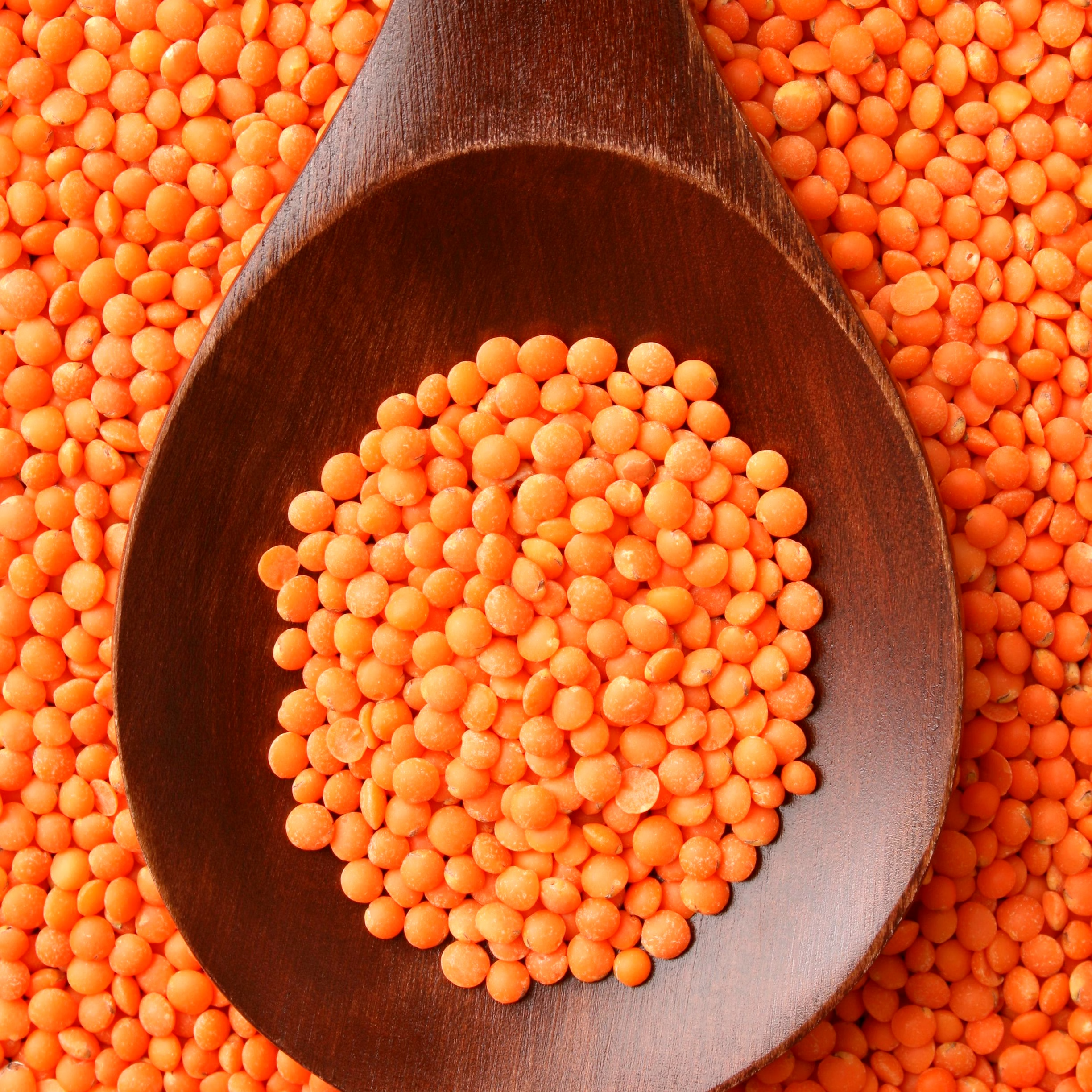
| Color and Appearance | Black outer skin with white interior for whole; orange-red split forms |
| Culinary Uses | Key ingredient in Dal Makhani, Idli and Dosa batter, Medu Vada, Punjabi Urad Dal |
| Nutritional Content | Protein (~25g/100g), Fiber (~18g/100g), Iron, Calcium, Magnesium, Phosphorus, Folate, B-vitamins |
| Health Benefits | Supports digestion, rich plant protein, boosts energy, supports heart and bone health |
| Cultivation Region | India (primary), Pakistan, Southeast Asia |
| Shelf Life | Typically 12-18 months when stored properly in dry, cool conditions |
| Processing | Available as whole, split with skin, split washed (skinless), and milled into flour |
| Usage in Fermentation | Essential in fermented dishes due to natural enzymes enhancing batter lightness and texture |
| Attributes | Description |
|---|---|
| Legume Family | Fabaceae |
| Type | Lentil / Dal |
| Color | Black outer skin for whole; orange-red for split forms |
| Size | Lens-shaped, small |
| Protein Content | Approximately 25 grams per 100 grams (uncooked) |
| Dietary Fiber | Approximately 18 grams per 100 grams (uncooked) |
| Fat Content | Approximately 2 grams per 100 grams (uncooked) |
| Origin | India |
| Packaging | Bulk bags, retail packs, or as per buyer specifications |
| Storage Conditions | Store in cool, dry place away from moisture |
| Shelf Life | 12-18 months if stored as recommended |
| Primary Uses | Food processing, ethnic cuisine preparation, fermented and savory dishes |
*Disclaimer: The above description has been AI-generated and has not been audited or verified for accuracy. It is recommended to verify product details independently before making any purchasing decisions.
Whole red urad dal maintains its black outer skin intact along with the white interior lentil, whereas split red urad dal is halved and can be either with the black skin left on or washed to remove the skin, resulting in a white lentil. This affects cooking time and texture usage in various recipes.
Yes, washed and split urad dal from this product range is widely used for fermenting batters in Idli and Dosa recipes due to its excellent enzymatic properties that aid fermentation and produce a light, fluffy texture.
The product can be supplied in bulk bags customized to buyer requirements as well as retail packaging suitable for commercial catering or food production businesses.
Yes, urad flour produced from whole or split urad dal maintains much of the protein, fiber, and mineral content and is commonly used in snack items and papads without significant loss of nutrition.
To ensure optimal freshness and nutritional quality, store the red urad dal in a cool, dry environment away from moisture. Under these conditions, the lentils have an expected shelf life of 12 to 18 months.
Country Of Origin: India
Red Lentils (Masoor Dal) Description:
Red Lentils are small, lens-shaped legumes known for their vibrant orange-red color and fast cooking time. They are widely used across South Asia, the Middle East, and Mediterranean regions and are prized for their earthy flavor and creamy texture when cooked.
Botanical and Agricultural Info:
• Scientific Name: Vigna mungo
• Family: Fabaceae (Legume family)
• Types:
o Whole Urad: Black skin, white interior
o Split Urad (with skin): Halved black lentils
o Split Urad (washed): White lentils with skin removed
Culinary Use:
• Used in both savory and fermented dishes:
o Dal Makhani
o Idli and Dosa batter (fermented)
o Vada (medu vada)
o Punjabi-style Urad Dal
• Adds body, creaminess, and depth of flavor to recipes
Cultivation and Production:
• Native to: India
• Major Producers: India (largest), Pakistan, and parts of Southeast Asia
• Grows well in dry, warm climates with well-drained soil
Nutritional Value (Per 100g, uncooked):
• Protein: ~25g
• Carbohydrates: ~60g
• Dietary Fiber: ~18g
• Fat: ~2g
• Rich in: Iron, Calcium, Magnesium, Phosphorus, Folate, and B-vitamins
Health Benefits:
• Excellent plant-based protein source
• High in fiber—supports digestion and gut health
• Boosts energy levels and helps with iron deficiency
• Beneficial for heart and bone health
Forms Available:
• Whole Black Urad Dal
• Split Urad Dal (with or without skin)
• Washed Urad Dal (white, skinless)
• Urad Flour – used in papads and snacks
Fun Fact:-Urad dal is an essential ingredient in making idli and dosa batter—thanks to its natural fermentation properties that help give a light, fluffy texture!