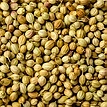
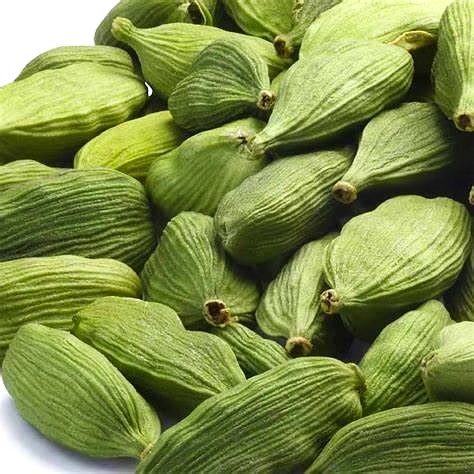
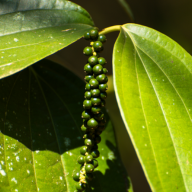
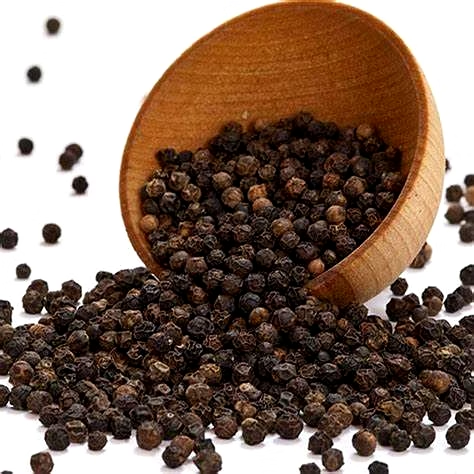
Black Pepper Whole is a premium-quality spice sourced predominantly from tropical regions such as the Western Ghats of India, Guatemala, Sri Lanka, and Tanzania. This perennial herbaceous plant produces small, spindle-shaped green capsules containing tiny black seeds renowned for their robust and complex flavor profile. Exhibiting sweet, floral, citrusy, and slightly minty notes, whole black pepper is widely respected as the 'Queen of Spices' and a staple in global cuisines including Indian, Middle Eastern, Scandinavian, and Southeast Asian. Its culinary versatility spans sweet dishes like kheer and chai, savory dishes such as biryani and curries, and beverages including tea and coffee. Beyond its culinary applications, black pepper contains essential oils like cineole and terpinene, contributing antioxidant, anti-inflammatory, and digestive health benefits. It is traditionally utilized in Ayurvedic and Unani medicine to aid digestion, freshen breath, and alleviate respiratory concerns. This whole black pepper form ensures maximal flavor retention, ideal for spice blends, grinding, and direct cooking use, making it a valuable choice for B2B clients in the food processing, hospitality, and wholesale spice markets.
Key Features
| Features | Description |
|---|---|
| Plant Type | Perennial herbaceous plant |
| Pod Description | Small, spindle-shaped green capsules containing tiny black seeds |
| Flavor Profile | Sweet, floral, citrusy, and slightly minty |
| Culinary Uses | Used in sweet dishes, savory dishes, beverages, and spice blends |
| Primary Origins | Western Ghats (India), Guatemala, Sri Lanka, Tanzania |
| Chemical Components | Essential oils including cineole and terpinene |
| Medicinal Benefits | Antioxidant, anti-inflammatory, digestive support |
| Traditional Medicine Use | Ayurveda and Unani applications for digestion, breath freshening, respiratory relief |
| Physical Form | Whole pods with intact seeds |
| Moisture Content | Low to maintain shelf life and preserve flavor |
| Attributes | Description |
|---|---|
| Botanical Name | Piper nigrum |
| Harvesting Season | Typically harvested once pods turn red |
| Origin | Western Ghats of India; also Guatemala, Sri Lanka, Tanzania |
| Packaging | Food-grade bags, bulk or retail packaging available |
| Shelf Life | 12 to 18 months when stored properly |
| Storage Conditions | Cool, dry place away from direct sunlight |
| Grading | Premium grade whole black peppercorns |
| Size | Uniform size suitable for grinding and whole use |
| Color | Characteristic dark black seeds within green capsules |
| Moisture Content | Max 10% to ensure quality preservation |
*Disclaimer: The above description has been AI-generated and has not been audited or verified for accuracy. It is recommended to verify product details independently before making any purchasing decisions.
The whole black pepper is supplied with a maximum moisture content of 10%, which helps maintain optimal shelf life and prevents mold or spoilage.
Yes, the whole black peppercorns are processed under strict quality controls meeting international food safety and Indian regulatory standards, ensuring pesticide-free and contamination-free products.
The product is available in food-grade packaging options suitable for bulk or retail needs, including bags and sacks customized as per buyer requirements.
Yes, the whole black pepper contains essential oils such as cineole and terpinene, which are traditionally used in Ayurveda and Unani medicine for digestive aid, breath freshening, and respiratory health.
When stored in a cool, dry place away from direct sunlight, the whole black pepper offers a shelf life of 12 to 18 months.
Brand: indian bp
Country Of Origin: Afghanistan
Plant Type: Perennial herbaceous plant
Leaves: Long, lance-shaped, dark green
Flowers: Pale green with violet or yellow stripes
Pods: Small, spindle-shaped green capsules containing tiny black seeds
Culinary Use:
Often referred to as the “Queen of Spices”
Commonly used in Indian, Middle Eastern, Scandinavian, and Southeast Asian cuisines
Flavor profile: Sweet, floral, citrusy, and slightly minty
Used in:
Sweet dishes like kheer, chai, and pastries
Savory dishes such as biryani, curries, and spice blends (e.g., garam masala)
Beverages like tea, coffee, and liqueurs
Origin and Cultivation:
Native to: The Western Ghats of southern India
Main producers: India, Guatemala, Sri Lanka, and Tanzania
Grows best in tropical rainforests with high humidity and well-drained soil
Chemical and Medicinal Properties:
Contains essential oils like cineole and terpinene
Known for its antioxidant, anti-inflammatory, and digestive benefits
Used in traditional medicine (Ayurveda and Unani) for:
Digestive issues
Freshening breath
Alleviating respiratory problems
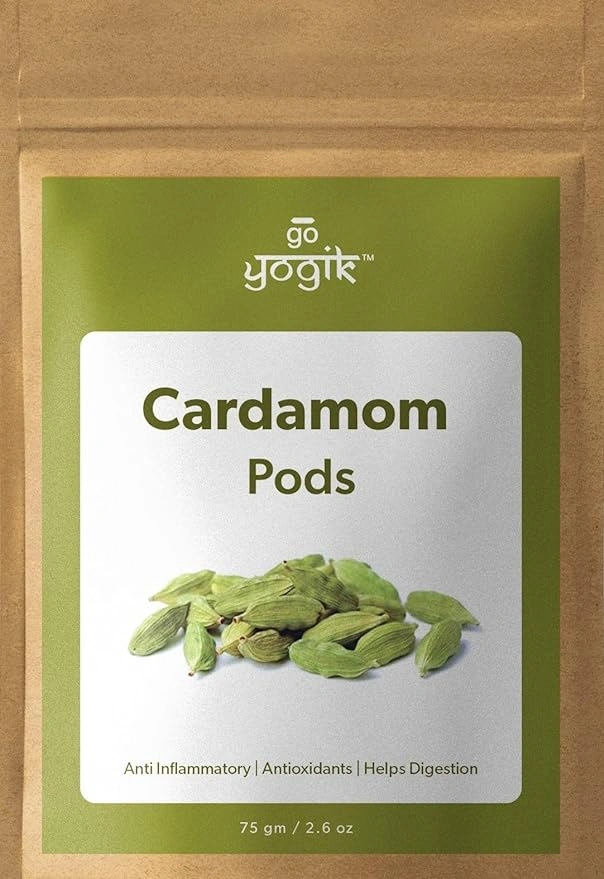
Forms of Cardamom:
Whole Green Pods
Cardamom Seeds
Cardamom Powder
Essential Oil
Stay informed with the latest market trends, quality guides, and industry analysis