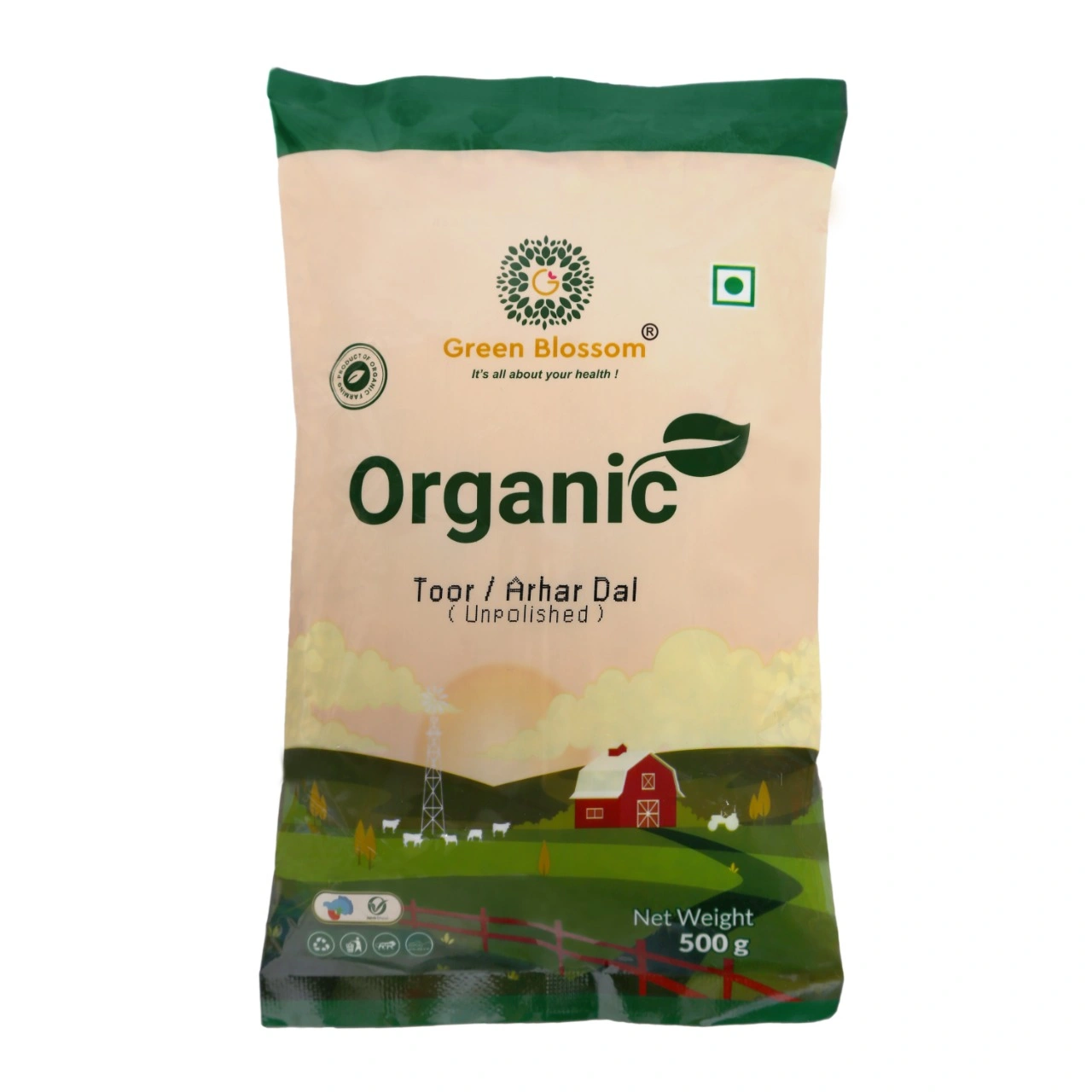
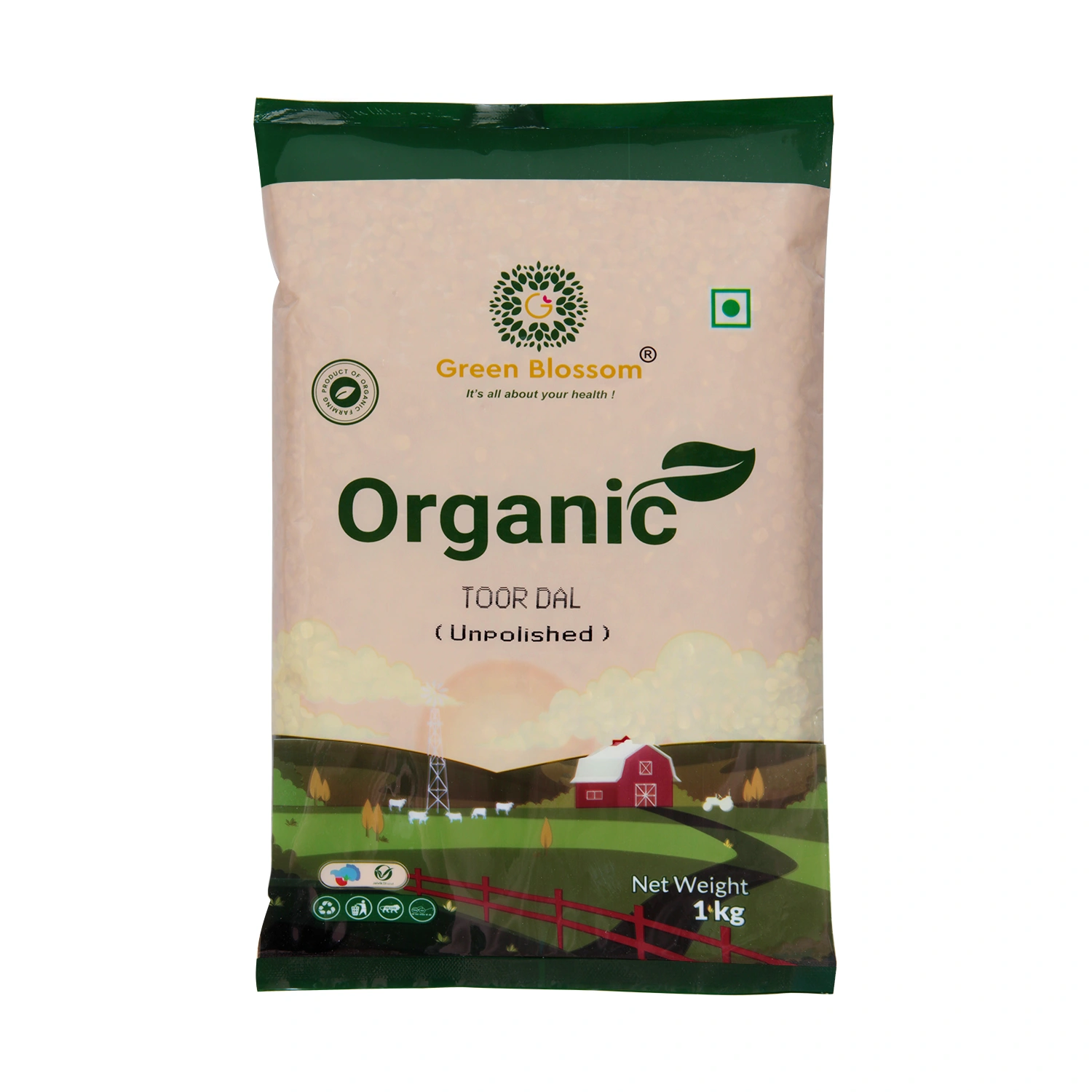
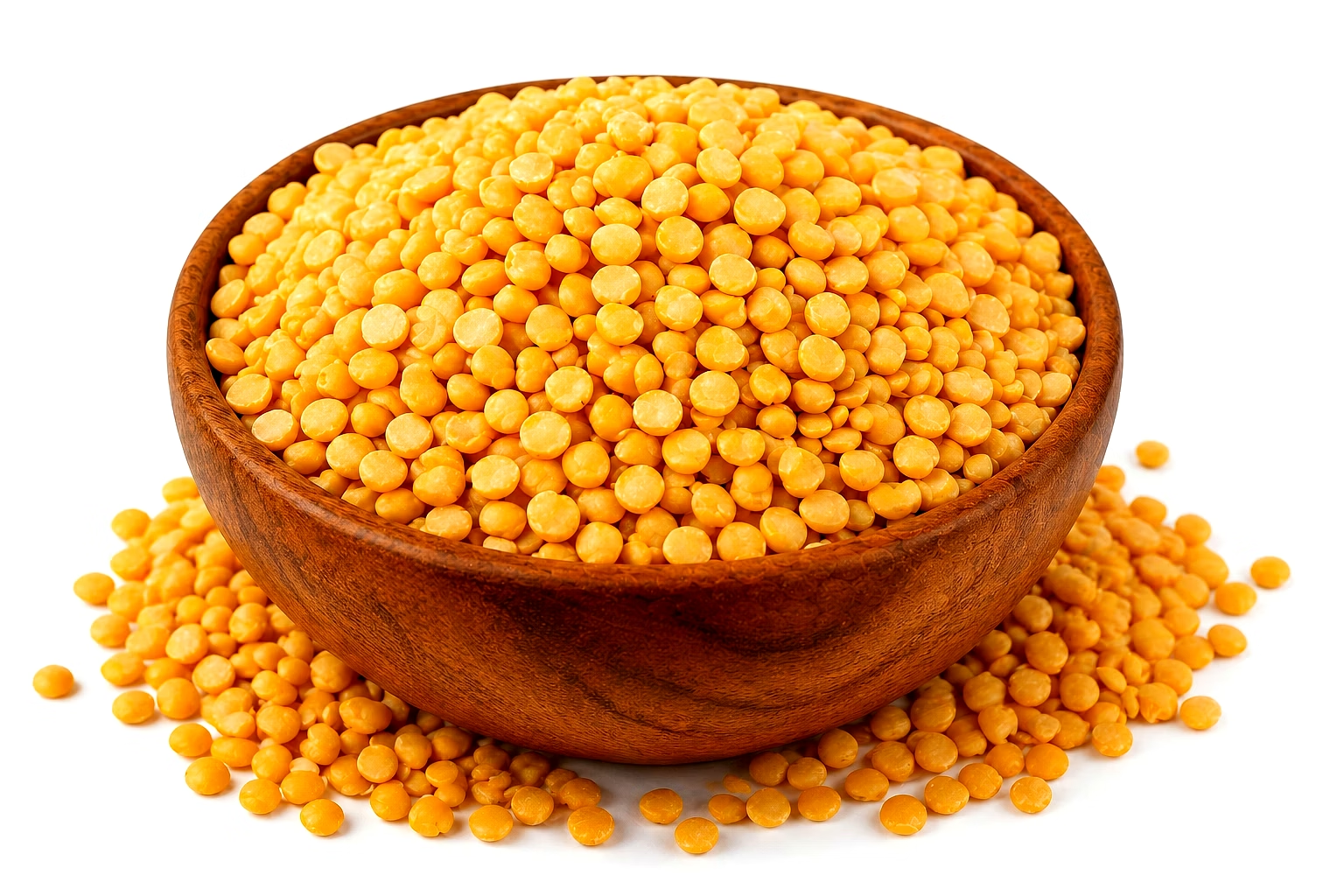
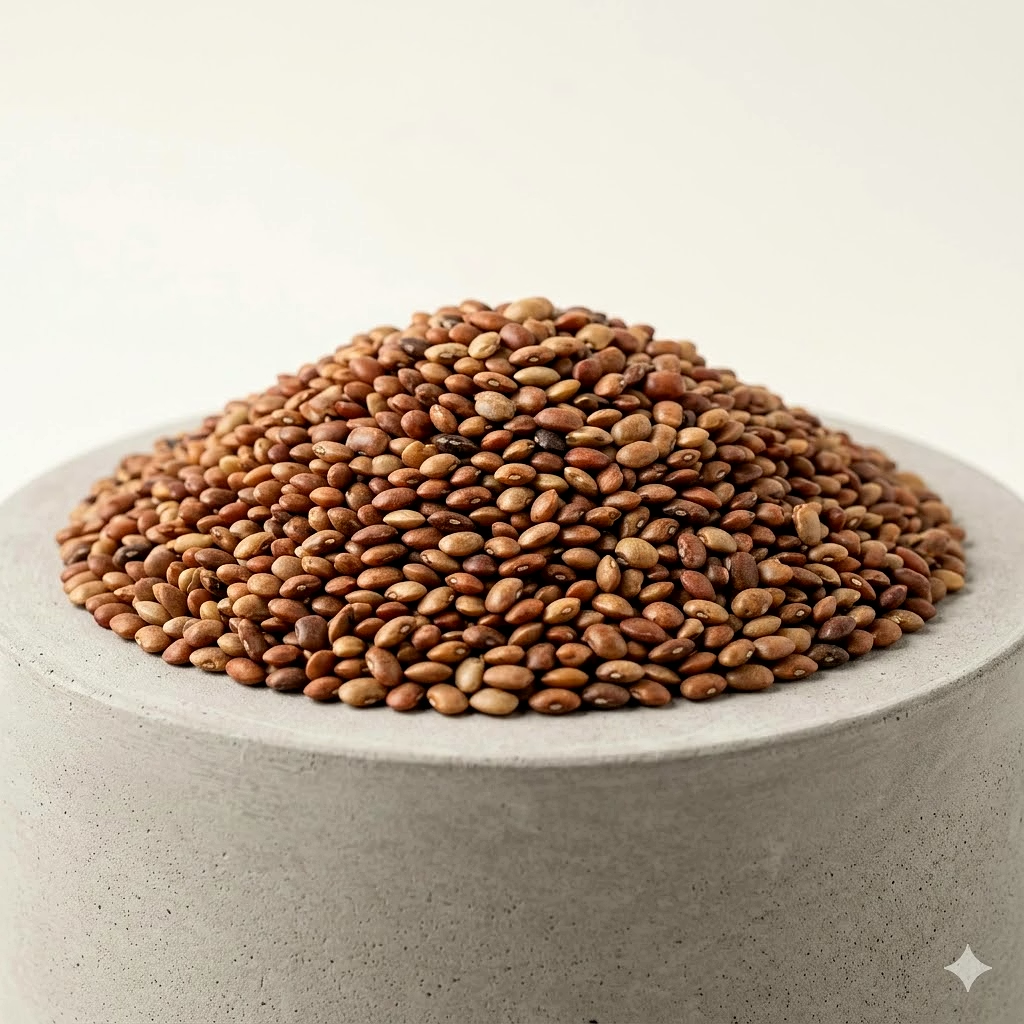
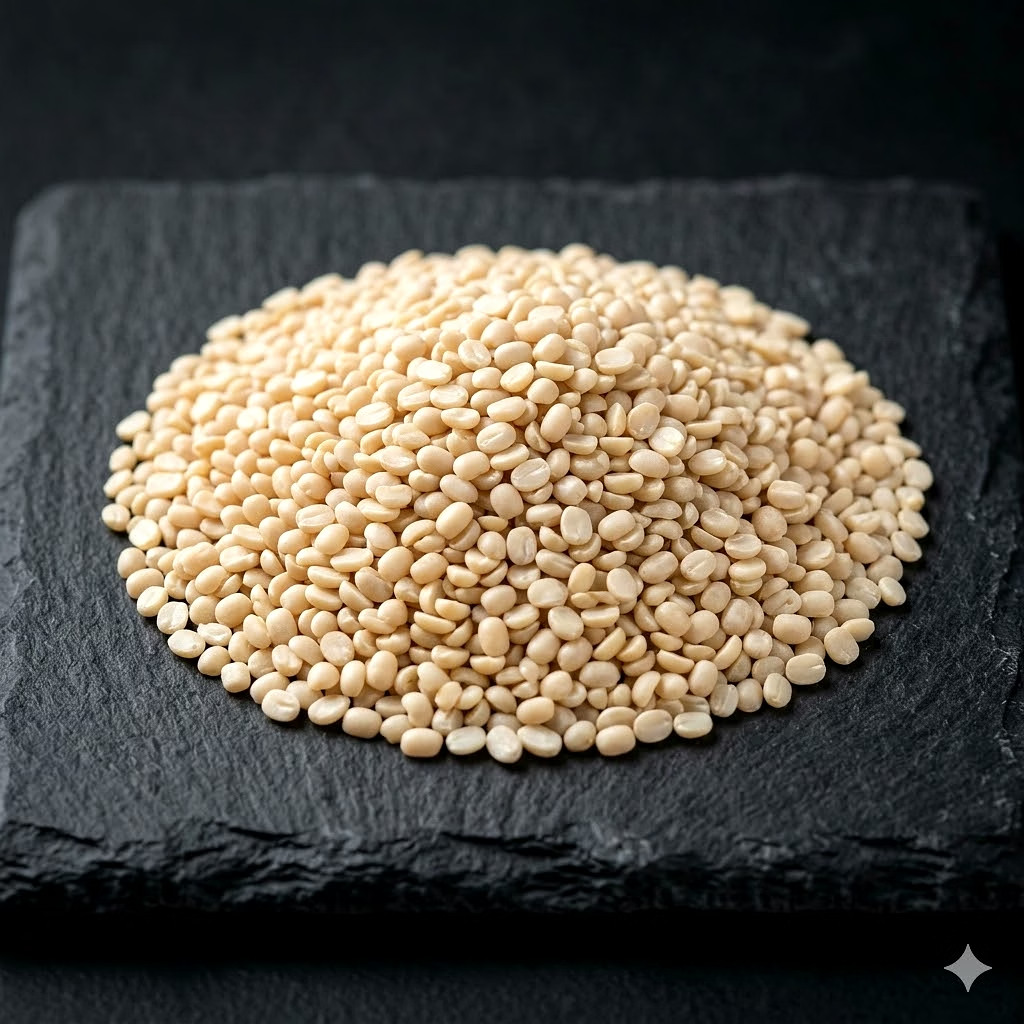
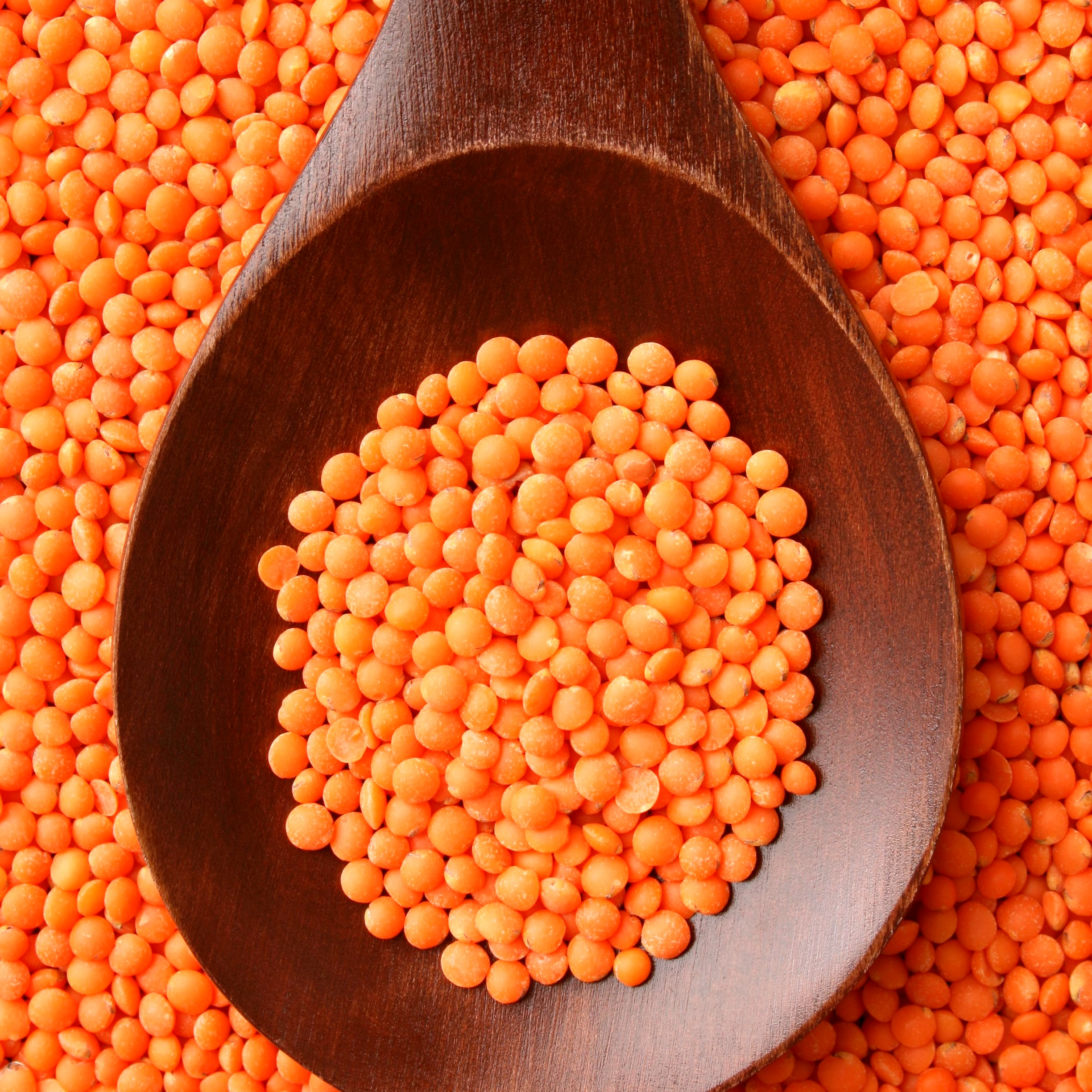
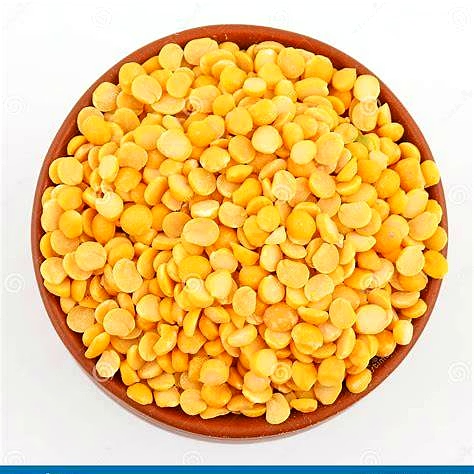
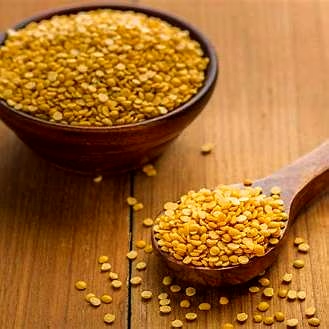
Tour Dal, also known as Arhar Dal or Pigeon Pea (Cajanus cajan), is a vital pulse widely consumed in Indian households and tropical regions globally. This yellow split lentil variety, free from outer skin, is known for its rich, nutty flavor and high protein content, making it a staple ingredient in Indian cuisine. Tour Dal is prominently used in a variety of dishes such as dal fry, chana dal curry, and traditional snacks like dal vada and dhokla, as well as desserts like chana dal halwa and puran poli. The dal is cultivated primarily in the Indian subcontinent, thriving in semi-arid regions with well-drained soil, making India the world's largest producer. It provides excellent nutritional benefits including high protein (20g per 100g), carbohydrates, dietary fiber, essential minerals like iron, calcium, folate, zinc, magnesium, and B-vitamins. Its low glycemic index promotes blood sugar control, while the rich fiber content supports digestive health and energy metabolism. These attributes make Tour Dal an ideal protein source for plant-based diets and a versatile culinary ingredient for B2B buyers in food production, wholesale distribution, and catering services.
Key Features
| Features | Description |
|---|---|
| Scientific Name | Cajanus cajan |
| Dal Type | Yellow split pigeon pea without outer skin |
| Protein Content | 20g per 100g (uncooked) |
| Culinary Uses | Dal curry, dal fry, snacks (dal vada, dhokla), desserts (halwa, puran poli) |
| Nutritional Highlights | Rich in protein, dietary fiber, iron, calcium, folate, zinc, magnesium, B-vitamins |
| Growing Region | Native to Indian subcontinent, suited for semi-arid climates |
| Texture | Firm and dry raw; soft and nutty when cooked |
| Protein Source | Excellent plant-based protein and low glycemic index |
| Quality Aspect | Split lentils without husk for quicker cooking and better digestibility |
| Use in Food Processing | Can be roasted and milled into besan (gram flour) |
| Attributes | Description |
|---|---|
| Botanical Family | Fabaceae (Legume family) |
| Form | Yellow split lentils, skinless |
| Origin | Indian subcontinent |
| Major Producing Countries | India, Pakistan, Bangladesh |
| Cooking Characteristics | Softens on cooking, nutty flavor |
| Nutritional Composition (per 100g uncooked) | Protein: 20g, Carbohydrates: 60g, Dietary Fiber: 18g, Fat: 5g |
| Micronutrients | Iron, Calcium, Folate, Zinc, Magnesium, B-vitamins |
| Agricultural Requirements | Prefers semi-arid with well-drained soil |
| Shelf Life | 12 months when stored in cool, dry place |
| Packaging Options | Bulk bags, retail packs (customizable for buyer requirements) |
*Disclaimer: The above description has been AI-generated and has not been audited or verified for accuracy. It is recommended to verify product details independently before making any purchasing decisions.
This Tour Dal is free from outer skin, ensuring quicker cooking and digestibility, which is ideal for large-scale food processing and catering businesses requiring consistent quality and texture.
Yes, Tour Dal is often roasted and ground into fine gram flour (besan), widely used in various culinary and snack applications.
When stored in a cool, dry environment, this Tour Dal maintains its quality and nutritional value for up to 12 months.
Yes, Tour Dal has a low glycemic index which helps in controlling blood sugar levels, making it suitable for diabetic-friendly food products.
Suppliers offer customizable packaging options from bulk bags to retail-size packs tailored to the buyer's requirements.
Country Of Origin: India
Tour Dal (Pigeon Pea) Description:
Tour Dal (Cajanus cajan) is a staple pulse in Indian households and many tropical countries. It’s one of the most commonly consumed legumes, known for its high protein content, rich taste, and versatility in cooking
Botanical and Agricultural Info:
• Scientific Name: Cicer arietinum (Desi variety)
• Family: Fabaceae (Legume family)
• Form: Yellow, split lentils with no outer skin
• Texture: Firm and dry when raw; soft and nutty when cooked
Culinary Use:
• Used extensively in Indian dishes like:
o Chana Dal Curry
o Dal Fry
o Snacks (like dal vadda , dhokla, and namkeen.
o Desserts (like chana dal halwa and puran poli)
• Often roasted and ground into besan (gram flour)
Cultivation and Production:
• Native to: The Indian subcontinent
• Major Producers: India (world's largest), Pakistan, and Bangladesh
• Grows well in semi-arid regions with well-drained soil
Nutritional Value (Per 100g, uncooked):
• Protein: - 20g
• Carbohydrates: - 60g
• Dietary Fiber: - 18g
• Fat: - 5g
• Rich in: Iron, Calcium, Folate, Zinc, Magnesium, B-vitamins
Health Benefits:
• Excellent plant-based protein source
• Helps in controlling blood sugar due to its low glycemic index
• Supports digestion and gut health due to its fiber content
• Boosts energy and aids in weight management.