• Key Features & Attributes
  • Ratings & Reviews
  • Know your Supplier
  • Product description from supplier

Coriander Seeds

Inclusive of all taxes

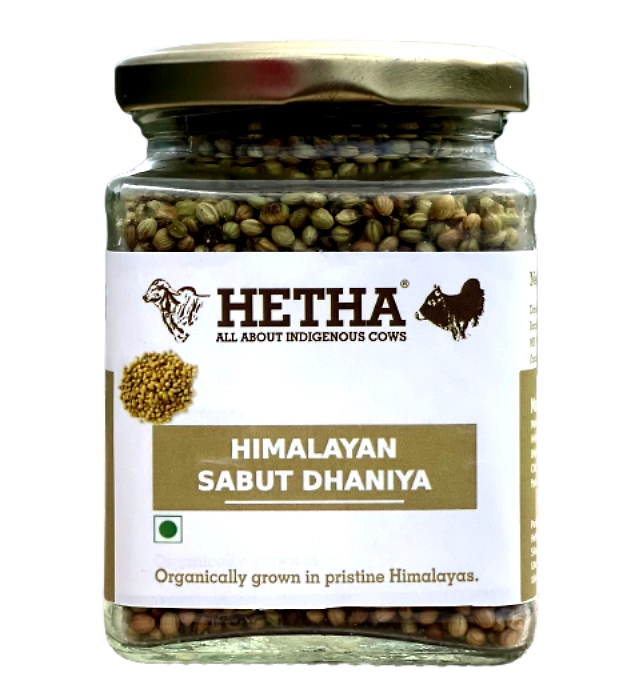
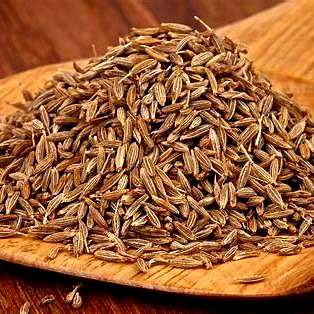
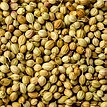
Coriander Seeds are the small, round, beige to light brown seeds of the annual herb Coriandrum sativum, widely used in culinary and medicinal applications. These seeds, typically measuring 3–5 mm in diameter with ridged surfaces, are renowned for their warm, citrusy, and nutty flavor profile that enhances a variety of dishes, particularly in Indian cuisine. Cultivated mainly in tropical and subtropical regions, coriander seeds thrive in warm climates with well-drained soils, making India the largest global producer. Botanically, the coriander plant is an annual herb bearing delicate feathery leaves known as cilantro, small white or pale pink flowers, and produces seeds that are a staple spice ingredient. Beyond flavoring, coriander seeds are valued for their nutritional benefits, providing proteins, dietary fiber, essential minerals like iron and magnesium, and B-vitamins. They support digestive health, regulate blood sugar, and offer antioxidant properties. Available in various forms including whole seeds and ground powder, coriander seeds are an indispensable spice for B2B buyers in the food processing, spice trading, and pharmaceutical industries, ensuring high-quality seasoning and health benefits in their products.

Key Features

Features Description
Botanical Name Coriandrum sativum
Plant Type Annual herb
Seed Description Round, beige to light brown with ridged surfaces, 3–5 mm diameter
Culinary Use Widely used in Indian cuisine and global spice blends
Nutritional Content Rich in protein (~22g/100g), dietary fiber (~15g/100g), iron, potassium, magnesium, B-vitamins
Health Benefits Supports heart health, digestion, blood sugar regulation
Forms Available Whole seeds and ground powder
Cultivation Regions India (largest producer), Myanmar, Malawi, Kenya, Tanzania
Climate Requirement Warm, well-drained soils in tropical and subtropical areas
Use in Industry Food processing, spice trading, herbal and pharmaceutical products
Attributes Description
Scientific Name Coriandrum sativum
Family Apiaceae
Seed Size 3–5 mm diameter
Seed Color Beige to light brown
Seed Surface Ridged
Protein Content ~22g per 100g uncooked
Dietary Fiber ~15g per 100g uncooked
Fat Content ~1.5g per 100g uncooked
Carbohydrates ~60g per 100g uncooked
Primary Growing Regions India, Myanmar, Malawi, Kenya, Tanzania
Usage Cooking spice, essential in Indian and global cuisines, medicinal uses
Packaging Options Bulk packaging, retail sizes available upon request

*Disclaimer: The above description has been AI-generated and has not been audited or verified for accuracy. It is recommended to verify product details independently before making any purchasing decisions.

Be the first to write a review

Coriander seeds should be stored in airtight containers, away from moisture, heat, and direct sunlight to maintain their flavor and extend shelf life.

The coriander seeds provided can be sourced as organic if certified, suitable for organic food manufacturing upon proper certification verification.

Typically, the moisture content of high-quality coriander seeds ranges between 8-10% at the time of delivery to ensure optimal shelf stability.

Yes, suppliers can provide coriander seeds in whole or pre-ground powder forms depending on buyer requirements.

Yes, coriander seeds are often graded based on size, color, and purity adhering to international spice quality standards to ensure premium grade.

  • Incorporation Type

  • GST

  • GST Registration Date

  • Number of Employees

  • Import Export Code (IEC)

  • Year of Establishment

  • Nature of Business

  • GlobalLinker Member Since

Country Of Origin: India

Botanical Description:

Plant Type: Annual herb


Leaves: Delicate, feathery (used as cilantro)


Flowers: Small, white or pale pink


Seeds: Round, beige to light brown, with ridged surfaces; typically 3–5 mm in diameter


 Botanical and Agricultural Info:

• Scientific Name: Cajanus cajan

• Family: Fabaceae (Legume family)

• Plant Type: Drought-resistant, perennial shrub (often grown as an annual)

• Seeds (Dal): Lens-shaped, yellow split peas (sometimes with brown outer skin if whole)

Culinary Use:-

• A key ingredient in Indian cuisine, especially in dishes like dal tadka, sambar, and Gujarati dal.

• Mild, nutty flavor with a smooth texture when cooked.

• Often tempered with spices such as mustard seeds, cumin, garlic, and curry leaves.

Cultivation and Production:

• Major Producers: India (largest), Myanmar, Malawi, Kenya, and Tanzania

• Grown mainly in tropical and subtropical regions.

• Requires warm climates and well-drained soils.

Nutritional Value (Per 100g, uncooked):

• Protein: ~22g

• Carbohydrates: ~60g

• Dietary Fiber: ~15g

• Fat: ~1.5g

• Rich in: Iron, Potassium, Magnesium, B-vitamins, and Folate

 Health Benefits:

• Great plant-based protein source for vegetarians and vegans

• Supports heart health and digestion due to its fiber content

• Helps regulate blood sugar levels thanks to its low glycemic index

 Forms Available:

• Split Tour Dal (hulled) – yellow in color and most common

• Whole Tour (with skin) – brown outer covering

• Polished vs. Unpolished – unpolished is more nutritious, polished has a shiny appearance.


Food And Beverage

Seasonings And Spices

Coriander Seeds Wholesale

Bulk Coriander

Indian Coriander Spice

Premium Coriander Seeds

Coriander Seeds Supplier

Natural Coriander Seeds

Bulk Spice Seeds

Coriander Seeds

Inclusive of all taxes

You Save: 0

Send Inquiry
rautimpex international (opc) private limited

Ghaziabad , India

Exporter, Importer, Wholesaler

  • Secure
    Transaction

  • Free
    Delivery

  • Day
    Dispatch

Report a problem with this product

Market Insights

Stay informed with the latest market trends, quality guides, and industry analysis

Indian Cardamom in Food, Beverages & Wellness: Growing Global Applications

Explore Indian cardamom benefits, from food and beverages to wellness. Learn about green cardamom, black cardamom, cardamom seeds and powder.

High-Curcumin Turmeric Powder from India: Health Benefits & Export Considerations

Discover health benefits and export opportunities of high-curcumin turmeric powder from India. Learn sourcing tips for buyers and sellers on GlobalLinker.

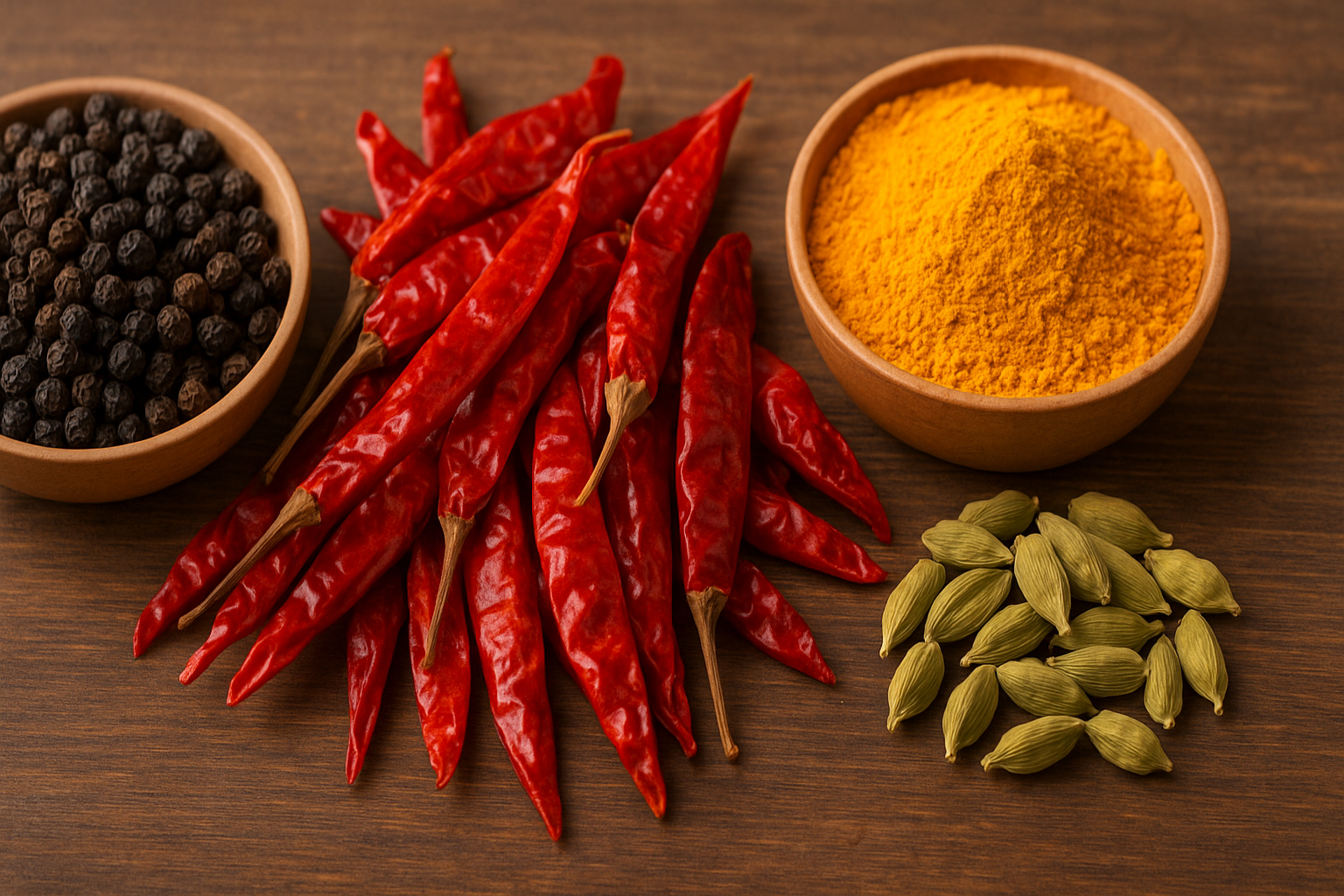
Indian Seasonings & Spices: Quality Standards, Sourcing Tips and Market Opportunities for Buyers & Sellers

Learn how to source and sell Indian spices such as black pepper, red chillies, turmeric and cardamom with quality, compliance, and global market insights.

How the Indian Black Pepper Market is Shaping Global Prices and Demand

Understand how India's black pepper market influences global prices, demand, and sourcing strategies for exporters, buyers, and spice traders.

Sustainability in Black Pepper Farming: Why Ethical Sourcing Matters for Your Business

Learn why sustainable black pepper sourcing matters, how it protects your brand, and what to ask from ethical suppliers today.