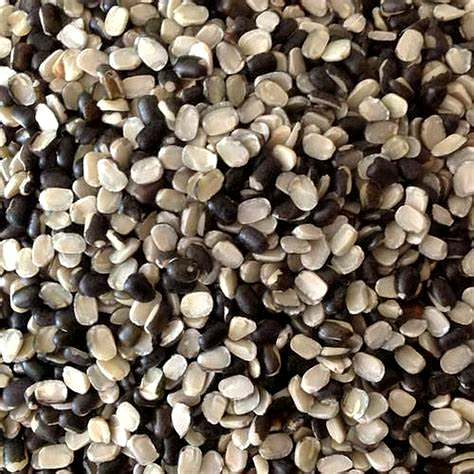
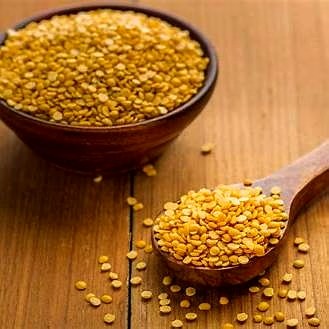
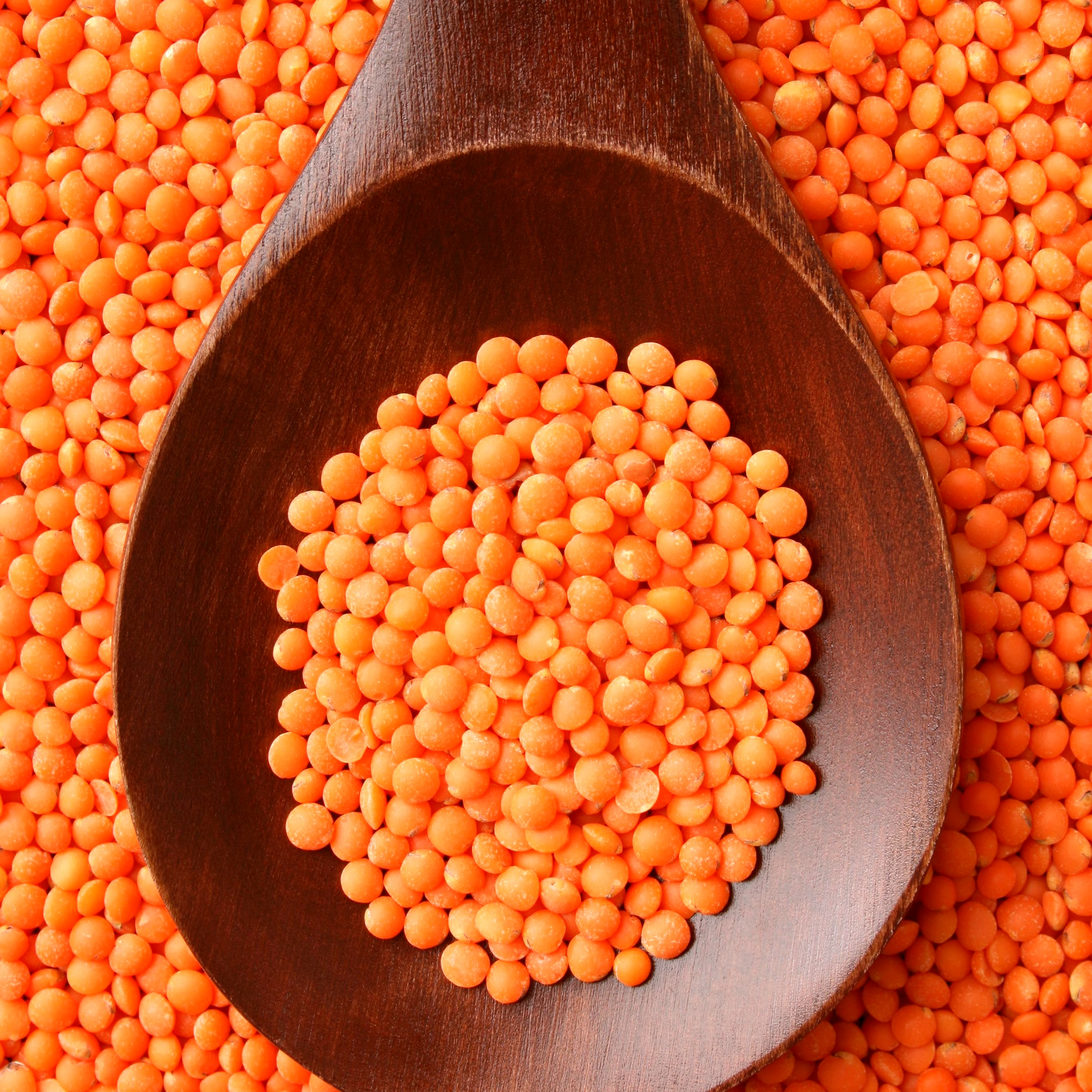
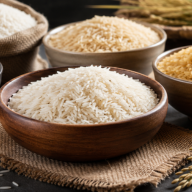
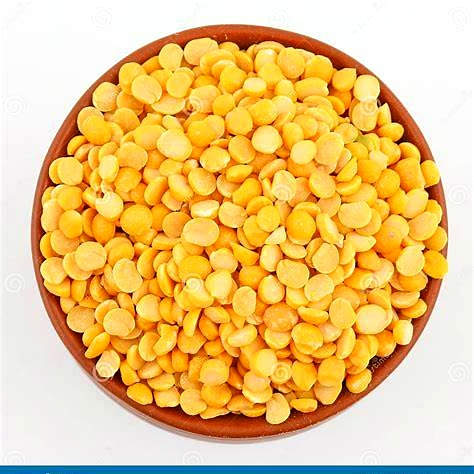
Chana Dal, also known as Split Bengal Gram, is the split and polished version of desi chickpeas (Bengal gram), highly valued in Indian and Middle Eastern culinary traditions. Scientifically identified as Lens culinaris from the Fabaceae family, Chana Dal features a firm yet soft texture when cooked, and a mild, slightly sweet, earthy flavor that enhances a variety of dishes such as Masoor Dal Curry, Khichdi, soups, stews, and regional dips. Originating from the Middle East and the Indian subcontinent, it is predominantly produced in Canada, India, Turkey, and Nepal. This pulse thrives in cooler climates with loamy soils. Nutritionally rich, it provides high plant-based protein (24g per 100g uncooked), complex carbohydrates (60g), dietary fiber (11g), and essential minerals including iron, folate, potassium, and magnesium. Its health benefits include promoting heart health, aiding digestion, regulating blood sugar, supporting iron levels to prevent anemia, and contributing to weight management. Chana Dal is a staple ingredient for B2B clients such as food manufacturers, wholesalers, restaurants, and catering services seeking premium lentils that deliver consistent quality and taste for diverse culinary applications.
Key Features
| Features | Description |
|---|---|
| Scientific Name | Lens culinaris |
| Type | Split and polished Bengal gram |
| Texture When Cooked | Soft and mushy |
| Flavor Profile | Mild, slightly sweet, earthy |
| Protein Content (per 100g uncooked) | 24g |
| Carbohydrates (per 100g uncooked) | 60g |
| Dietary Fiber (per 100g uncooked) | 11g |
| Fat Content | <1g |
| Rich In Minerals | Iron, Folate, Potassium, Magnesium, B-vitamins |
| Culinary Uses | Masoor Dal Curry, Khichdi, Soups, Stews, Middle Eastern dips |
| Major Producers | Canada, India, Turkey, Nepal |
| Agricultural Requirements | Cooler climates, loamy soil |
| Attributes | Description |
|---|---|
| Botanical Family | Fabaceae |
| Form | Split and skinned lentils |
| Color | Golden yellow (split dal) |
| Native Region | Middle East and Indian subcontinent |
| Shelf Life | 12-18 months when stored in cool, dry conditions |
| Packaging Options | Bulk bags, retail pouches, or customized packaging |
| Intended Use | Food manufacturing, food service, wholesale retail |
| Storage Recommendations | Store in airtight containers, cool and dry place |
*Disclaimer: The above description has been AI-generated and has not been audited or verified for accuracy. It is recommended to verify product details independently before making any purchasing decisions.
Chana Dal is the split and polished form of desi chickpeas (Bengal gram), which makes it cook faster, have a softer texture and milder flavor compared to the whole Bengal gram that has a harder outer skin and takes longer to cook.
Yes, the chana dal offered is sourced with consistent quality and nutritional value, ideal for bulk purchases by food manufacturers and catering services.
Store Chana Dal in airtight containers in a cool, dry environment to preserve freshness and extend its shelf life up to 12-18 months.
Absolutely, beyond Indian dals and khichdi, Chana Dal is versatile and used in Middle Eastern dips, stews, and a variety of soups due to its mild, slightly sweet flavor profile.
Chana Dal is rich in plant protein, high in fiber, contains low fat, and provides essential minerals like iron and folate, making it excellent for heart health, digestion, blood sugar regulation, and managing weight.
Country Of Origin: India
Chana dal (Split Bengal Gram) Description:
Chana Dal is the split and polished version of desi chickpeas (also called Bengal gram). It is a popular lentil in Indian cuisine, known for its rich, nutty flavor, firm texture, and high nutritional value.
Botanical and Agricultural Info:
• Scientific Name: Lens culinaris
• Family: Fabaceae (Legume family)
• Type: Split and skinned lentils (whole version is brown on the outside and red/orange inside)
• Texture: Soft and mushy when cooked
Culinary Use:
• Used in dishes like:
o Masoor Dal Curry
o Soups & Stews
o Khichdi (rice and dal dish)
o Middle Eastern dips and Indian dals
• Flavor profile: Mild, slightly sweet, and earthy
Cultivation and Production:
• Native to: The Middle East and parts of the Indian subcontinent
• Major Producers: Canada (largest), India, Turkey, and Nepal
• Grows well in cooler climates with loamy soil
Nutritional Value (Per 100g, uncooked):
• Protein: - 24g
• Carbohydrates: - 60g
• Dietary Fiber: - 11g
• Fat: <1g
• Rich in: Iron, Folate, Potassium, Magnesium, and B-vitamins
Health Benefits:
• Excellent source of plant protein
• Promotes heart health and lowers cholesterol
• Supports iron levels and prevents anemia
• High in fiber—aids digestion and promotes satiety
• Great for weight management and blood sugar control