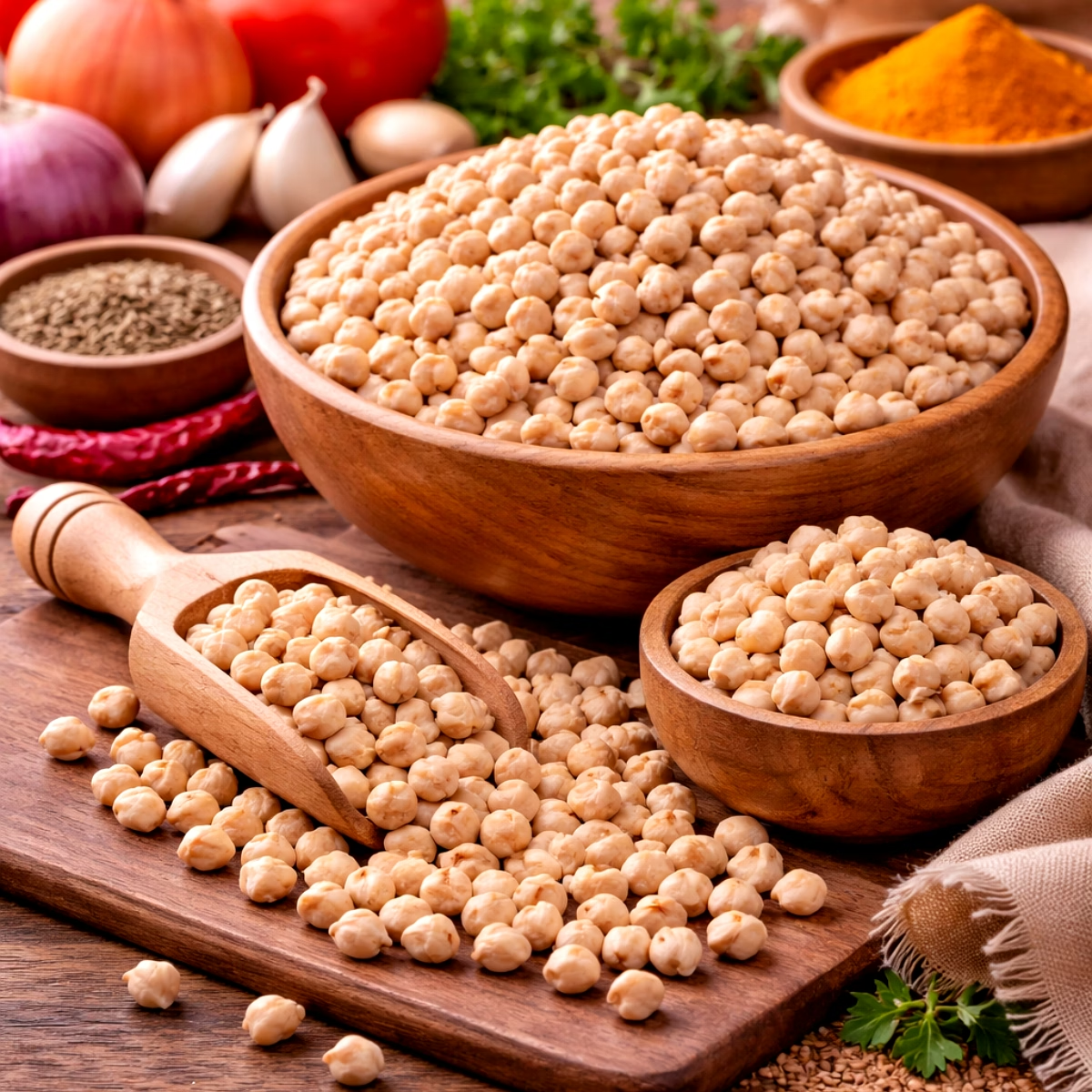
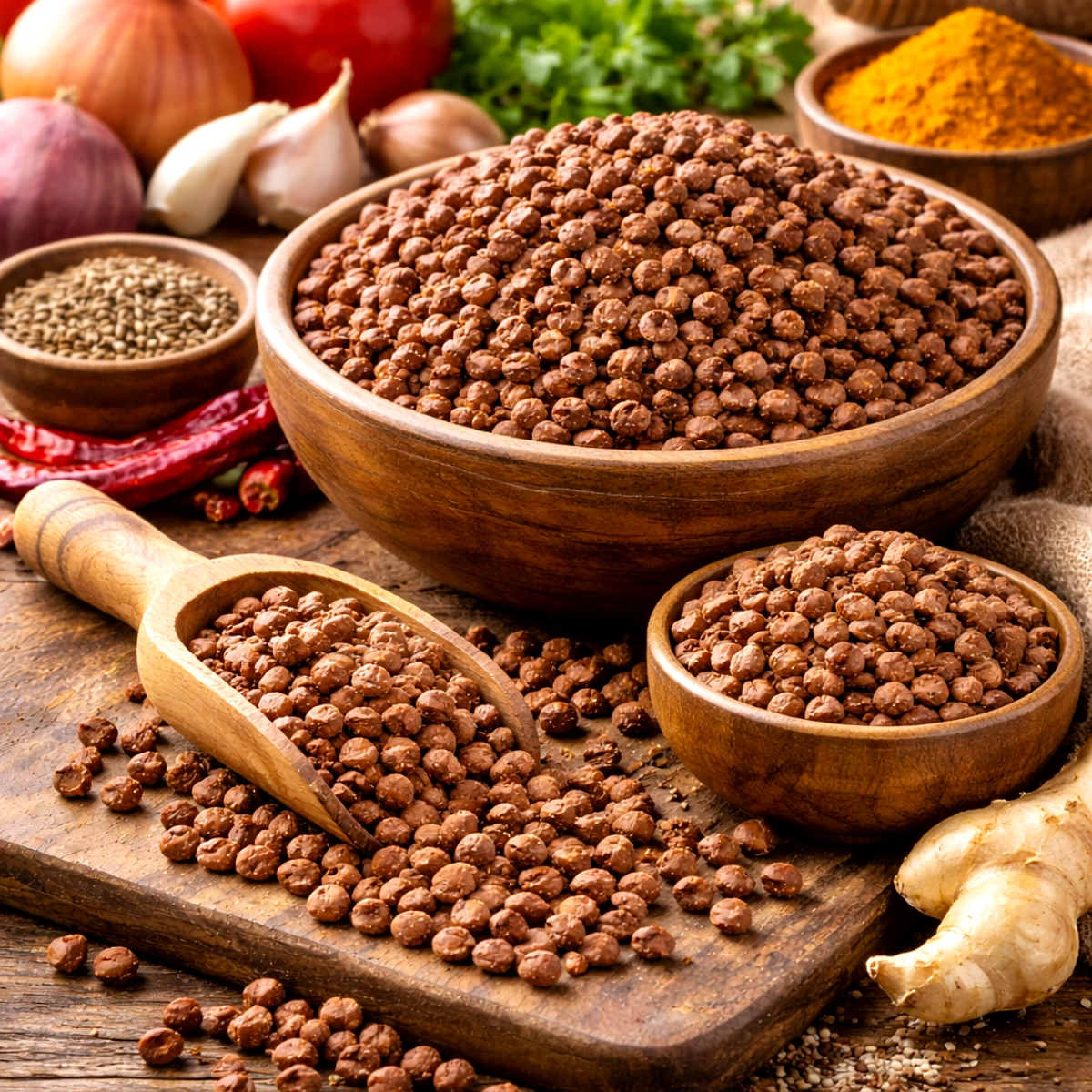
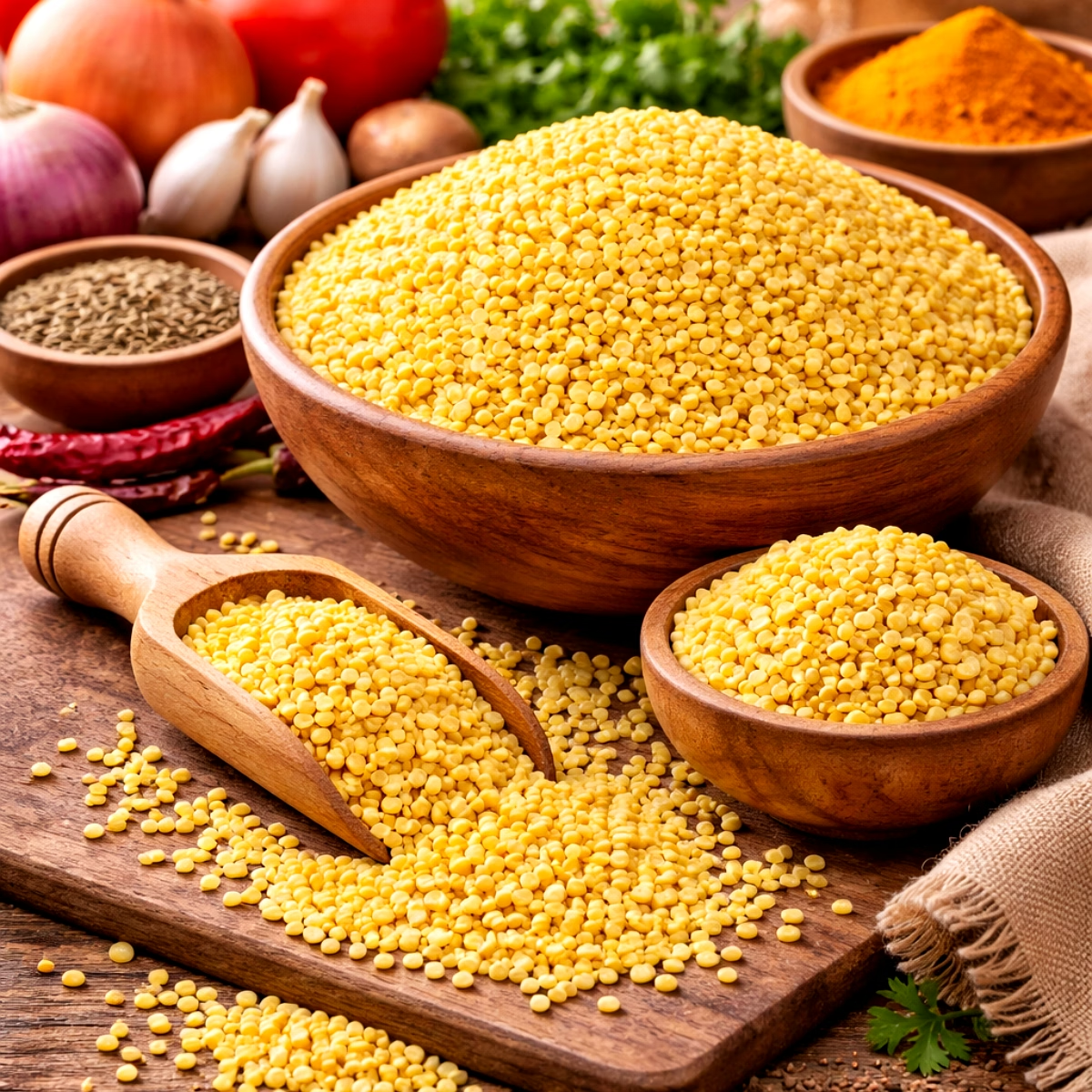
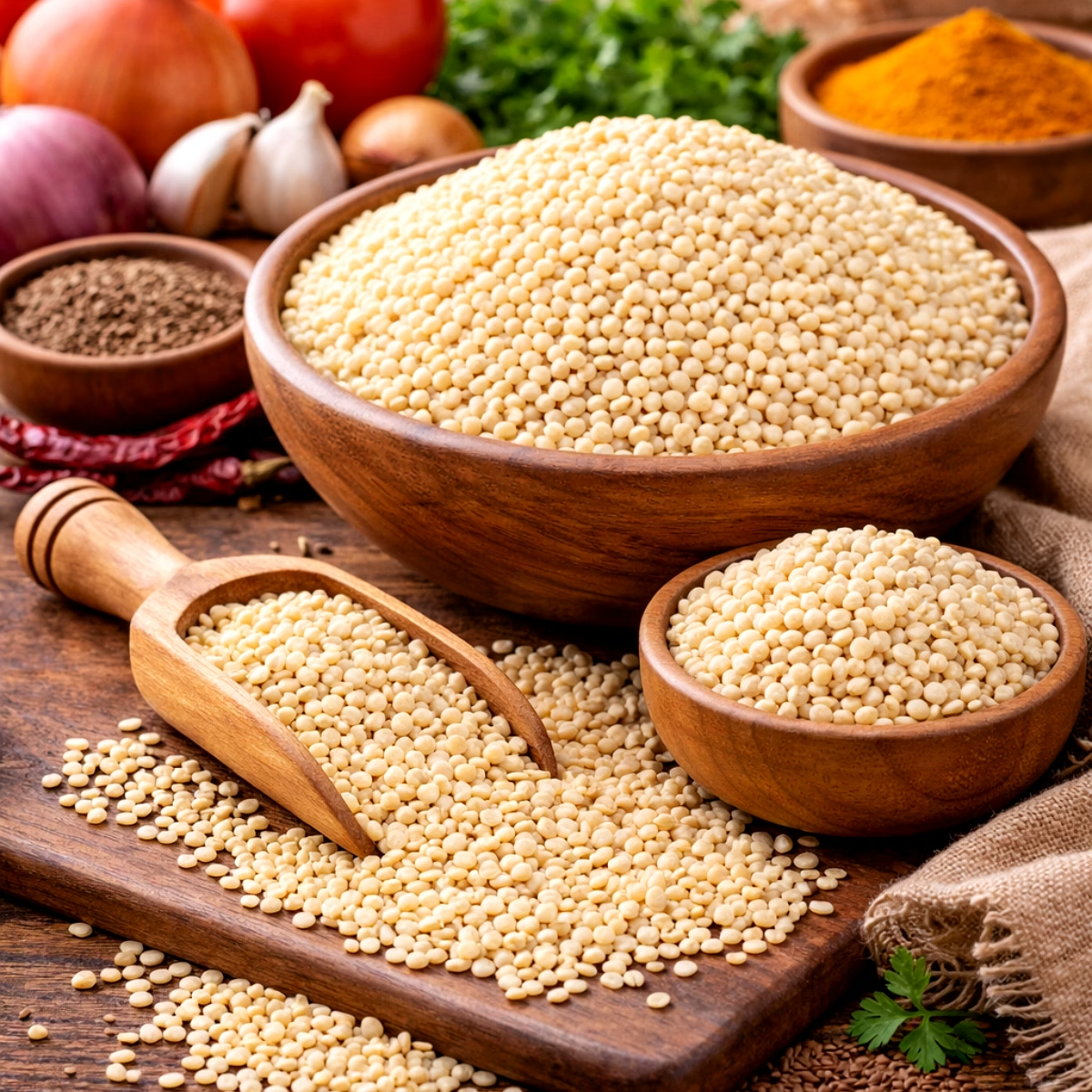
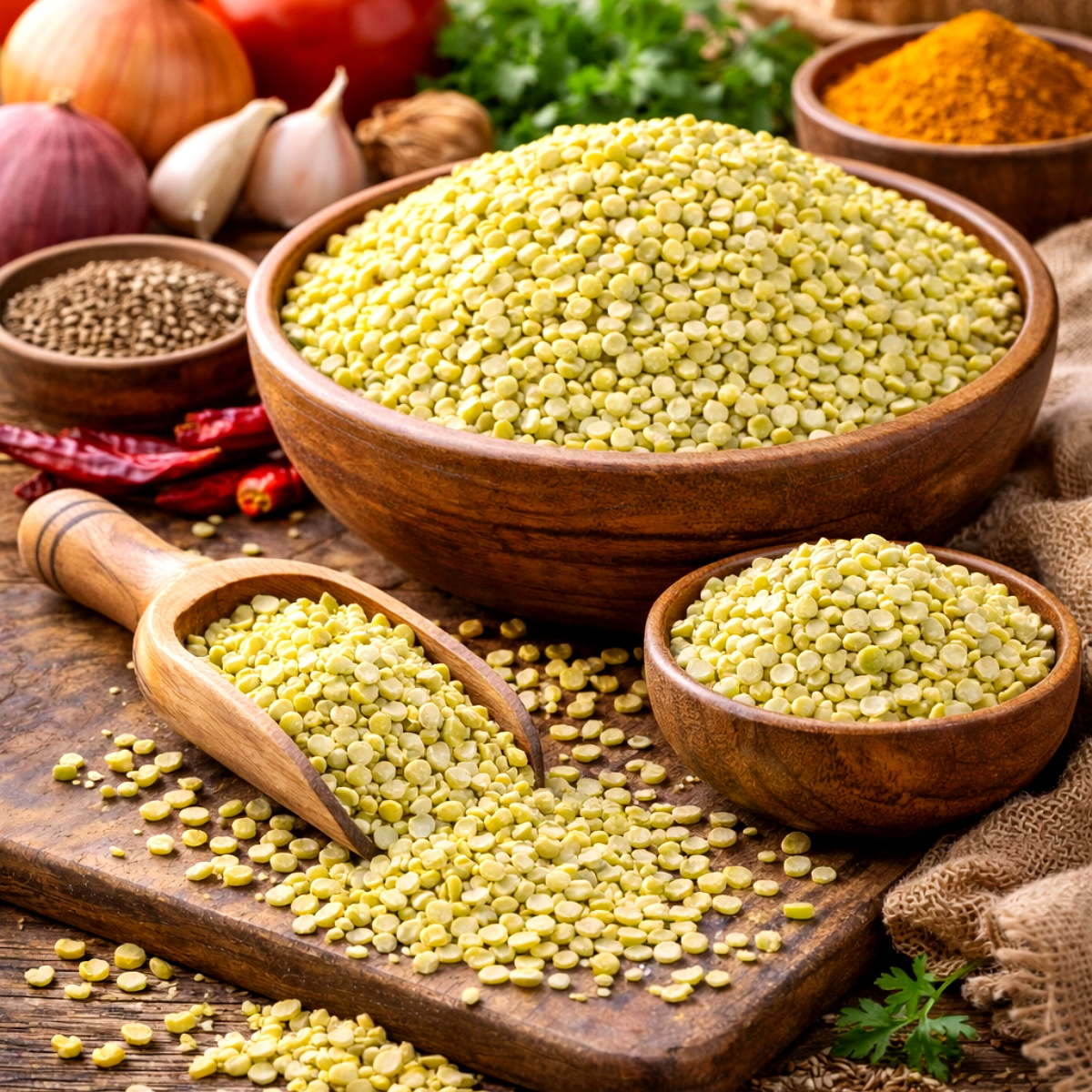
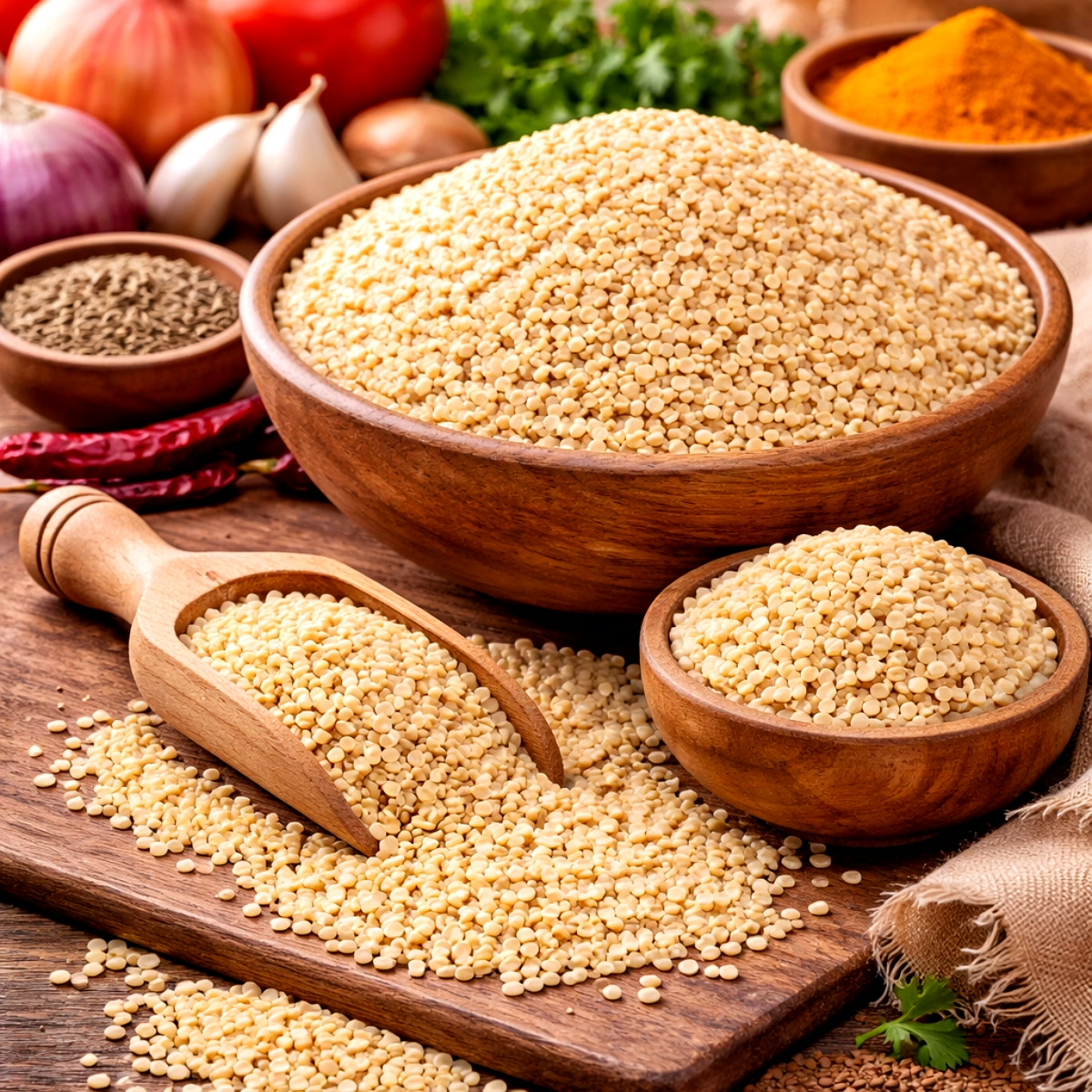
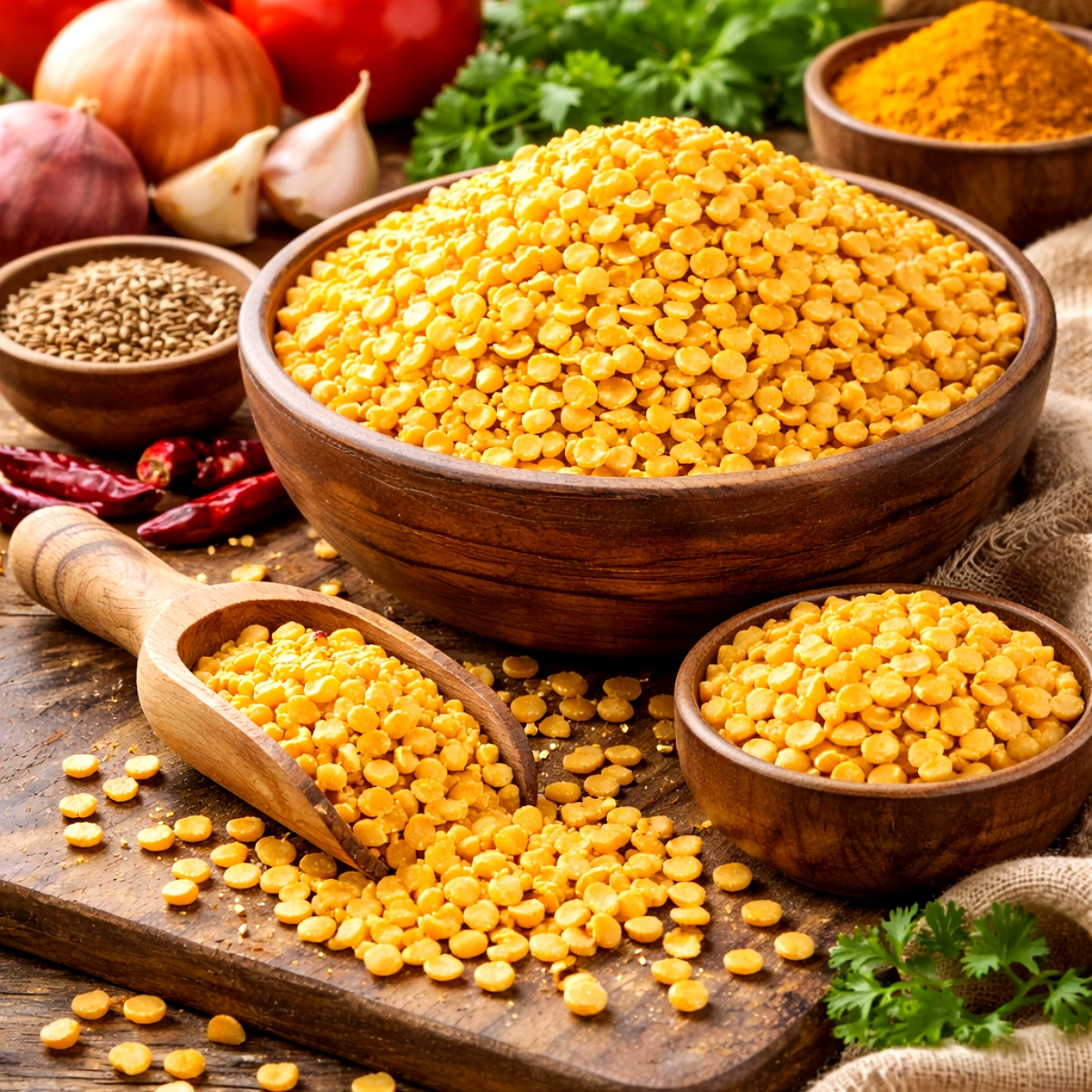
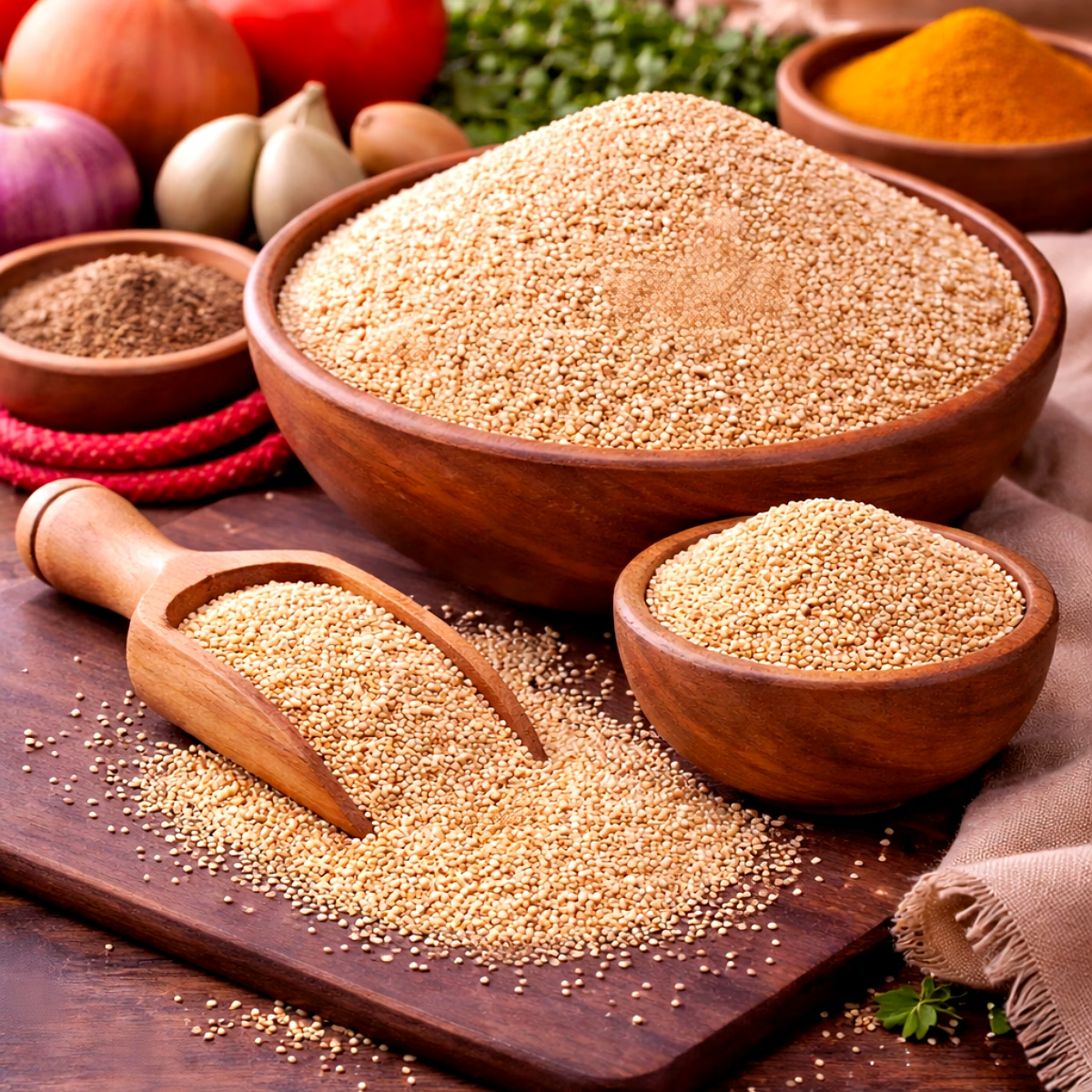
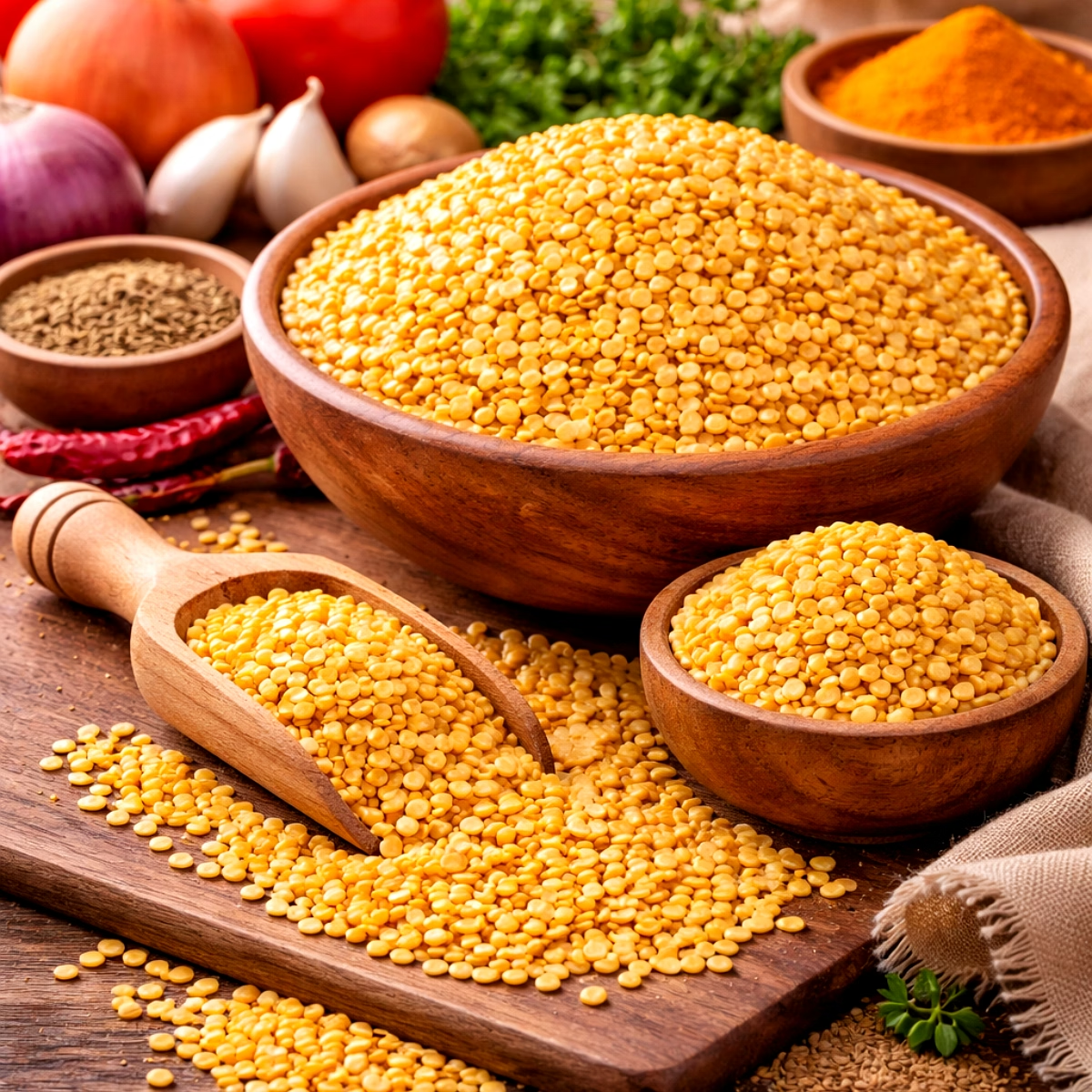
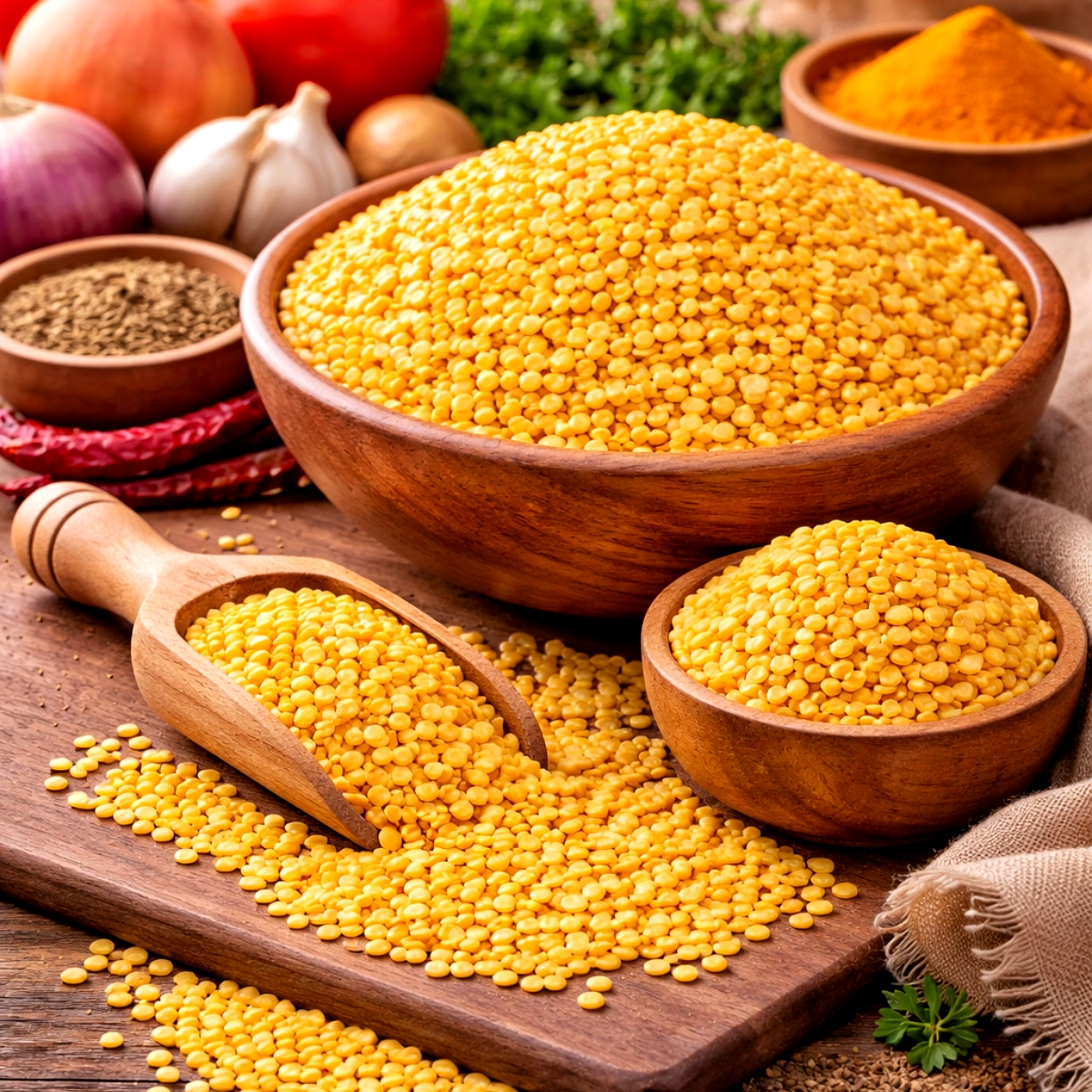
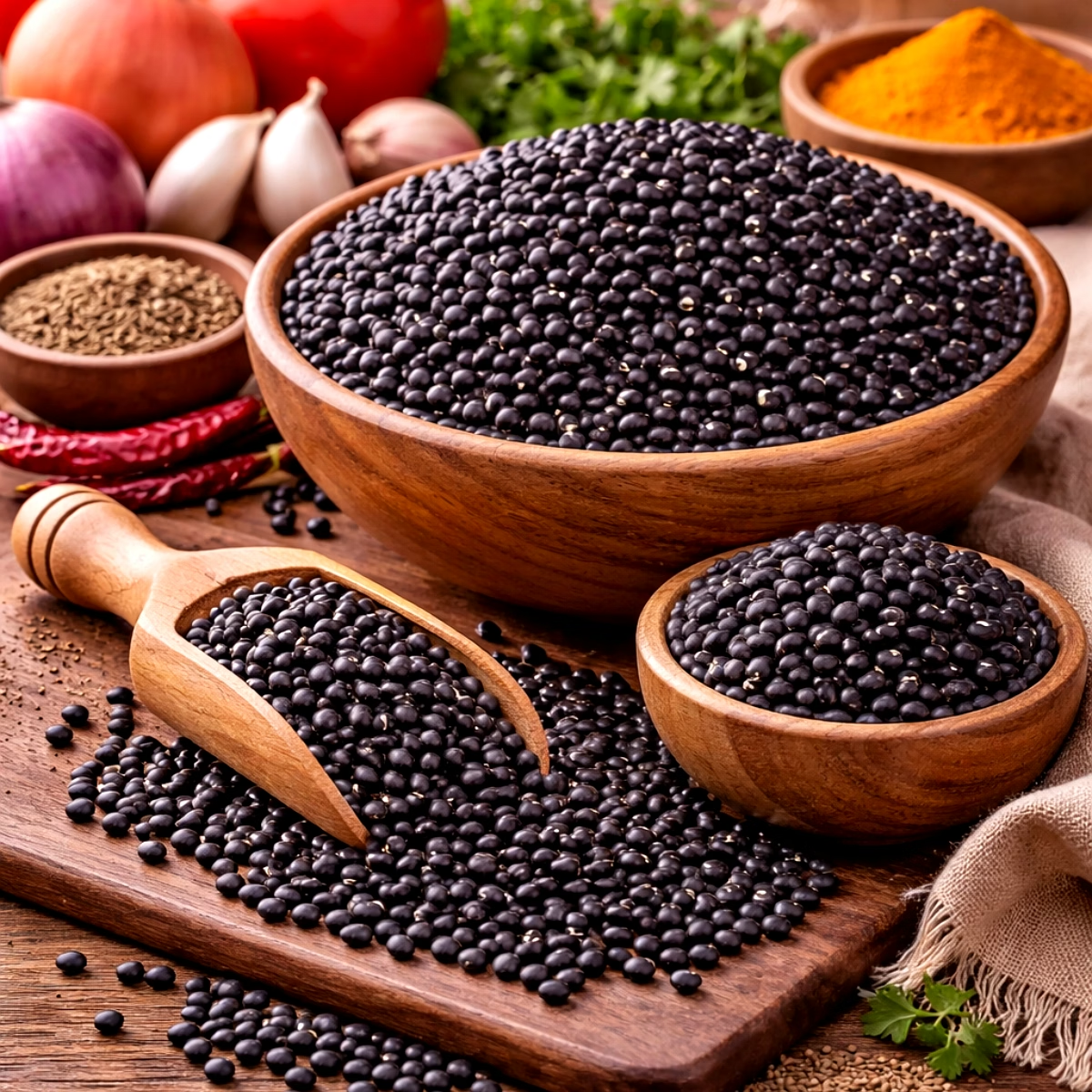
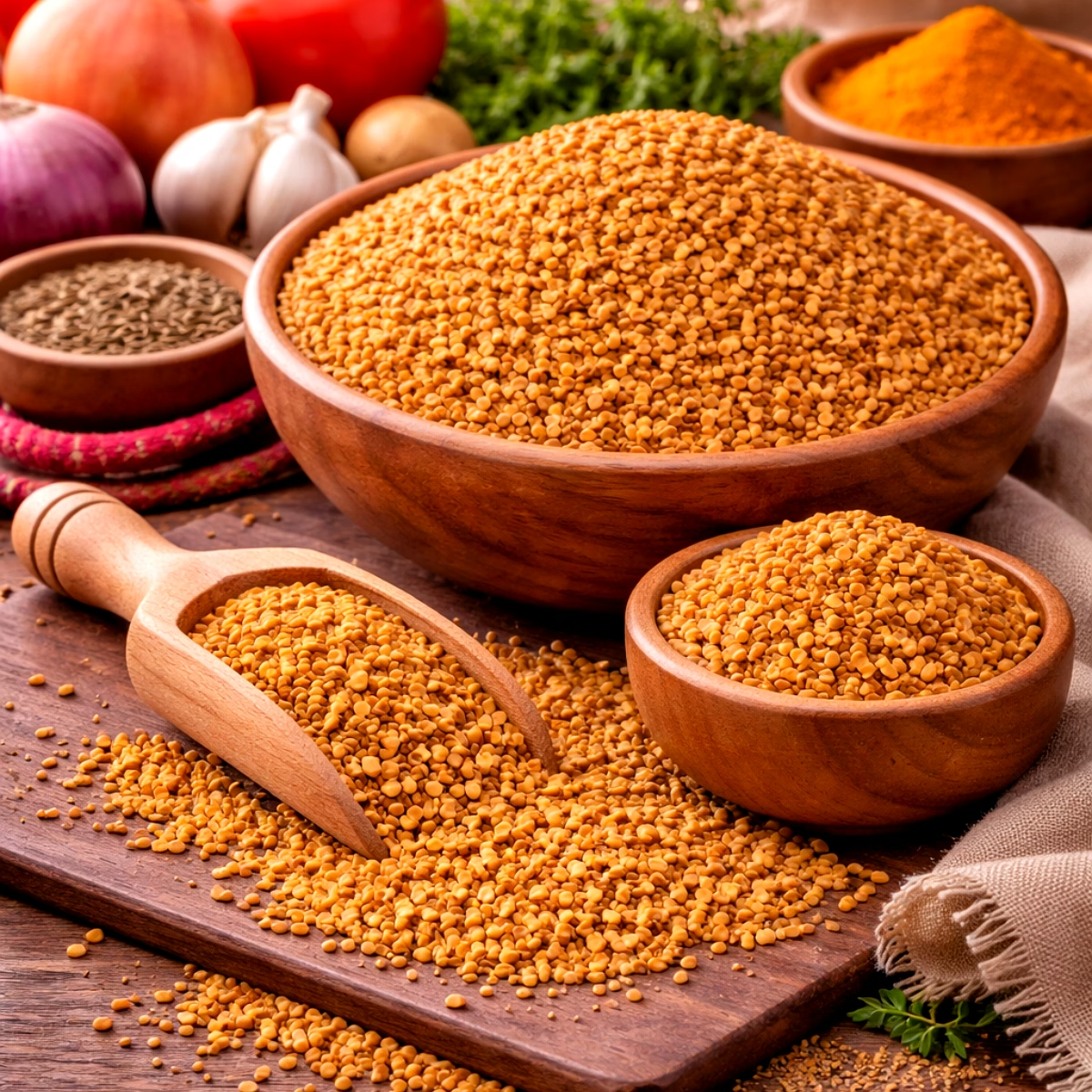
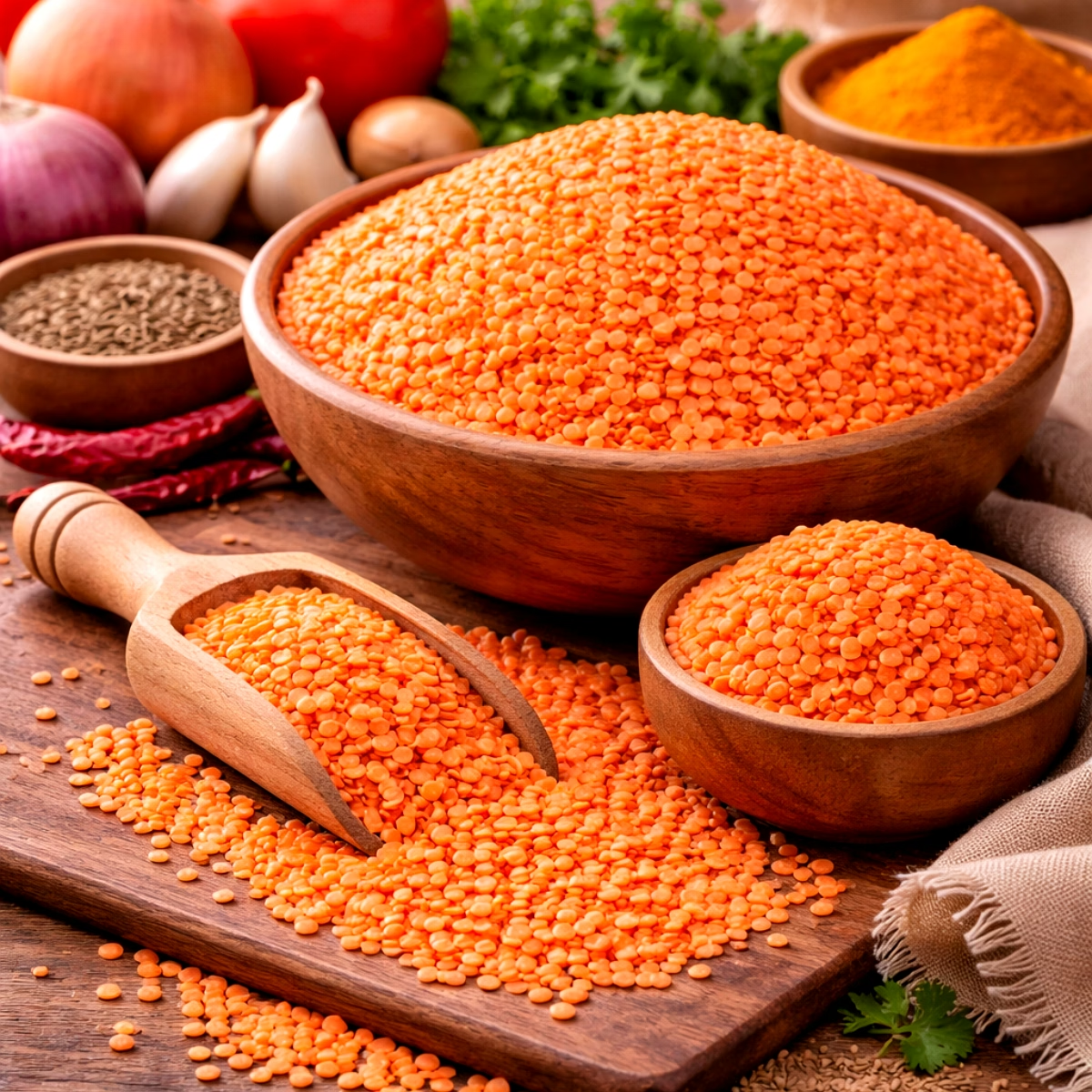
Masoor Dal, also known as red lentils, is a widely used pulse valued for its quick cooking time, soft texture, and versatile culinary applications. This product is suitable for bulk procurement by wholesalers, distributors, food service businesses, retailers, and exporters looking for a reliable pulse ingredient for everyday cooking and packaged food supply chains. Masoor Dal is commonly used in soups, dals, stews, curries, and blended lentil preparations. It is appreciated for its mild earthy flavor, high protein content, and ease of preparation, making it a staple ingredient in commercial kitchens and household food distribution. For B2B buyers, Masoor Dal offers strong demand across grocery retail, institutional catering, restaurants, and ethnic food markets. Supplied as a dry pulse product, Masoor Dal is ideal for long shelf life, storage efficiency, and bulk handling. It is a practical choice for importers and wholesalers seeking a dependable pulse product with broad market acceptance and consistent consumer demand.
Key Features
| Features | Description |
|---|---|
| Product Type | Masoor Dal (Red Lentils) |
| Cooking Time | Quick cooking and easy to prepare |
| Usage | Suitable for dals, soups, curries, and stews |
| Market Demand | High-demand staple pulse for retail and food service channels |
| Storage | Dry pulse with long shelf life when stored properly |
| Attributes | Description |
|---|---|
| Product Name | Masoor Dal |
| Common Name | Red Lentils |
| Product Form | Whole/Processed Pulse |
| Cuisine Use | Indian, South Asian, Middle Eastern, and global cuisines |
| Primary Application | Cooking ingredient for commercial and retail food use |
| Shelf Life | Long shelf life in dry storage conditions |
| Storage Condition | Store in a cool, dry place |
| MOQ | 1 |
| Store Name | ANITA INTERNATIONAL |
*Disclaimer: The above description has been AI-generated and has not been audited or verified for accuracy. It is recommended to verify product details independently before making any purchasing decisions.
Masoor Dal is commonly used in commercial kitchens for dal preparations, soups, stews, curries, and ready-to-cook food products because it cooks quickly and has a soft texture.
It is a high-demand staple pulse with broad consumer acceptance, making it ideal for wholesalers, retailers, food distributors, restaurants, and institutional buyers.
Yes, Masoor Dal is a dry pulse with a long shelf life when stored correctly, which makes it suitable for export and bulk storage.
Its quick cooking time, easy preparation, and versatile use across multiple dishes make it efficient for food service operations and large-scale meal preparation.
Bulk buyers typically include grocery wholesalers, ethnic food retailers, catering companies, restaurants, institutional kitchens, and import-export businesses.
Brand: anita international
Country Of Origin: India
Polished red lentil (masoor dal) for food manufacturers, dals packers, and snack producers. Polished finish supports fast rehydration and uniform cooking in industrial applications.
Used by pulse packers, ready-meal manufacturers, and snack extruders. Polished masoor dal offers reduced soaking time and consistent texture in finished products. Processing behavior is predictable in hydration and provides uniform particle size for blending.
Use-case 1 — Distributor restock: scheduled shipments for regional wholesalers requiring consistent grade and low broken count. Constraint: moisture and broken-grain acceptance. Outcome: stable shelf presentation and consistent cook times.
Use-case 2 — Retail chain stocking: private-label dals packaged for retail. Constraint: cosmetic uniformity and batch traceability. Outcome: consistent consumer cooking performance and low returns.
Use-case 3 — Snack extrusion feedstock: ground lentil input for snack formulations. Constraint: particle-size control and moisture. Outcome: consistent extrusion behavior and finished product texture.
Provide desired split size, monthly requirement, and packaging to receive tiered pricing. Pricing depends on polish level, broken count, and packaging.