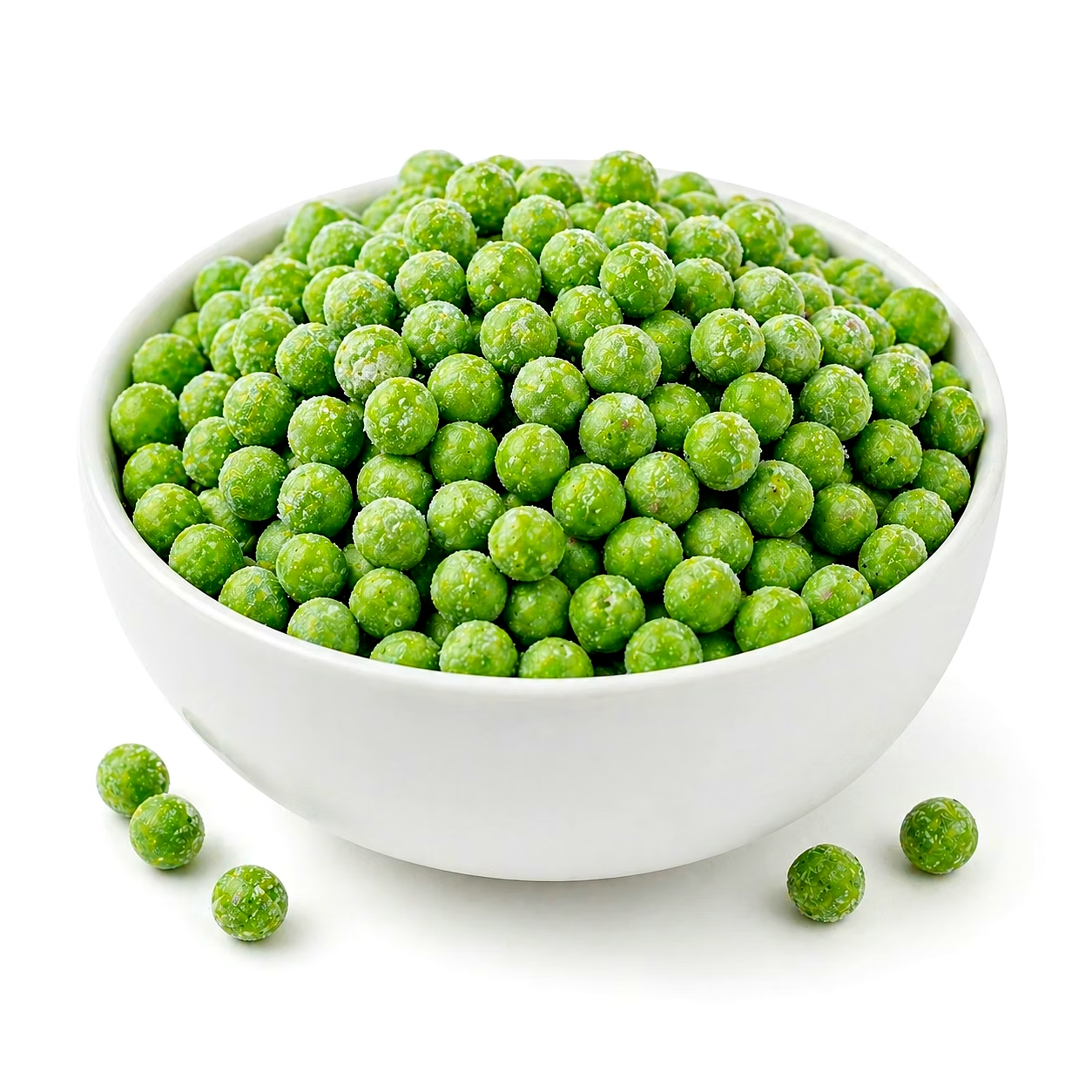
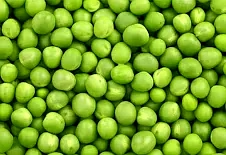
Frozen peas are a convenient, nutritious vegetable option, prized for their rich protein content and abundant vitamins and minerals. Each 80-gram serving of cooked frozen peas delivers 67 calories and a well-balanced nutrient profile including 12.5 grams of carbohydrates, 4.4 grams of dietary fiber, and 4.3 grams of protein. Frozen peas provide essential vitamins such as Vitamin A (3.6% DV), Vitamin K (17% DV), Vitamin C (12.6% DV), Thiamine (17% DV), and Folate (12.6% DV). They are also a source of key minerals including Manganese (18% DV), Iron (6.8% DV), and Phosphorus (7.5% DV). The high protein content in frozen peas notably surpasses many other vegetables—for instance, cooked peas offer approximately seven times more protein than an equivalent serving of cooked carrots. Additionally, these peas contain polyphenol antioxidants, compounds that are linked to multiple health benefits. Ideal for B2B buyers in food production, horeca, and retail sectors, frozen peas offer a nutrient-packed, easy-to-store vegetable ingredient that supports healthy eating and product enrichment in various recipes and food products.
Key Features
| Features | Description |
|---|---|
| Serving Size | 80 grams (cooked) |
| Calories per Serving | 67 kcal |
| Protein Content | 4.3 grams per 80g cooked serving |
| Carbohydrates | 12.5 grams per 80g cooked serving |
| Dietary Fiber | 4.4 grams per 80g cooked serving |
| Vitamin K Content | 17% Daily Value |
| Rich in Polyphenol Antioxidants | Supports health benefits |
| Source of Essential Minerals | Includes Manganese (18% DV), Iron (6.8% DV), Phosphorus (7.5% DV) |
| Convenience | Pre-cooked and frozen for easy storage and usage |
| Attributes | Description |
|---|---|
| Product Form | Frozen |
| Packaging Weight | Typically available in bulk or retail-sized packs |
| Storage Condition | Keep frozen at -18°C or below |
| Shelf Life | 12-18 months when stored properly |
| Nutritional Highlights | High protein vegetable, rich in vitamins and minerals |
| Use Case | Ideal for food manufacturers, restaurants, caterers for soups, side dishes, and processed foods |
| Country of Origin | Varies by supplier |
| Certifications | May include HACCP, ISO 22000 depending on supplier |
*Disclaimer: The above description has been AI-generated and has not been audited or verified for accuracy. It is recommended to verify product details independently before making any purchasing decisions.
Frozen peas contain approximately 4.3 grams of protein per 80 grams cooked serving, which is about seven times more protein than an equivalent serving size of cooked carrots.
Frozen peas are rich in Vitamin K (17% DV), Thiamine (17% DV), Vitamin C (12.6% DV), Folate (12.6% DV), Manganese (18% DV), Iron (6.8% DV), and Phosphorus (7.5% DV).
Frozen peas should be stored at a temperature of -18°C or below, ensuring they remain frozen to retain nutritional quality and extend shelf life, typically between 12 to 18 months.
Many suppliers offer frozen peas meeting international food safety standards such as HACCP and ISO 22000, ensuring product safety and quality assurance.
Polyphenol antioxidants contribute to health benefits by reducing oxidative stress and may improve overall food product quality and shelf life by preventing oxidation.
Country Of Origin: India
(80-gram) serving of cooked peas provides the following nutrients
Calories: 67
Carbs: 12.5 grams
Fiber: 4.4 grams
Protein: 4.3 grams
Vitamin A: 3.6% of the DV
Vitamin K: 17% of the DV
Vitamin C: 12.6% of the DV
Thiamine: 17% of the DV
Folate: 12.6% of the DV
Manganese: 18% of the DV
Iron: 6.8% of the DV
Phosphorus: 7.5% of the DV
What makes peas unique from other vegetables is their high protein content. For example, a 1/2 cup (78 grams) of cooked carrots has only 0.6 grams of protein, while 1/2 cup (80 grams) of peas contains seven times that amount (1Trusted Source, 2Trusted Source).
They are also rich in polyphenol antioxidants, which are likely responsible for many of their health benefits
A 1/2 cup (80-gram) serving of cooked peas provides the following nutrients
Calories: 67
Carbs: 12.5 grams
Fiber: 4.4 grams
Protein: 4.3 grams
Vitamin A: 3.6% of the DV
Vitamin K: 17% of the DV
Vitamin C: 12.6% of the DV
Thiamine: 17% of the DV
Folate: 12.6% of the DV
Manganese: 18% of the DV
Iron: 6.8% of the DV
Phosphorus: 7.5% of the DV
What makes peas unique from other vegetables is their high protein content. For example, a 1/2 cup (78 grams) of cooked carrots has only 0.6 grams of protein, while 1/2 cup (80 grams) of peas contains seven times that amount (1Trusted Source, 2Trusted Source).
They are also rich in polyphenol antioxidants, which are likely responsible for many of their health benefits