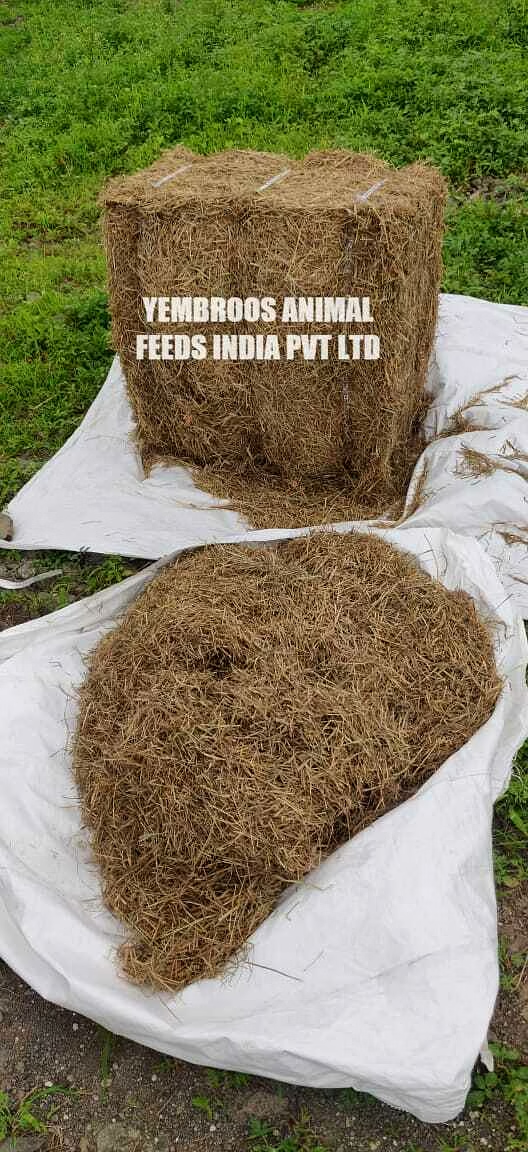
Dry grass fodder is an essential agricultural product designed primarily for livestock feeding. This high-nutrient forage consists of dried grasses and legumes that are typically harvested and stored in bales for easy distribution and long-term preservation. It serves as a vital source of nutrition for a variety of livestock, including cattle, sheep, goats, and horses. The quality of dry grass fodder can significantly impact animal health, growth, and productivity, making it a critical consideration for farmers and livestock producers. Fodder crops such as Napier grass and Guinea grass are particularly popular for their high yield and nutrient content. When properly harvested and stored, dry grass fodder can contain vital vitamins, minerals, and proteins needed for optimal livestock development. Its versatility and ease of use make it an invaluable resource in animal husbandry, contributing to the overall productivity of the agricultural ecosystem.
Key Features
| Features | Description |
|---|---|
| Type of Fodder | Dried grasses and legumes. |
| Storage Method | Typically stored in bales. |
| Animal Compatibility | Suitable for a variety of livestock including cattle, sheep, goats, and horses. |
| Nutritional Value | High in vitamins, minerals, and protein essential for livestock health. |
| Harvest and Prep | Properly harvested and stored for long-term preservation. |
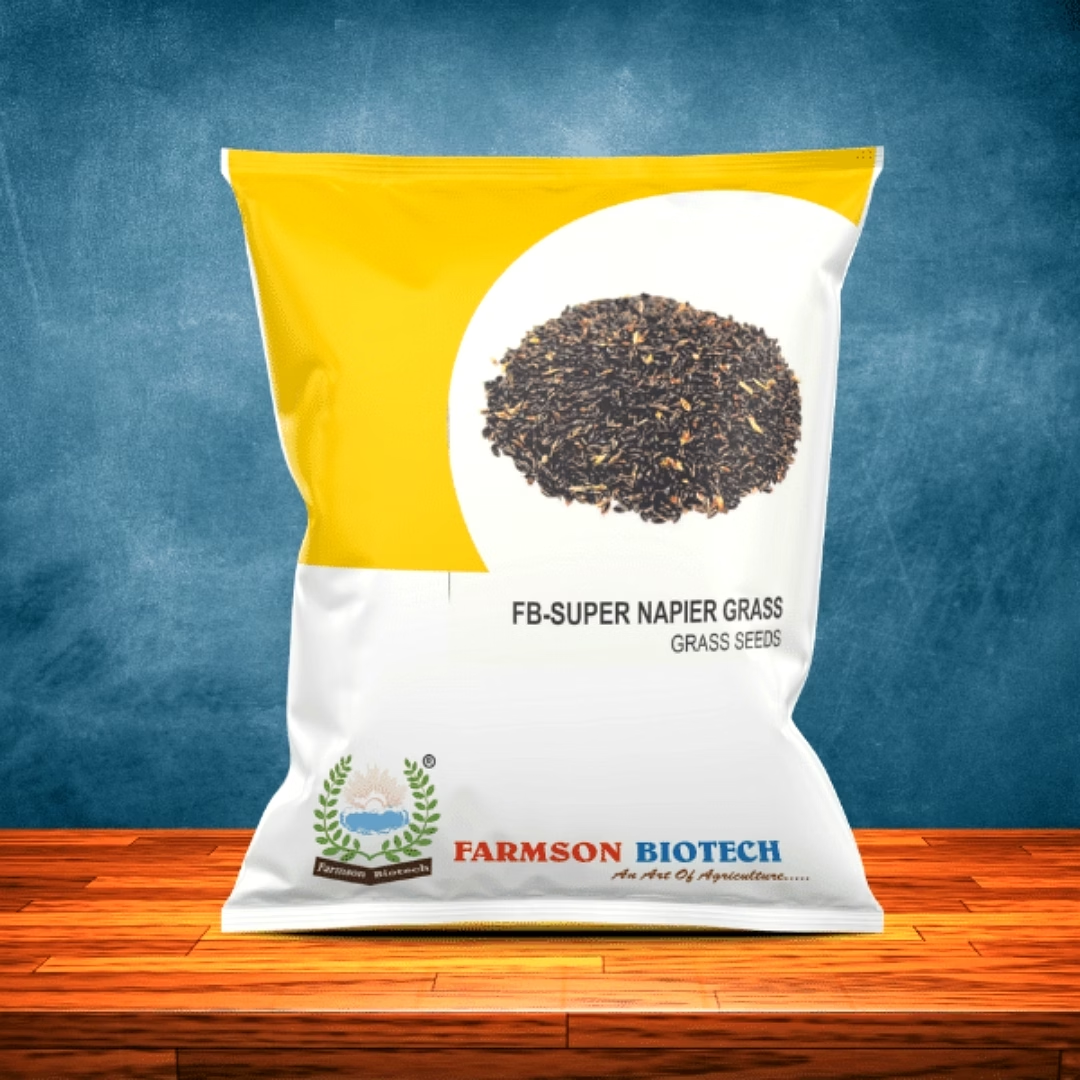
| Key Fodder Crops | Includes Napier grass and Guinea grass. |
| Attributes | Description |
|---|---|
| Moisture Content | Typically less than 15% to prevent mold. |
| Packaging | Offered in bales of various sizes for convenience. |
| Shelf Life | Up to 12 months when stored in optimal conditions. |
| Cutting Height | Harvested at 6-12 inches for optimal nutrient preservation. |
| Nutritional Composition | Contains crude protein, fiber, and essential minerals. |
| Farming Practices | Grown using sustainable agricultural practices. |
*Disclaimer: The above description has been AI-generated and has not been audited or verified for accuracy. It is recommended to verify product details independently before making any purchasing decisions.
Dry grass fodder is suitable for a range of livestock including cattle, sheep, goats, and horses.
It should be stored in a cool, dry place, preferably in sealed bales to maintain quality.
The moisture content is usually kept below 15% to prevent mold growth.
Commonly used fodder crops include Napier grass and Guinea grass, known for their high yield and nutrient content.
When stored under optimal conditions, dry grass fodder can last up to 12 months.
Country Of Origin: India
fodder crops are cultivated primarily for animal feed
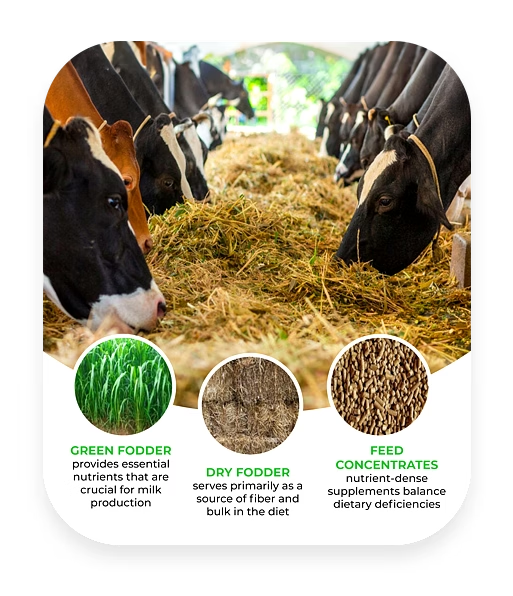
fodder include hay straw silage
Types of Fodder:
• Hay: Dried grasses and legumes, often stored in bales.
• Straw: The stalks of cereal crops after the grain has been harvested.
• Silage: Fermented, green forage, typically grasses or corn, that is stored in airtight conditions.
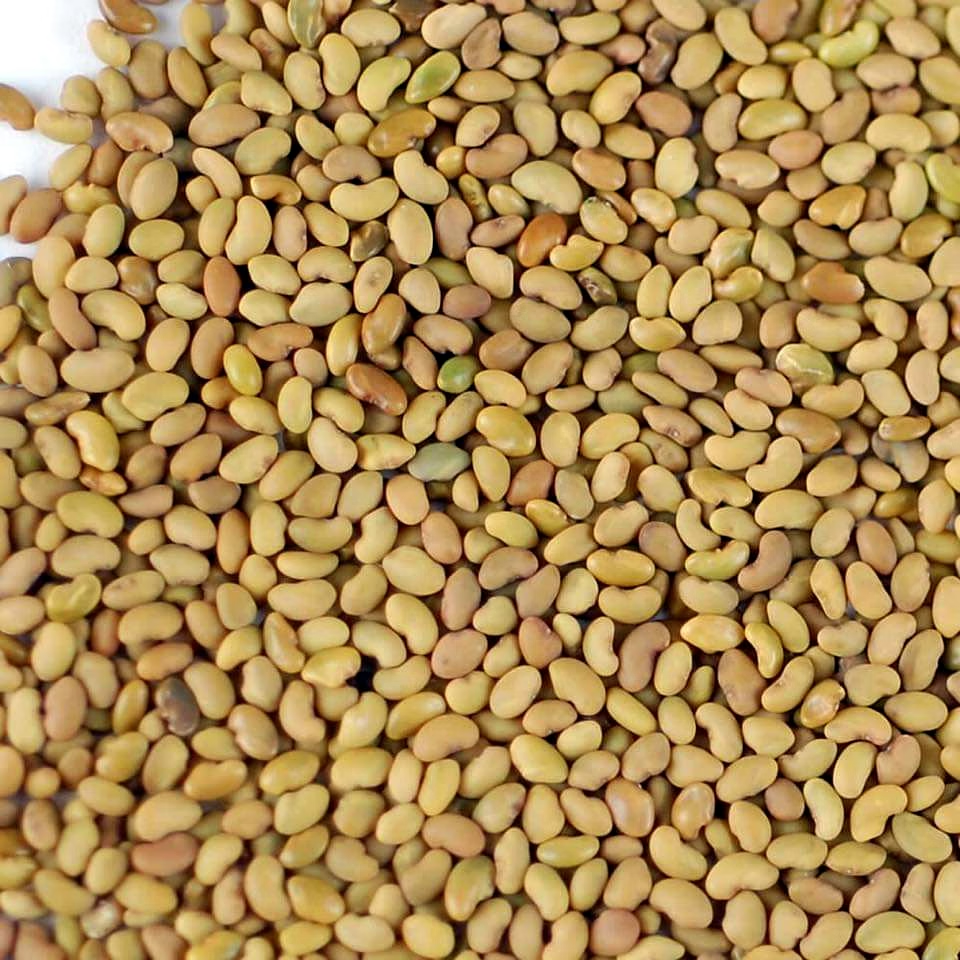
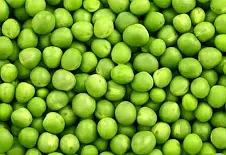
• Grain and Legumes: Seeds of crops like maize, sorghum, and various legumes, which can be fed whole, cracked, or processed.
• Fodder Crops: Plants specifically grown for animal feed, such as Napier grass, Guinea grass, and various legumes according to the Department of animal husbandry and dairying.
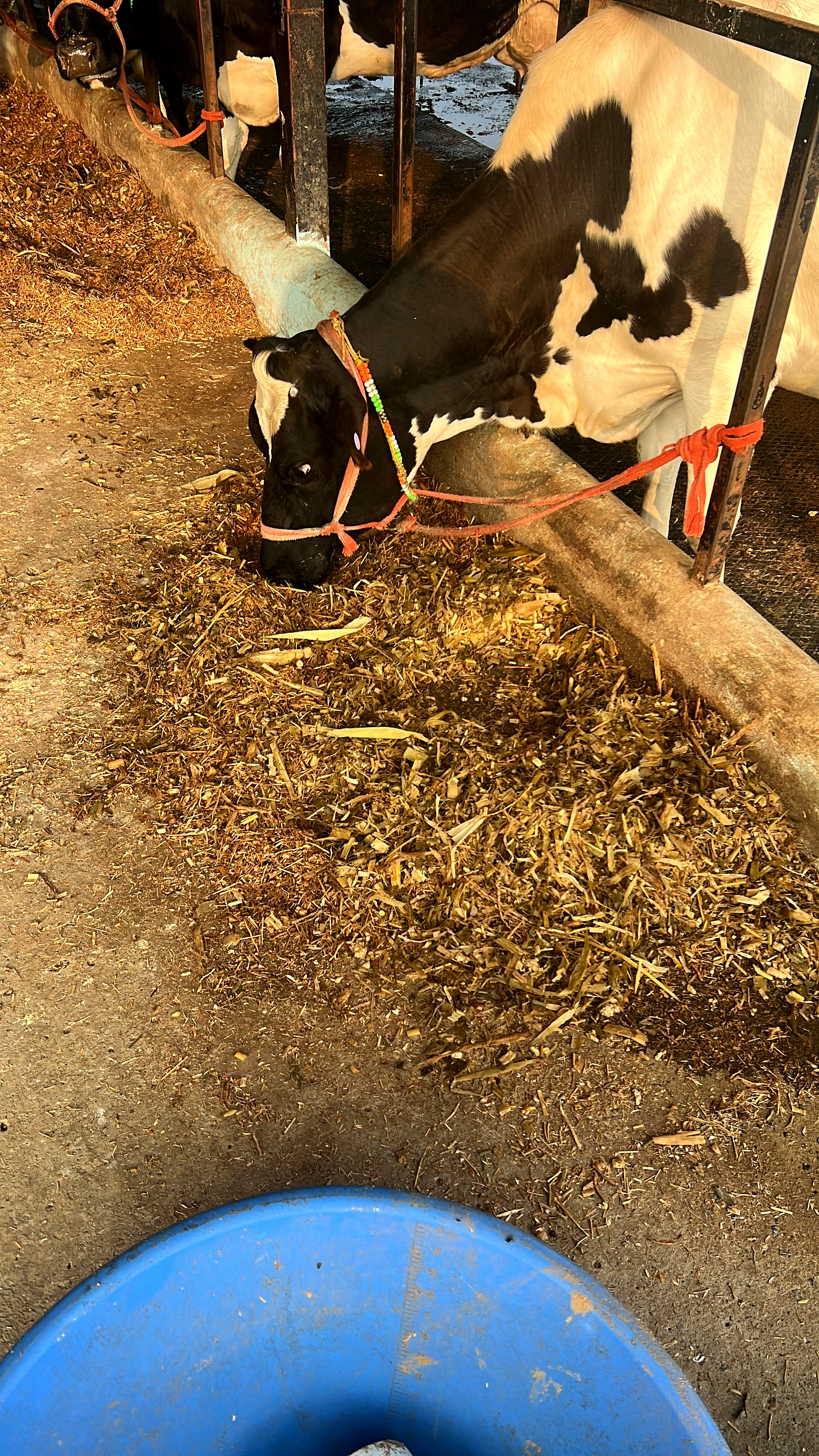
Fodder refers to any agricultural foodstuff used specifically to feed livestock. It's a broad term that encompasses various types of animal feed, including hay, straw, silage, and other cultivated or harvested plants. Unlike forage, which refers to plants that animals graze on directly, fodder is usually cut and carried to the animals.
Here's a more detailed look at fodder:
Types of Fodder:
• Hay: Dried grasses and legumes, often stored in bales.
• Straw: The stalks of cereal crops after the grain has been harvested.
• Silage: Fermented, green forage, typically grasses or corn, that is stored in airtight conditions.
• Grain and Legumes: Seeds of crops like maize, sorghum, and various legumes, which can be fed whole, cracked, or processed.
• Fodder Crops: Plants specifically grown for animal feed, such as Napier grass, Guinea grass, and various legumes according to the Department of animal husbandry and dairying.