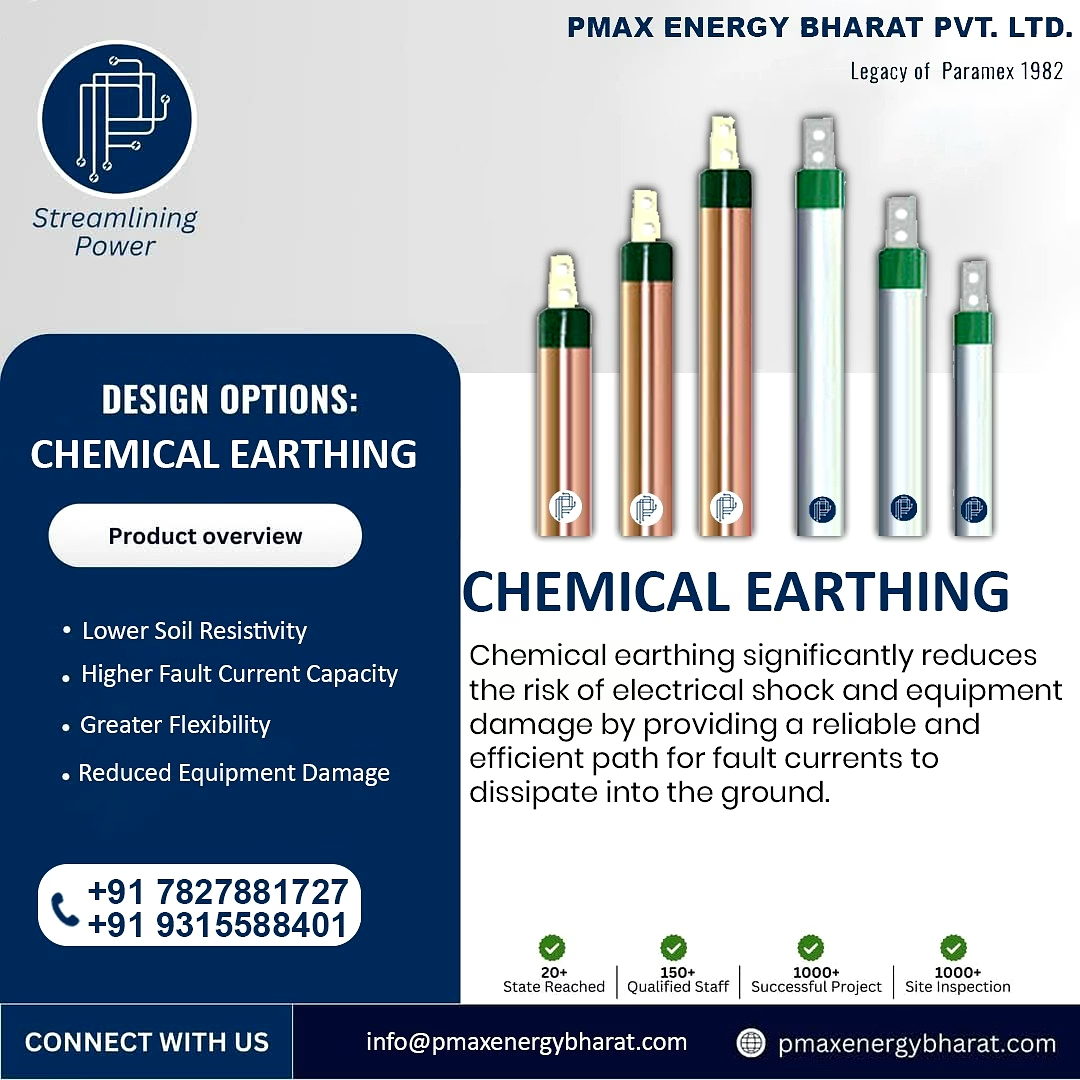
Chemical Earthing is a specialized grounding solution designed to enhance electrical safety by significantly lowering soil resistivity through the application of high-quality chemical compounds. These compounds, predominantly bentonite and graphite-based, improve the conductivity between earthing electrodes and the earth, providing a stable and low-resistance path for fault currents. Ideal for installation in challenging environments such as rocky, sandy, or dry soils where traditional earthing methods fail to provide adequate performance. This system ensures enhanced protection for electrical installations, industrial equipment, and infrastructure by maintaining consistent earth resistance levels irrespective of soil type and moisture variations.
Key Features
| Features | Description |
|---|---|
| Material Composition | Bentonite and graphite-based chemical compounds |
| Application Environment | Suitable for high resistivity soils like rocky, sandy, or dry soil |
| Performance Benefit | Reduces soil resistivity to achieve low-resistance earthing |
| Durability | Long-lasting chemical formulation resistant to leaching and environmental degradation |
| Safety Enhancement | Ensures reliable grounding for electrical installations, reducing risk of electrical shock and equipment damage |
| Installation Compatibility | Compatible with traditional earthing rods and plates |
| Attributes | Description |
|---|---|
| Chemical Type | Bentonite and Graphite based compounds |
| Resistance Reduction Capability | Can lower soil resistivity to less than 1 ohm-meter in suitable conditions |
| Package Sizes | Available in 25kg, 50kg, and bulk packaging options |
| Installation Depth | Effective up to 3 meters below ground level |
| Shelf Life | Minimum 5 years under proper storage conditions |
| Compliance Standards | Compliant with IS 3043 (Indian Standard for Earthing) |
*Disclaimer: The above description has been AI-generated and has not been audited or verified for accuracy. It is recommended to verify product details independently before making any purchasing decisions.
Chemical earthing is particularly effective in soils with high resistivity such as rocky, sandy, or dry soil where conventional earthing fails to achieve low resistance.
With proper installation and environmental conditions, chemical earthing compounds are designed to be effective for at least 5 years, maintaining low resistance levels over time.
Yes, these compounds are compatible with traditional earthing rods and plates and can be integrated into existing grounding systems to improve conductivity.
Yes, the chemical compounds comply with IS 3043 standards, which govern earthing practices and ensure electrical safety and performance in India.
Chemical earthing compounds are available in multiple package sizes including 25kg, 50kg, and bulk options to accommodate different project requirements.
Chemical earthing enhances grounding systems by improving soil conductivity using specialized compounds. These compounds, often bentonite or graphite-based, reduce soil resistivity, ensuring a reliable and low-resistance connection to the earth. This method is particularly effective in areas with high soil resistivity, such as rocky or sandy soil.