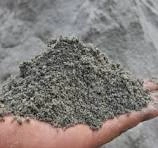
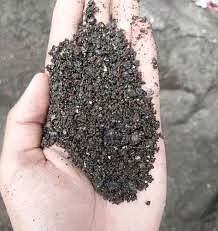
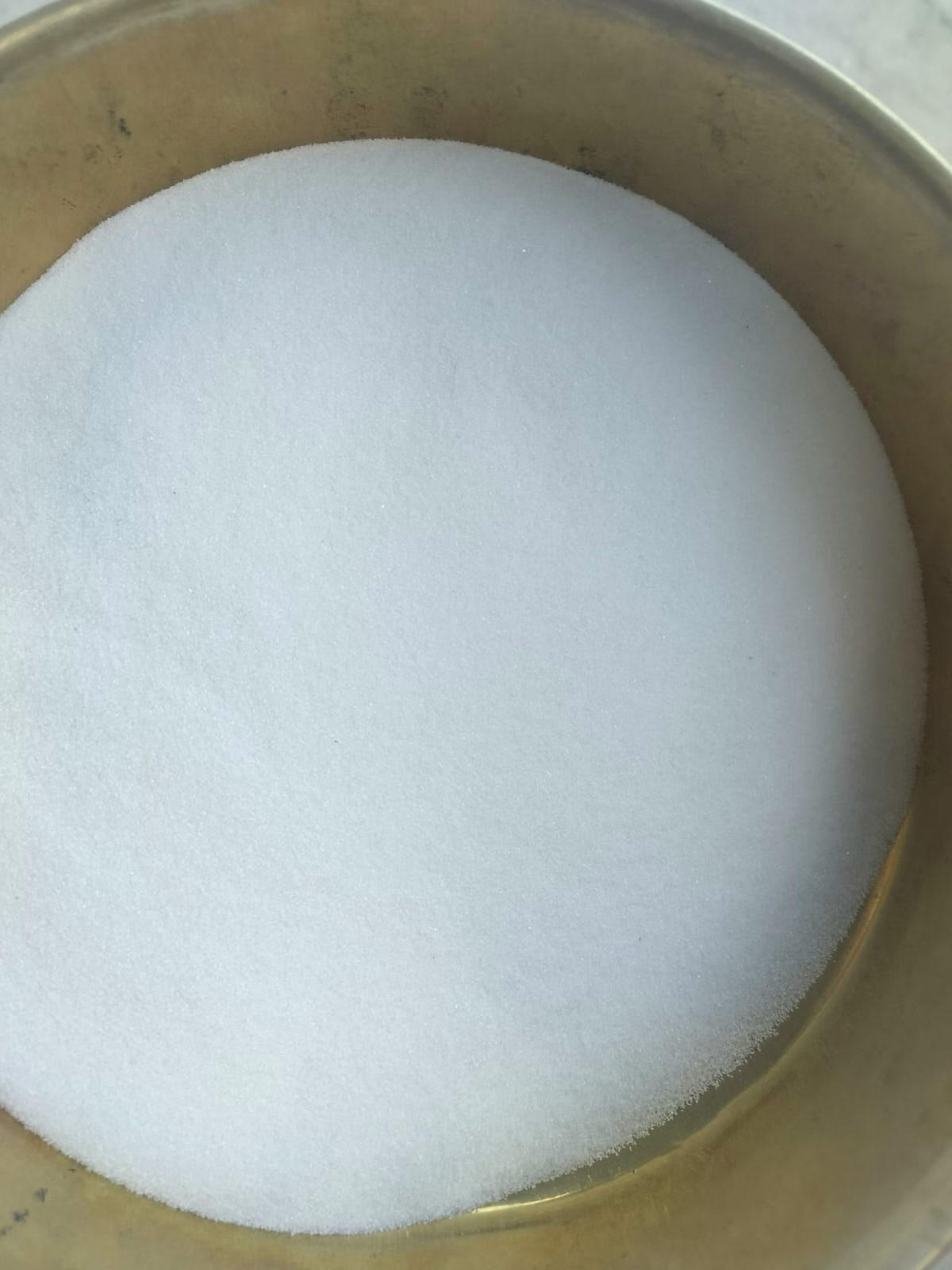
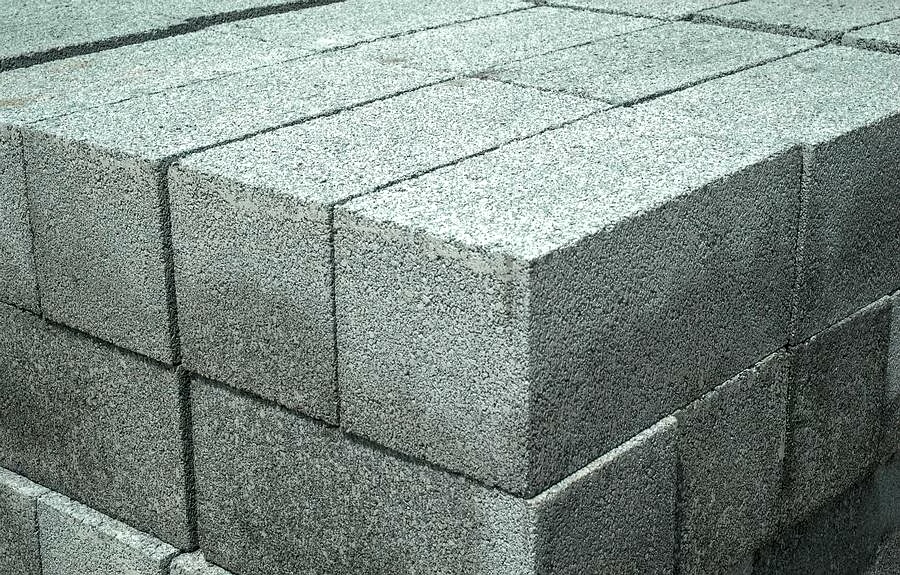
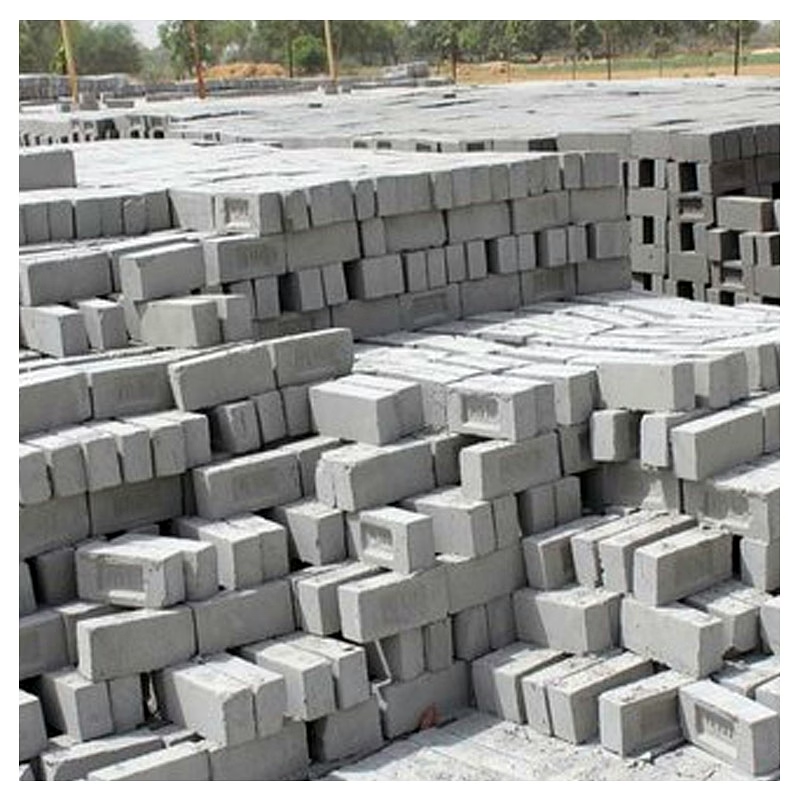
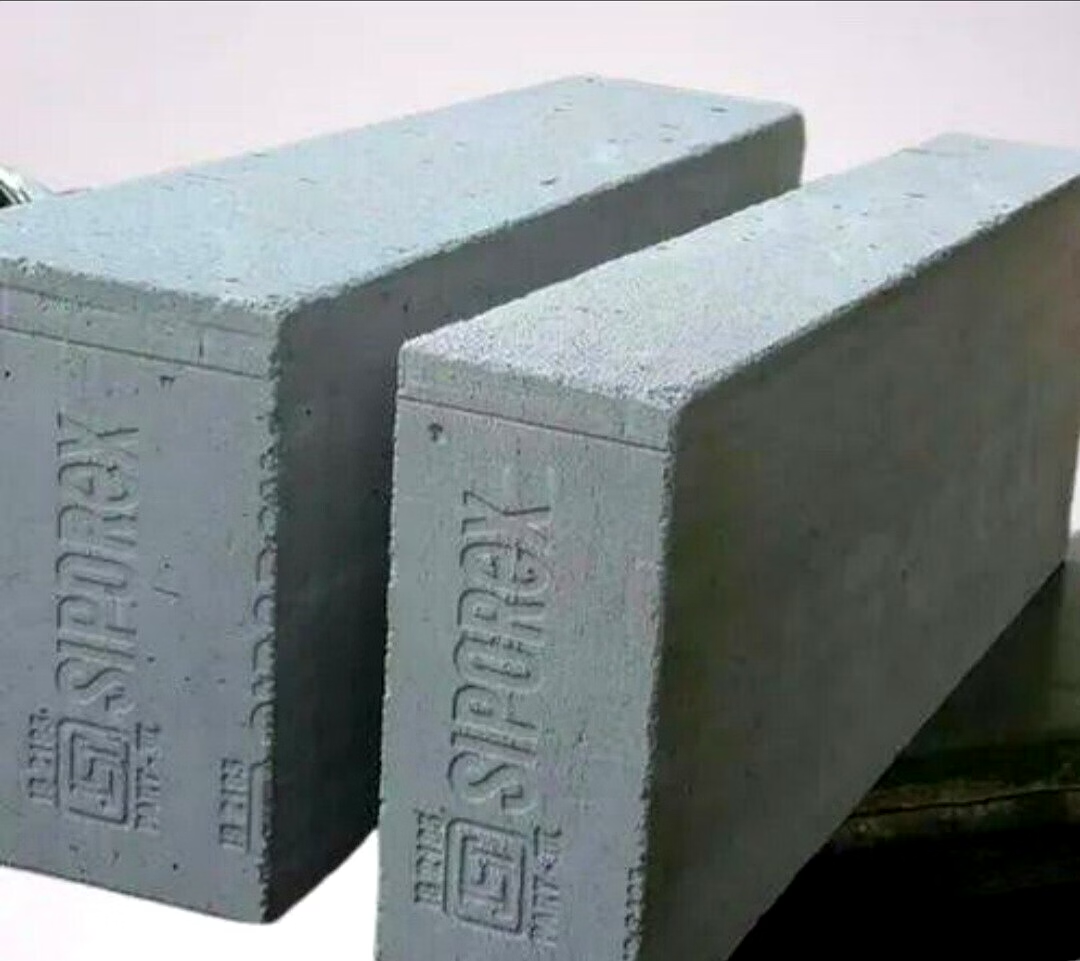
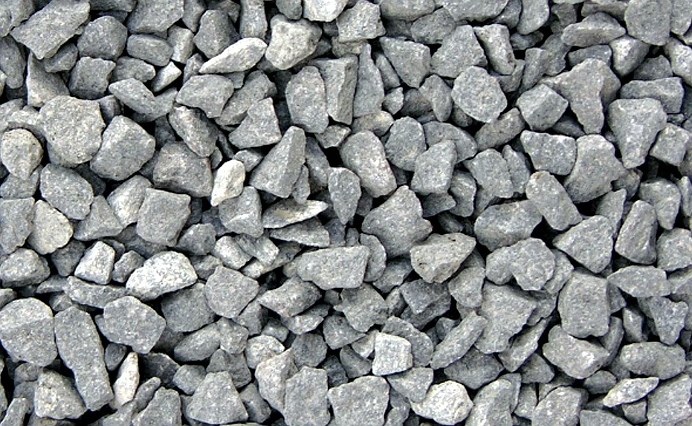
Aggregates such as sand, gravel, and crushed stone are indispensable materials tailored specifically for the construction industry. These aggregates are used extensively in the production of concrete and asphalt, supplying essential strength, durability, and structural stability. By serving as cost-effective fillers in concrete, they help reduce cement consumption without compromising on quality. In infrastructure projects, aggregates provide reliable foundational layers, including base and sub-base courses for roads and highways, enhancing stability, load distribution, and longevity. Their high porosity ensures optimal performance in drainage systems, such as French drains and filtration beds, effectively preventing waterlogging and erosion damage. The use of large angular aggregates as railway ballast stabilizes track beds by distributing heavy train loads and minimizing vibration impact, ensuring safety and durability. Furthermore, aggregates act as key materials in building foundations and site fills, offering crucial support, leveling, and erosion prevention for diverse construction and landscaping projects. These specialized aggregates are carefully selected and processed to meet stringent construction standards, making them a trusted choice for professional contractors, civil engineers, and construction companies looking for reliable, high-quality materials to enhance project efficiency and structural integrity.
Key Features
| Features | Description |
|---|---|
| Material Types | Sand, Gravel, Crushed Stone |
| Primary Uses | Concrete and Asphalt Production, Road Base and Sub-base, Drainage Systems, Railway Ballast, Building Foundations and Fill |
| Strength and Durability | Enhances strength and longevity of construction projects |
| Cost Efficiency | Reduces cement requirements in concrete mix, lowering overall costs |
| Porosity | Ideal for efficient drainage and filtration applications |
| Load Distribution | Provides stable load support for roads and railway tracks |
| Erosion Prevention | Supports foundation stability and prevents soil erosion in landscaping |
| Particle Size Range | Varied sizes available for specific construction needs |
| Compliance | Meets industry standards for construction aggregates |
| Attributes | Description |
|---|---|
| Aggregate Composition | Natural rock materials including quartz, limestone, granite, and basalt |
| Size Range | From fine sand particles (0.075 mm) up to large crushed stone (over 50 mm) |
| Specific Gravity | 2.6 to 2.8 |
| Moisture Content | Typically less than 2% |
| Bulk Density | Approx. 1500 to 1700 kg/m³ depending on type |
| Fineness Modulus (for sand) | 2.3 to 3.1 |
| Compliance Standards | ASTM C33, BS EN 12620, IS 383 |
| Packaging | Bulk supply, loose or bagged on request |
| Delivery Options | Available in truckloads, bins, or by volume |
*Disclaimer: The above description has been AI-generated and has not been audited or verified for accuracy. It is recommended to verify product details independently before making any purchasing decisions.
Fine aggregates such as sand with a fineness modulus between 2.3 and 3.1 are preferred for concrete production, while coarser aggregates like gravel and crushed stone ranging from 10 mm to over 50 mm are ideal for road base and sub-base layers ensuring stability and load distribution.
Yes, the aggregates supplied meet ASTM C33, BS EN 12620, and IS 383 standards, making them suitable for professional construction applications requiring high quality and consistency.
Absolutely. Aggregates with moisture content typically below 2% ensure optimal bonding in concrete mixes and maintain the porosity needed for effective drainage, preventing waterlogging and structural issues.
Aggregates can be supplied in bulk truckloads, loose form, or bagged as per requirements. Delivery options can be customized including bins or by volume to cater to large-scale construction and infrastructure projects.
Large angular aggregates used as ballast provide robust support by distributing train load weights evenly and absorbing vibrations, thereby enhancing track stability and lifespan.
Country Of Origin: India
Aggregates, such as sand, gravel, and crushed stone, are essential materials in the construction industry.
Uses of aggregates
Concrete and Asphalt Production: Aggregates form the bulk of concrete and asphalt, providing strength, durability, and stability. In concrete, they reduce the amount of cement needed, acting as a cost-effective filler.
Road Construction: Aggregates form the foundational layers (base and sub-base) for roads and highways, ensuring stability and load distribution.
Drainage Systems: Their porous nature makes them ideal for drainage applications like French drains and filtration beds, preventing waterlogging and erosion.
Railway Ballast: Large, angular aggregates are used to stabilize railway tracks, distributing the weight of passing trains and absorbing vibrations.
Building Foundations and Fill: Aggregates are used as a base material for foundations, providing support and preventing erosion, and also as fill to level or raise ground for various construction and landscaping purposes.
Inclusive of all taxes
You Save: 0
Mumbai , India
Manufacturer, Contractor, Distributor, Exporter, Importer, Wholesaler