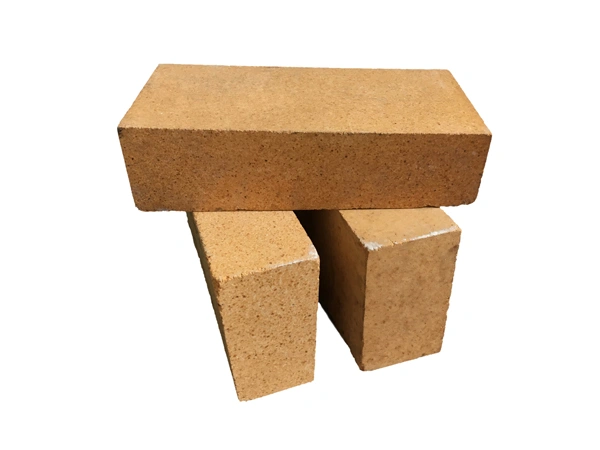
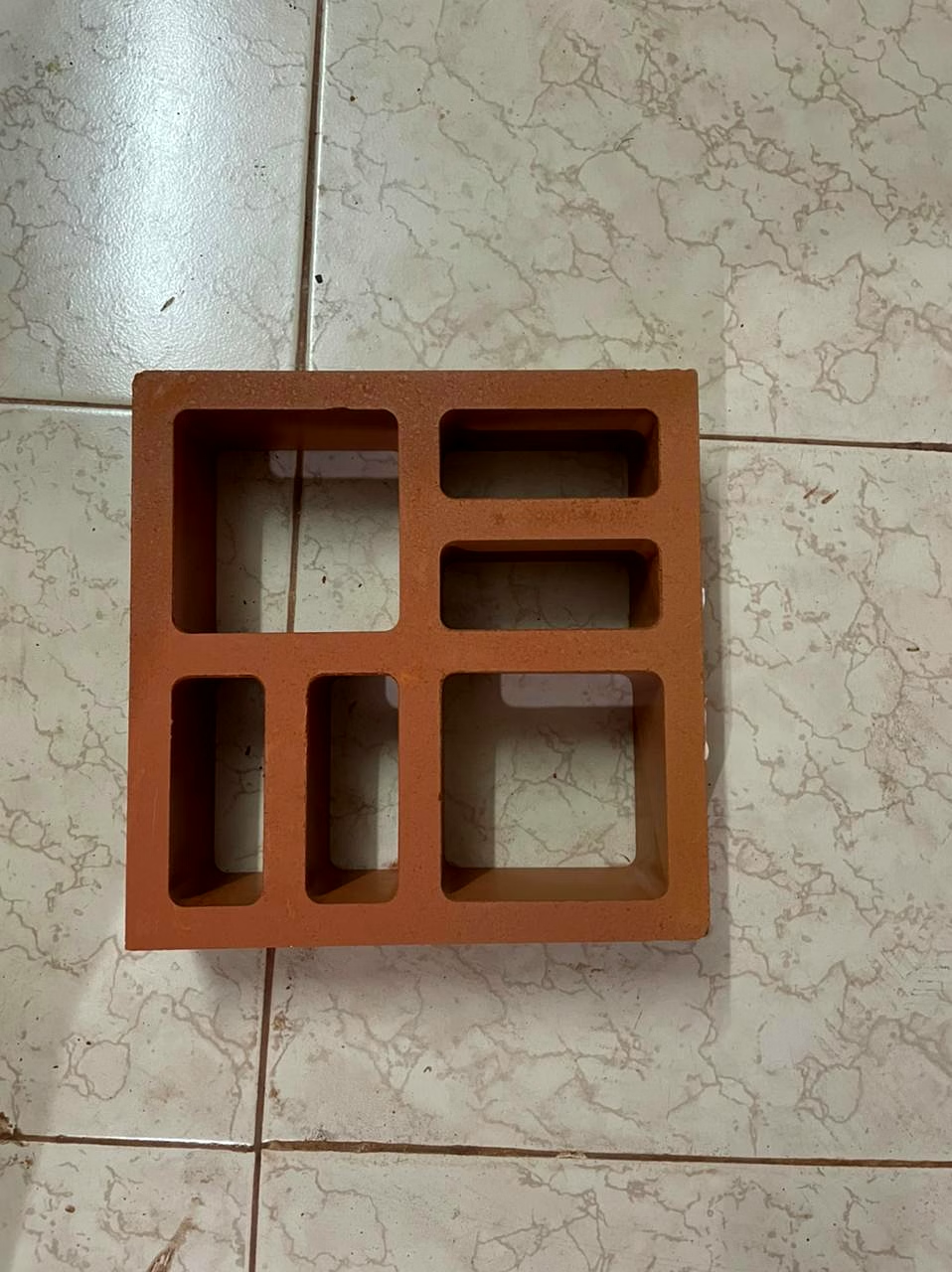
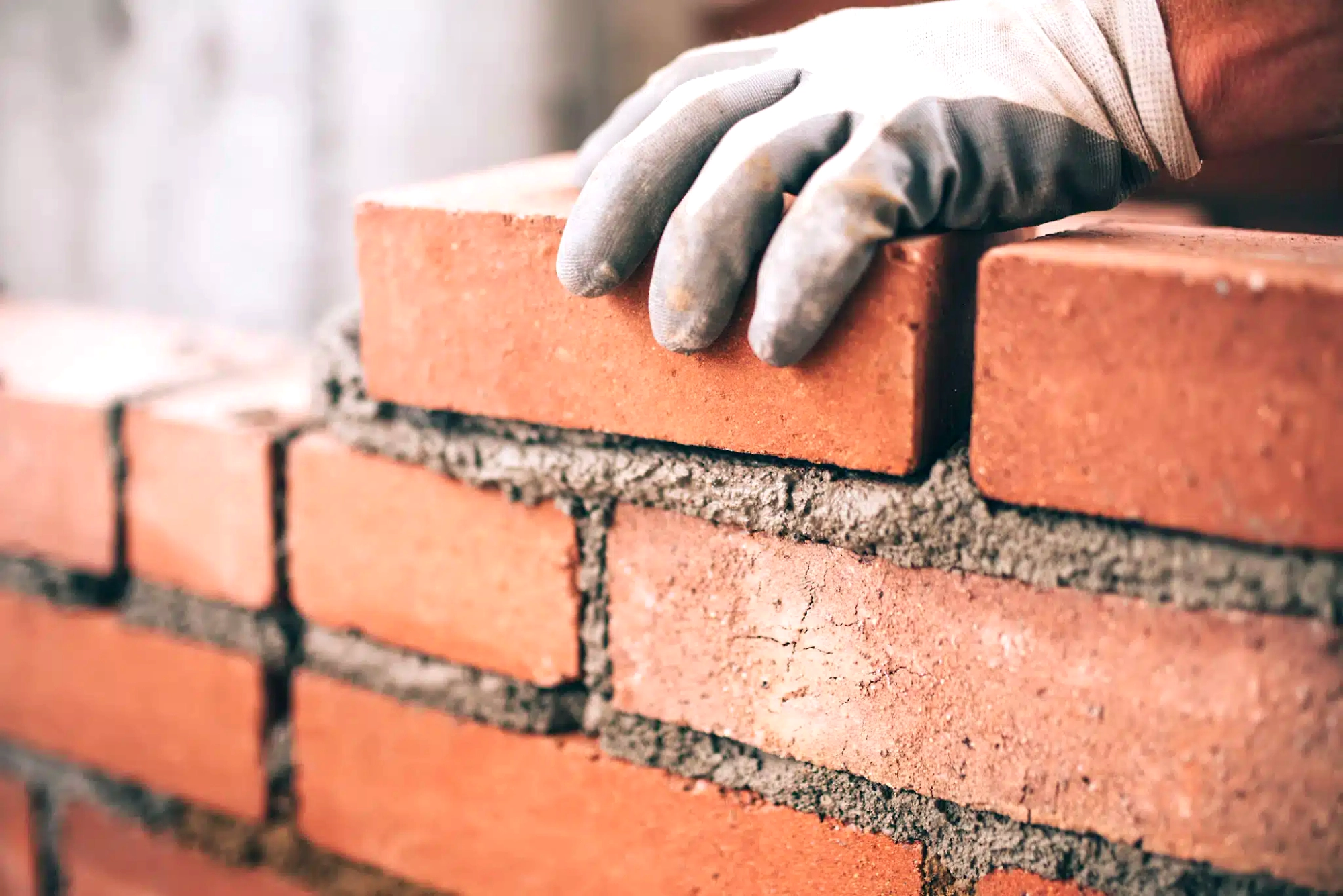
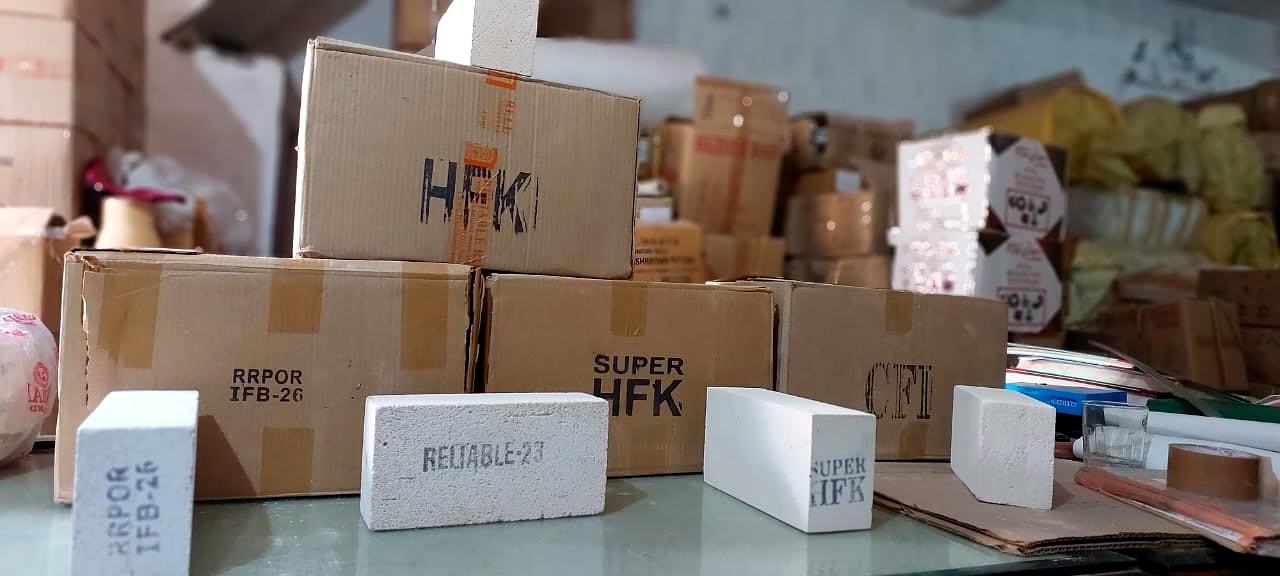
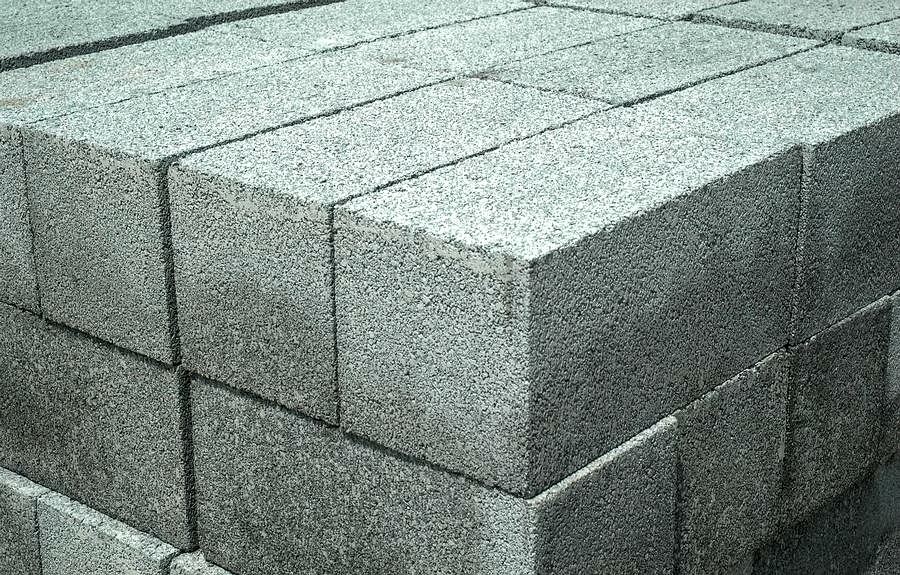
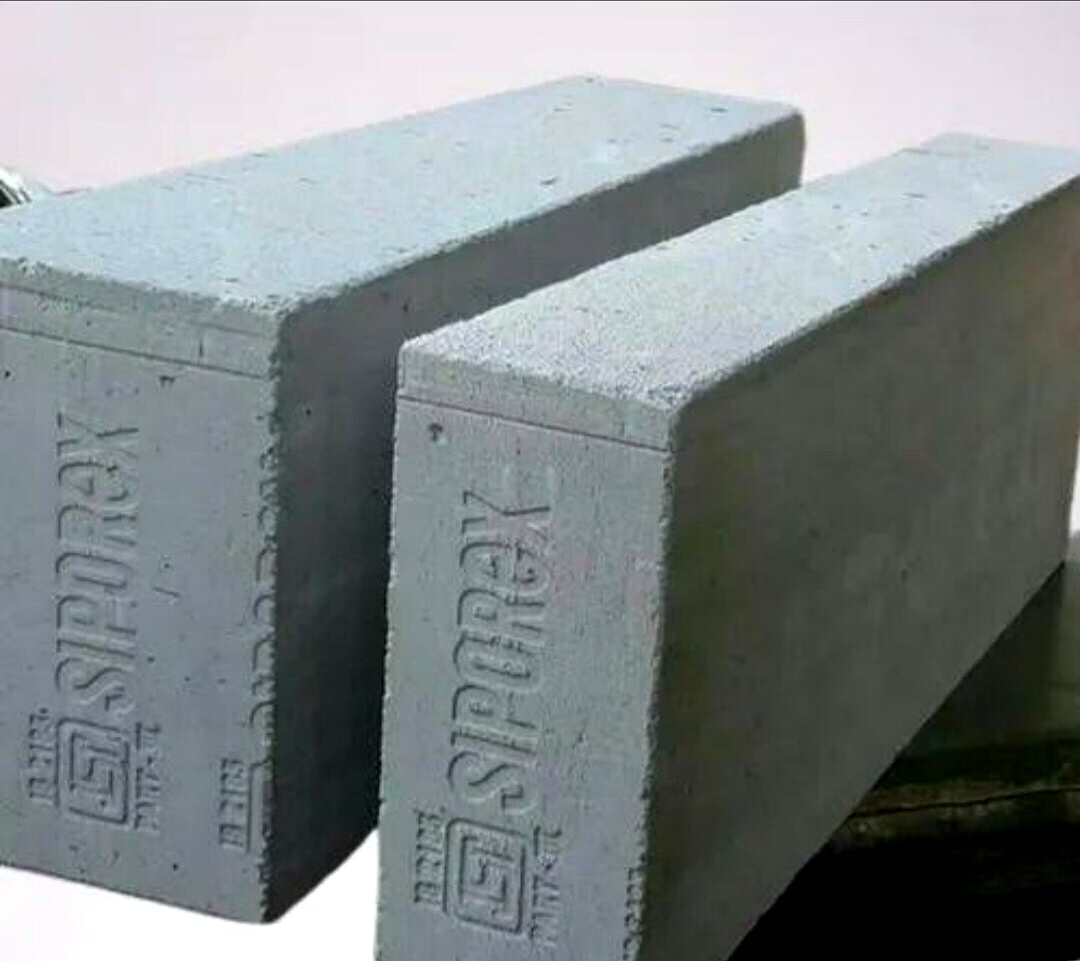
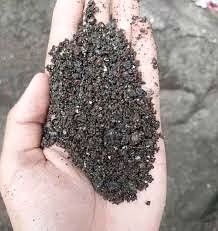
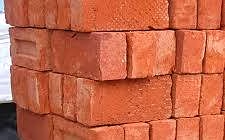
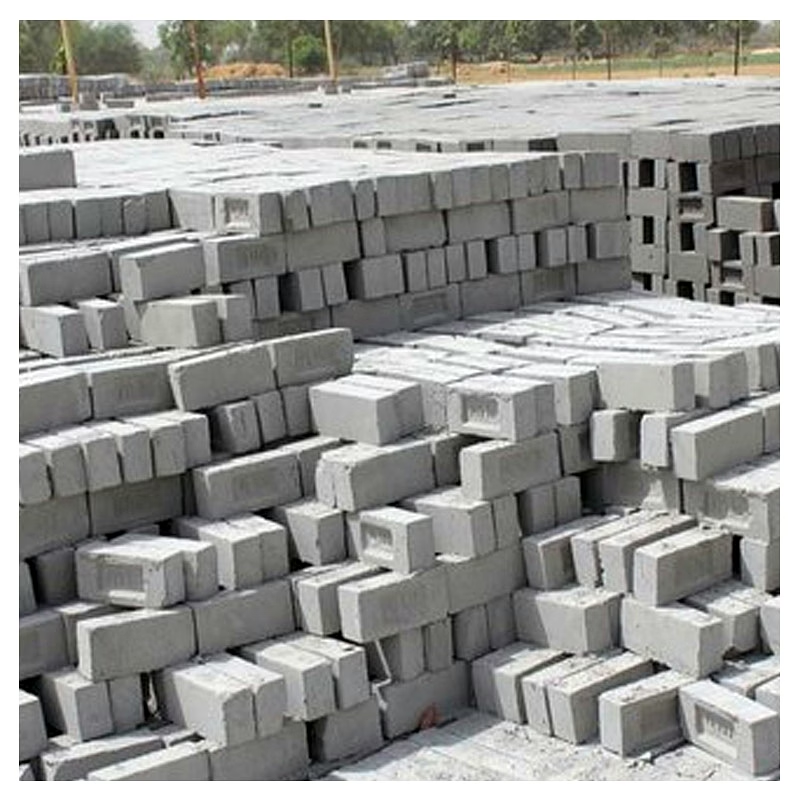
Flyash bricks are an eco-friendly and sustainable construction material manufactured by utilizing fly ash—a byproduct of coal combustion—combined with lime, gypsum, and sand. These bricks are engineered to provide superior strength, reduced water absorption, and precise uniformity in size and shape, making them ideal for load-bearing and non-load-bearing walls in residential, commercial, and industrial construction projects. The manufacturing process of fly ash bricks involves the mechanical pressing of the fly ash mixture into brick forms, ensuring consistent density and durability. As an excellent alternative to traditional clay bricks, fly ash bricks contribute significantly to environmental protection by reutilizing industrial waste, thus reducing landfill burden and minimizing energy consumption associated with brick firing. Additionally, their excellent thermal insulation properties help in enhancing energy efficiency of buildings, resulting in lowered heating and cooling costs. These bricks also exhibit enhanced resistance to fire and pests compared to conventional bricks, offering long-term performance advantages for construction professionals and contractors focused on sustainable building solutions.
Key Features
| Features | Description |
|---|---|
| Primary Material | Fly ash, lime, gypsum, sand |
| Sustainability | Utilizes industrial waste (fly ash), reduces landfill use |
| Compressive Strength | High strength suitable for load-bearing applications |
| Water Absorption | Low water absorption rate enhancing durability |
| Dimensional Accuracy | Uniform size and shape for precise masonry work |
| Thermal Insulation | Improves energy efficiency of structures |
| Environmental Impact | Reduces air pollution by recycling fly ash |
| Fire Resistance | Better resistance to fire compared to clay bricks |
| Cost Effectiveness | More economical than conventional clay bricks |
| Manufacturing Process | Mechanical pressing method ensuring quality control |
| Attributes | Description |
|---|---|
| Density | Approximately 1800-2000 kg/m³ |
| Compressive Strength | Minimum 7-10 MPa (varies by manufacturer) |
| Water Absorption | <10% by weight |
| Dimensions | Standard size typically 190 mm × 90 mm × 90 mm |
| Thermal Conductivity | Lower than clay bricks, typically 0.5 W/m·K |
| Weight per Brick | Approximately 2.5-3.5 kg |
| Color | Light grey due to fly ash content |
| Compliance Standards | Meets IS: 3812 and IS: 12894 (Indian Standards) or equivalent |
| Usage | Suitable for all types of brick masonry and plastering applications |
| Installation | Can be laid using traditional mortar techniques |
*Disclaimer: The above description has been AI-generated and has not been audited or verified for accuracy. It is recommended to verify product details independently before making any purchasing decisions.
The high pozzolanic content of fly ash contributes to the chemical bonding with lime and gypsum, significantly enhancing the compressive strength and durability of the bricks.
Yes, fly ash bricks possess high compressive strength often exceeding 7 MPa, making them suitable for load-bearing masonry applications.
Fly ash bricks have low water absorption rates typically below 10%, making them highly resistant to moisture penetration and minimizing issues like efflorescence and degradation.
These bricks meet Indian Standards such as IS: 3812 and IS: 12894 or equivalent, ensuring safe usage and environmental compliance in construction projects.
Fly ash bricks have lower thermal conductivity than clay bricks, providing better insulation, which helps reduce energy consumption in building heating and cooling.
Country Of Origin: India
Fly ash bricks are a sustainable building material, primarily composed of fly ash, a byproduct of coal combustion, along with sand and lime.
These bricks are an environmentally friendly alternative to traditional clay bricks, offering numerous benefits.
They are known for their high strength, low water absorption, and uniform dimensions.
The production of fly ash bricks helps reduce environmental pollution by utilizing a waste material.
Fly ash bricks are created by mixing fly ash, lime, gypsum, and sand, often with water, and then pressing the mixture into brick shapes.
They can be used in various construction applications, similar to clay bricks. The use of fly ash, which is often a byproduct of coal-fired power plants, helps in managing waste and reducing landfill usage.
These bricks are also known for their thermal insulation properties and can be more cost-effective than clay bricks.
Inclusive of all taxes
You Save: 0
Mumbai , India
Manufacturer, Contractor, Distributor, Exporter, Importer, Wholesaler