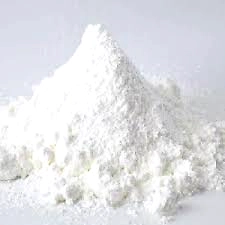
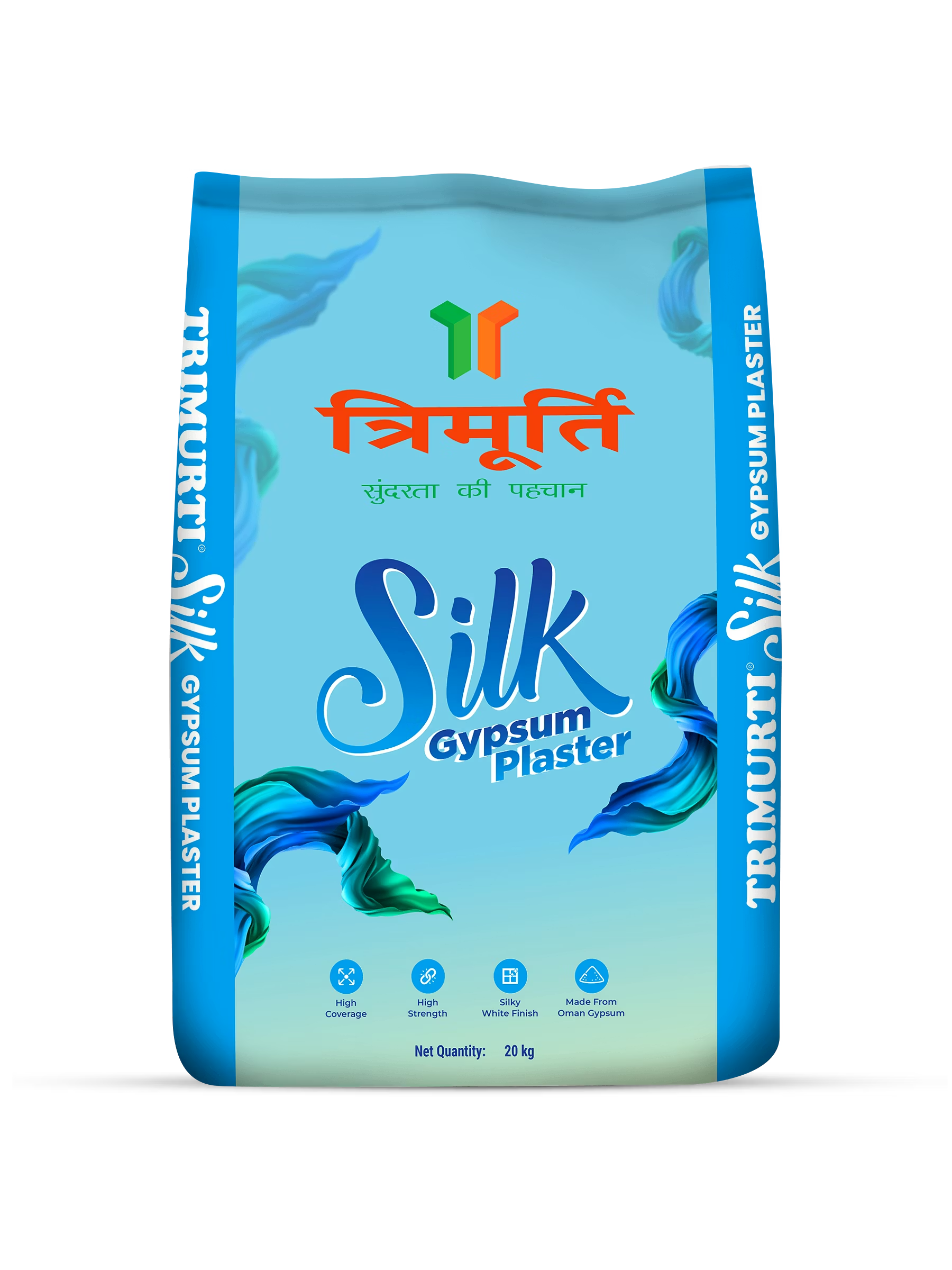
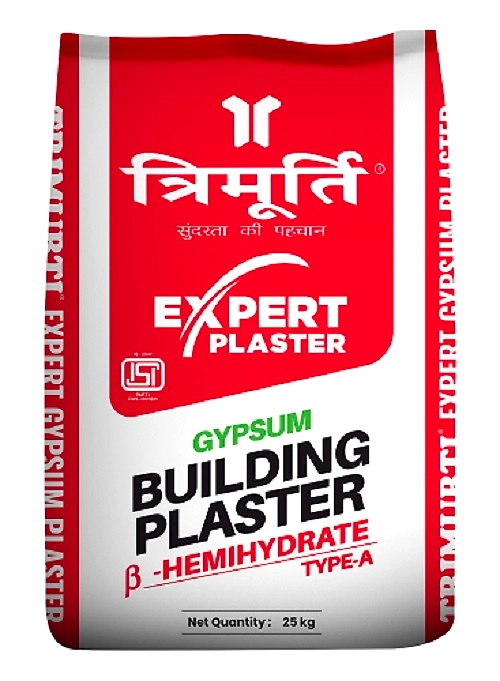
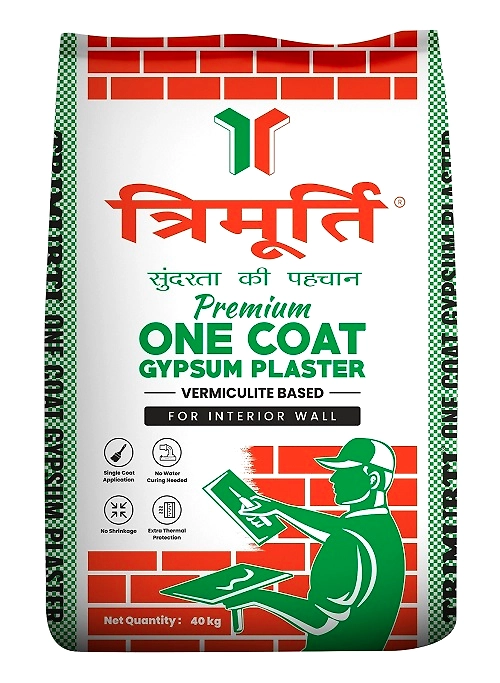
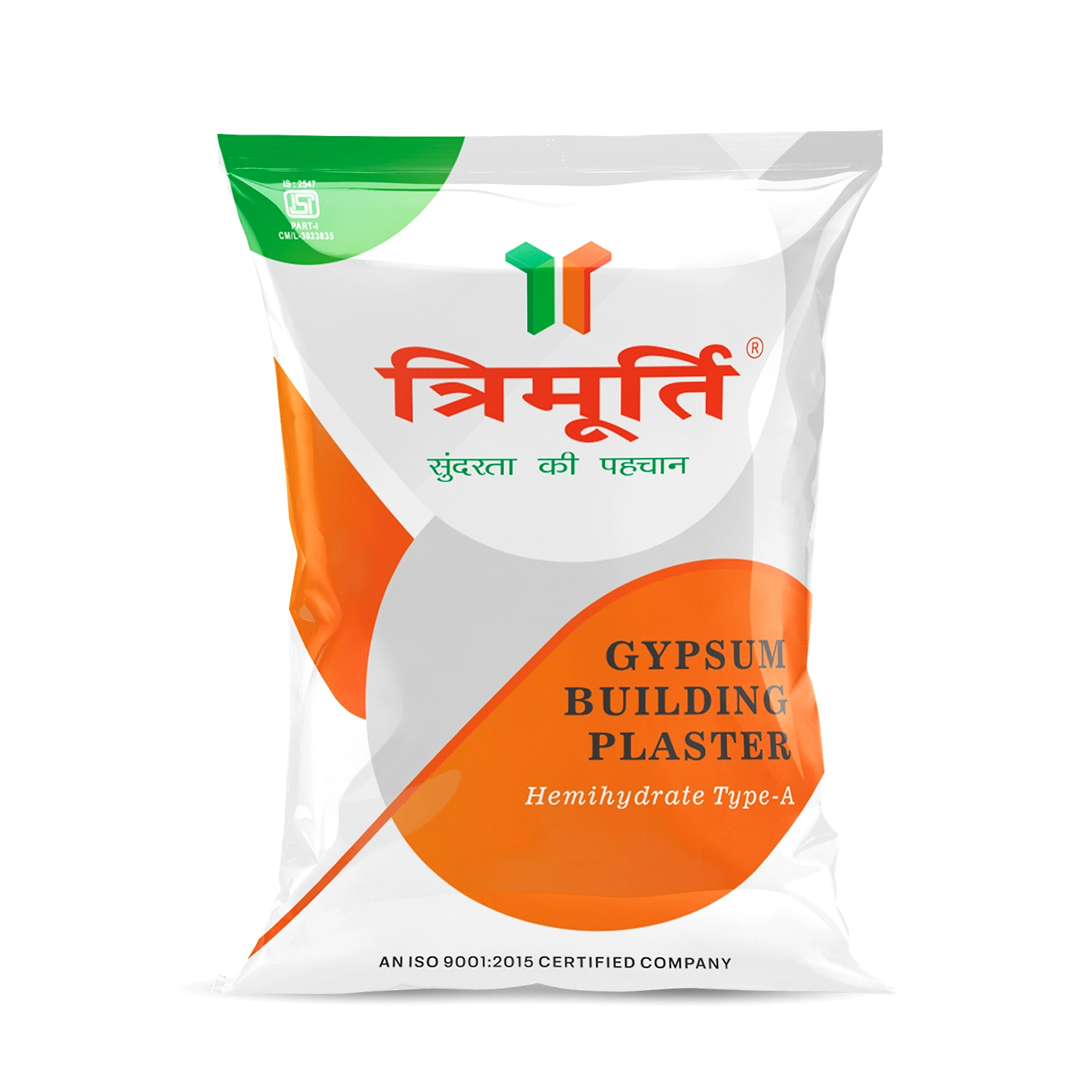
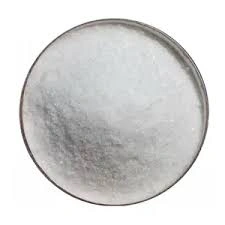
Gypsum Powder is a versatile and sustainable fine white powder derived from natural gypsum mineral (CaSO₄·2H₂O) through processes including crushing, drying, and grinding. It is widely recognized for its fire-resistant properties, durability, non-toxic nature, and affordability. Primarily used in construction, this powder is fundamental in the production of plaster, drywall, and gypsum boards, providing smooth finishes, enhanced fire resistance, sound insulation, and improved thermal management. In the cement industry, gypsum powder acts as a retarder, controlling the setting time to prevent rapid hardening of cement mixes. Beyond construction, gypsum powder serves as an essential soil conditioner in agriculture, improving soil structure, facilitating drainage and water infiltration, and increasing nutrient availability, specifically calcium and sulfur, which boosts crop health and yields. Additionally, it has diverse applications in manufacturing ceramics, molds, filler in personal care products, and medical items such as orthopedic casts and dental molds, establishing it as a multipurpose industrial material.
Key Features
| Features | Description |
|---|---|
| Chemical Composition | Calcium Sulfate Dihydrate (CaSO₄·2H₂O) |
| Appearance | Fine White Powder |
| Fire Resistance | High fire-resistant properties making it ideal for construction use |
| Durability | Ensures long-lasting finishes in plaster and drywall applications |
| Setting Time Control | Acts as a retarder in cement to prevent rapid hardening |
| Soil Conditioning | Improves soil structure, water infiltration, and nutrient availability |
| Non-toxic Nature | Safe for use in medical, food, and personal care industries |
| Processing Method | Crushing, drying, and grinding natural gypsum mineral |
| Applications | Construction, agriculture, ceramics, medical, and personal care products |
| Attributes | Description |
|---|---|
| Physical State | Powder |
| Color | White |
| Purity Level | High purity to ensure performance in construction and agriculture |
| Particle Size | Fine to ensure smooth finishes and ease of mixing |
| Moisture Content | Low, controlled through drying process |
| Packaging | Available in bulk bags, sacks, or custom packaging for industrial use |
| Storage Conditions | Keep dry and protected from moisture to maintain powder quality |
| Shelf Life | Extended when stored properly |
| Solubility | Slightly soluble in water facilitating its use in soil conditioning and mixing |
*Disclaimer: The above description has been AI-generated and has not been audited or verified for accuracy. It is recommended to verify product details independently before making any purchasing decisions.
Gypsum powder acts as a retarder by slowing down the hydration process of cement, preventing it from setting too quickly and allowing for better workability during construction.
It improves soil structure by breaking up compacted soil, enhances water infiltration and drainage, and supplies essential nutrients like calcium and sulfur to promote healthier plant growth.
Yes, due to its non-toxic nature and fine consistency, this gypsum powder is widely used in medical applications such as orthopedic casts and precise dental molds.
A fine particle size is essential for gypsum powder to ensure smooth finishes, easy mixing with water, and effective application in plaster and drywall.
Yes, when stored in dry conditions and protected from moisture, gypsum powder maintains its quality and performance over an extended shelf life.
Country Of Origin: India
Gypsum Powder: Versatile and Sustainable
Gypsum powder, a fine white substance, is derived from the natural mineral gypsum, a hydrated calcium sulfate with the chemical formula CaSO₄·2H₂O. It's formed in sedimentary deposits, according to Vedantu, and processed through crushing, drying, and grinding. This process removes some of the water molecules, creating the powder. Gypsum powder, known for its non-toxic nature and affordability, finds extensive use across various industries due to its unique properties like fire resistance, durability, and ability to mold when mixed with water.
Applications:
Construction: A primary ingredient in plaster, drywall, and gypsum boards, it’s used for walls, ceilings, and partitions. It provides a smooth finish, resists fire and cracks, and improves thermal and sound insulation. It also acts as a retarder in cement, controlling the setting time and preventing rapid hardening.
Agriculture: As a soil conditioner, it enhances soil structure, drainage, and water infiltration. It helps break up compacted soil, improves nutrient availability (calcium and sulfur), reduces sodicity, and promotes healthier root growth and crop yields.
Other Industries: Used in manufacturing ceramics, molds, and casts; as a filler in toothpaste, shampoos, and some food products (like tofu); and in producing medical items such as orthopedic casts and dental molds.
Inclusive of all taxes
You Save: 0
Mumbai , India
Manufacturer, Contractor, Distributor, Exporter, Importer, Wholesaler