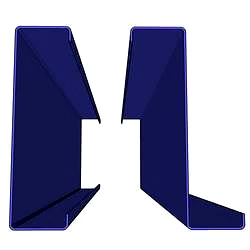
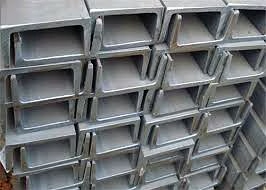
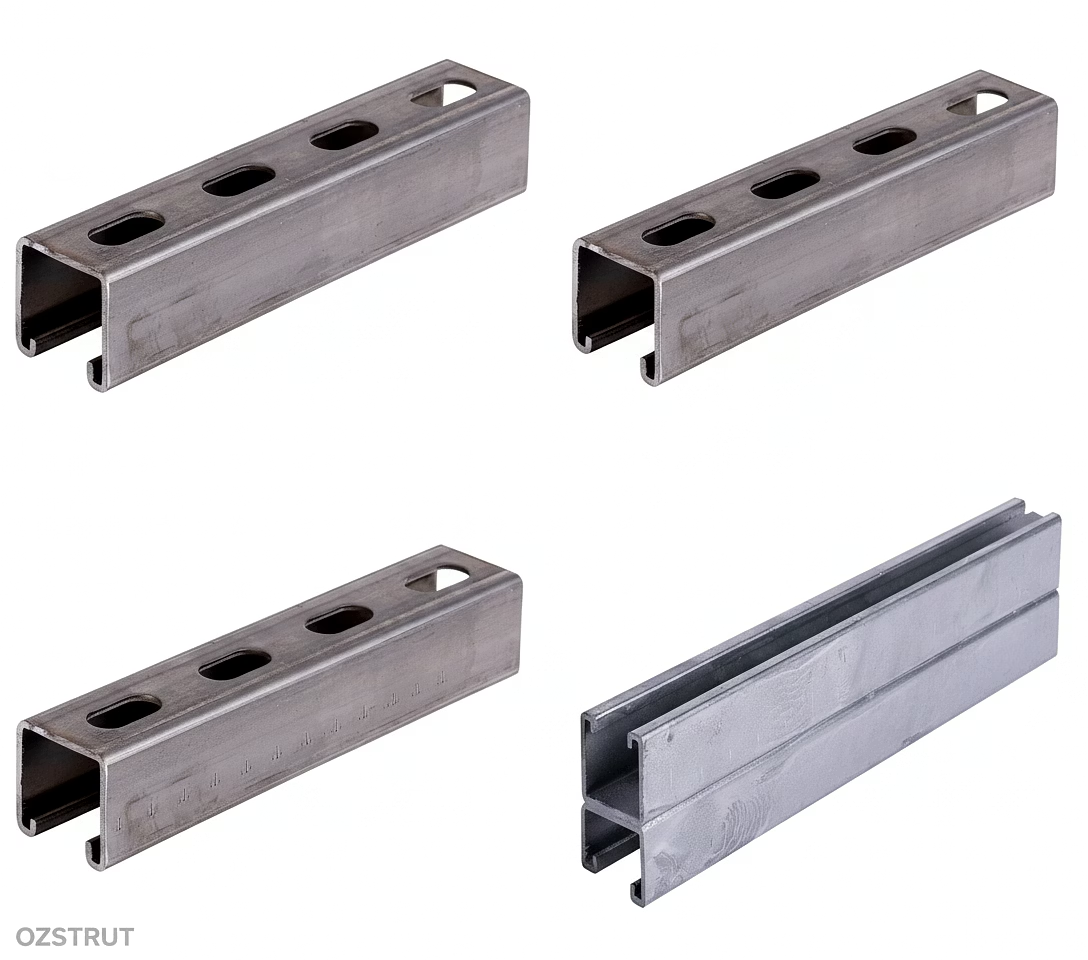
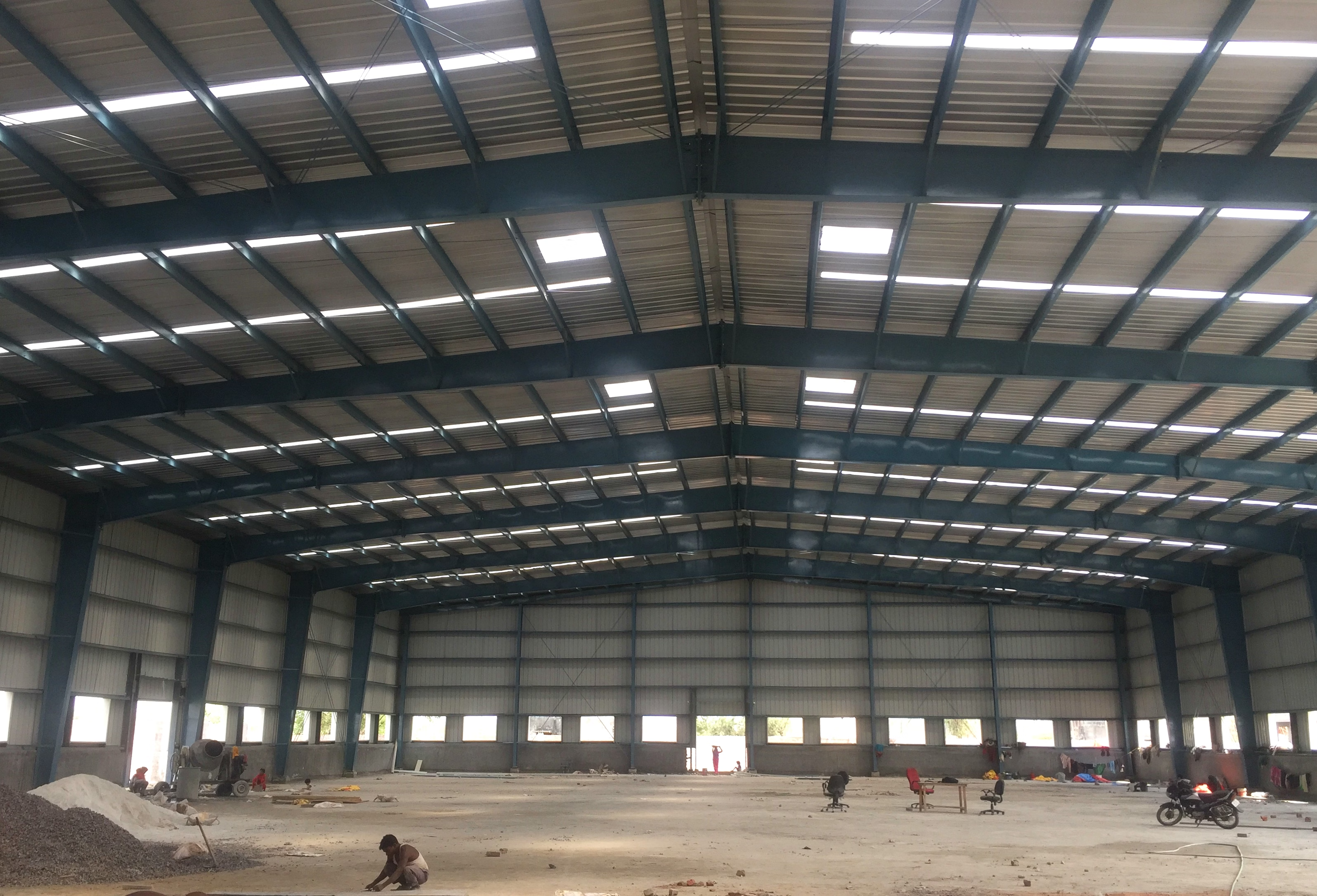
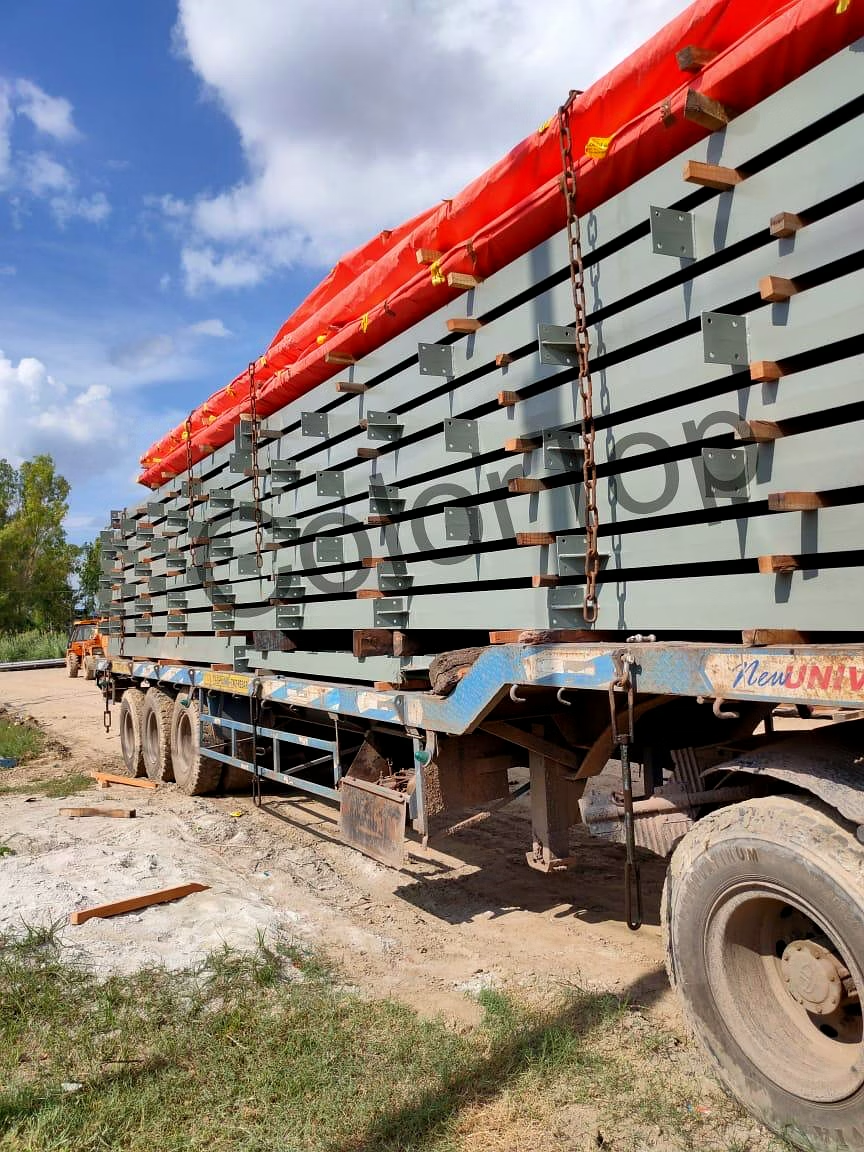
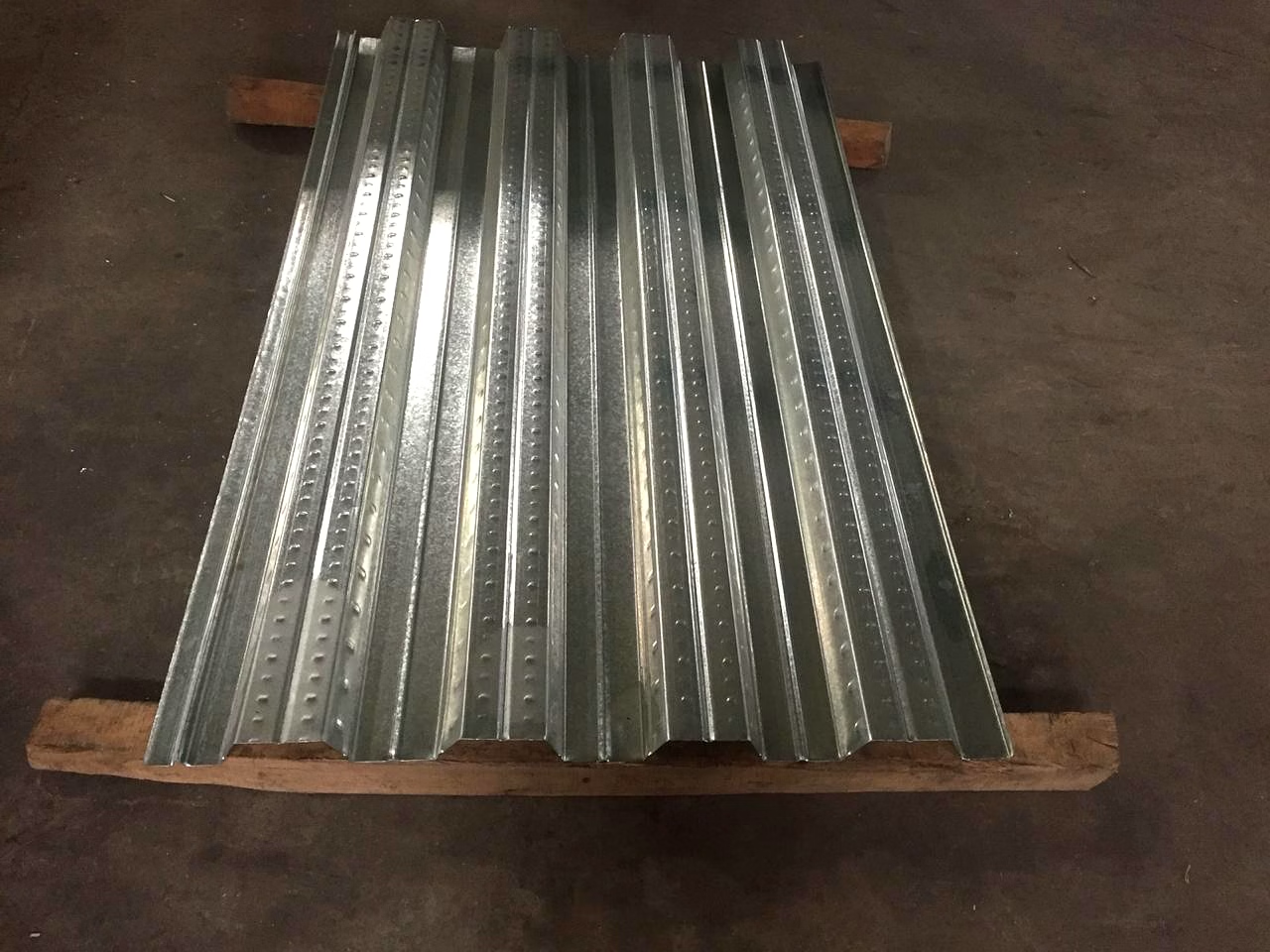
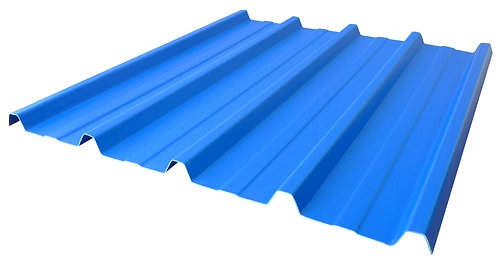
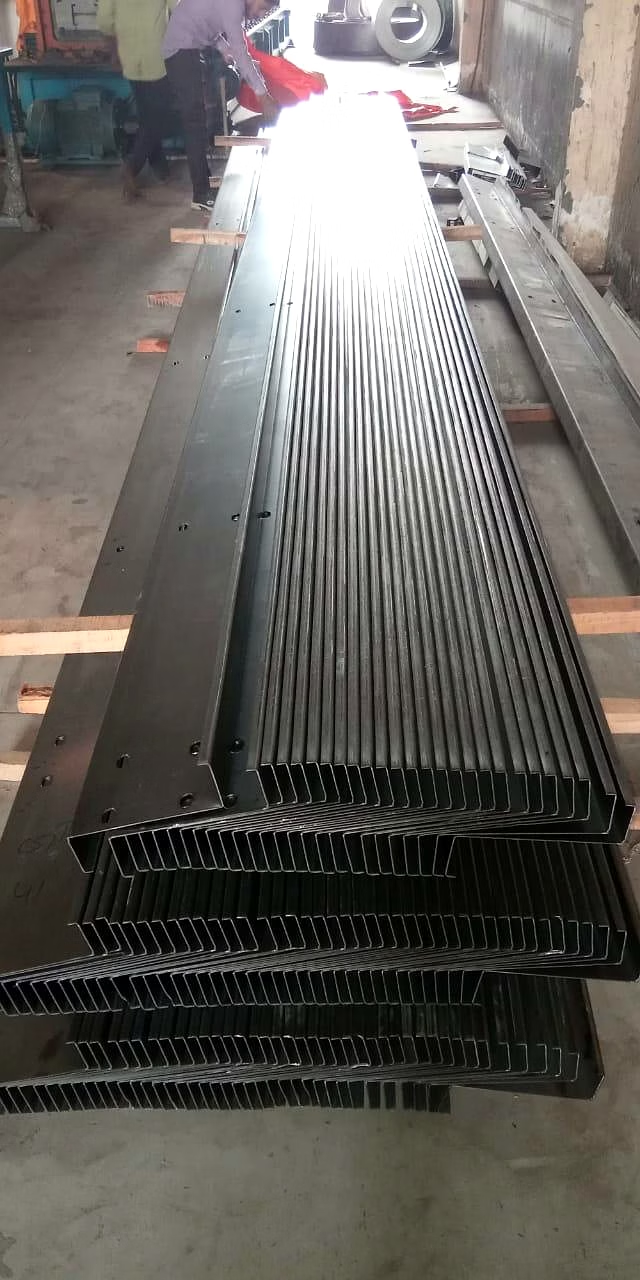
Z and C purlins are specialized cold-formed steel structural members widely used in roofing and wall cladding systems to provide robust support and load distribution for roof sheets and panels. Manufactured typically from galvanized iron (GI) or mild steel (MS), these purlins come in Z and C profiles, each serving specific structural purposes. C-purlins are primarily utilized at roof edges where support requirements vary, while Z-purlins, known for their ability to overlap, are favored for longer continuous spans due to enhanced strength and material efficiency. These purlins run parallel to building eaves and transfer loads efficiently to primary structures such as rafters or columns, offering exceptional stability under wind, snow, and operational roof loads. They are indispensable components in industrial sheds, warehouses, and commercial buildings where high structural integrity and corrosion resistance are required. Customizable in length and thickness, Z and C purlins reduce the necessity for heavy support beams, thereby optimizing construction costs and structural weight. Their galvanization ensures prolonged durability against corrosion, making them suitable for diverse climatic conditions while maintaining structural performance over time.
Key Features
| Features | Description |
|---|---|
| Material | Cold-formed steel, typically Galvanized Iron (GI) or Mild Steel (MS) |
| Profiles Available | Z-profile and C-profile |
| Primary Usage | Roofing support and wall cladding systems |
| Load Support | Supports roof sheets, transfers loads to rafters or columns |
| Span Capability | Z-purlins suitable for continuous spans due to overlap design |
| Corrosion Resistance | Galvanized finish for long-term durability |
| Installation | Easy to install and customizable in length and thickness |
| Applications | Industrial sheds, warehouses, commercial buildings |
| Structural Benefit | Reduces requirement for heavy support beams, making structure lighter and economical |
| Weather Resistance | Withstands wind and snow loads effectively |
| Attributes | Description |
|---|---|
| Material Type | Cold-formed Steel (GI or MS) |
| Profile Types | Z-profile, C-profile |
| Corrosion Protection | Galvanized coating |
| Typical Thickness Range | 1.5 mm to 3 mm (customizable) |
| Length | Customizable as per client requirements |
| Finish | Pre-galvanized or hot-dip galvanized |
| Usage | Roof and wall structural support |
| Load Capacity | Designed based on span and profile selection – suitable for industrial and commercial roofing |
| Installation Method | Fixed parallel to eaves on rafters or walls |
| Standard Compliance | Manufactured as per IS 1397 / equivalent standards for cold-formed steel sections |
*Disclaimer: The above description has been AI-generated and has not been audited or verified for accuracy. It is recommended to verify product details independently before making any purchasing decisions.
C purlins are typically used at roof edges because they provide good support for shorter spans, while Z purlins are preferred for continuous longer spans due to their overlapping design, which enhances strength and material efficiency.
Galvanization provides corrosion resistance by coating the steel with a layer of zinc, which protects against rust and environmental damage, ensuring long-term structural stability and performance.
Yes, Z and C purlins are highly customizable in terms of length and thickness, allowing them to be tailored to specific project needs to provide optimal structural support.
Yes, these purlins are designed to support loads for both roof and wall sheeting, making them versatile components in steel building construction.
Z and C purlins are manufactured in accordance with Indian Standards such as IS 1397 or equivalent cold-formed steel section standards to ensure quality, load-bearing capacity, and safety.
Country Of Origin: India
Purlins are horizontal structural members used in roofing to support loads from the roof deck or sheeting. They are typically made of steel and run parallel to the building's eaves, resting on rafters or walls. Purlins help distribute weight and provide stability to the roof structure.
Purlins are essential structural components used in roofing systems, especially in metal and steel buildings. They are horizontal members that run along the length of a roof, supporting the roof sheets or panels and transferring loads to the primary structural frame, such as rafters or building columns.
Typically made from cold-formed steel (like GI or MS), purlins come in various shapes—most commonly C, Z, and Sigma profiles. C-purlins are usually used at the edges of the roof, while Z-purlins can overlap and are preferred for continuous spans, offering more strength and material efficiency.
Purlins are spaced at regular intervals and are crucial for distributing the weight of the roof, withstanding wind and snow loads, and providing a base for fixing roofing sheets. They reduce the need for heavy support beams, making structures lighter and more economical.
In addition to roofs, purlins are also used in wall cladding systems. They are easy to install, customizable in length and thickness, and suitable for industrial sheds, warehouses, and commercial buildings. Their corrosion resistance, especially when galvanized, ensures long-term durability and structural performance.
Inclusive of all taxes
You Save: 0
Greater Noida , India
Manufacturer, Brand Owner, Distributor, Exporter, Wholesaler
GST- 09aafca2966f1zm