• Key Features & Attributes
  • Ratings & Reviews
  • Know your Supplier
  • Product description from supplier

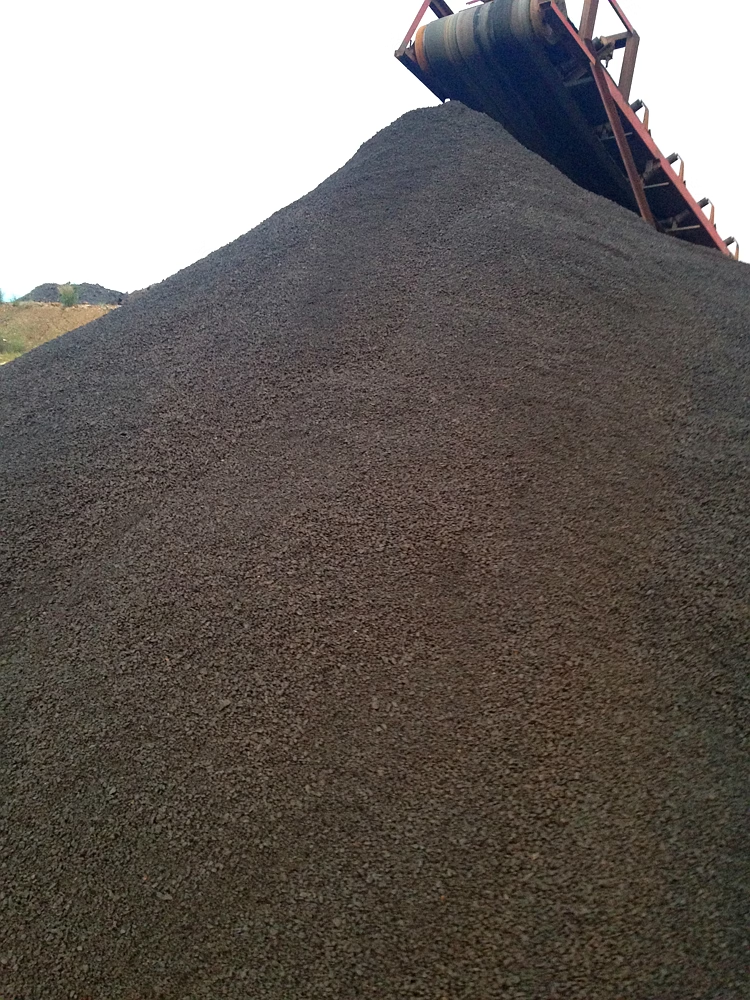
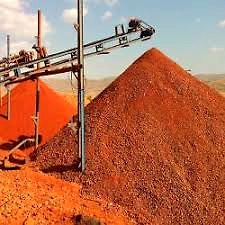
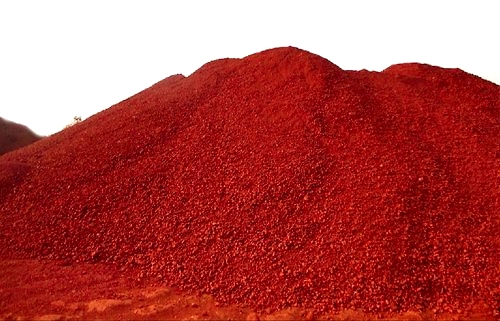
IRON ORE PELLETS

Brand: dalai impex

Inclusive of all taxes

Iron Ore Pellets are high-quality, small spherical balls of iron ore, primarily engineered for efficient steel manufacturing. Derived from finely ground iron ore concentrate, these pellets undergo aggressive agglomeration followed by induration—a process involving heating in specialized furnaces—to produce uniformly sized pellets typically ranging from 8 to 18 mm in diameter. These iron pellets feature superior mechanical strength, controlled porosity, and consistent physical and chemical properties, ensuring optimized performance in both blast furnace and direct reduction steelmaking processes. Their composition mainly comprises iron oxides (Fe₂O₃ or Fe₃O₄), with carefully selected binders such as limestone or bentonite enhancing pellet integrity and reducing slag formation. With distinct types tailored for blast furnace applications and direct reduction iron (DRI) plants, these pellets enable higher iron content input, lower impurities, and contribute to energy-efficient steel production. The use of iron ore pellets significantly reduces dust generation and waste compared to traditional lump ore or sinter feedstocks, making them an eco-friendly choice for metallurgical industries, foundries, and alloy manufacturing. These pellets optimize furnace throughput by enabling consistent gas flow and reaction kinetics due to their precise size, shape, and porosity controls, thus enhancing steel quality and lowering operational costs in large-scale industrial steelmaking scenarios.

Key Features

Features Description
Pellet Size Uniform diameter between 8 and 18 mm for optimal furnace efficiency
Composition Primarily iron oxide (Fe₂O₃ or Fe₃O₄) with minor binders such as limestone or bentonite
Shape Spherical or oval pellets ensuring improved flow and consistent quality
Production Process Agglomerated and hardened through induration (thermal treatment in furnace)
Types Blast Furnace (BF) Pellets with high mechanical strength; Direct Reduction (DR) Pellets with higher iron content and lower impurities
Porosity Controlled porosity allowing efficient gas flow during reduction
Environmental Benefits Reduced dust generation and waste compared to lump ore or sinter
Application Suitable for steelmaking, foundries, and metallurgical alloy production
Energy Efficiency Improves energy consumption due to better reactivity and uniform pellet size
Attributes Description
Iron Content High iron content, varying by pellet type (BF or DR)
Impurities Low impurity levels, especially in DR pellets
Binder Content Limestone or bentonite to improve pellet integrity
Mechanical Strength High, especially in blast furnace pellets to withstand handling and furnace conditions
Pellet Diameter 8-18 mm
Porosity Optimized to facilitate gas permeability during reduction
Production Method Agglomeration followed by induration
Usage Blast furnace steelmaking and direct reduction iron processes
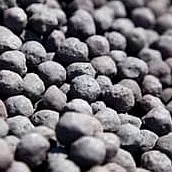
Physical Appearance Uniform spherical or oval pellets with smooth surface
Environmental Impact Lower dust and waste generation than traditional feedstocks

*Disclaimer: The above description has been AI-generated and has not been audited or verified for accuracy. It is recommended to verify product details independently before making any purchasing decisions.

Be the first to write a review

Blast furnace pellets are primarily designed for traditional blast furnaces and possess higher mechanical strength with fluxing additives such as limestone to reduce slag volume. Direct Reduction (DR) pellets, on the other hand, have a higher iron content and lower impurities catering to direct reduced iron plants like Midrex or HYL, ensuring better reactivity and reduced chemical contamination.

Uniform pellet size, typically between 8 and 18 mm, ensures consistent gas flow and heat distribution inside the furnace. This homogeneity enhances reaction kinetics, leading to improved reduction efficiency, lower energy consumption, and uniform steel quality.

Binders such as limestone or bentonite are added in small quantities to the iron ore concentrate to improve pellet strength, structural integrity, and reduce physical degradation during handling and furnace processing. Limestone also acts as a fluxing agent to reduce slag formation during blast furnace operations.

Iron ore pellets generate significantly less dust and process waste during handling and smelting compared to lump ore or sinter. Their optimized size and composition reduce energy consumption in reduction furnaces, lowering overall carbon emissions and operational environmental impact.

Yes, iron ore pellets are occasionally used in EAF processes as feedstock for alloy production and metallurgical applications, although their primary application remains in blast furnace and direct reduction plants. Their consistent chemistry helps maintain desired steel composition in EAF operations.

  • Incorporation Type

  • GST

  • GST Registration Date

  • Number of Employees

  • Import Export Code (IEC)

  • Year of Establishment

  • Nature of Business

  • GlobalLinker Member Since

Brand: dalai impex

Country Of Origin: India

Iron pellets are small, spherical balls of iron ore that are used primarily in steelmaking. They are produced from finely ground iron ore concentrate, which is agglomerated and then hardened through a process called induration (heating in a furnace). Pellets typically measure between 8 and 18 mm in diameter and are uniform in size and shape.

Iron Pellets � Description:


Iron pellets are small, spherical balls of iron ore that are used primarily in steelmaking. They are produced from finely ground iron ore concentrate, which is agglomerated and then hardened through a process called induration (heating in a furnace). Pellets typically measure between 8 and 18 mm in diameter and are uniform in size and shape.


Key Characteristics:

Composition: Mainly iron oxide (Fe2O3 or Fe3O4), with minor additives like limestone or bentonite as binders.


Shape: Round or oval pellets for better flow and consistent quality.


Size: Uniform size (~8�18 mm) enhances furnace efficiency.


Porosity: Controlled to allow good gas flow during reduction in blast furnaces or direct reduction plants.


Types of Iron Pellets:

Blast Furnace (BF) Pellets:


Used in traditional blast furnaces.


Require high mechanical strength.


Often fluxed to reduce slag volume.


Direct Reduction (DR) Pellets:


Used in Direct Reduced Iron (DRI) plants (like Midrex or HYL).


Must have higher iron content and lower impurities.


Advantages of Using Iron Pellets:

Higher iron content compared to lump ore or sinter.


More environmentally friendly, generating less dust and waste.


Consistent size and composition improve efficiency in steel production.


Reduced energy consumption in processing due to better reactivity.


Applications:

Steelmaking: Used as a raw material in blast furnaces or direct reduction furnaces.


Foundries: In smaller-scale metal casting processes.


Metallurgical industries: For alloy production or as feedstock in electric arc furnaces.


Metallic Minerals

Iron Ore

dalai impex

Iron Ore Pellets

Blast Furnace Pellets

Direct Reduction Pellets

Steelmaking Pellets

Iron Oxide Pellets

Metallurgical Pellets

High Strength Iron Pellets

Pelletized Iron Ore

DRI Pellets

Fuel Efficient Iron Pellets

IRON ORE PELLETS

Brand: dalai impex

Inclusive of all taxes

You Save: 0

Send Inquiry
dalai impex

Cuttack , India

Retailer, Distributor, Exporter, Importer, Wholesaler

GST- 21afcpd0765q3zh

  • Secure
    Transaction

  • Free
    Delivery

  • Day
    Dispatch

Report a problem with this product