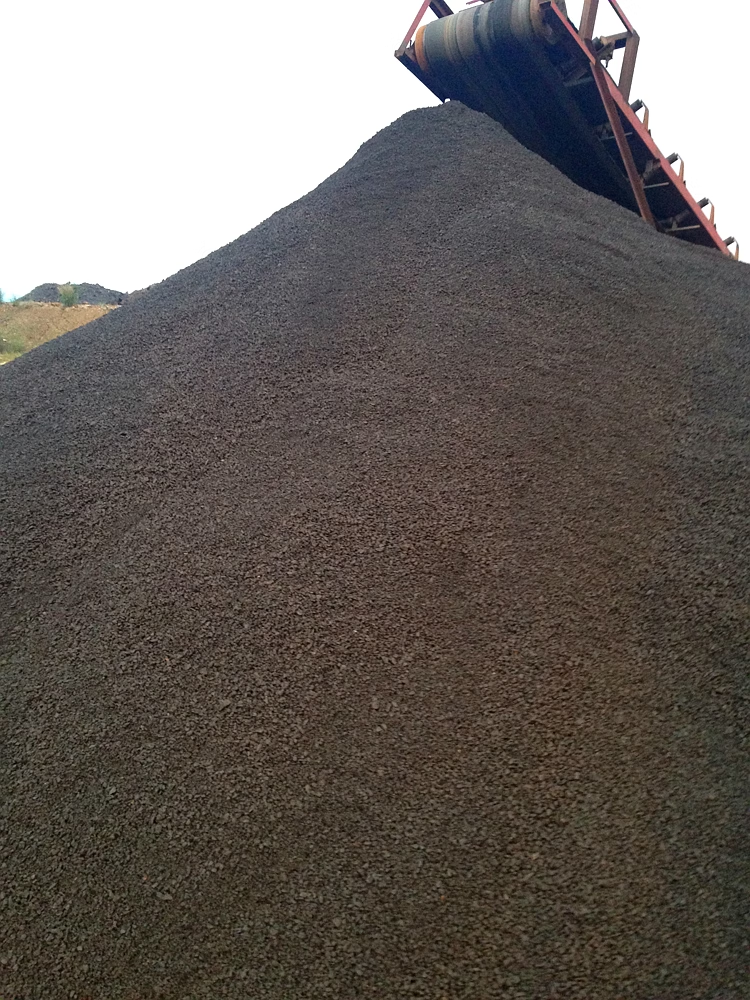
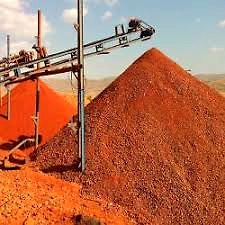
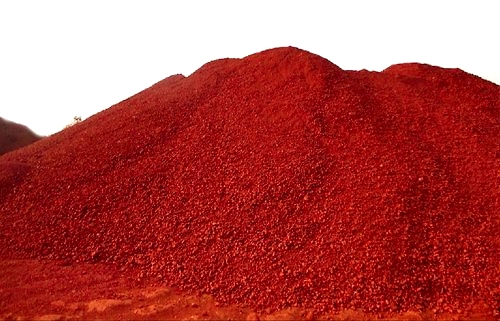
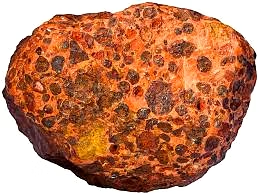
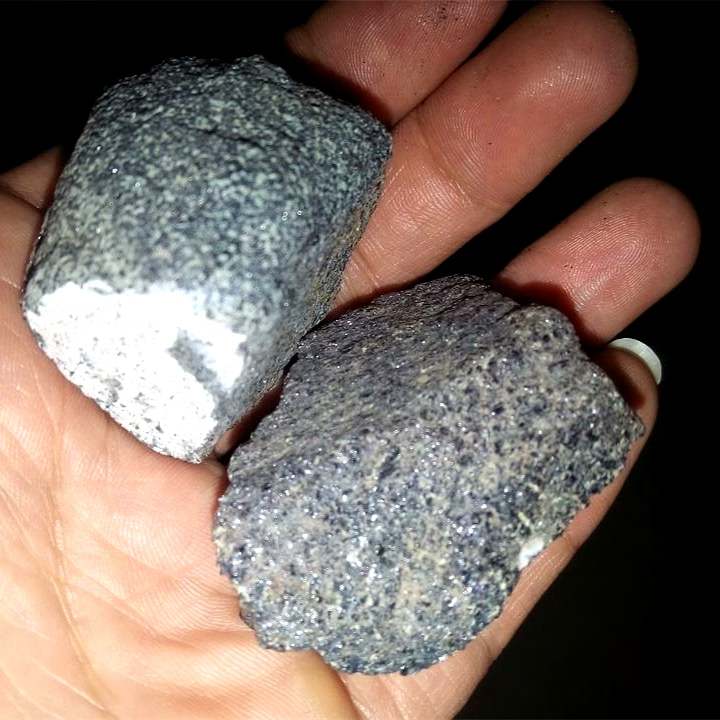
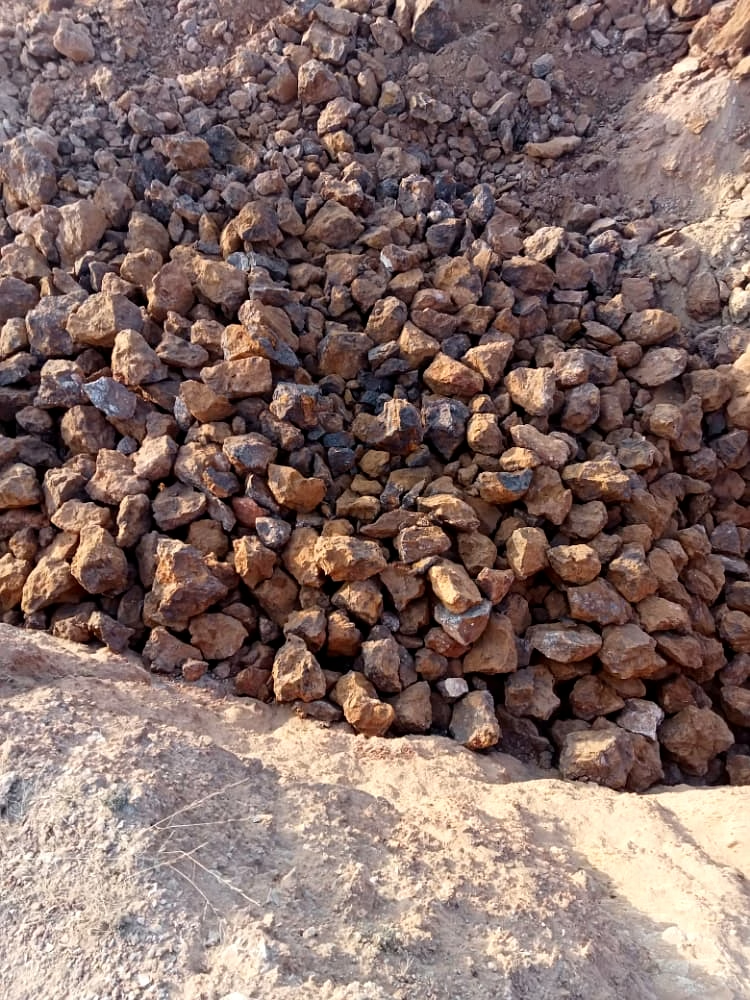
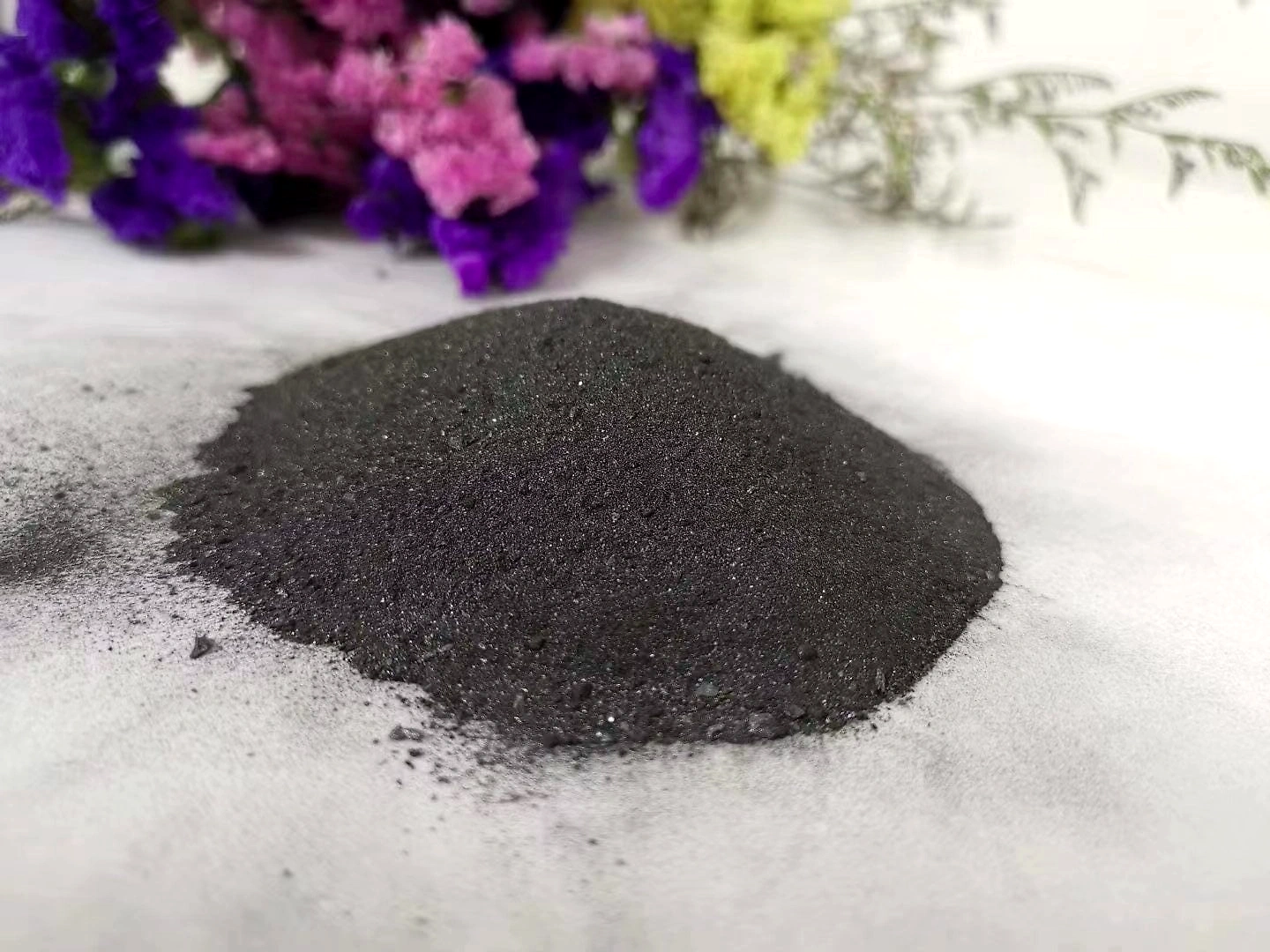
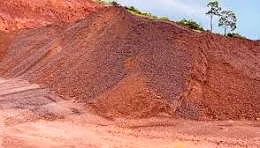
Iron ore is a vital naturally occurring mineral primarily composed of iron oxides from which metallic iron (Fe) is extracted economically. This key raw material is instrumental in steel production, accounting for nearly 98% of all iron ore use across various industries such as automotive, construction, and machinery. The major varieties of iron ore include Hematite, Magnetite, Goethite, Limonite, and Siderite, each differing in iron content and purity. The foremost producers, Australia, Brazil, China, India, and Russia, dominate the iron ore market, meeting the immense global demand driven by the construction and manufacturing sectors. Extracting and processing iron ore include several critical steps - from mining, crushing, grinding, and concentration to pelletizing or sintering, eventually culminating in the production of pig iron through the smelting process in a blast furnace, for conversion into steel. This comprehensive understanding of iron ore ensures that B2B clients get the high-quality product needed for industrial applications.
Key Features
| Features | Description |
|---|---|
| Types of Iron Ore | Hematite (Fe₂O₃), Magnetite (Fe₃O₄), Goethite, Limonite, Siderite |
| Major Producers | Australia, Brazil, China, India, Russia |
| Iron Content | Hematite ~70%, Magnetite ~72%, Goethite and Limonite lower, Siderite contains iron carbonate |
| Uses | Steel production, automotive, construction, machinery, and tools |
| Extraction Methods | Open-pit mining, underground mining |
| Processing Techniques | Crushing, grinding, concentration, pelletizing, sintering, smelting |
| Attributes | Description |
|---|---|
| Primary Composition | Iron Oxides (Fe₂O₃, Fe₃O₄, FeCO₃) |
| Production Rate | Over 2.5 billion tonnes annually |
| Physical State | Solid mineral |
| Color | Reddish (Hematite), Black (Magnetite) |
| Magnetic Properties | Magnetic (Magnetite), Non-magnetic (Hematite) |
| Industry Standard | ISO-certified quality standards |
*Disclaimer: The above description has been AI-generated and has not been audited or verified for accuracy. It is recommended to verify product details independently before making any purchasing decisions.
We provide a variety of iron ore types including Hematite, Magnetite, Goethite, Limonite, and Siderite, each suitable for different industrial applications.
Our iron ore specifications are verified through rigorous testing and comply with international ISO standards to ensure high purity and content.
Our iron ore is sourced from major producing countries, predominantly Australia, Brazil, China, India, and Russia.
Our iron ore is extensively used in steel production, the automotive industry, construction, and manufacturing of machinery and tools.
Our iron ore undergoes comprehensive processing techniques including crushing, grinding, concentration, pelletizing, sintering, and smelting.
Brand: dalai impex
Country Of Origin: India
Iron ore is a naturally occurring mineral from which iron (Fe) is extracted. It is the primary raw material used to make steel, one of the most widely used metals in the world.
Key Types of Iron Ore:
Hematite (Fe2O3) � High-grade, contains around 60�70% iron.
Magnetite (Fe3O4) � Also high-grade, magnetic properties, about 60�72% iron.
Limonite (FeO(OH)�nH2O) � Lower iron content, yellow-brown.
Siderite (FeCO3) � Contains about 48% iron
Iron Ore: Summary
Definition:
Iron ore is a naturally occurring mineral from which iron (Fe) is extracted. It is the primary raw material used to make steel, one of the most widely used metals in the world.
Key Types of Iron Ore:
Hematite (Fe2O3) � High-grade, contains around 60�70% iron.
Magnetite (Fe3O4) � Also high-grade, magnetic properties, about 60�72% iron.
Limonite (FeO(OH)�nH2O) � Lower iron content, yellow-brown.
Siderite (FeCO3) � Contains about 48% iron.
Major Uses:
Steel production (about 98% of iron ore is used for this).
Construction, automotive, infrastructure, tools, and machinery.
Top Producing Countries (2024):
Australia � Largest exporter.
Brazil
China
India
Russia
Mining Methods:
Open-pit mining � Most common.
Underground mining � Used where ore is deep.
Processing Steps:
Crushing and grinding
Concentration (separation of iron from waste)
Pelletizing or sintering
Smelting in blast furnaces
Economic Importance:
Crucial for industrial development.
Strongly linked to global economic activity and infrastructure projects.
Environmental Impact:
Habitat destruction
Water and air pollution
High energy usage and CO2 emissions in steelmaking
Let me know if you want a more detailed report or data on current prices, market trends, or sustainability efforts.
Inclusive of all taxes
You Save: 0
Cuttack , India
Retailer, Distributor, Exporter, Importer, Wholesaler
GST- 21afcpd0765q3zh